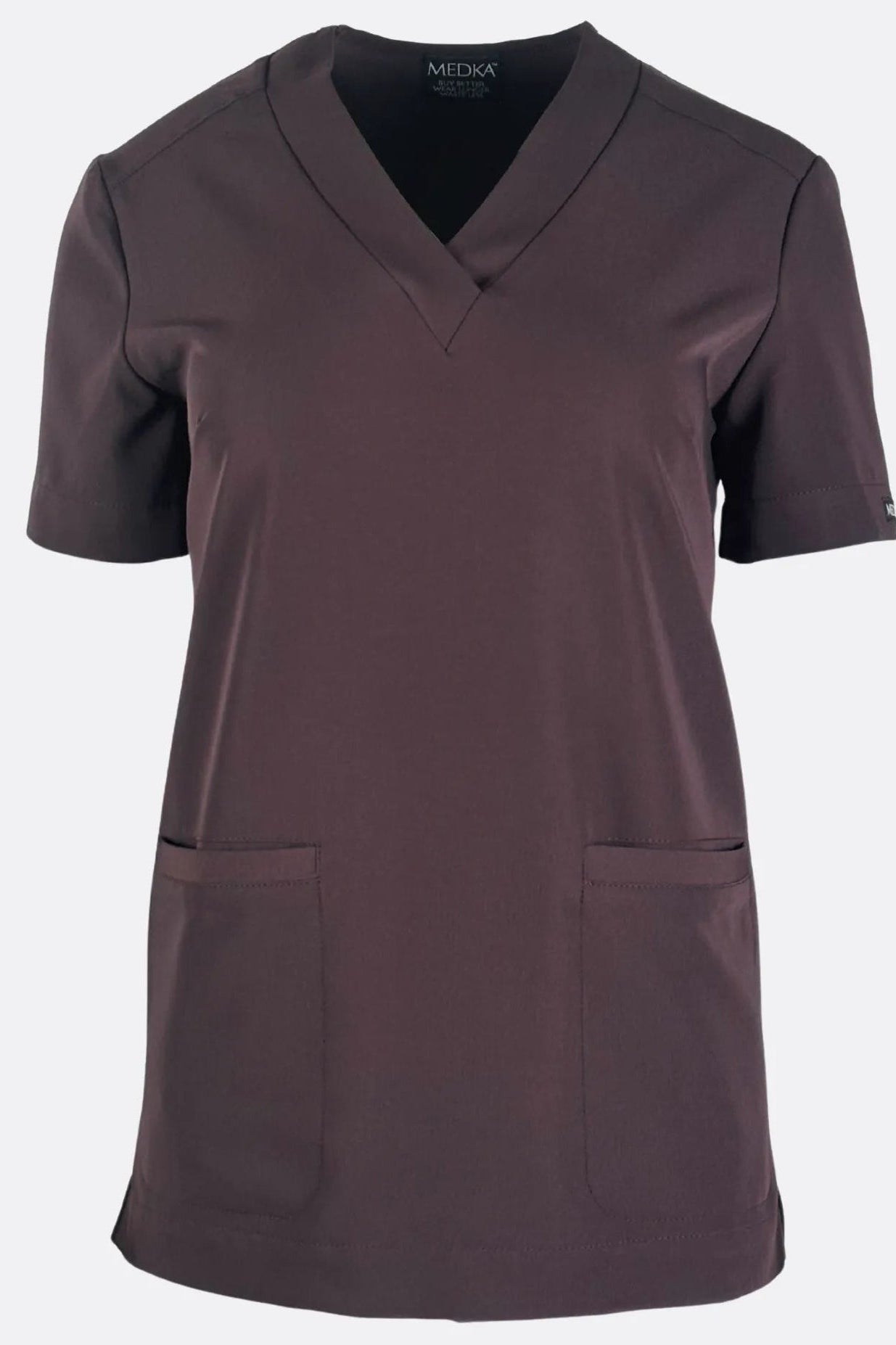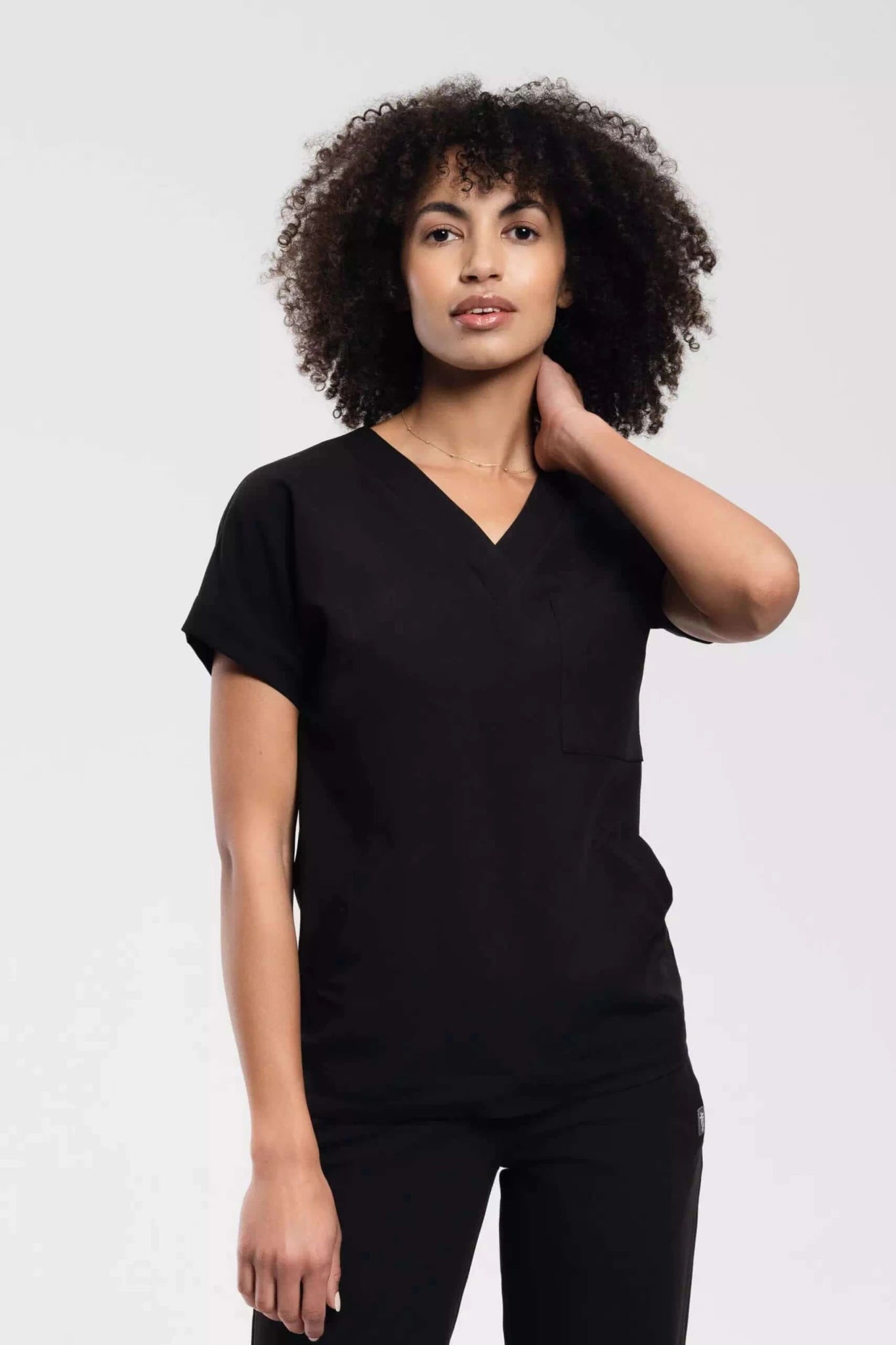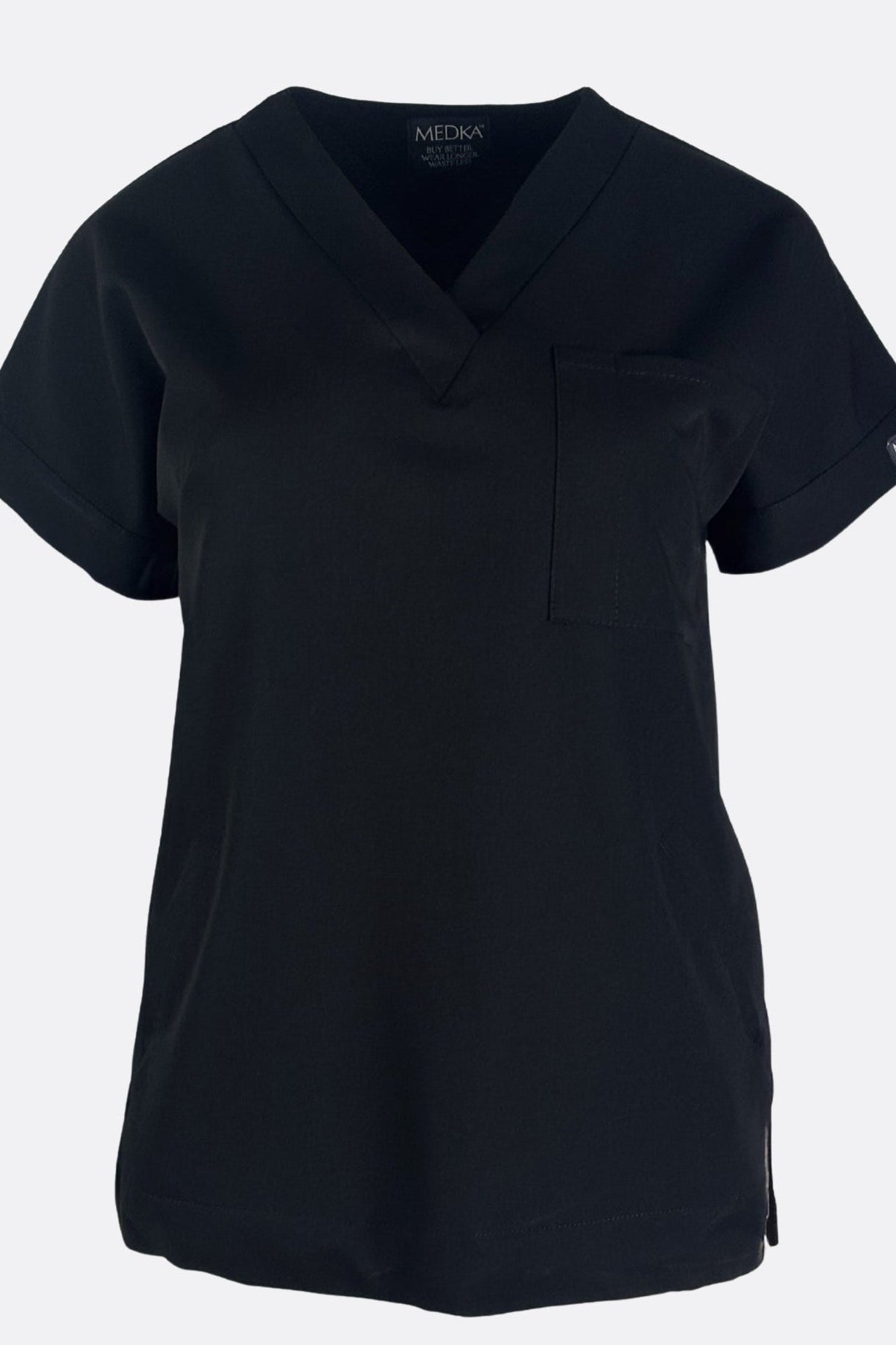





In the world of medicine, where professionalism intertwines with empathy, and modernity with tradition, medical clothing serves not only a practical but also a symbolic function. Gone are the days when white dominated hospital corridors, now replaced by a kaleidoscope of colors that not only enliven hospital interiors, but also carry deep meaning. What do the colors mean? medical scrubs? This is a question that may come to mind when looking at the variety of colors. The meaning of color in men's medical clothing or women's care in healthcare goes beyond aesthetics, influencing patients' perception of the staff as well as the well-being of both parties. Check our article what the colors of clothes in the hospital mean.
Color symbolism in medicine – a color guide
Each color used in this environment, including in offices and hospitals, should be associated with a friendly and open nature. The most common variants are:
White – Traditionally associated with medicine, it symbolizes purity, sterility and impeccability. The white color of the scrubs is like a promise of safety and professionalism, which makes it an inseparable element of the doctor's image, especially in medical offices and during the first contact with the patient.
Pink – this color, which brings optimism and warmth, is often chosen by staff dealing with children or in areas where it is important for the patient to feel comfortable and friendly. Pink has a calming effect, reducing stress and building an atmosphere of trust.
Navy blue – embodies professionalism, credibility and calmness. Its presence in medical clothing emphasizes the seriousness of the situation without overwhelming the patient. In offices, navy blue can strike a balance between formality and accessibility.
Red – red color, although less common due to its intensity, is used in critical areas, such as emergency departments, where quick identification of personnel is necessary. Red, symbolizing energy and action, has an alarm function in these contexts.
Blue – the color blue is associated with harmony and peace, and has a soothing effect on patients. Blue scrubs are a popular choice among nurses and care staff, helping to create an atmosphere of trust and professional care.
Green – this color, most often found in operating rooms, helps reduce staff eye fatigue and has a calming effect. The color green, symbolizing life and growth, emphasizes hope for healing and regeneration.
Color schemes
While historically clothing colors in healthcare and hospitals have been strictly regulated, we are now seeing a trend towards greater freedom of choice. This departure from uniform patterns allows the staff to express individuality and at the same time meet patients' expectations regarding professionalism and psychological comfort.
The individual color selection of clothes in hospitals and offices not only distinguishes particular specializations and functions in the team, but also affects the perception of medical staff by patients. Colors can convey information, regulate moods and even influence the healing process by influencing the patient's mental state.
The role of the color of medical clothing
In modern health care facilities, i.e. hospitals, offices and other medical facilities, more and more attention is paid to the psychological aspect of treatment. Choosing the color of clothing can be a conscious strategy aimed not only at increasing patient comfort, but also staff efficiency. Colors can influence the level of stress, which is especially important in places where patients experience anxiety, e.g. in dental offices or oncology wards. By introducing bright, soothing colors, you can slightly ease the tension, creating a friendly and calm atmosphere. The use of various colors in medical clothing also has a direct impact on the well-being and motivation of health care workers in hospitals and offices. Colors that are well perceived by staff can contribute to increasing their job satisfaction, which directly translates into the quality of patient care. It is worth noting that employees often choose clothing colors depending on their personal preferences or mood, which allows them to express their individuality in the workplace. The importance of selecting appropriate colors in medical offices
The symbolism of clothing colors in health care has deep roots in culture and psychology. For example, purple, often associated with spirituality and luxury, can be used in mental health settings to promote a sense of calm and reflection. In turn, yellow, symbolizing energy and optimism, can be used in rehabilitation areas, encouraging patients to be active and think positively in the recovery process. It is equally important to remember the practical aspects of choosing the colors of medical clothing in health care.
Light colors such as white or light blue, although they are associated with cleanliness and hygiene, they may be less practical in everyday use, quickly revealing dirt. On the other hand, darker shades, such as navy blue or green, are more forgiving in the context of maintaining cleanliness, which may be especially important in intensively used environments such as offices, hospitals and clinics.
Color and place of use
The integration of colors with modern medical clothing technologies, such as antibacterial and moisture-wicking materials, is another step towards improving the working conditions of staff and the comfort of patients in healthcare. Thanks to these innovations, clothing used in clinics and offices becomes not only functional, but also able to support a healthy work environment, minimizing the risk of infection. In the context of the global world of medicine and health care, where cultural diversity of patients and staff is commonplace, the choice of colors in offices can also play a key role in building intercultural bridges. Understanding and respecting the cultural connotations of colors can contribute to better understanding and effective communication in settings, which is essential for the delivery of high-quality care.
Colors of clothes in the hospital
Color selection in medical clothing it is not only a matter of aesthetics, but also of consciously influencing the well-being of office patients and creating a positive image of the staff. In an era where medicine is increasingly focusing on a holistic approach to the patient, the colors of clothes can be a valuable element of non-verbal communication, building trust and even supporting therapy. All this means that the answer to the question "What is the importance of colors in medical clothing?" is much more complex than it might seem, reflecting both tradition and an individual approach to patient needs in health care.
See alsoż:
-
What does that mean? scrubs and what is this type of clothing?
- How to wash medical clothing?
- How to recognize high-quality medical clothing and what to look for?ociattention?
- Medical clothing without ironing - how to recognize it?
- What medical clothing is appropriate for a pediatrician?
- How should a beautician be dressed?
- What does a basic page look like?oh for the surgeon?
- Medical clothing for a masseur - which one to choose?