




The nursing profession in Poland has one of the most rigid entry paths and, at the same time, one of the most unstable further paths. Entry is easy to describe: three years of bachelor's studies, 4,720 hours of classes, diploma exam with a practical part, application to the chamber. Next comes the area where most people planning a career get lost: pay grades, which have been the subject of thousands of court cases since 2022, courses with two parts and different qualifications, a new obligation to collect educational points from January 2026 and a draft of a completely new profession act, which the Ministry of Health sent for consultation in May 2026. Those who start their studies today will finish them in a system whose shape is still being determined.
Can you become a nurse without studying?
NO. This is the first thing that needs to be resolved, because there are most misunderstandings around it. The profession of nurse can only be performed by a person who has the right to practice the profession confirmed by the District Council of Nurses and Midwives, and the condition for obtaining it is a diploma of completion of studies in the field of nursing. This is regulated by the Act of 15 July 2011 on the professions of nurse and midwife.
The misunderstanding comes from the fact that a large part of professionally active nurses do not have higher education. This is true, but it concerns the generation that graduated from medical high schools and medical vocational studies. This education model was phased out, and the regulations adapting Polish regulations to EU requirements closed this path in the mid-2000s. People with such education retained their qualifications and some of them later completed them during bridge studies, but new age groups are no longer educated this way.
There is no shortcut through the courses either. A medical caregiver course, elder care training, first aid course or any online program does not provide nursing qualifications, although they may be advertised in a way that may suggest this. A medical caregiver is a separate, independently regulated profession, with its own scope of activities, and is not an intermediate step on the path to nursing. Working in this role, however, gives you something different and quite valuable: contact with the realities of the department even before you decide on five years of education.
Bridge studies still exist, but are addressed only to people who have graduated from former nursing schools and want to complete their education to the bachelor's level. This path is unavailable to someone who has graduated from high school.
What are nursing studies like?
First-cycle studies last no less than six semesters and end with a bachelor's degree in nursing. The education standard specifies the minimum that the university cannot lower: at least 4,720 hours of classes and 180 ECTS points. This is a number that is impressive only when compared to other fields of study, where a typical bachelor's degree is around two thousand hours.
Proportions are key. Practical classes take 1,100 hours and 41 ECTS points, and professional internships take another 1,200 hours and 46 points. In total, this gives 2,300 hours with the patient, i.e. almost half of the entire program. Internships take place next to the patient, in hospitals and clinics, and cannot be completed in absentia or made up in a simulator. This is why the course is conducted in practice on a full-time basis: reconciling 2,300 hours at the patient's bedside with full-time work and weekend classes is organizationally unfeasible.
The standard also provides for things that candidates usually do not know. English classes last at least 120 hours and include specialized nursing language. Professional internships must be preceded by practical classes in clinical conditions and at least 180 hours of classes in simulated conditions, conducted based on high-fidelity scenarios. Medical simulation is no longer an addition and has become a mandatory stage before entering the ward.
Recruitment is based mainly on the results of the high school leaving exam in biology at the advanced level, and at some universities the calculation also takes into account chemistry, physics or mathematics. The thresholds vary, as the course is offered by both medical universities and vocational universities in smaller towns, where there are much fewer applicants. The conversion rules are published by each university separately and they differ so much that it is worth comparing several centers instead of adopting one scheme.
The end of studies looks different than in most fields of study. The first-cycle nursing diploma examination consists of a theoretical and practical part, and is preceded by the submission of a diploma thesis, usually based on the analysis of an individual case. The practical part means performing a task in front of a patient or under the conditions of a standardized clinical examination, under the supervision of a committee. There is no state test in the sense in which it operates in other medical professions: the exam is conducted by the university, according to the standard specified by regulations.
Second-cycle studies look completely different and this comparison explains why the decision to pursue a master's degree is sometimes postponed for several years:
| Parameter | First cycle studies | Second cycle studies |
|---|---|---|
| Duration | Not less than 6 semesters | No less than 4 semesters |
| Minimum number of hours | 4720 | 1300 |
| ECTS points | At least 180 | At least 120 |
| Professional internships | 1200 hours | 160 hours |
| Form of studies | In practice, stationary | Part-time work is also allowed |
| Title and effect | A bachelor's degree authorizes you to practice the profession | A master's degree opens the way to salary group 2 and independent prescription of medications |
A master's degree is not compulsory to practice and can be obtained at any time in one's career, even after ten years of work. Because second-cycle studies can be conducted part-time and have less than two hundred hours of practical experience, they can be combined with full-time employment much easier than a bachelor's degree. The programs are designed in such a way that graduates of previous years can supplement the knowledge covered by a specialist course in the field of prescriptions as part of continuing treatment.
How to obtain the right to practice a profession after graduating?
A diploma is not enough to get a job. The right to practice the profession is confirmed by the district council of nurses and midwives competent for the place of future profession, at the request of the interested person. Based on the resolution confirming the right, the council makes an entry in the district register and issues the document "Right to practice the profession of nurse".
The application must be accompanied by a copy of the diploma with a supplement (the original is available at the chamber for inspection), a certificate of health enabling the practice of the profession, issued by an occupational medicine doctor, a declaration of full legal capacity and photos in the format indicated by the chamber. Formalities usually take several weeks, so it is wise to apply immediately after your defense, and not only after finding a job.
Entry into the register has an effect that graduates often learn about with surprise. On the day of entry into the district register, a nurse becomes a member of the professional self-government, which involves the obligation to pay contributions and be subject to professional liability before the court of nurses and midwives. Membership is not voluntary and does not depend on whether someone takes part in training organized by the chamber.
There is also a provision regarding returns to the profession. A person who has not practiced their profession for more than five years in the last six years and wants to take up work must notify the relevant district council and undergo training. It is complementary and lasts no longer than half a year. This is important for people planning a longer break to raise children or a trip abroad.
How much does a nurse earn and what does the grade really depend on?
Remuneration in medical entities is based on the Act of June 8, 2017, which assigns work coefficients to professional groups multiplied by the base amount. The basis effective from July 1, 2026 is PLN 8,903.56, i.e. the average salary in the national economy for 2025 announced by the Central Statistical Office. Three groups are important for nurses:
| Group | Qualifications required for the position | Coefficient | At least from July 1, 2026 |
|---|---|---|---|
| Group 2 | Master's degree in nursing and specialization in nursing required | 1,29 | PLN 11,485.59 gross |
| Group 5 | Required: Master's degree or first-cycle studies with specialization, or secondary education with specialization | 1,02 | PLN 9,081.63 gross |
| Group 6 | A nurse without the required specialization, with secondary education or a bachelor's degree | 0,94 | PLN 8,369.35 gross |
A graduate with a bachelor's degree, without specialization, starts from group 6, i.e. from PLN 8,369.35 gross of the basic salary. The increase compared to the July 2025 rate was 8.82 percent and was the same percentage in all groups.
Here lies the trap that generates the most disputes in all health care. The Act refers to the qualifications required for the position held, and not to the qualifications actually held. If the organizational regulations of the institution provide for secondary education for a given position, the employer may classify a person with a master's degree and specialization in a lower group. Since the amendment of July 2022, thousands of court proceedings have been pending on this matter, and institutions regularly lose them and pay compensation. The conclusion for someone who has just finished studies or specialization is simple: before signing a contract, you need to check what qualifications are assigned to the position in the organizational regulations, and demand an update if the actual scope of duties requires it.
Basic salary is the basis, not the entire salary. There is an internship allowance of 1 percent for each year of work after five years, up to a maximum of 20 percent, allowances for night work, Sundays and holidays, and overtime pay. In practice, a nurse working in shifts with night shifts earns amounts significantly higher than the statutory minimum, and the difference comes from hours worked, not promotion. This is an important distinction because the "making extra money on duty" model has its health costs, which will be discussed later.
In the private sector, rates are subject to negotiation and may be higher than statutory minimums, especially in large cities and in long-term care. A separate path is individual nursing practice settled under a contract, where the hourly rate is higher, but the internship allowance, paid leave and protection under the Labor Code disappear.
What does professional development look like after obtaining a diploma?
Postgraduate education for nurses is divided into four forms and the differences between them have a real impact on qualifications and remuneration.
| Form of education | Condition of accession | Duration | Ending |
|---|---|---|---|
| Specialized training | License to practice the profession and at least 2 years of work in the profession within the last 5 years | At least 15 months | State examination, specialist title |
| Qualification course | License to practice the profession and at least 6 months of work in the profession | No longer than 6 months | Final exam |
| Specialized course | The right to practice the profession, conditions depending on the course program | Shorter, depending on the program | Final exam |
| Refresher course | The right to practice a profession | The shortest form | Pass |
The rules of training are specified in the regulation of the Minister of Health published as Journal of Laws. 2026 item 57, effective from January 20, 2026. It introduced, among other things, the Electronic Education Card and clarified the possibility of shortening the training for people who already have another specialization, postgraduate studies, experience recognized by the commission or who are resuming interrupted education, if the break does not exceed five years. The entire procedure, from the application to the documentation of the course, is conducted in the Medical Workers Education Monitoring System.
The issue of costs can be decisive. Some places in specializations are co-financed by the Ministry of Health and then the training is free for the participant. Paid places usually cost several thousand zlotys, as do qualifying courses. It is worth asking the employer about covering the costs before the recruitment begins, because some institutions finance staff training, but rarely inform about it on their own initiative.
The most underrated part of this system involves prescriptions. Article 15a of the Act on the professions of nurse and midwife separates two completely different rights. Independently prescribing medications, i.e. deciding on therapy and issuing prescriptions, is available to a nurse with a second-cycle diploma or a specialist title after completing the specialist course in the first part. Issuing prescriptions as part of the continuation of treatment ordered by a doctor requires less: a diploma of at least a first-cycle degree or a specialist title and a course in the second part are enough. Persons who have acquired appropriate knowledge during studies or specialized training are exempt from the obligation to take the course, which applies to newer years of graduates. Both authorizations exclude medicines containing very strong substances, narcotic drugs and psychotropic substances.
Practical conclusion: a master's degree alone does not give you the right to prescribe, and specialization alone does not give you the right to prescribe medicine without an appropriate course. These are two independent blocks that must be assembled consciously.
Educational points and the new act, or what is changing now
From January 1, 2026, nurses and midwives are obliged to have documented professional development settled in educational points. It results from a resolution of the Supreme Council of Nurses and Midwives and works according to a simple scheme: the settlement period lasts 60 months, and its completion requires obtaining at least 100 educational points. The first period covers the years from 2026 to 2030.
Several details of this mechanism are of practical importance. The surplus of points does not carry over to the next period. Persons who obtained the right to practice their profession after January 1, 2026, start their period on the date of entry in the district register, not from January. Forms of training completed before the resolution enters into force are included in the first period, so the existing achievements are not lost. Documents confirming the fulfillment of the obligation are sent electronically to the hospital within three months of the end of the period, and everything is registered on the Nurse and Midwife's Individual Account in the Local Government Service System. For active participation in professional self-government, you are entitled to 10 points per year, a maximum of 40 over the entire period. In justified cases, for example in the event of a long break from practicing the profession, the district council may extend the settlement period.
A much bigger change is on the way. The draft Act on the profession of nurse and midwife of May 13, 2026 has been submitted for consultation and is intended to replace the 2011 regulation that has been in force for fifteen years. The planned date of entry into force is March 1, 2027. The project assumes the expansion of independent professional competences, including the possibility of referring patients for specific diagnostic tests and declaring temporary incapacity for work for a period of up to five days. It also envisages the formal introduction of the role of an advanced practice nurse, a model operating in many countries under the abbreviation APN, and the arrangement of competence levels to be linked to the pay scale.
As of August 2026: it is still a draft after consultations, not binding law. For someone who is currently choosing a field of study, the direction of changes is clear and worth taking into account in their plans. The profession is moving towards greater decision-making independence, which means that investing in second-cycle studies and specialization will pay off more over time than today.
Where does a nurse work and what is the duty like?
The hospital is the obvious first association, but it is only part of the market. Nurses work in primary health care, where the scope of independent tasks has expanded with coordinated care, in specialist clinics, in long-term care and social welfare homes, in hospices and palliative care, in school medicine, in workplaces within the framework of occupational medicine, in medical companies and in individual home care practices.
The differences between these places are greater than between departments of the same hospital. Working in primary care usually means fixed hours without night shifts, which translates into lower total remuneration, but also into a predictable rhythm of life. Long-term care involves a lot of physical work and long relationships with patients. The surgical ward means working in shifts and with high intensity.
The dominant model in hospitals is twelve-hour shifts in the equivalent system. Twelve hours in the ward in practice means walking several kilometers, repeatedly moving and lifting patients, working with gloves for most of the shift and keeping documentation, the amount of which increases every year. Night duty does not mean peace of mind: the staff is smaller and responsibility for the unit is divided among fewer people.
The scale of the staff shortage makes this rhythm even more intense. According to the staffing model prepared by OZZPiP, the number of nurses per thousand inhabitants in Poland is approximately 5.7 and according to forecasts it will decrease, despite a temporary increase in the number of graduates. NIPiP has been indicating for years that the largest age group among employed nurses is 51-60 years old, covering over one third of the staff, and the average age is approaching 54 years. The practical translation of these numbers is that a graduate entering the department today will join a team in which she will be the youngest by twenty years and where staff shortages are made up with overtime.
For whom this profession will not be a good choice?
This part does not appear in university recruitment folders, but it determines whether someone will work in the profession for three years or thirty years.
The physical load is real and cumulative. Moving and positioning patients, working in forced positions, standing and walking for many hours take a toll on the spine and joints after a dozen or so years, not after a few. Shift work, especially permanent night shifts, disrupts the circadian rhythm with consequences that have been described in occupational medicine for a long time. The Supreme Chamber of Nurses and Midwives, analyzing data from the PESEL register, indicated that the average age of death in this professional group is clearly lower than for the entire female population in Poland. This number is not a verdict for anyone individually, but it says something about the accumulation of burdens on the scale of the profession and it is worth knowing it before making a decision, and not after fifteen years of on-duty work.
There is also a psychological burden. The nurse is the person who spends the most time with the patient, so she is the one who has the first contact with his fear, anger and helplessness, as well as with the emotions of the family. Verbal aggression happens regularly, physical aggression is less common, but it does happen. The death of a patient is a part of the work week, not a unique event.
Responsibility is personal and formalized. An error in drug administration, a mistake in patient identification or incorrectly kept documentation result in professional liability of nurses and midwives in court, and in more serious cases also civil and criminal liability. There is no room for improvisation or for performing "more or less" procedures.
People who cannot stand working in a hierarchy and having to carry out orders they do not agree with will be frustrated in this profession. The scope of independent services is real and growing, but a significant part of everyday tasks remains the implementation of decisions made by someone else.
Who is suitable for nursing? People who function well in a repetitive procedure and can perform it at three in the morning as well as at ten in the morning, have a high tolerance for contact with the body and suffering, are able to work in a team under time pressure and do not need gratitude as daily fuel. In return, the profession gives something that is rare in the current labor market: full job security in every city in Poland and most European countries, from the first day after obtaining the right to practice the profession.
What should you actually prepare before your first duty?
The list of things needed to start is shorter than it seems, but each item responds to a specific problem that occurs in the first week of work.
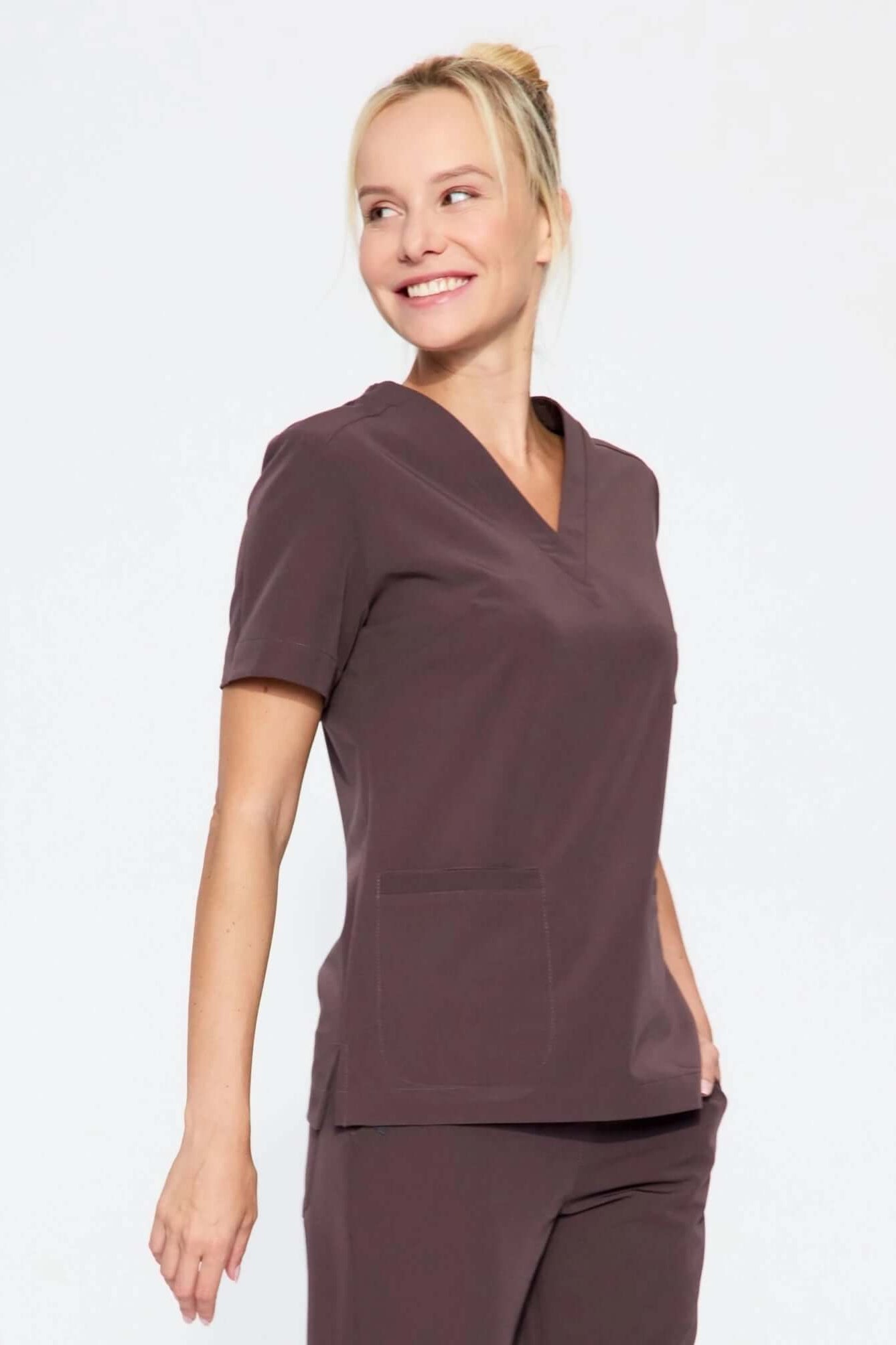
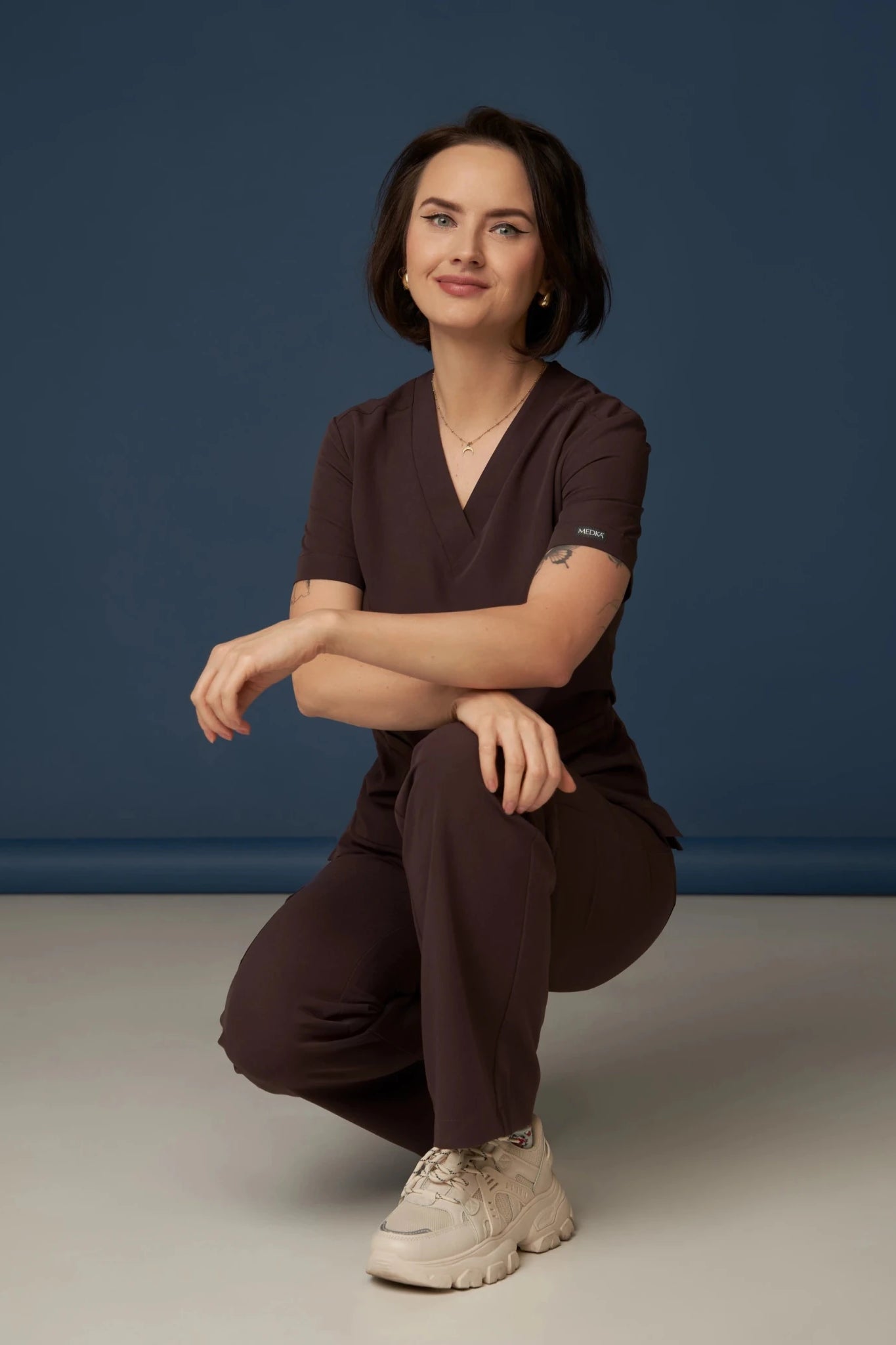
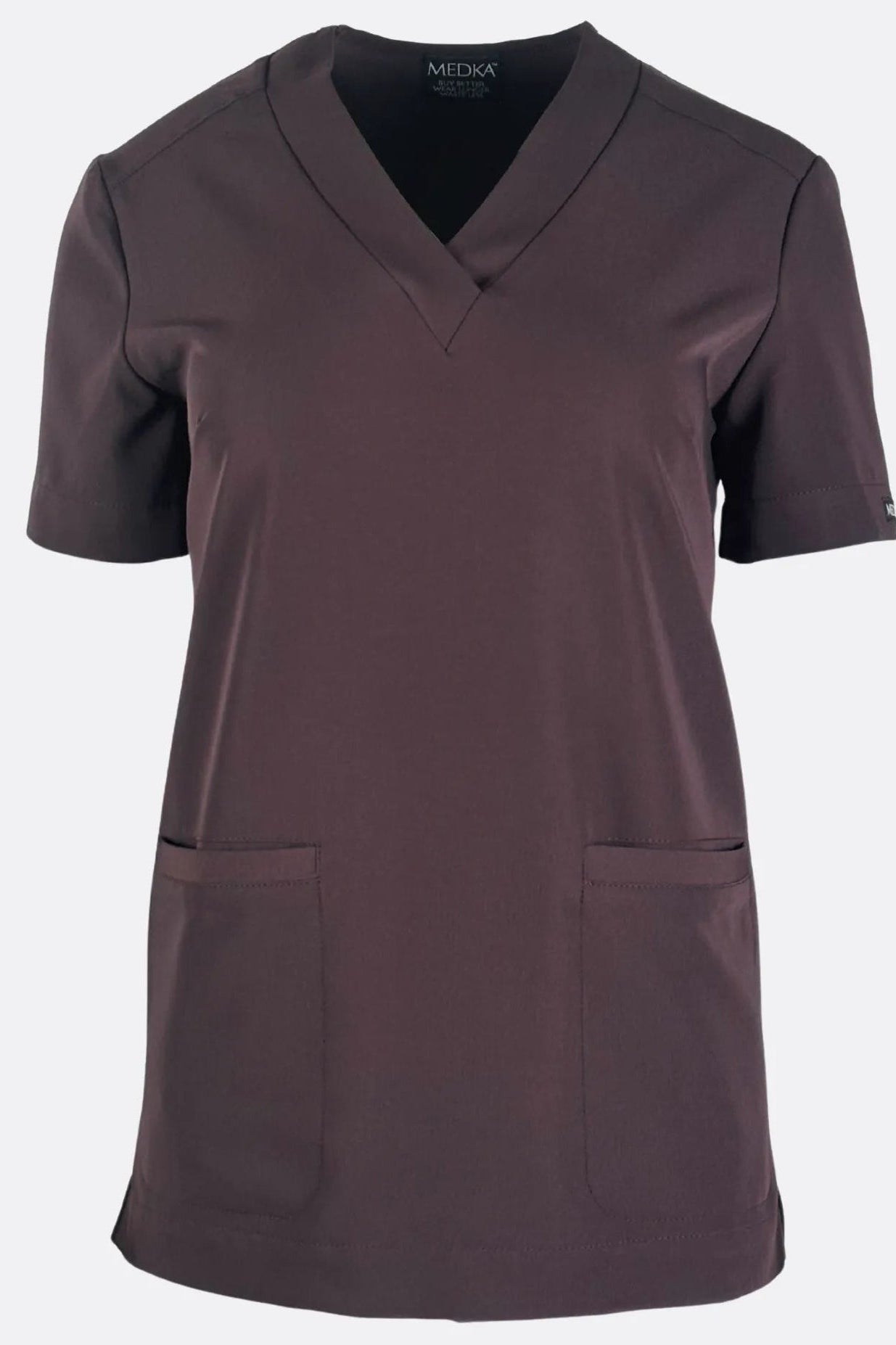
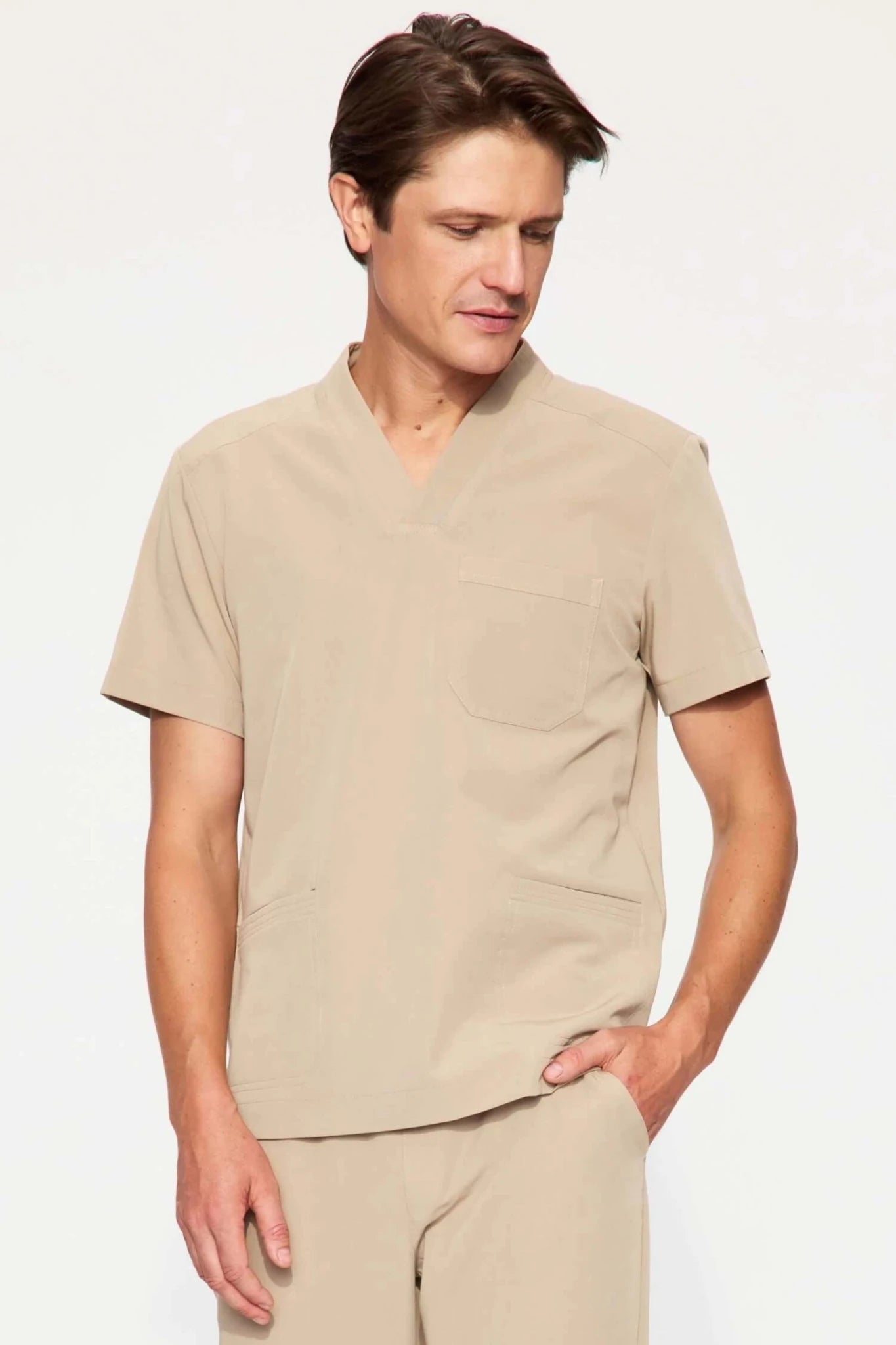
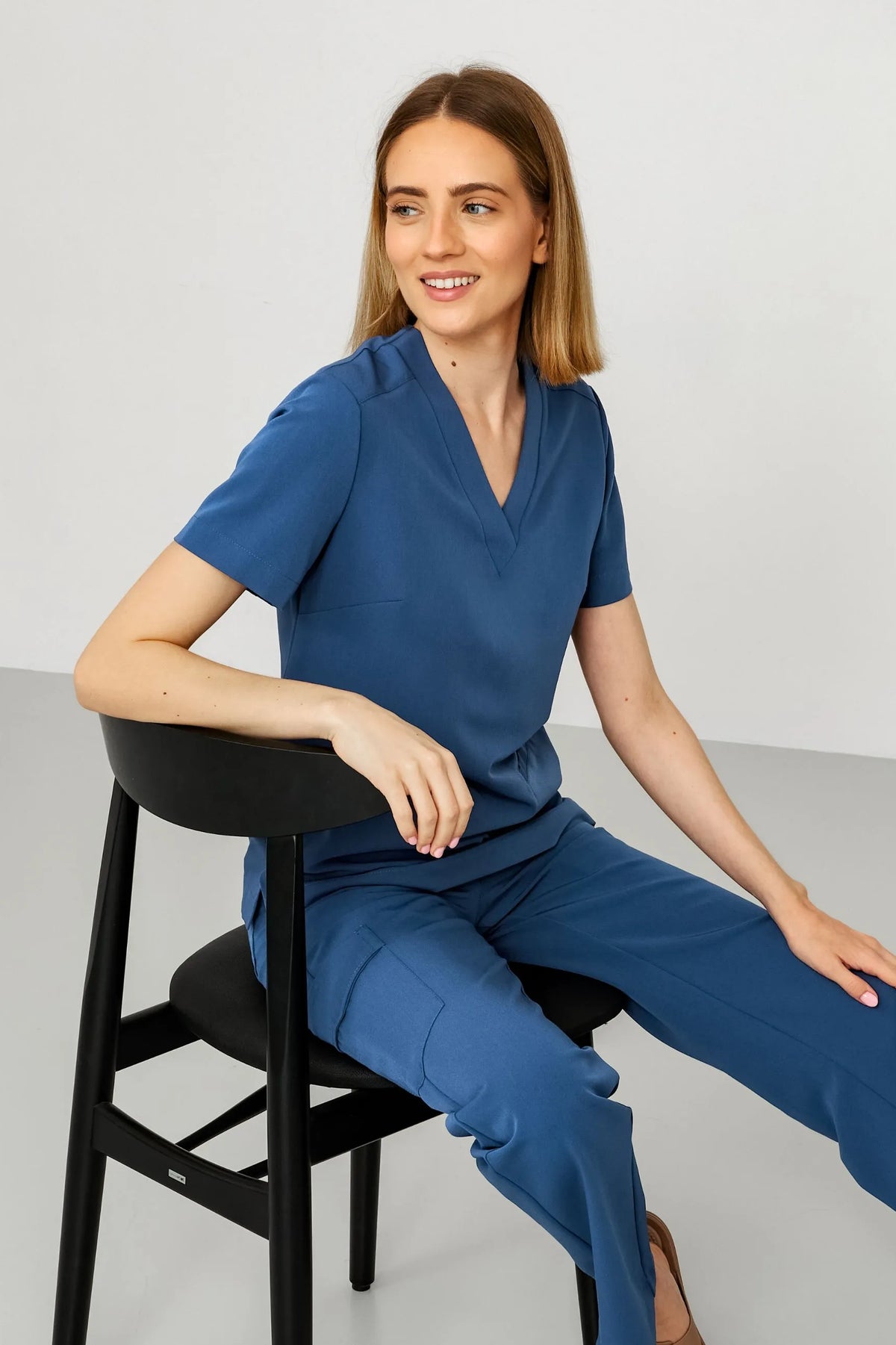
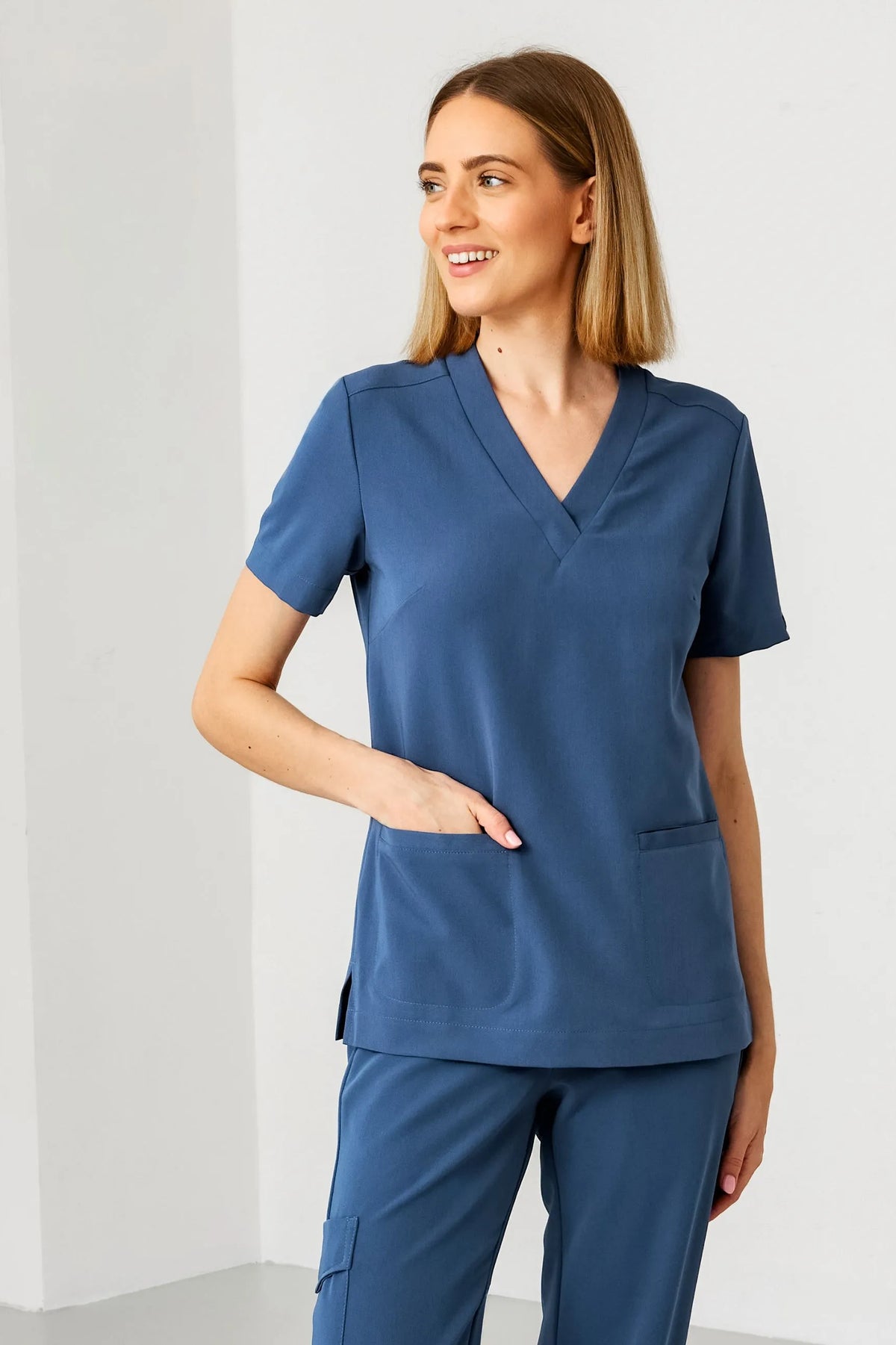
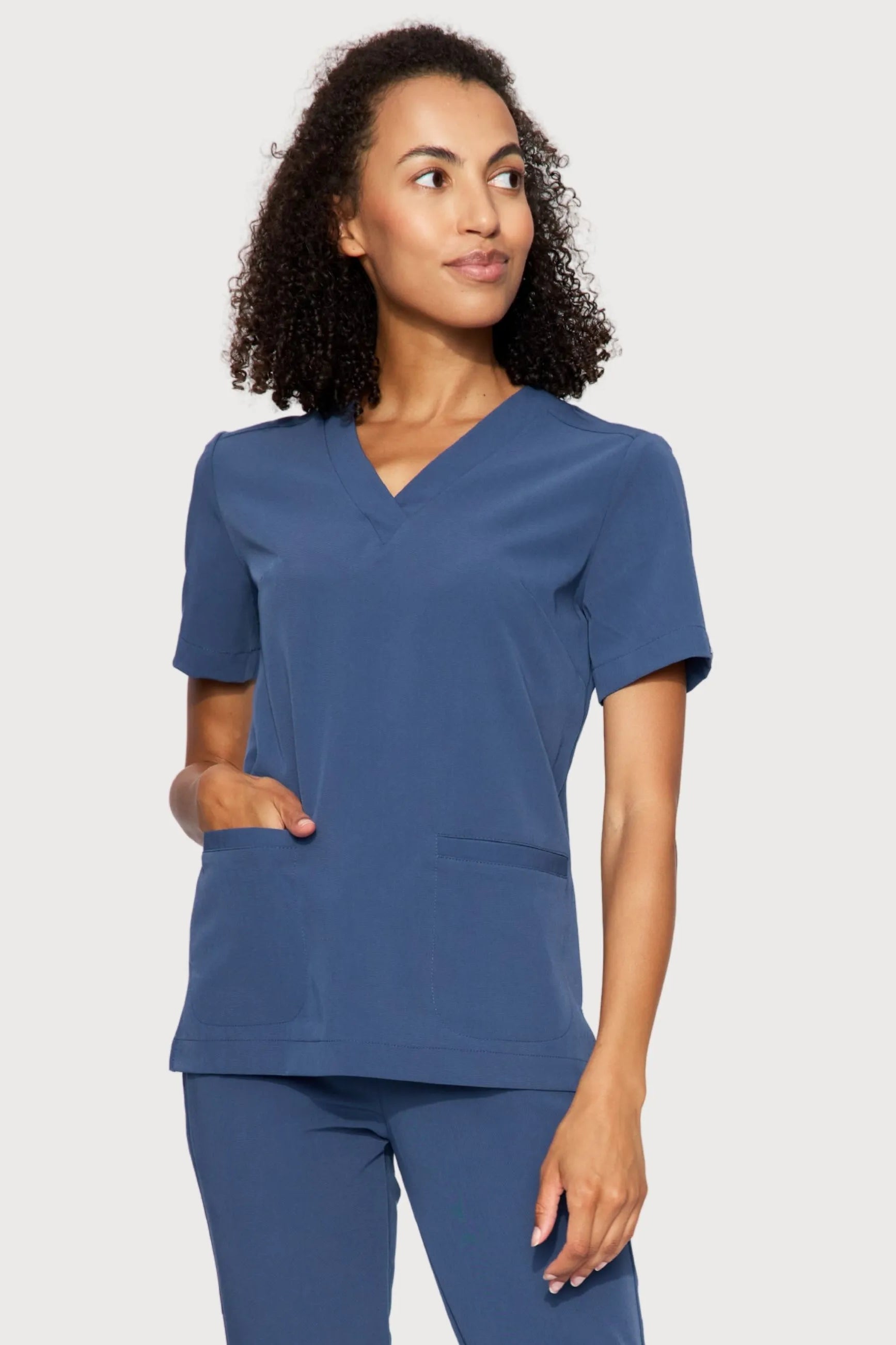
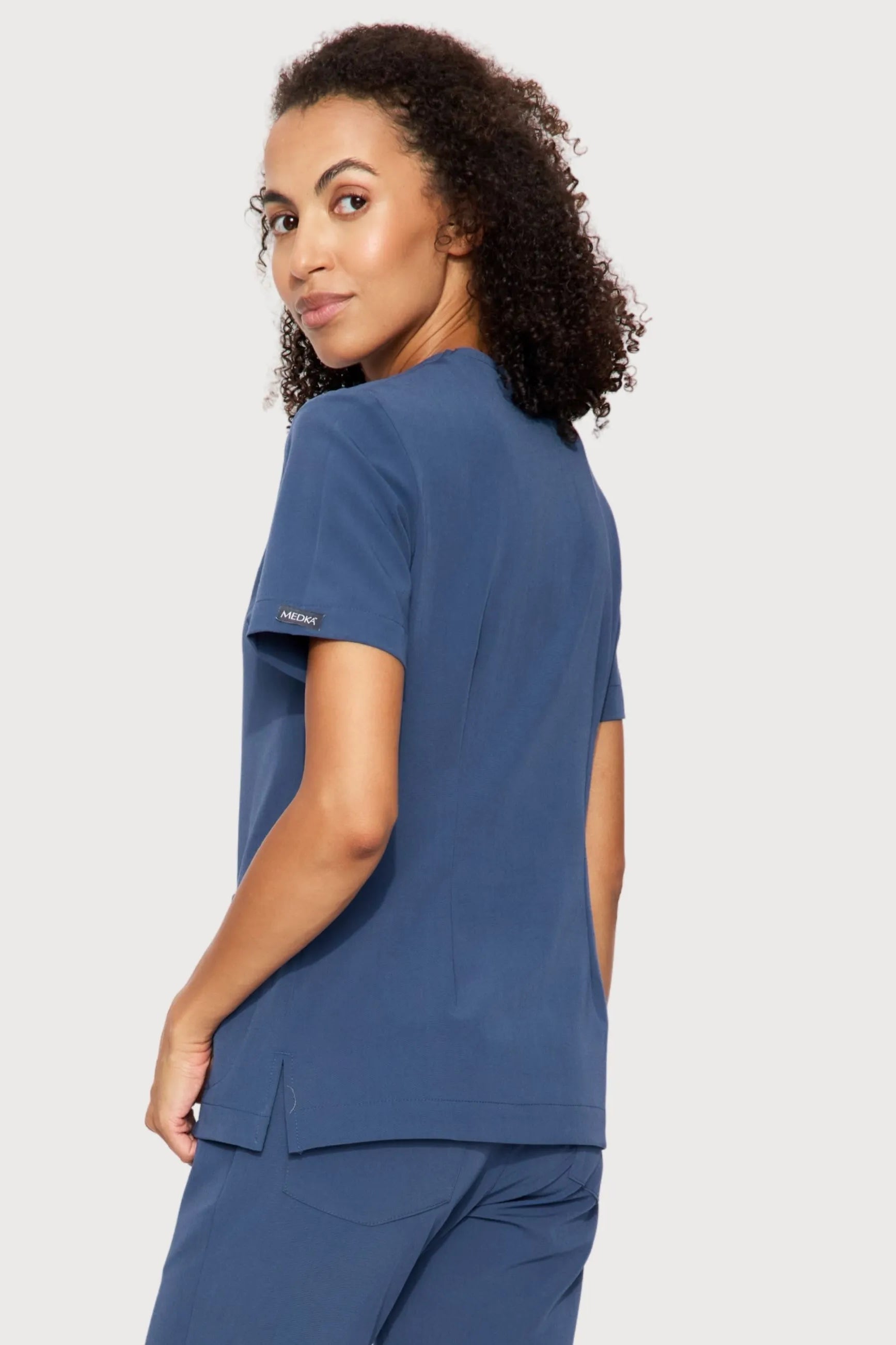
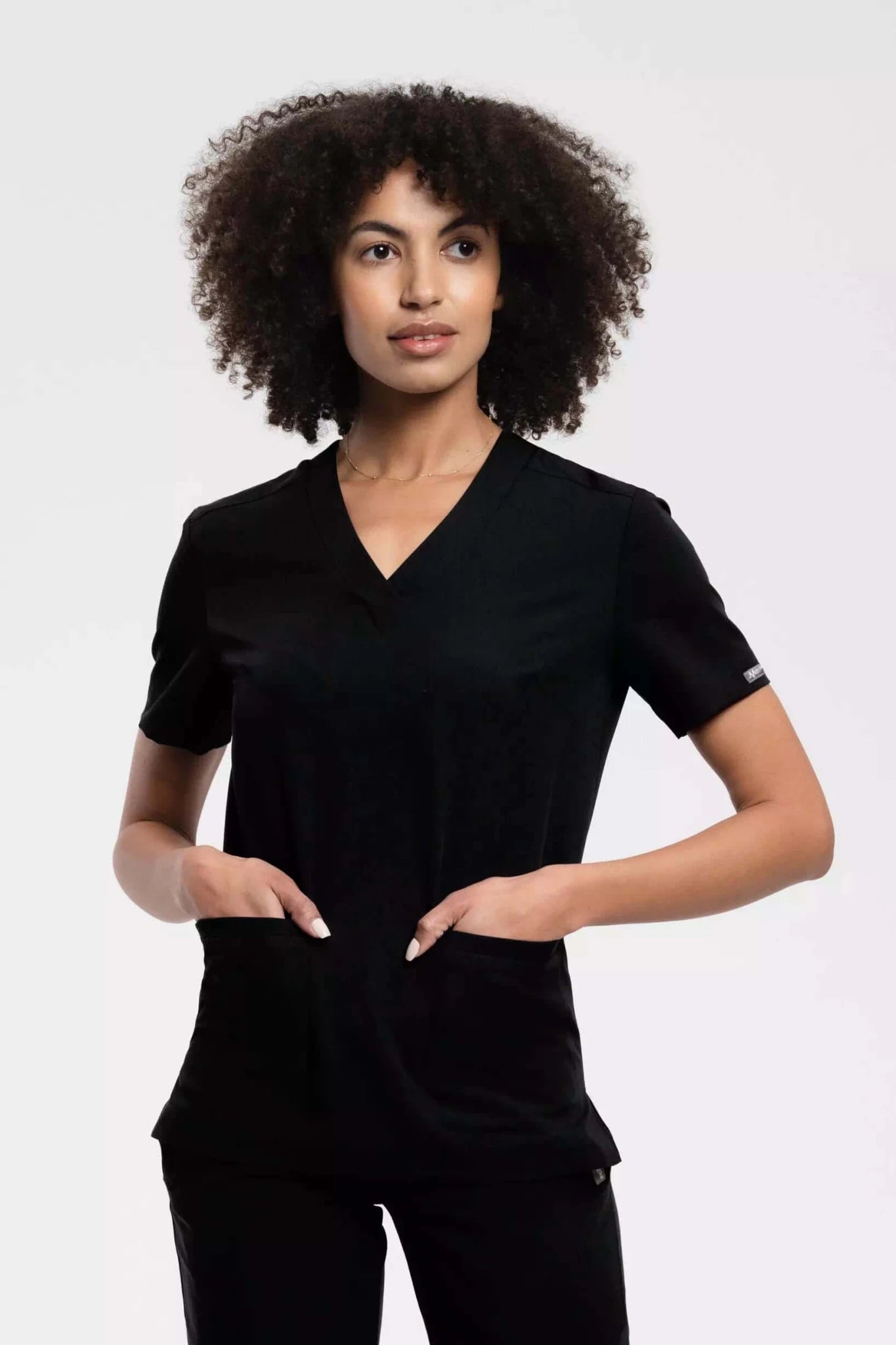
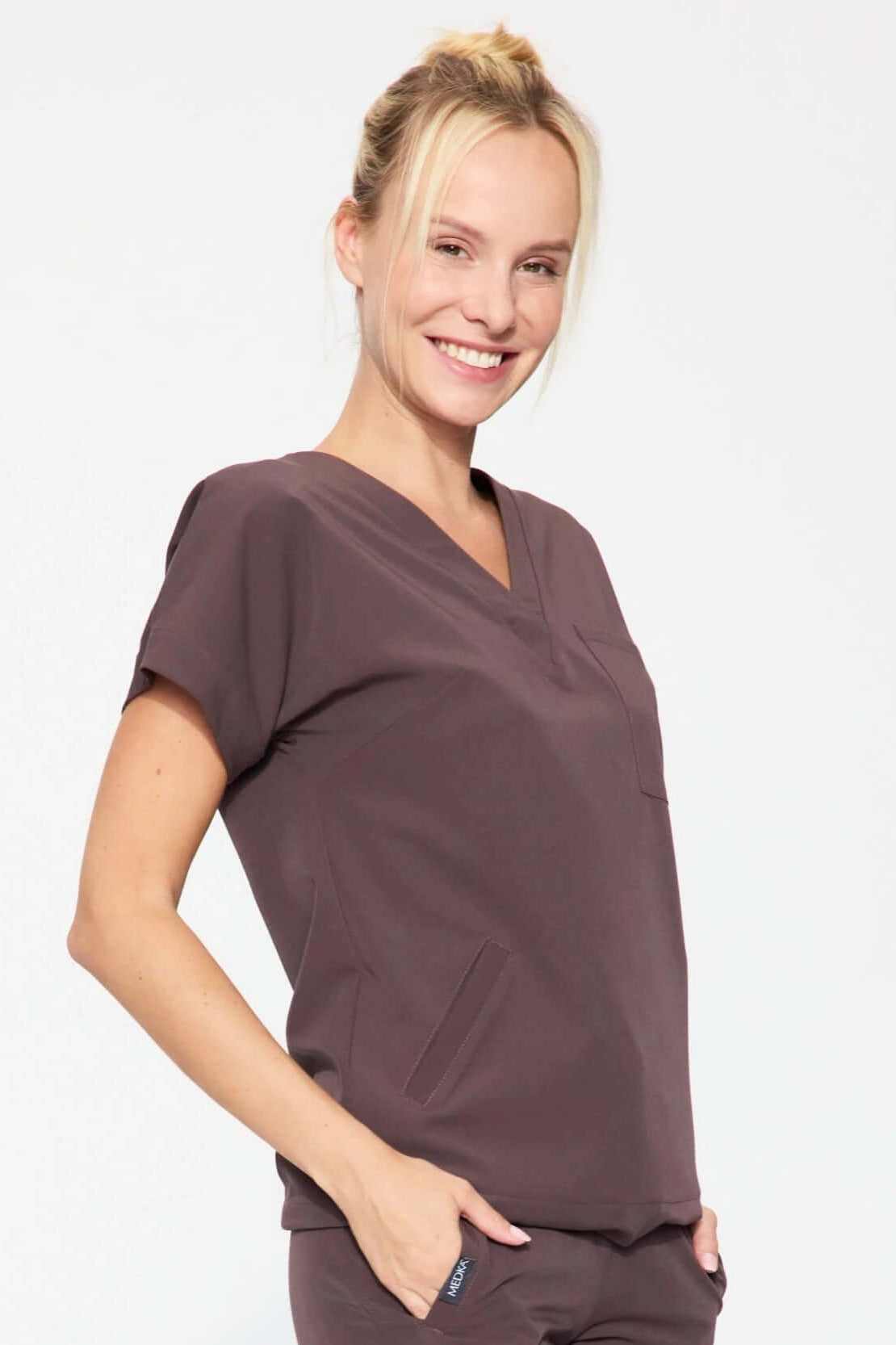
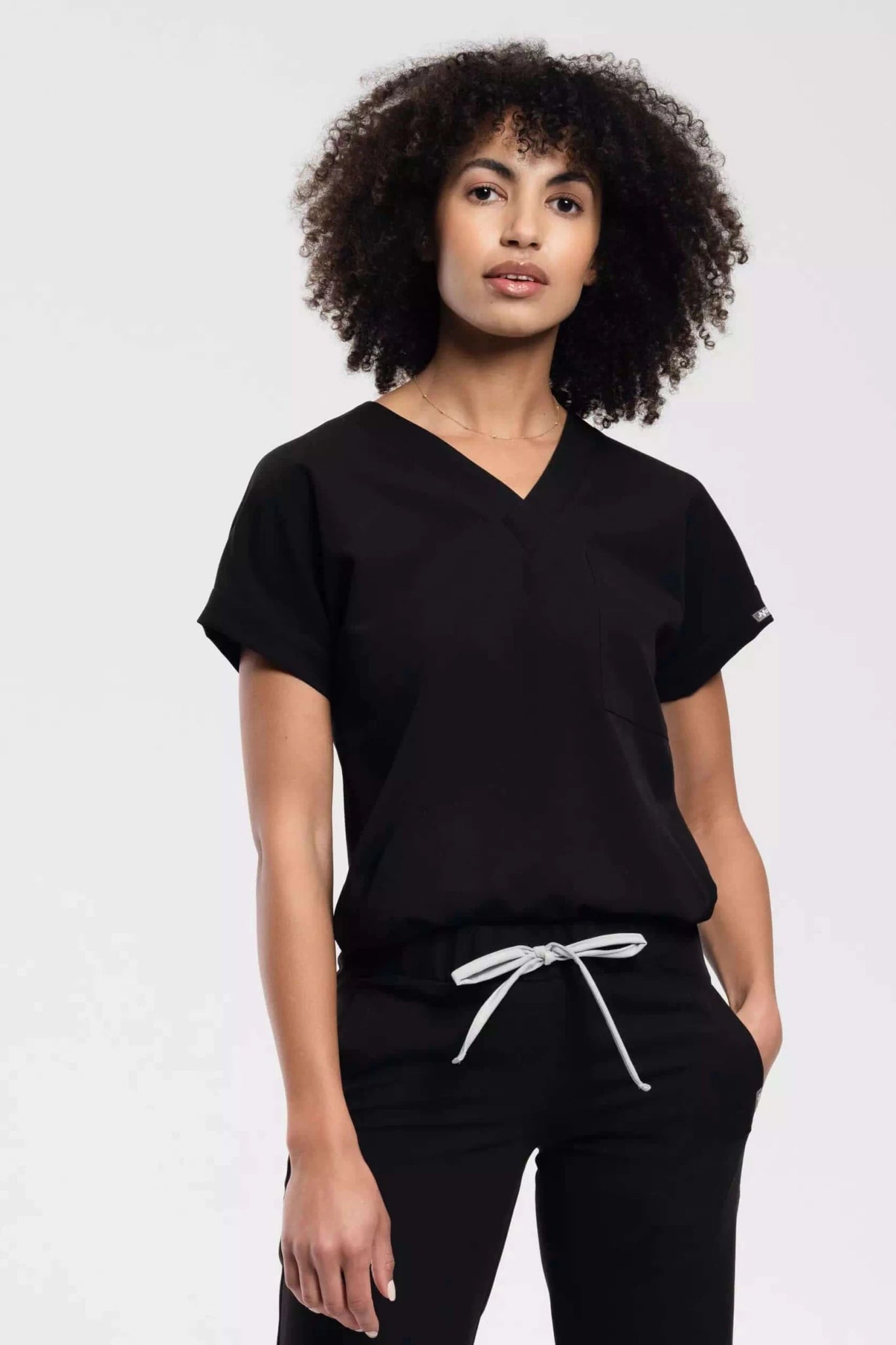
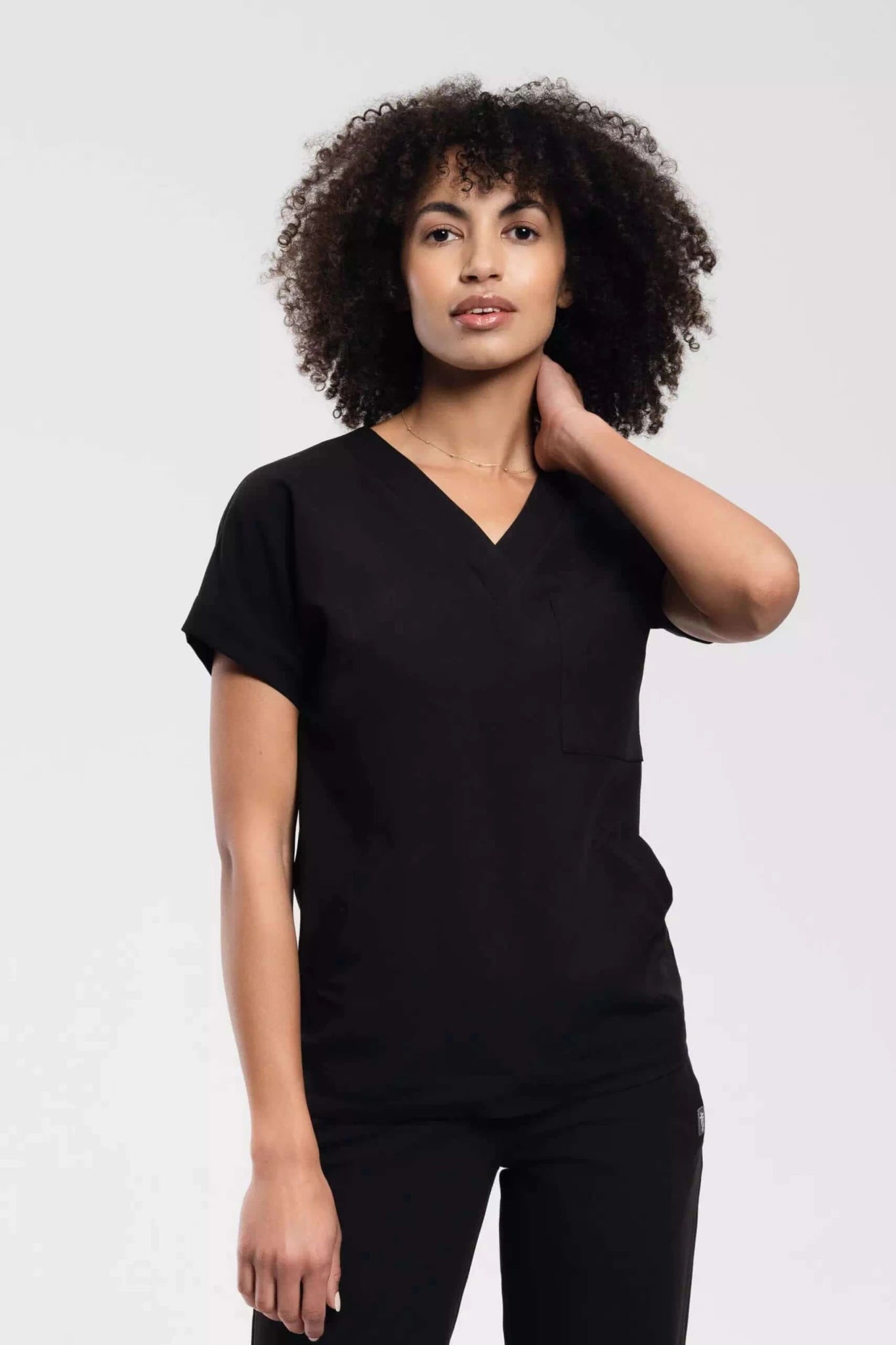
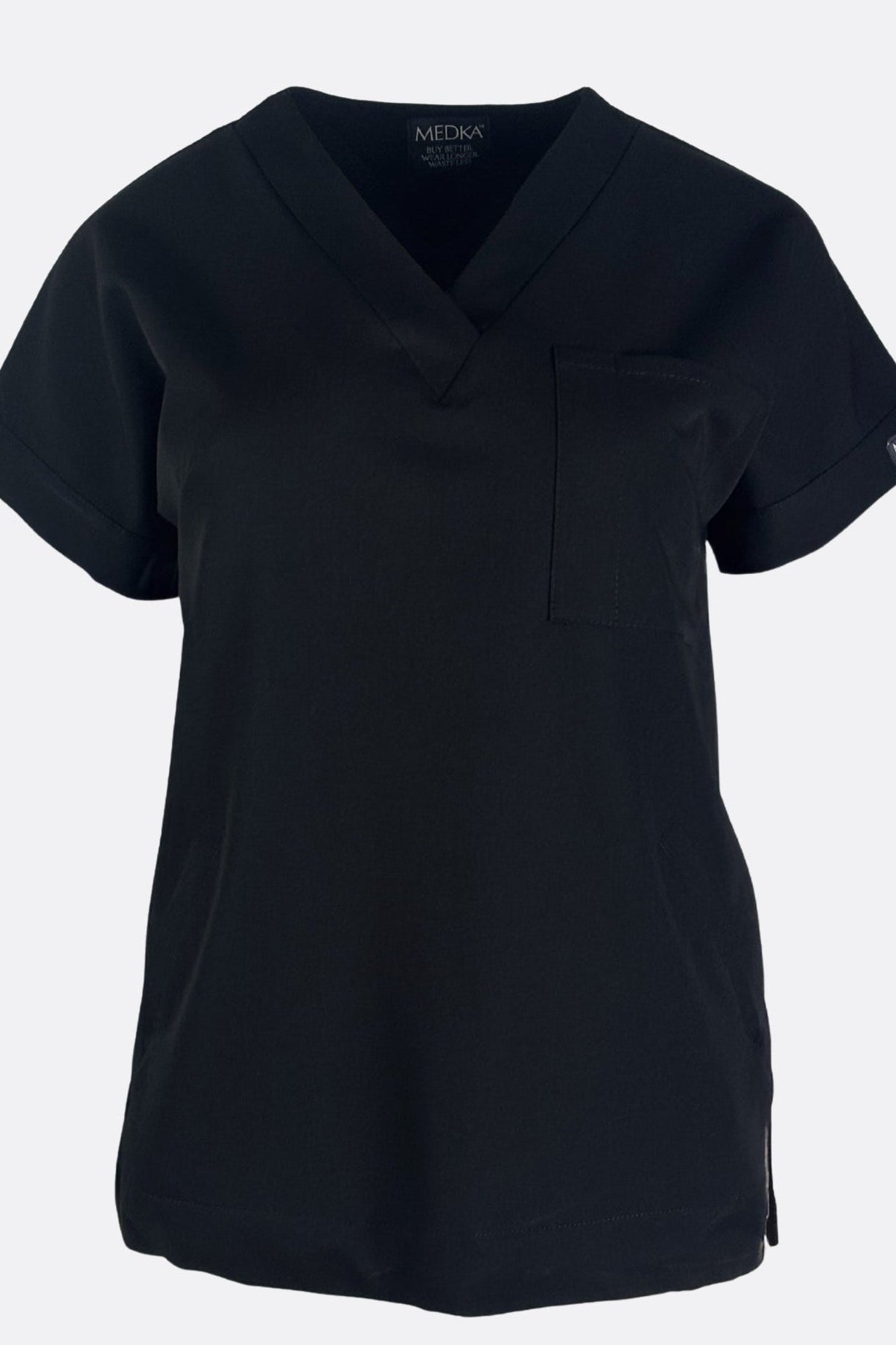
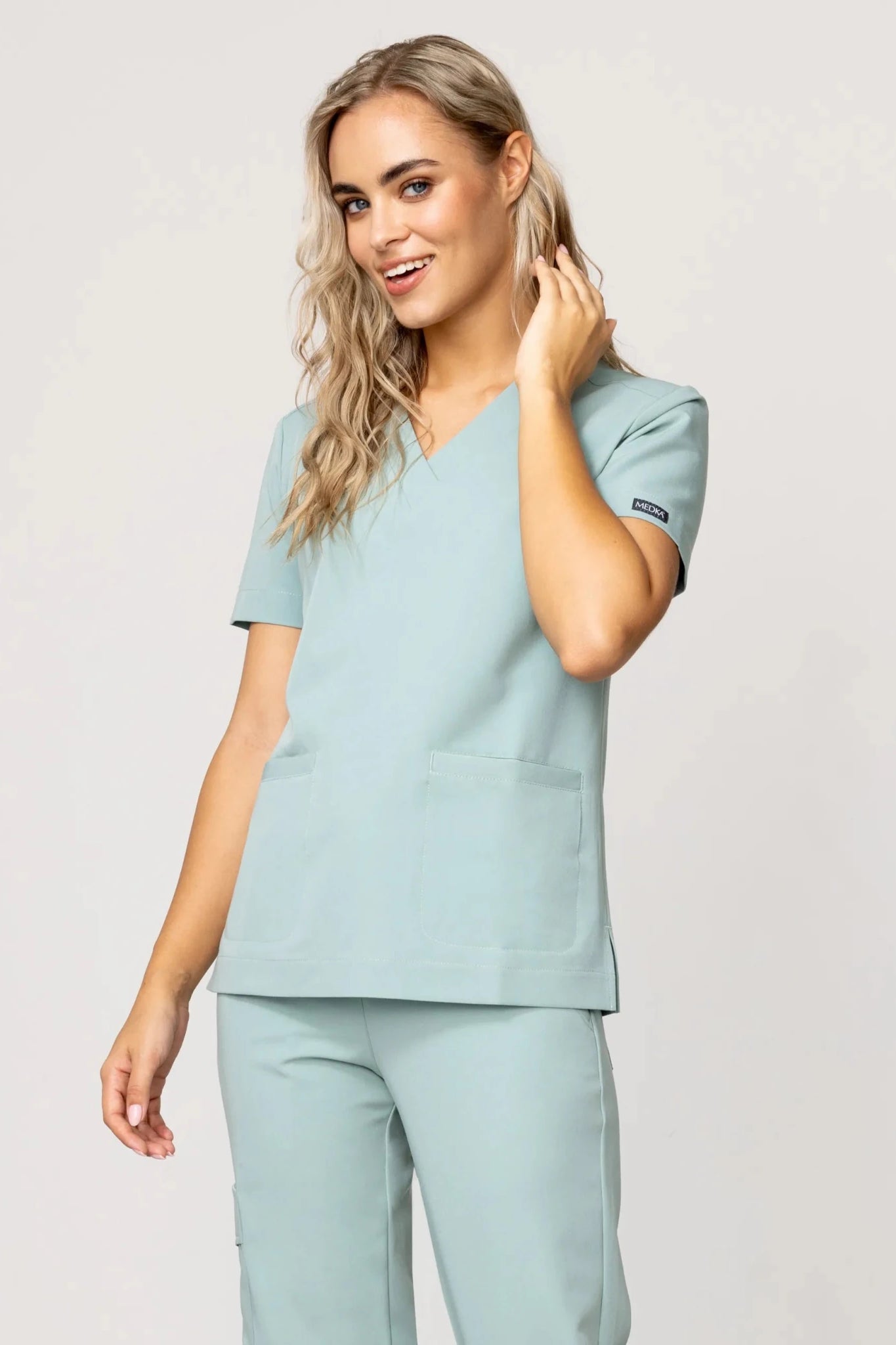
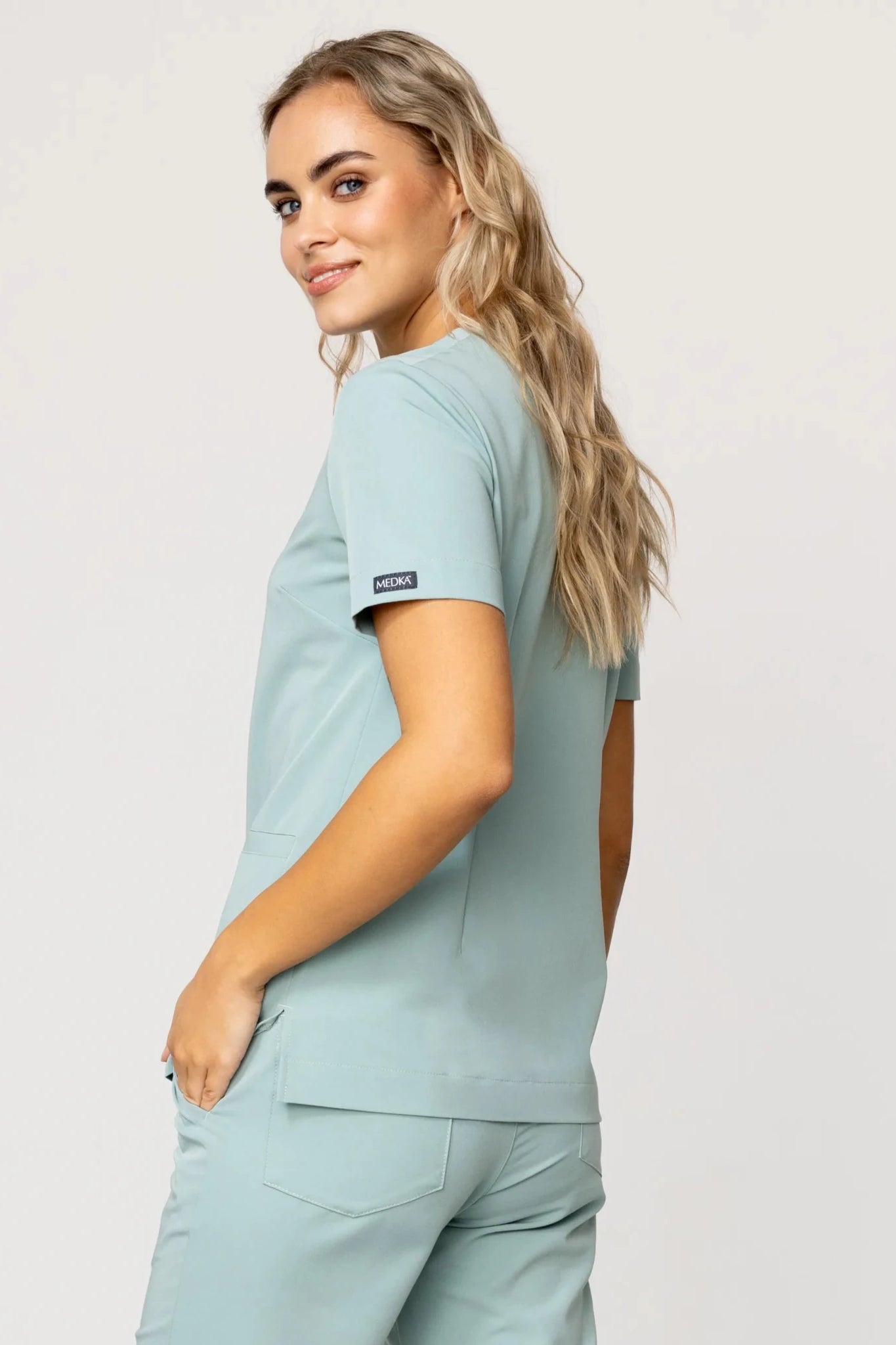
The basis is medical clothing, however, in most facilities, the employee receives a limited assignment and it quickly turns out that for shift work and high-temperature washing, you need your own sets. The selection criteria here are very practical. The fabric must withstand frequent washing at disinfecting temperatures without losing its cut and color, because a set that changes size after the twentieth wash is simply wasted money. The cut must allow you to crouch, reach up and lift the patient, so too tight pants or a restrictive sweatshirt will take your revenge mid-shift. Pockets determine convenience more than anything else: scissors, a pen, a phone, tape, a notebook with a to-do list and a transparent ID card pocket are standard equipment that must have their place.
Footwear is a separate issue. Twelve hours on your feet on a hard floor requires shoes with shock absorption, non-slip soles and a closed front, because spilled liquid and a dropped ampoule are a matter of time. The size is chosen wisely, because the feet at the end of the shift are noticeably larger than at the beginning.
Polish stores that meet these requirements include medka.eu, a brand that designs and produces medical clothing in Poland, with an assortment including women's medical sets, sweatshirts, pants, aprons, medical dresses, medical tunics, medical t-shirts i medical footwear .The offer includes both classic, subdued colors, useful where the facility imposes the colors of its departments, as well as stronger colors suitable for pediatrics or private offices. The store offers free delivery over PLN 450 and gives you a 60-day return policy, which is very important when ordering online, because the cut is assessed honestly only after a complete change, and not after trying it on in the mirror.
Apart from clothes, there are useful things that no one warns about: a second pair of socks in the cupboard, your own scissors marked with your name, a water bottle that fits into your apron pocket, and a hand cream with a high fat content, because after a dozen or so disinfections a day, the skin begins to crack already in the first month. None of these things are a substitute for competence, but a job where you spend twelve hours on the move rewards attention to detail more than most others.
Summary
Entry to the profession is short and clear: a high school leaving examination, three years of bachelor's studies with 4,720 hours of classes, a diploma examination with a practical part, an application for the right to practice the profession to the regional chamber. It usually takes a few weeks from graduation to the first paycheck, and employment is virtually guaranteed.
What happens next requires conscious planning from the first year of work. The grade depends on the qualifications required for the position, not on the diplomas in the portfolio, so the content of the organizational regulations should be checked before signing the contract. Specialization requires two years of work within the last five, so it realistically starts in the third year of the profession and is planned earlier. Prescription eligibility consists of two independent elements, education and the relevant course component, and neither works without the other. From 2026, there is an obligation to collect 100 educational points in a five-year settlement period, which for people entering the profession is counted from the date of entry in the register.
The biggest unknown remains the draft of the new profession act from May 2026, which announces the expansion of independent competences and the introduction of advancement levels related to wages. If it comes into force in its planned form, the advantage of people with master's degrees and specializations will increase significantly. Anyone who starts studies now should assume that they will graduate in a profession with broader qualifications and higher requirements at the same time.
Legal status and figures: August 2026. Since the regulations on remuneration, postgraduate education and the profession itself are changing, it is worth checking the current announcements from NIPiP, CKPPiP and the Ministry of Health before making a decision.
Frequently asked questions
Below are short answers to the questions that most often arise when planning this path. They concern formalities, costs and unusual situations that are difficult to ask about in the dean's office.
Is the diploma of a Polish nurse recognized in the European Union?
Yes. The qualifications of a nurse responsible for general care are covered by the automatic recognition system in European Union countries, which means that the host country does not review the study program from scratch. The procedure requires a certificate of qualifications issued by the regional chamber of nurses and midwives and a certificate of professional work. Another issue is the requirement to know the language, which each country determines independently.
Is it possible to study nursing without advanced biology at the high school leaving exam?
At some universities, yes, because the rules for converting results are established by each of them independently, and some allow biology at the basic level or other science subjects. In practice, a candidate without advanced biology starts with a lower score and actually competes for places in smaller centers. The list of subjects and weights is published by the recruitment guide of a specific university for a given year.
Is it possible to work while studying nursing?
It is possible, but with limitations that do not exist in most majors. Professional internships and practical classes take place during the opening hours of the institutions and take up 2,300 hours during the studies, so full-time employment is in practice incompatible with the program. Students most often work part-time on weekends, and from the third year onwards, they are sometimes employed in medical facilities in positions that do not require a license to practice their profession, which is a natural introduction to later work in the same place.
What is the difference between a nurse and a medical caregiver?
The scope of powers and the path of education. A medical caregiver graduates from post-secondary school and performs care activities as well as selected hygiene and care activities, but does not have the right to administer medications to the full extent or provide services reserved for nurses. It is a separate medical profession, not a lower rung of the same path, and moving from one to the other requires completing nursing studies from the beginning.
How much do nursing studies cost?
Full-time studies at public universities are free of charge, and since nursing is mainly conducted in this mode, for most students the main costs are living expenses, travel and clothing for internships. Some hospitals and local governments offer scholarships in exchange for a commitment to work at a given facility for a certain period of time after graduation, and the terms of such programs vary enough that they need to be checked locally.
Can a man do this job?
Yes, the regulations use the terms "nurse" and "nurse" and the requirements are identical regardless of gender. Men constitute a small percentage of the staff, but they are clearly more numerous in emergency departments, intensive care, psychiatry and anesthesiology teams, i.e. where the physical load and work in emergency conditions are greatest.
What to do if you want to return to your profession after a break of several years?
If the break exceeds five years in the last six years, you must notify the appropriate district council of nurses and midwives and undergo training of no longer than six months before taking up work. For a shorter break, no additional formalities are necessary as long as the license to practice the profession remains valid and the membership fees have been paid.
See alsoż: