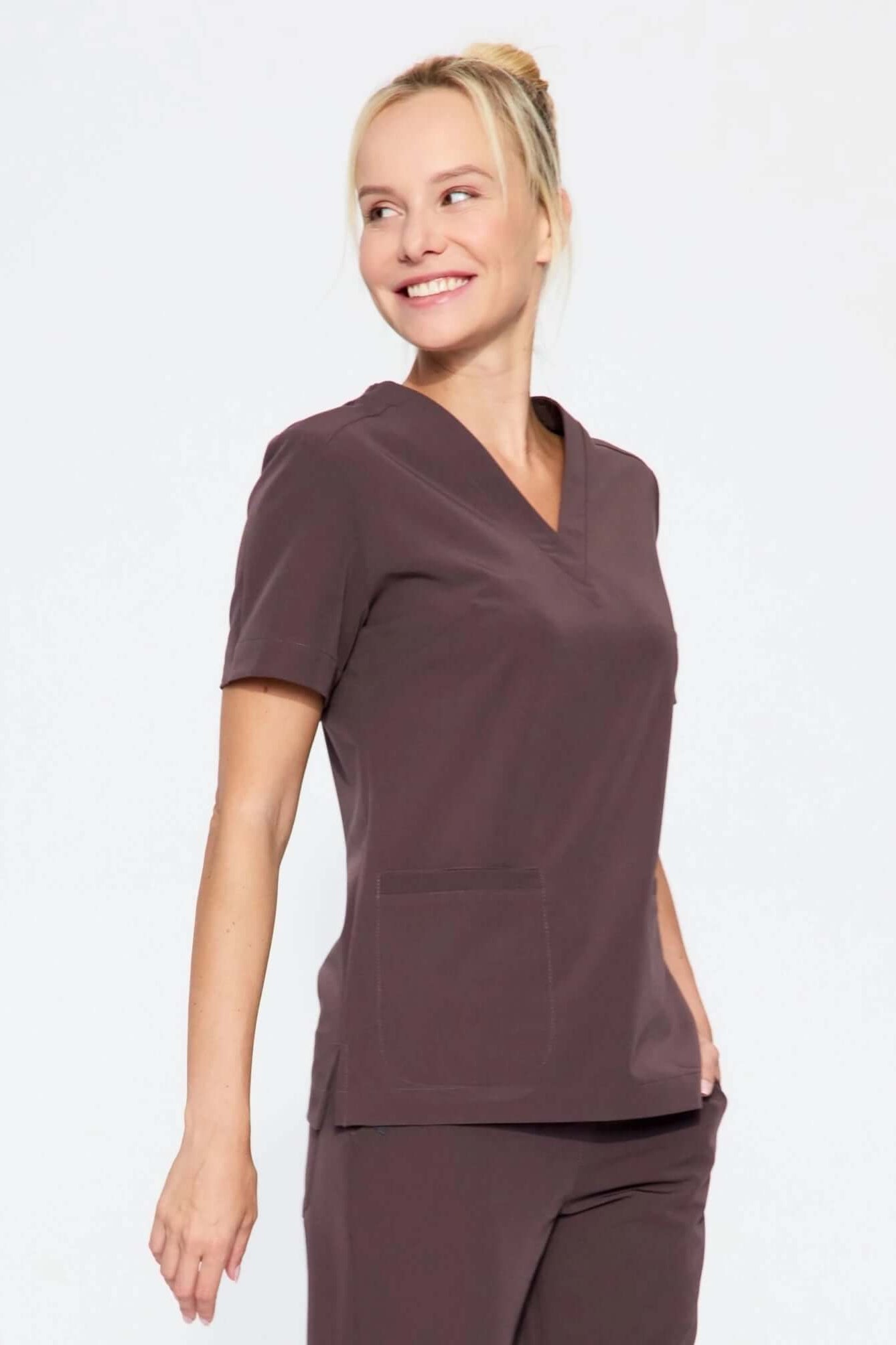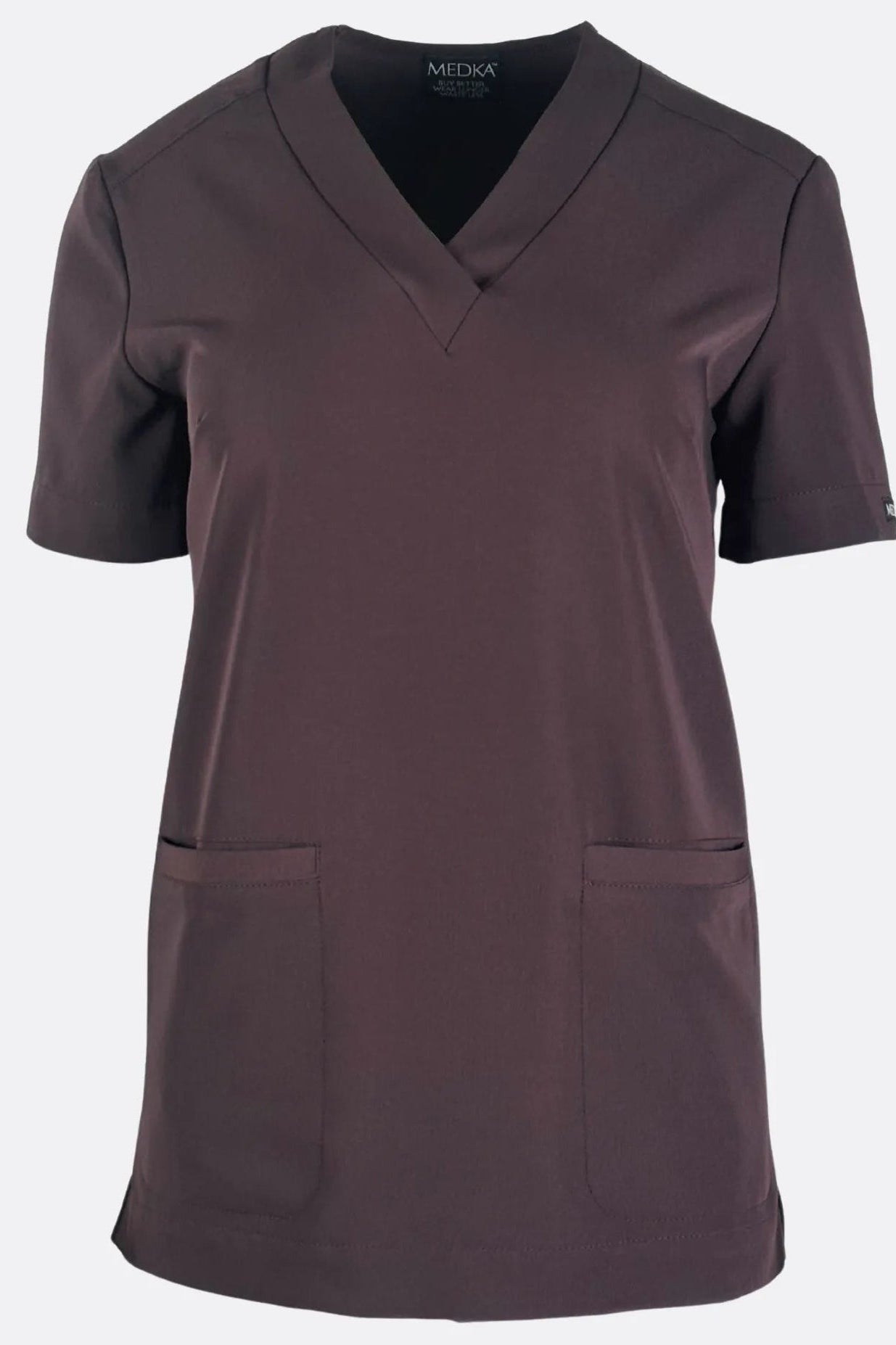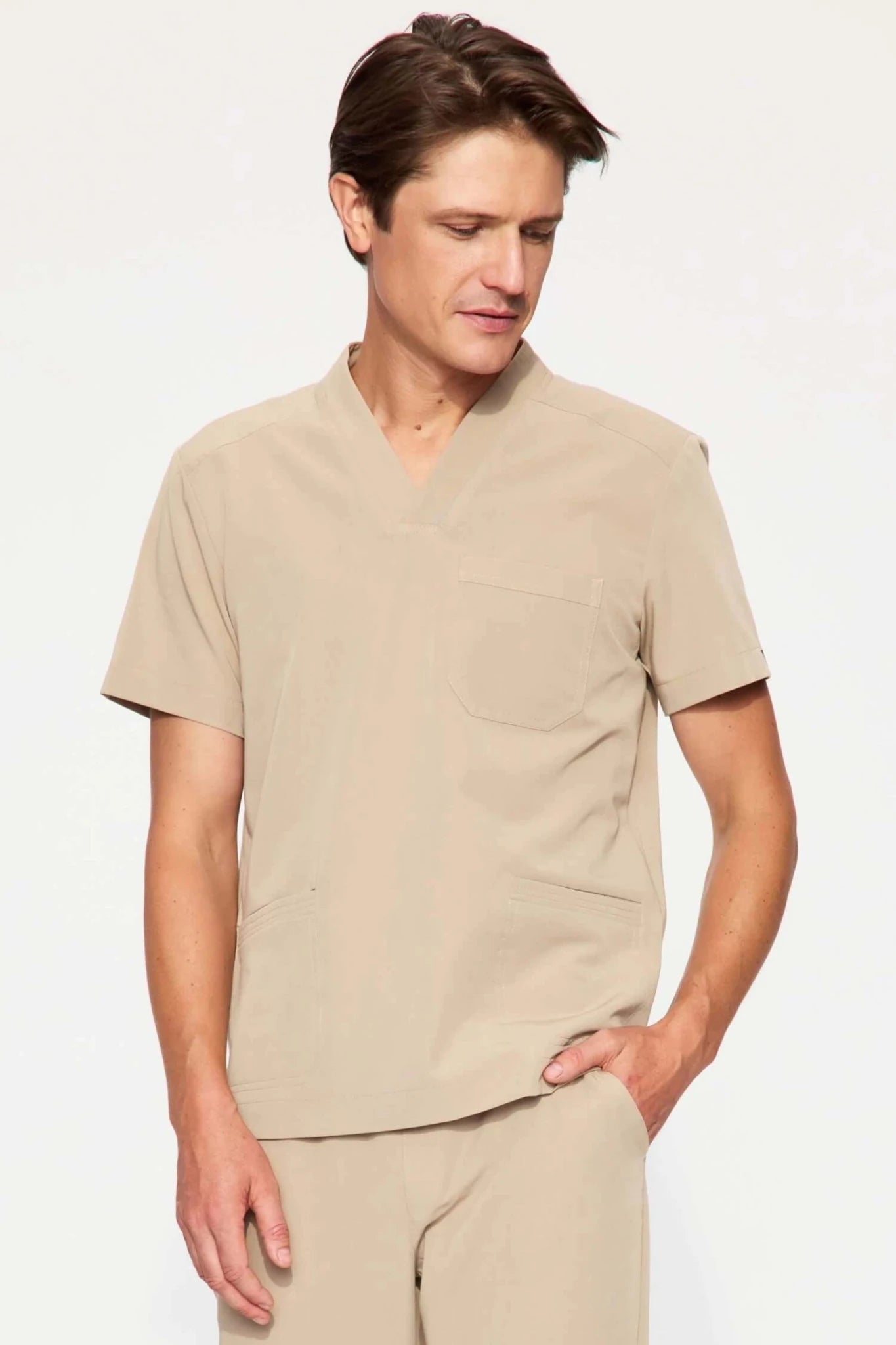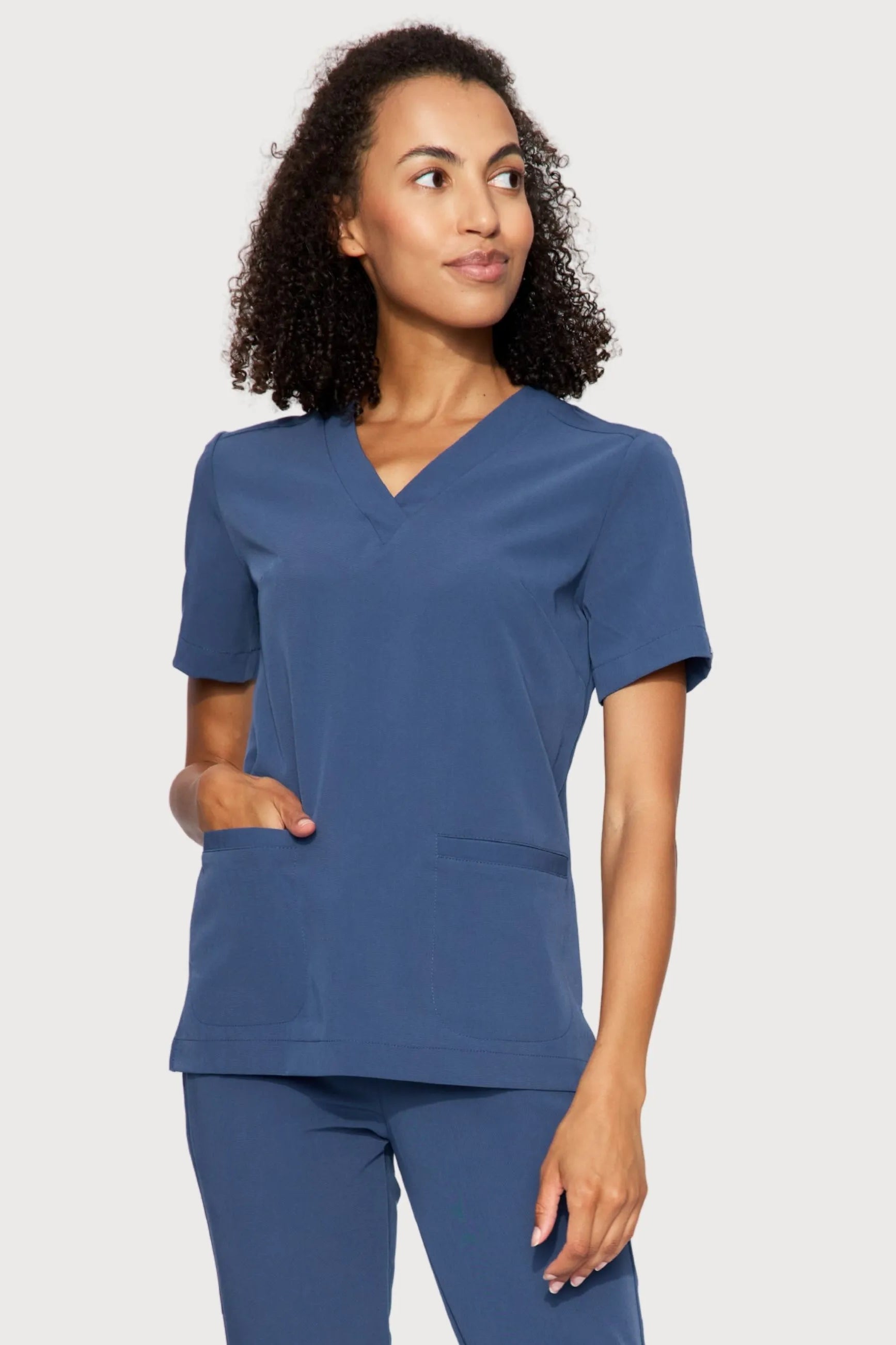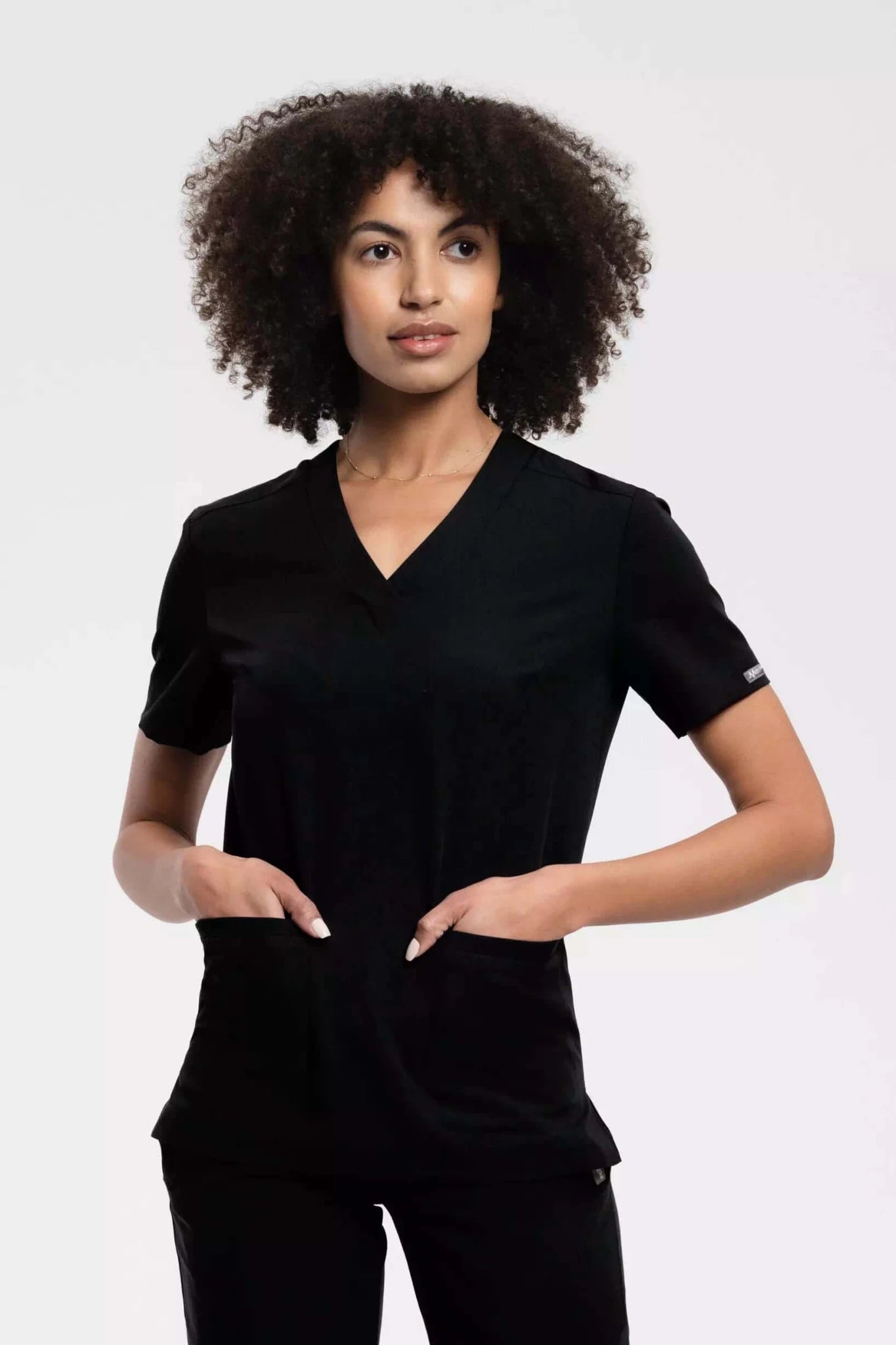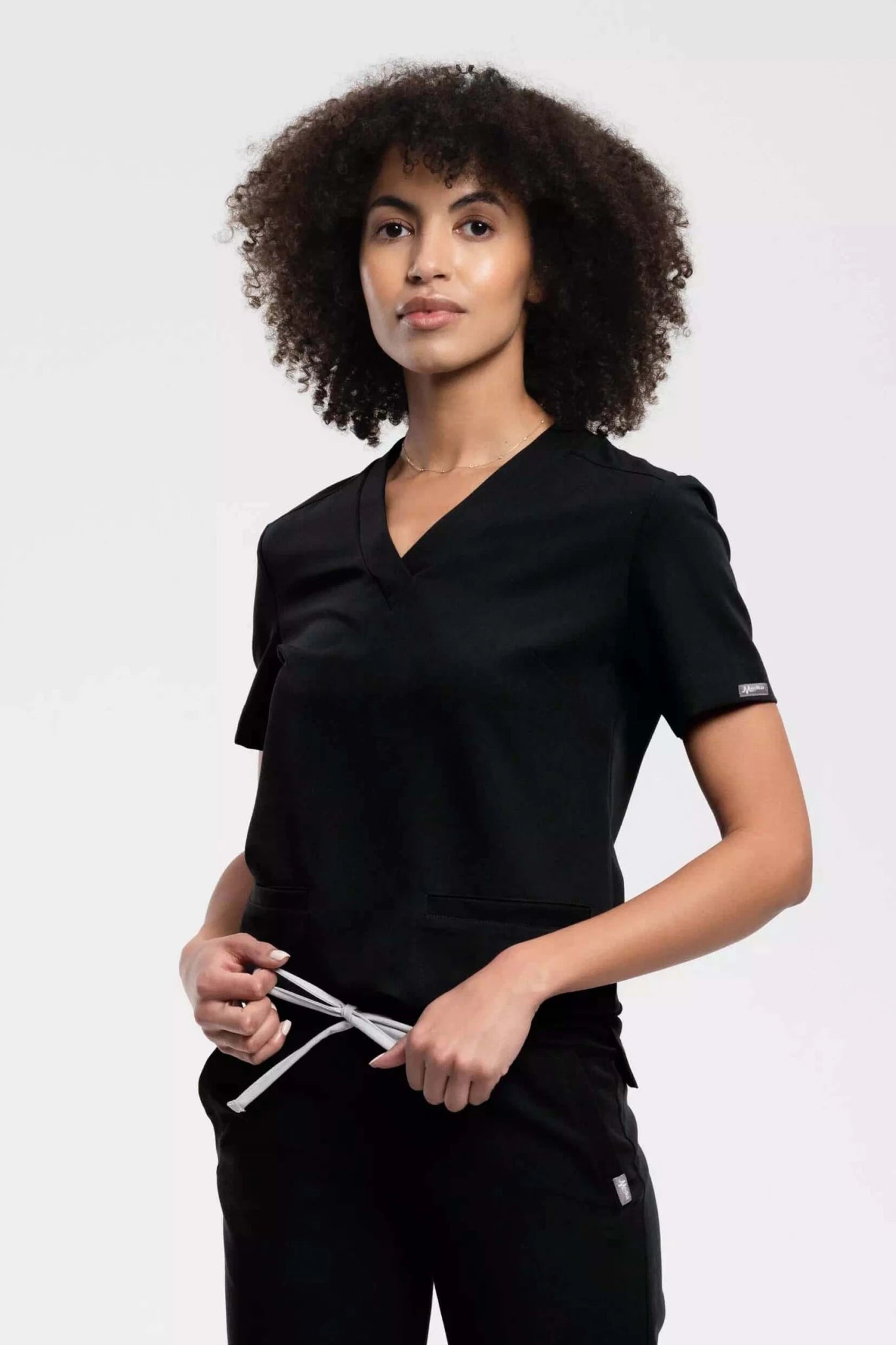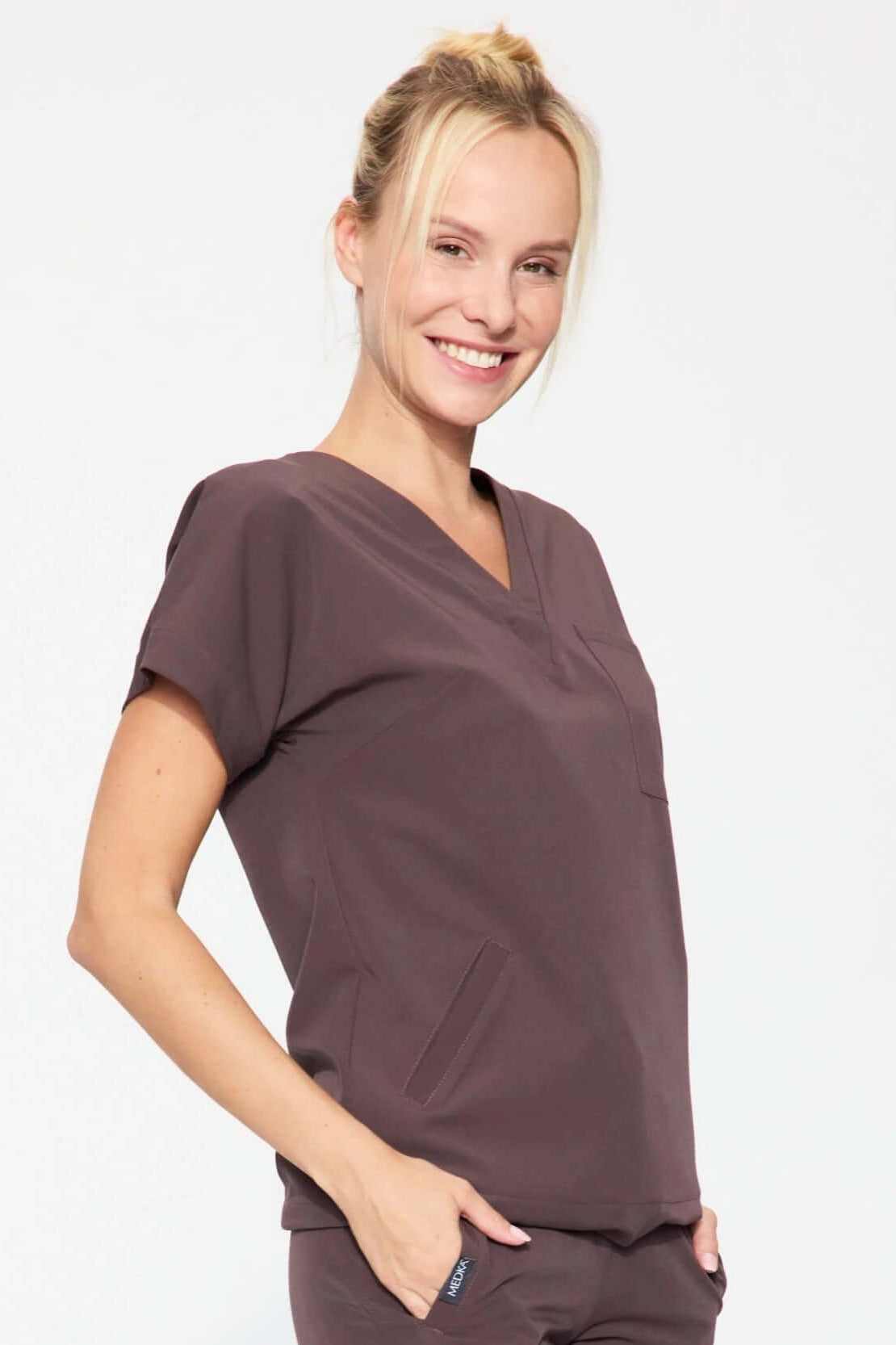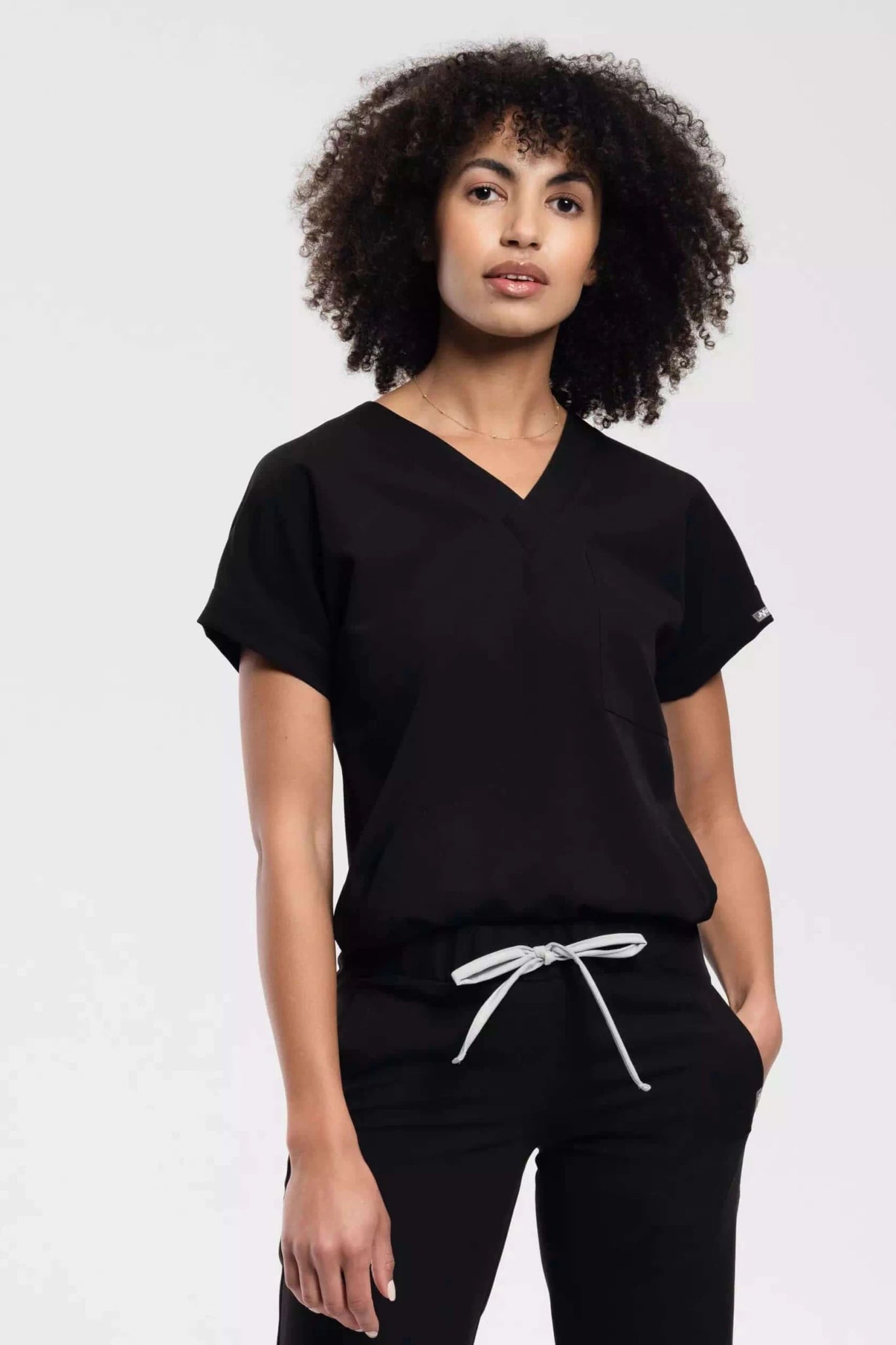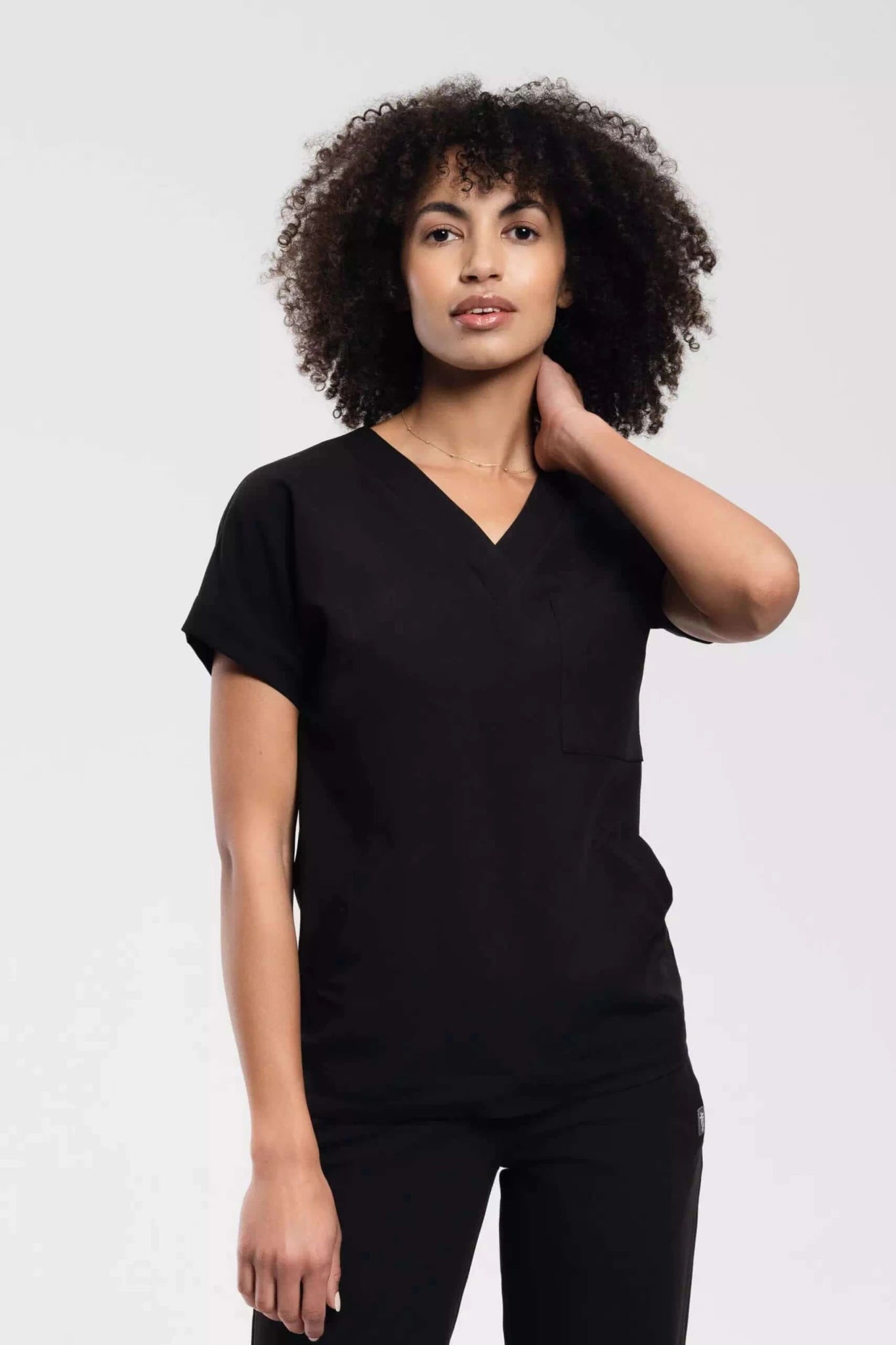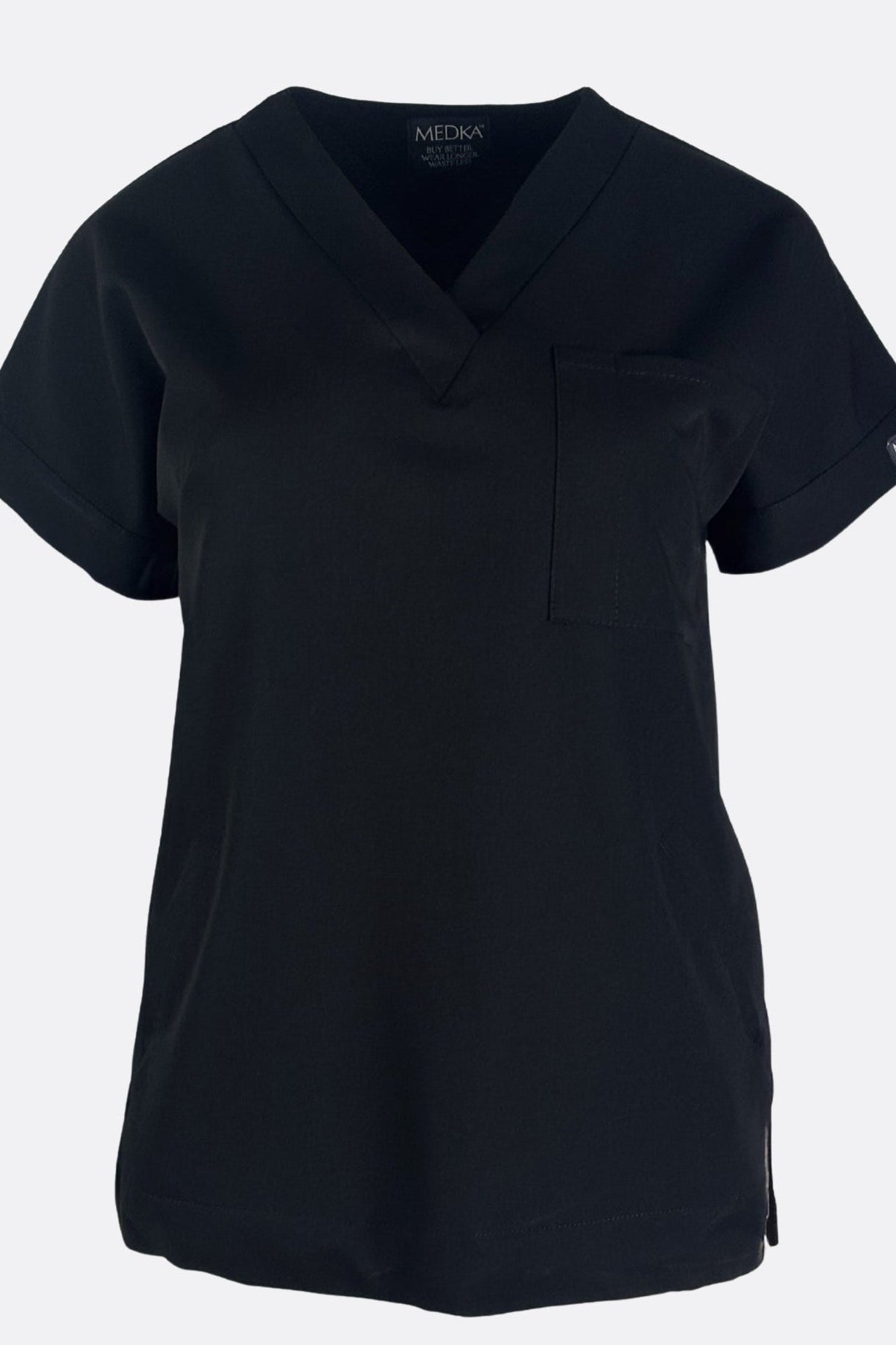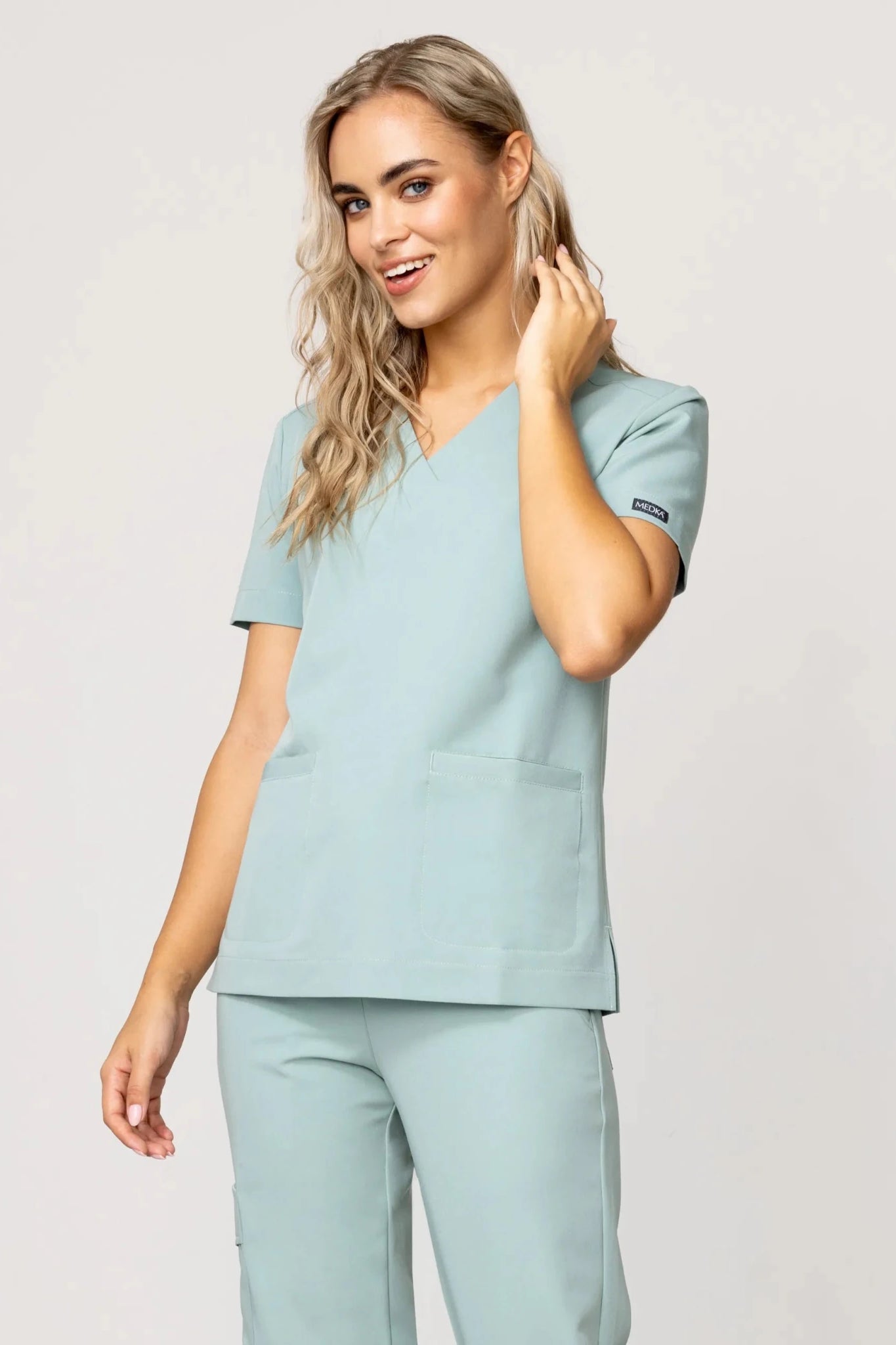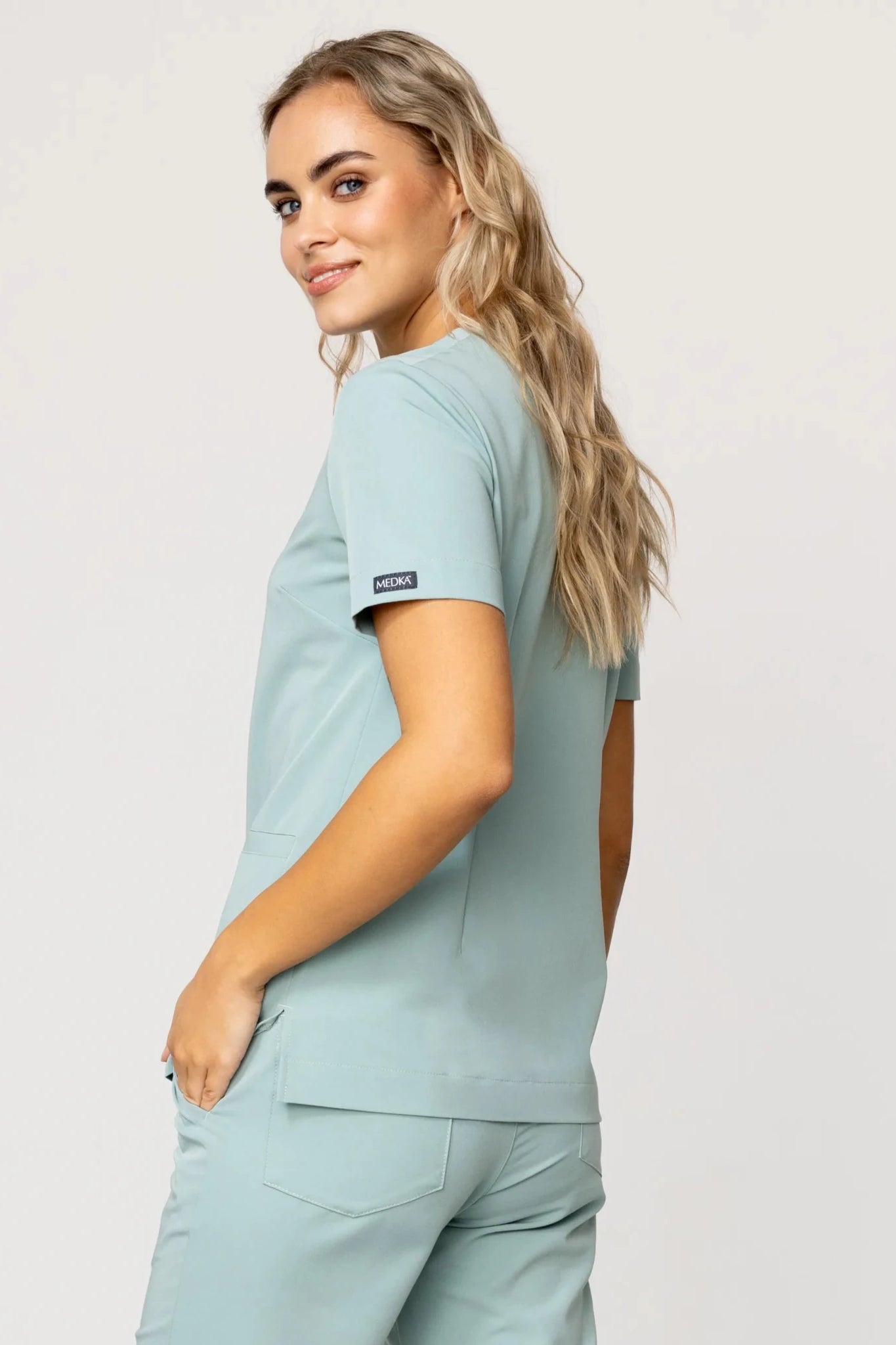





Cleanliness in medicine is not limited to sterile instruments and disinfected surfaces; the impeccability of medical clothing is equally important. This seemingly simple piece of medical clothing is crucial not only for the image of a professional, but above all for safety and hygiene in the work environment. At a time when the risk of transmitting infections is higher than ever, proper washing and disinfection of scrubs is essential to protect both patients and staff. In medical facilities, responsibility for this process often rests with the employer, but what about smaller offices, beauty salons or spas, where professional clothing is also used? How to effectively remove bacteria, viruses and permanent stains from it at home, while maintaining its impeccable appearance and durability of the material? You will learn all this in our article - enjoy!
Basics of washing medical clothing
Proper washing of medical clothing is not only a matter of aesthetics, but above all health and safety. To effectively eliminate the threat of bacteria and viruses, it is crucial to follow certain rules and guidelines.
This is what every healthcare professional and people who do their own laundry do scrubs at home they should know.
Segregation and preparation for washing
The first step is to properly sort clothes. Due to potential contamination, scrubs should be washed separately from other household clothes and materials. Before placing it in the washing machine, it is necessary to carefully check the pocket, fasten all buttons and zippers, and, in the case of dark-colored clothes, turn it inside out. This process not only protects the fabric, but also prevents the spread of microorganisms.
Selecting the washing program and temperature
Washing medical clothing at home requires the use of long washing cycles, which more effectively remove stains and microorganisms from the fabric. It is recommended to use programs intended for heavily soiled clothes
using water temperatures from 40°C to 60°C (depending on the material), which contributes to better disinfection of the material. However, please remember the manufacturer's instructions regarding the maximum permissible washing temperature so as not to damage the fabric. It is also worth remembering to turn your clothes inside out before putting them in the washing machine.
Drying and ironing
After washing, it is equally important to properly dry and iron medical clothing. Drying outdoors is highly recommended, but it is not always possible at home. At home, you should avoid tumble dryers to avoid damaging the fabric.
Ironing scrubs is not only a matter of aesthetics - the high temperature of the iron helps further remove microorganisms, which is why a temperature of 100-150°C is recommended, depending on the type of material.
Remember, the procedure for washing medical clothing at home is not complicated, but it requires some knowledge and attention. By following the above rules, you can significantly contribute to improving hygiene standards in your workplace and at home. This is a simple, yet crucial element of caring for your own safety and that of the people you work with.
Means for disinfecting medical clothing
Choosing the right scrub disinfectant at home is a key step in ensuring that your clothes are not only clean, but also free from potentially harmful microorganisms. There are many types of disinfectants available on the market, each of them has different properties and spectrum of action. Therefore, it is worth knowing their effectiveness and safety of use in order to choose the most suitable one for a specific type of fabric.
At the beginning, it may be useful to read the official List of Biocidal Products issued by the Office for Registration of Medicinal Products, Medical Devices and Biocidal Products.
This list contains detailed information about disinfectants, including their composition, purpose and instructions for use. This makes it easier to find a preparation that will be effective against specific microorganisms at home and at the same time safe for washed clothes. It is worth paying attention to modern disinfectants that are safe for most fabrics and do not damage them, even when used frequently.
The key to effective disinfection of medical clothing at home is to choose the appropriate disinfectant, adapted to the type of fabric and type of contamination, as well as to follow the manufacturer's recommendations for proper use. Only such a comprehensive approach guarantees high disinfection efficiency while maintaining good condition of clothing.
Practically problems and solutions
Washing medical clothing at home may seem a challenge, especially when dealing with difficult stains or the need to maintain high hygiene standards. Here are some practical tips and solutions that will help you with daily care and keeping your scrubs in perfect condition.
Removing difficult stains
Blood, liniment and iodine stains are common in the medical environment, but can be a challenge to wash.
Here are the most common stains on clothing and effective methods of removing them:
- blood: soaking the fabric in cold water with salt or using a specialized agent to remove protein stains before the main wash.
- liniments and other greasy substances: applying a little dishwashing liquid directly to the stain, which dissolves grease, can be extremely helpful.
- iodine: use of isopropyl alcohol or a special preparation for removing dye stains before washing.
Safe transport and storage
Once on duty, it is important to safely transport and store dirty medical clothing to avoid contamination of other items: use separate, tightly closed bags or containers to transport clothes home. Dirty medical clothes store in a separate place, away from other clothes and home textiles, until washing.
Summary
Proper washing and disinfection of clothes are the foundations of maintaining a high level of hygiene and safety, both in medical facilities and at home. Taking care of these aspects not only guarantees protection against potential infections, but also contributes to the professional image of the staff. We encourage you to regularly follow the discussed rules of washing and disinfection at home, as well as to use official resources and recommendations that will help you choose the most effective and safest disinfectants.
Remember that proper care of medical clothing at home is a key element of caring for your own health and that of your patients.
See alsoż:
- What does that mean? scrubs and what is this type of clothing?
-
Colors of clothes in the hospital and their meaning
- How to recognize high-quality medical clothing and what to look for?ociattention?
- Medical clothing without ironing - how to recognize it?
- What medical clothing is appropriate for a pediatrician?
- How should a beautician be dressed?
- What does a basic page look like?oh for the surgeon?
- Medical clothing for a masseur - which one to choose?