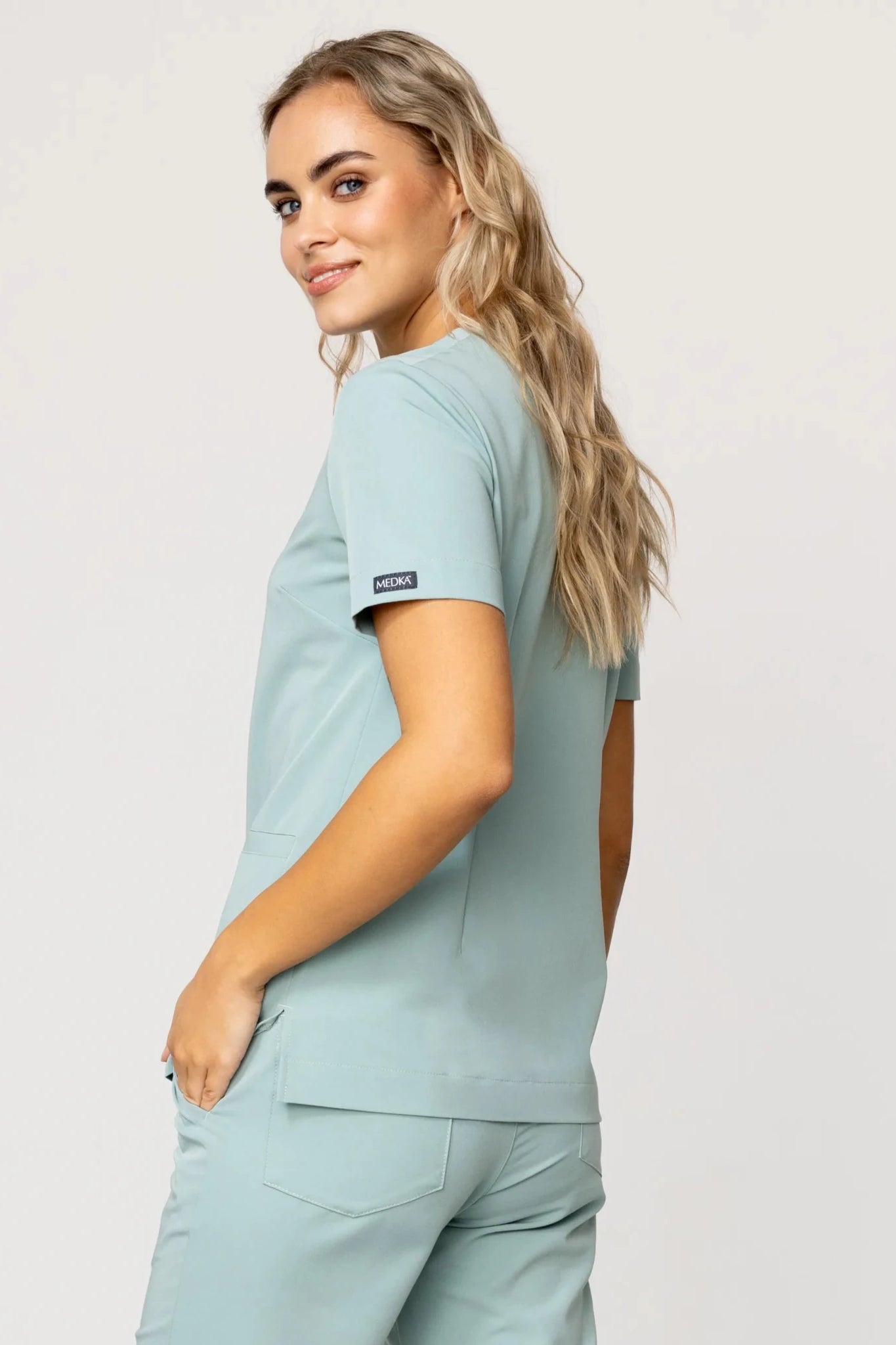





Medical staff attire is sometimes treated as a matter of taste, but it has been the subject of systematic research for several years, and the results paint a picture that is less obvious than industry intuition assumes. The patient assessing the photographs consistently indicates formal clothing with a white coat. The same patient no longer notices any difference after three days of hospitalization. Between these two results there is all the practical knowledge about when a uniform really works on the image of a specialist and when it remains only a background. The influence turns out to be strongest during a short contact, when the outfit may be the only available basis for assessment: in the emergency room, during a one-off consultation, during the first visit to a private office. The course of this boundary translates directly into what is worth investing in in your wardrobe and what will remain a dead expense.
What do studies say about the impact of attire on the perception of a specialist?
There is solid literature on the topic, so you don't have to rely on hunches. The reference point remains the systematic review of the TAILOR team published in BMJ Open in 2015, covering 30 studies and over 11,000 patients.
The conclusions were clear as to direction. 21 of the 30 studies, or 70 percent, reported a preference for a particular outfit or its positive impact on the doctor's perception. In 18 studies, or 60 percent, formal attire with a white coat won. This preference was more pronounced among older patients and in studies conducted in Europe and Asia than in the United States.
An older study from 2005, conducted on 400 people in the waiting room of an internal medicine clinic, showed the scale of this advantage in numbers. Professional attire with an apron was chosen by 76.3 percent of respondents, scrubs by 10.2 percent, business attire by 8.8 percent, and casual attire by 4.7 percent. What's more interesting, respondents declared a significantly greater willingness to talk about social, sexual and psychological problems with a formally dressed doctor. This suggests that attire affects not only the assessment of competence, but also how much the patient chooses to say.
A large 2018 study included 4,062 patients in clinics and hospitals at ten large academic centers. Slightly more than half answered that a doctor's attire was important to them, and over a third said it influenced their satisfaction with care. These are considerable numbers, although it is worth noting that nearly half of the patients considered this issue to be unimportant.
The most recent item is an update of the review published in BMJ Open in August 2025, covering 32 studies from 2015-2024. It confirmed the continuing advantage of the white coat in the perception of professionalism and trust, but it also showed something more important: preferences are strongly dependent on the clinical context and specialization, and the acceptance of scrubs is clearly growing.
Why do patients' declarations differ from reality?
This is where the part begins that is easy to miss because it spoils the otherwise simple story. Most of the cited studies are based on surveys with photos, and this is a completely different format than real contact with a doctor.
The 2015 review already contained a warning signal. Of the twelve studies that surveyed patients after an actual clinical encounter, only three found that attire influenced their ratings. In other words: when the patient evaluates the photo, the outfit decides. When he evaluates a doctor he has just met, he stops deciding three times out of four.
The strongest evidence came from the DRESS study, published in 2026 in The American Journal of Medicine. Five hospitalists worked in traditional clothes with a white coat for a week, in scrubs without a coat for another week, and so on. Trust was measured with the validated Trust in Physician Scale in 274 hospitalized patients, with an average hospital stay of approximately three days. Result: 2.00 points for the apron outfit and 2.08 for scrubs, with a p-value of 0.26. Statistically no difference.
The authors formulated a conclusion that is worth remembering: preferences declared on the basis of photos do not translate into real experiences during actual contact between a doctor and a patient.
What does this mean practically? Uniform is most powerful when it is the only information available. The first dozen or so seconds before the first sentence is uttered. A consultation after which the patient will never see this doctor again. A visit to a private office where someone evaluates whether to book again. The longer the relationship lasts, the faster the outfit ceases to matter, because what the doctor does and says takes its place.
This is at the same time an argument against treating the uniform as a substitute for competence and an argument for not giving this field away for free in short contacts.
How do context and specialization change patient expectations?
The average answer "patients prefer white coats" is true and at the same time not very useful, because it diverges immediately after dividing the data into contexts.
Already in 2015, a breakthrough was visible. In four of the seven studies examining treatment specialties, patients either had no preference or preferred scrubs. Four of five studies in intensive care and emergency medicine also found no preference. The 2025 update went further: in high-pressure settings, such as the emergency room and the operating theater, scrubs were consistently preferred and associated with professionalism and readiness to act.
| Work context | What the research shows | Practical consistency |
|---|---|---|
| Clinic and primary health care | mixed results, some studies indicate that casual clothing with an apron promotes accessibility and communication | an apron helps, but is not a requirement for trust |
| Emergency room, emergency medicine | scrubs or apron preferred, clear identification clearly appreciated | what matters is recognition, not elegance |
| Operating block, intensive care | scrubs consistently associated with professionalism | hospital clothes, own set mainly outside the room |
| Palliative medicine | outfit did not affect trust or competence assessment | only the way of talking wins here |
| Orthopedics, surgery, dermatology, ophthalmology, gynecology | a preference for a white coat was noted | the apron has real image value |
| The period of the COVID-19 pandemic | shifting preferences towards scrubs and protection products | sensitivity to hygiene increased and partly stayed |
This spread has a simple interpretation. The patient does not evaluate the outfit itself, only its fit to the situation. The apron in the dermatology office signals competence, the same apron in the resuscitation room signals nothing, because what counts is who gets to the bed first. In hospice, both are no longer important.
Why do dress codes affect women and men differently in medicine?
This is a thread that appears in the data with persistent regularity, but is practically non-existent in conversations about uniforms. It is worth naming it directly because it has professional consequences.
A 2025 review found that even when male and female doctors wear identical attire, women are significantly more likely to be mistaken for nurses or medical assistants. This phenomenon has been observed consistently in various cultural circles, and not only in single centers. The authors point out that the way of dressing influences the assessment of competences of female doctors more strongly than in the case of their colleagues, because women in medicine are assessed to a greater extent through the prism of appearance.
The details are even more surprising. Studies showed a clear preference for suits among male doctors, and one of them showed that accessories such as a watch and glasses significantly increased the perceived professionalism and credibility of men. In surgery, the pattern was reversed: surgeons in a lab coat over scrubs were rated worse than those in a suit with scrubs, while surgeons in a scrubs and scrubs were rated better than those in a suit or casual attire. The authors themselves emphasize that these two observations are based on single studies and require confirmation.
The practical conclusion is not "women should dress differently." Rather, it goes like this: if attire alone is not enough to correctly identify a role, other channels need to be strengthened. A clear ID, clear identification at first contact, possibly embroidery with your name and title on the sweatshirt. This is not a matter of aesthetics, but of communication efficiency.
In Polish hospitals, an ID card is not a matter of choice. Article 36(1) of the Act on Medical Activities imposes an obligation on persons employed in a hospital and in a civil law relationship with a medical entity to wear an ID badge containing their name, surname and function in a visible place. A uniform that has no place to put such an identifier makes it difficult to fulfill this obligation and worsens the situation of those people who are more often mistakenly identified anyway.
Does a white coat help or harm?
Since the apron is doing so well in the surveys, the case could be considered closed. However, there are two arguments on the other side, and honesty demands that they be presented.
The first is clinical and well documented. The white coat effect, i.e. an increase in blood pressure caused by the measurement in the office itself, affects many patients to varying degrees. It is assumed that white coat hypertension, understood as elevated office values with normal home measurements, occurs in approximately 20 percent of people whose office measurements exceed the norm. The consequences are additional tests, 24-hour blood pressure monitoring and the risk of a diagnosis that cannot be confirmed outside the office. This is not an argument to take off the apron, but a reminder that the symbol of authority has a physiological price, and in pediatrics it is even higher.
The second argument concerns hygiene and is more interesting than it is usually presented. The UK has introduced a "bare below the elbows" policy, which excludes aprons, watches, ties and long sleeves when working with patients. A study presented at the IDWeek conference in 2017 provided arguments for this solution: during care simulations, long sleeve cuffs were contaminated with the DNA marker significantly more often than short sleeves, at a rate of five out of twenty versus zero out of twenty. In one of the five cases, the marker was transferred to another mannequin. It was also observed that people wearing long sleeves were less likely to cover their wrists when washing their hands.
But the evidence doesn't go one way. A prospective study of 92 physicians at a district hospital found no statistically significant difference in the number of colonies or the presence of pathogens on the hands between physicians who adhered to the bare-below-the-elbows rule and those who did not. A randomized trial comparing freshly laundered uniforms with infrequently washed aprons found similar levels of bacterial contamination after an eight-hour shift. More recent work shows that staff clothing becomes significantly contaminated after just one day of use, but the vast majority of bacteria detected are common skin commensals, not pathogens.
A defensible conclusion: there is no hard evidence that the gown ban reduces the number of hospital infections. However, there is evidence that clothes get dirty quickly and that long sleeves affect the patient more often than short ones. Hand hygiene remains decisive, and when it comes to clothing issues, the most important factor is the frequency of changing and washing, not the style or color.
What actually builds the image and what is just decoration?
In practice, the difference between a uniform that enhances your image and one that ruins it is rarely about the cut. Refers to condition.
A sweatshirt that has been worn for two years and washed after each change loses its color on the shoulders after several dozen washes, and the navy blue color turns gray. Abrasions on the pockets and cuffs are visible from the other side of the office. A patient will notice a stained sleeve faster than the fact that the cut is this year's. The order here is ruthless: first cleanliness and condition, then fit, and only finally aesthetics.
| An item of clothing | What does it signal to the patient? | Typical mistake |
|---|---|---|
| Condition and cleanliness | orderliness, control over the situation | wearing clothes after losing color and abrasions |
| Fit | diligence, self-confidence | the size was selected "to stock", the legs were too long |
| Clear identification | who the patient is talking to and what he can ask | badge turned backwards, no space for a holder |
| Cohesion in the team | organization of the facility, ease of finding help | random colors within one branch |
| Pocket functionality | efficiency, lack of improvisation | phone and stethoscope held in hand throughout the visit |
Team cohesion is sometimes underestimated, but it operates at a level that the patient cannot name. When the entire unit wears one color and other professional groups wear another, orientation in the situation comes immediately. When the colors are random, the patient and his family lose time figuring out who to ask, and this is of real importance in an emergency situation.
It's also worth being honest about what the uniform won't do. He won't make up for a visit in which the doctor didn't look up from the monitor. It will not replace introductions. It won't make the patient remember the name. The DRESS study shows that after a few days of contact, the clothes no longer distinguish anything, and there is no reason to pretend otherwise.
How to translate this into the choice of a specific uniform?
Since condition, fit and the ability to be washed frequently are the most important factors, choosing clothes comes down to questions that are much more prosaic than the psychology of color. Will the material withstand a hundred washes without losing its color? Does the cut restrict movement during the examination? Is there a place to attach the ID badge? Can the set be completed in a color consistent with the facility's policy?
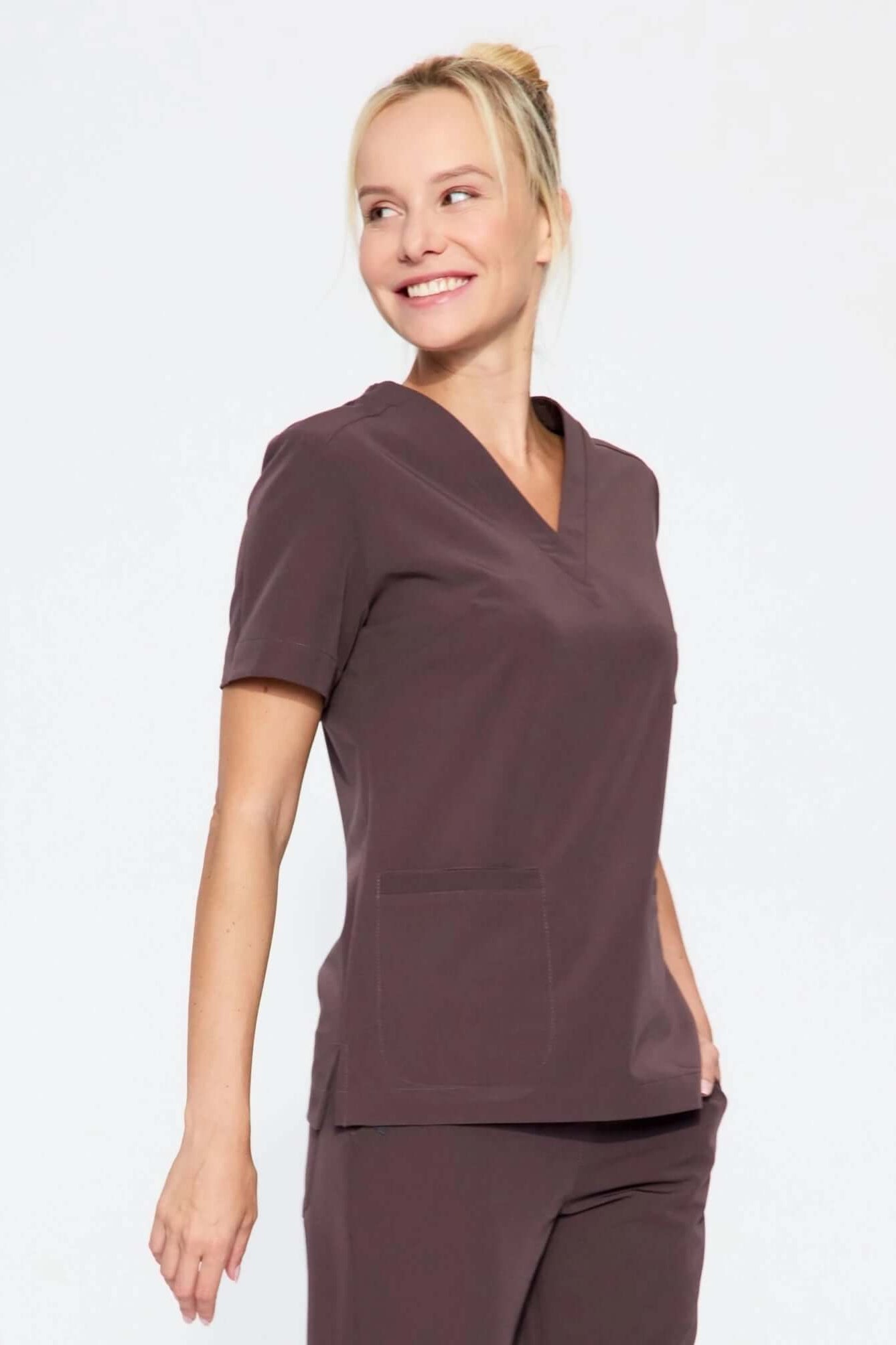
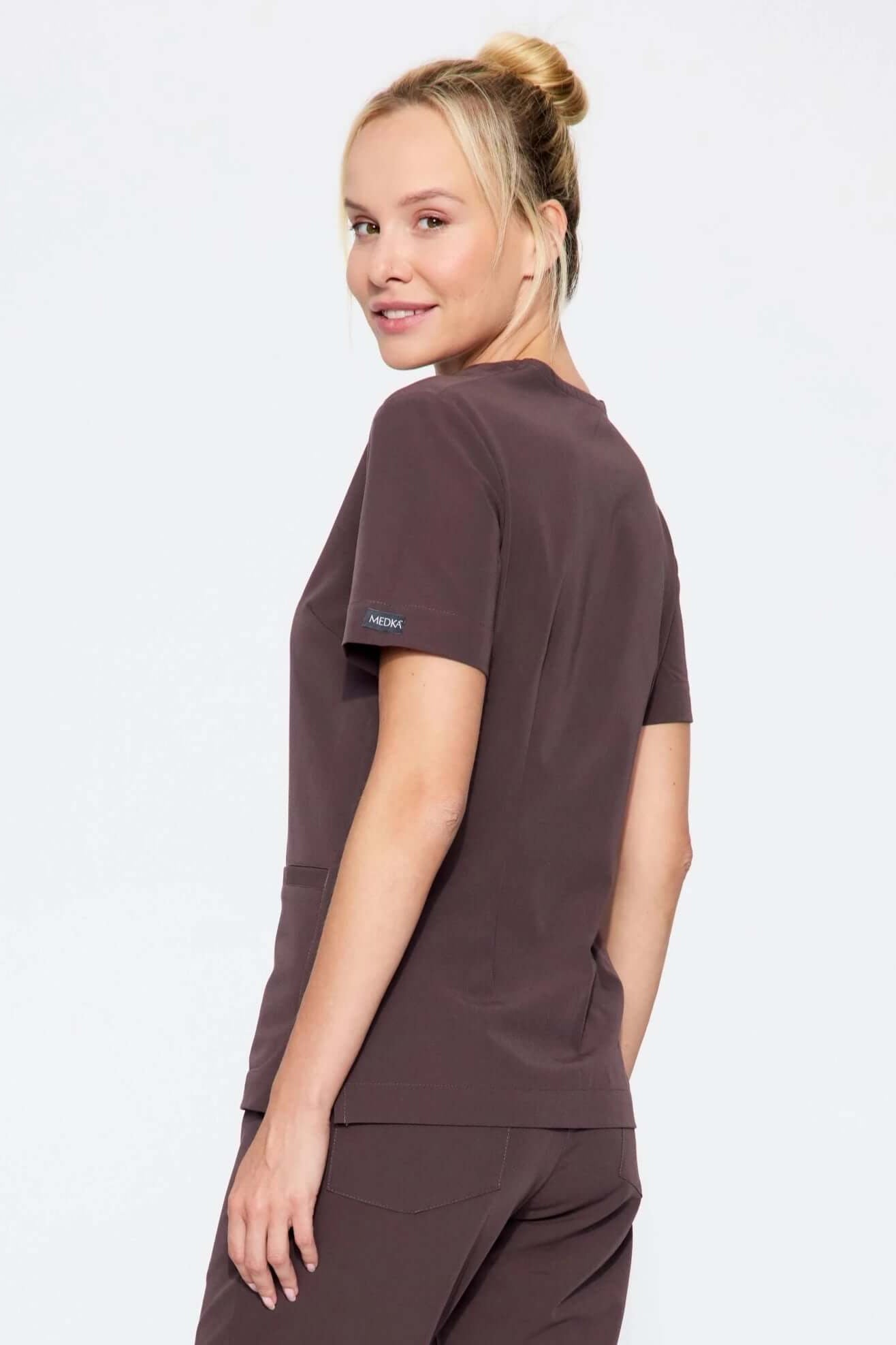
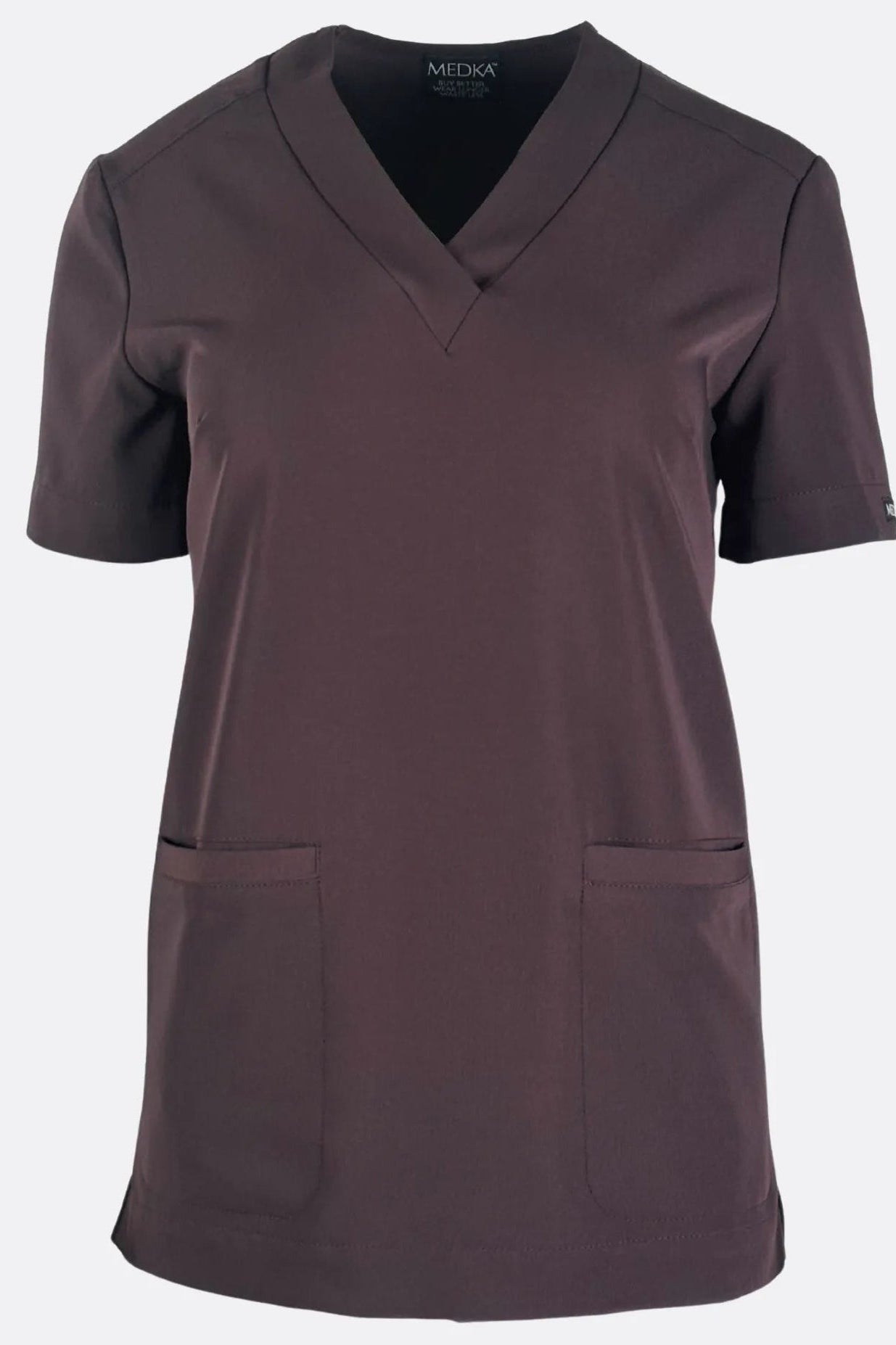
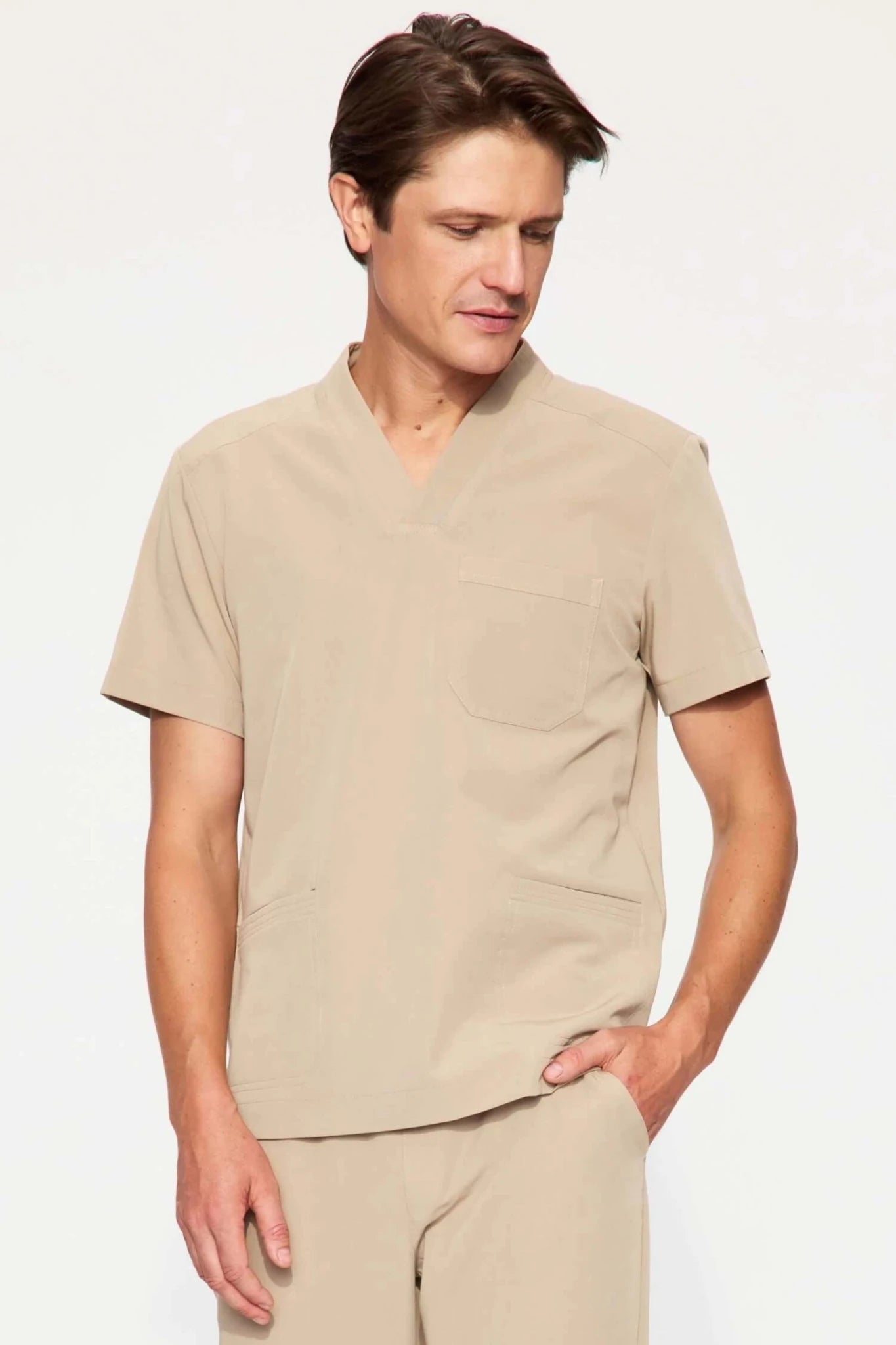
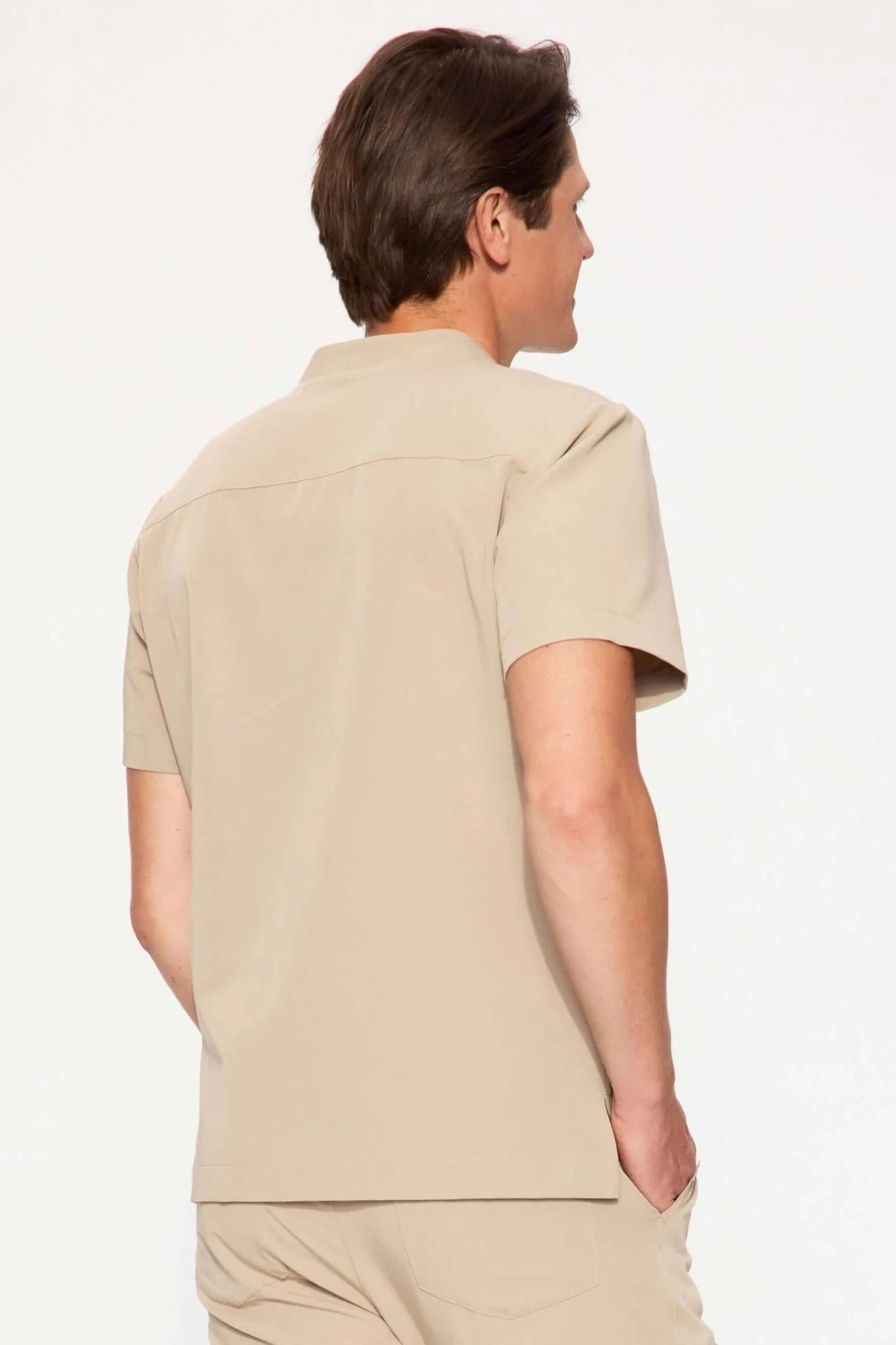
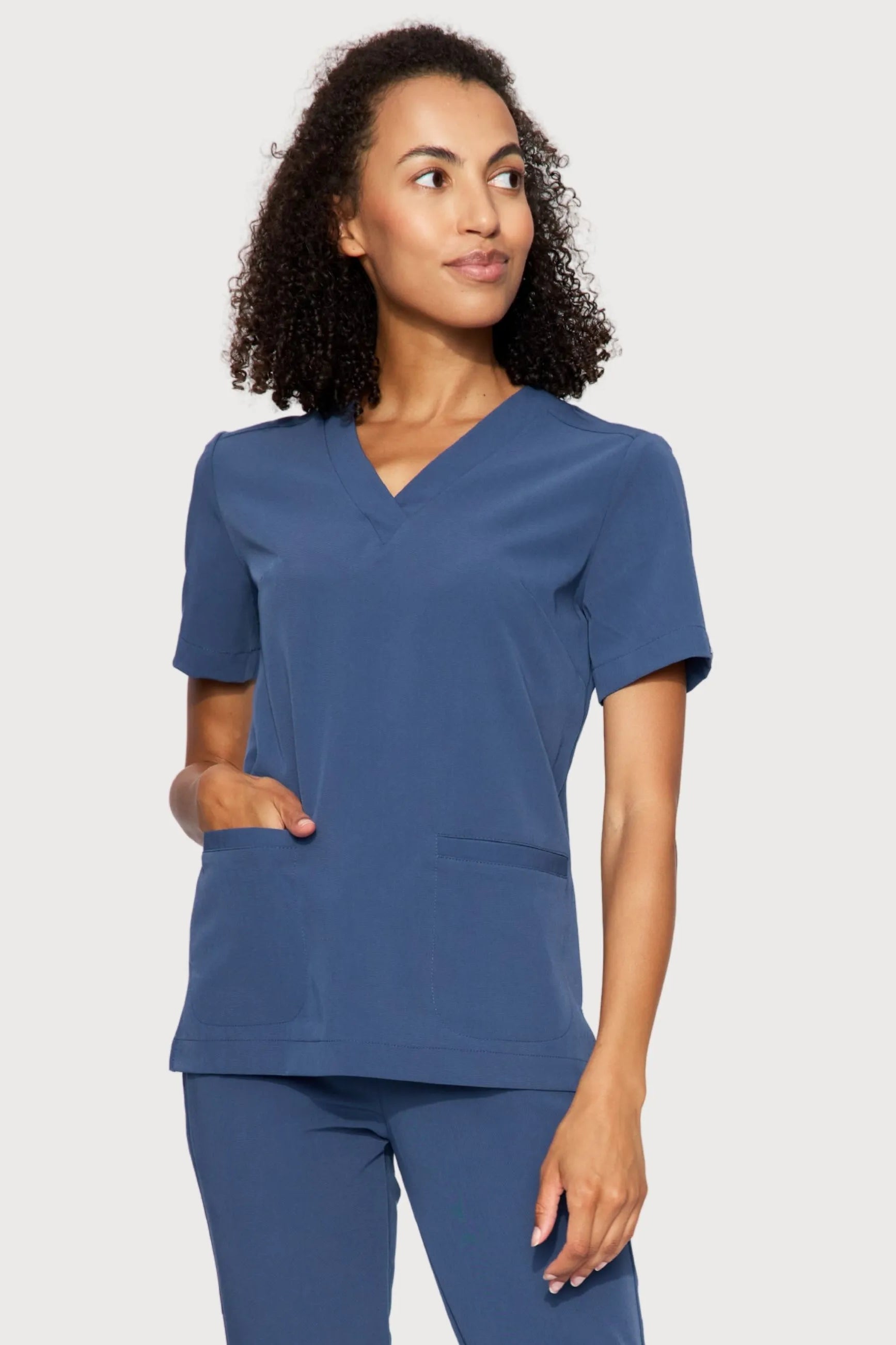
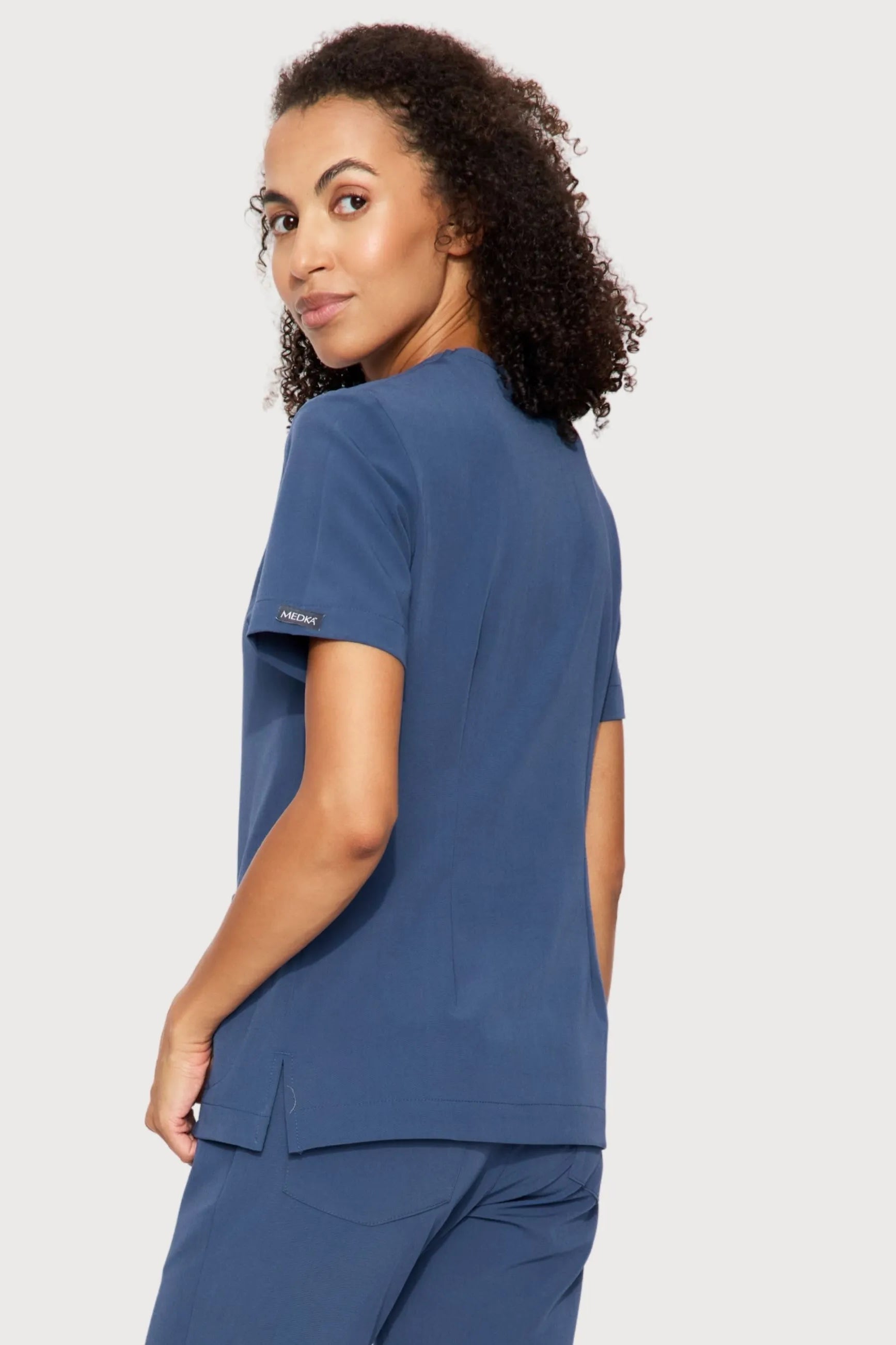
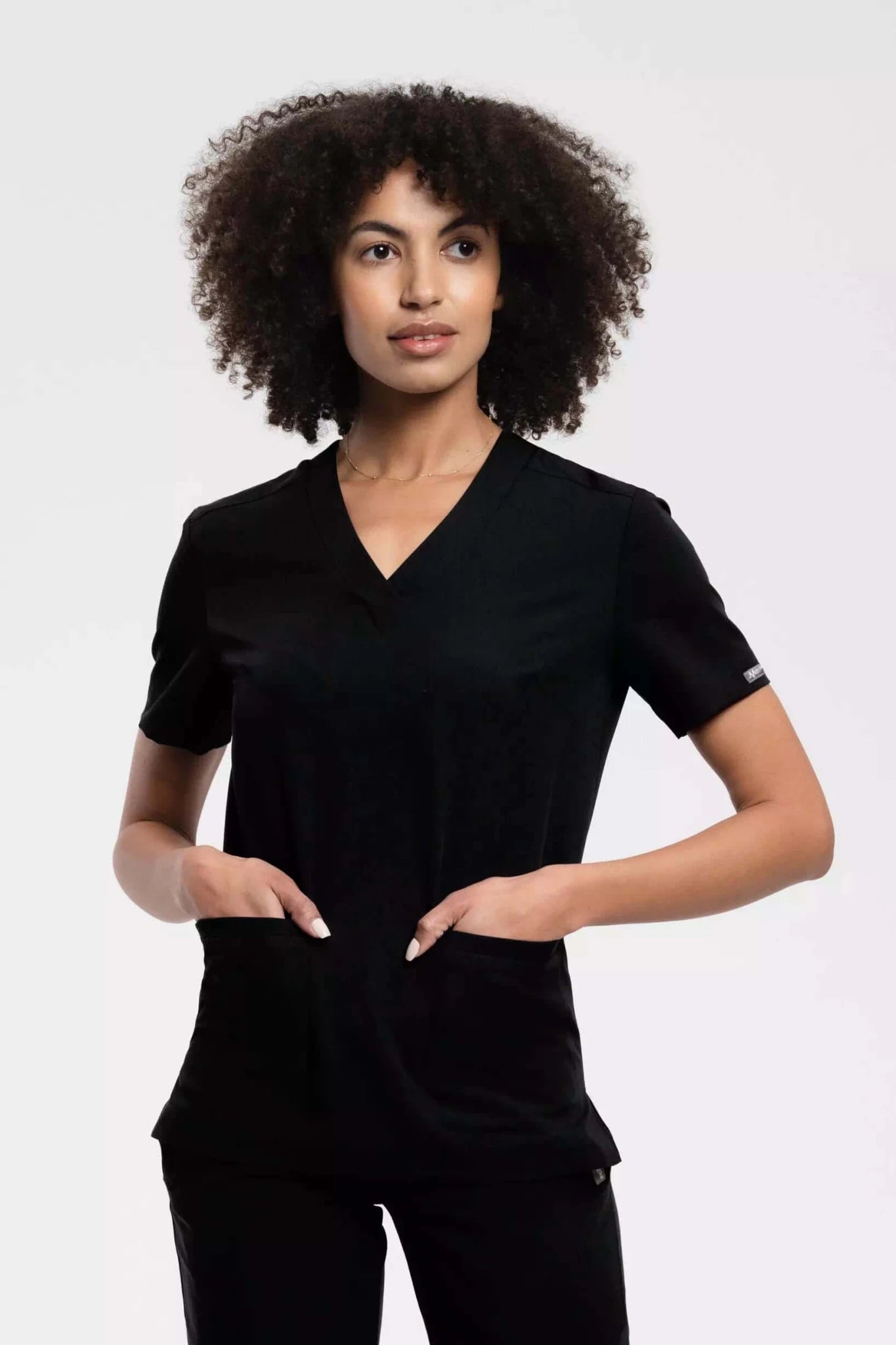
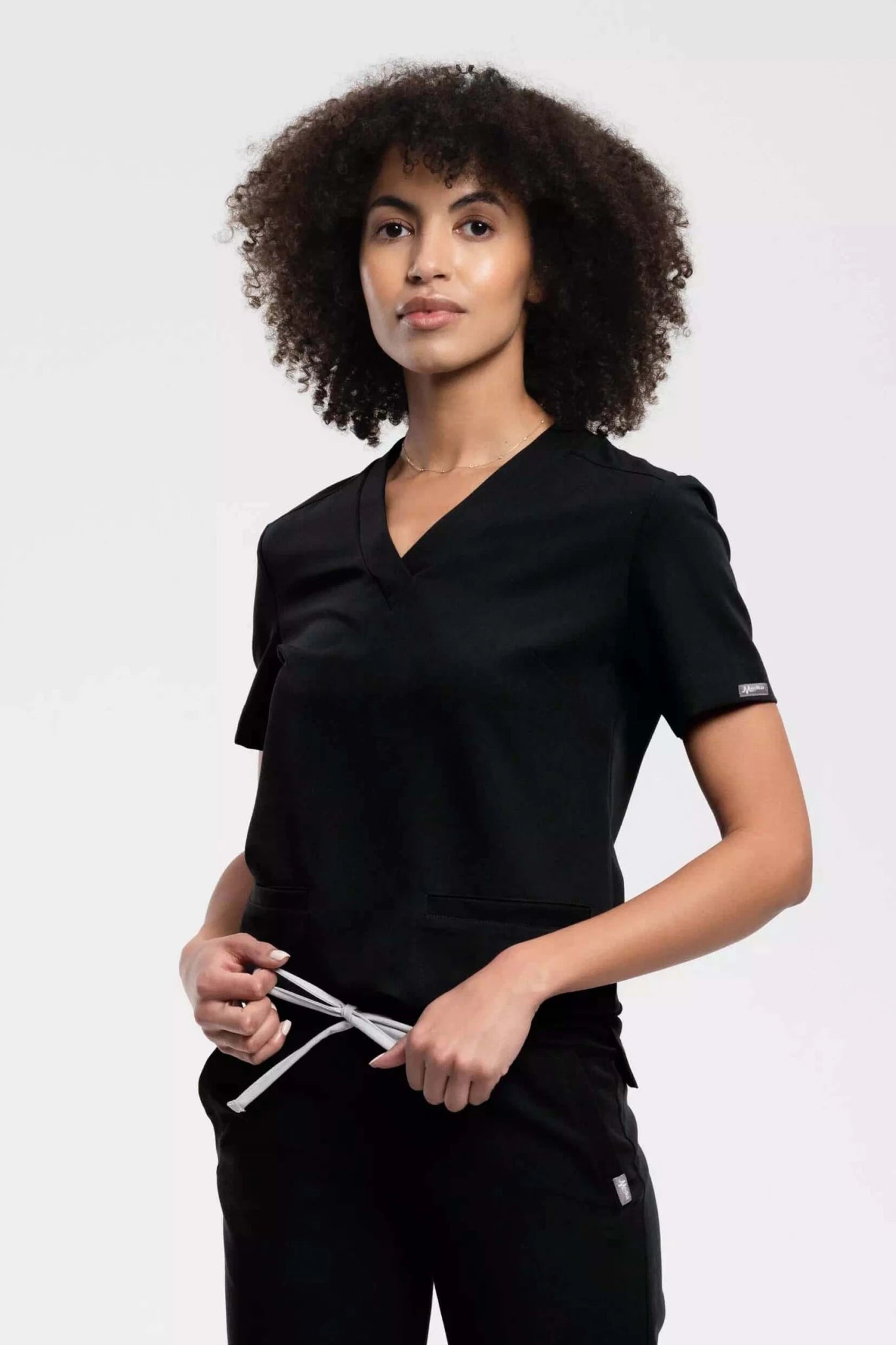
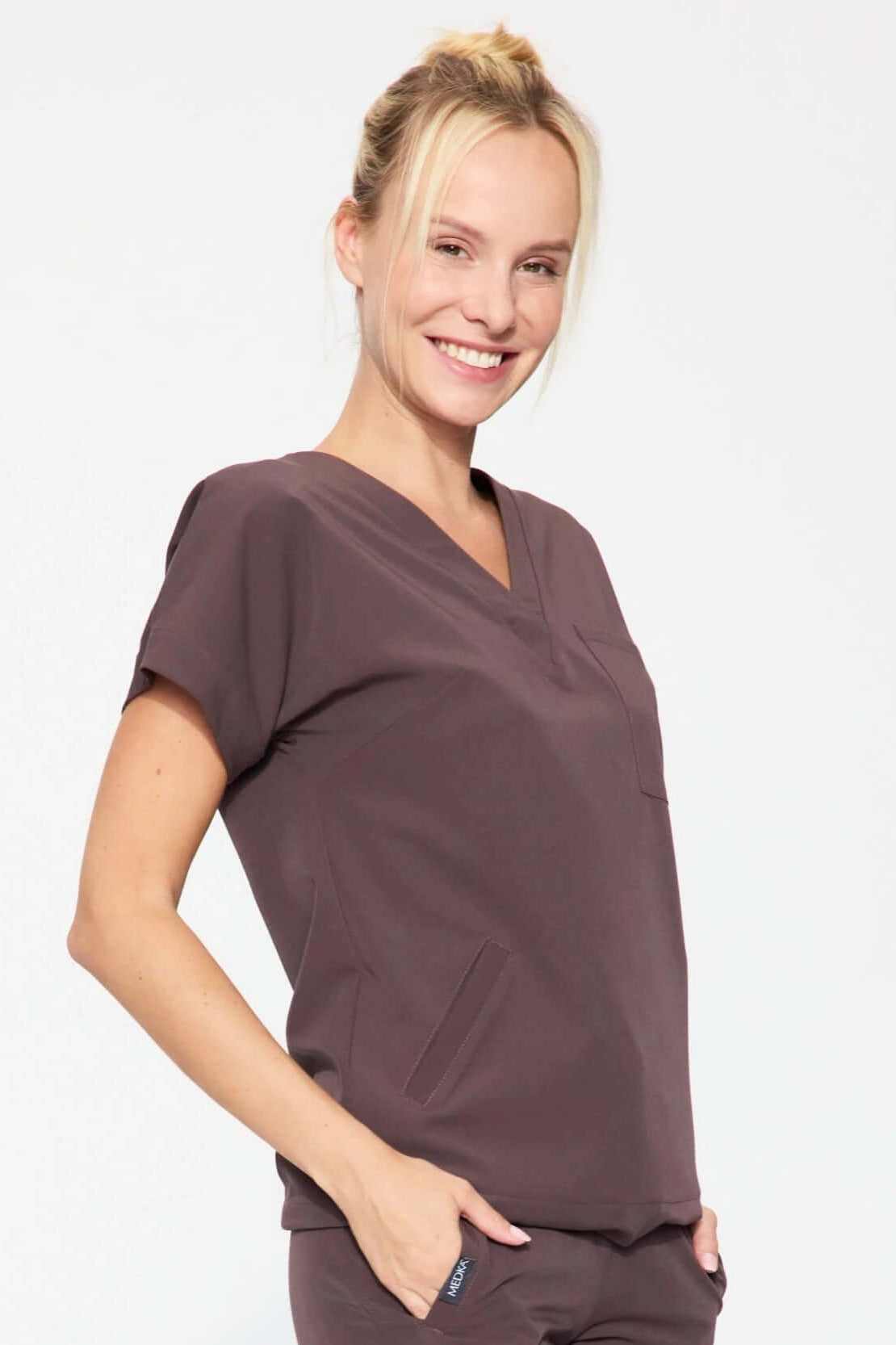
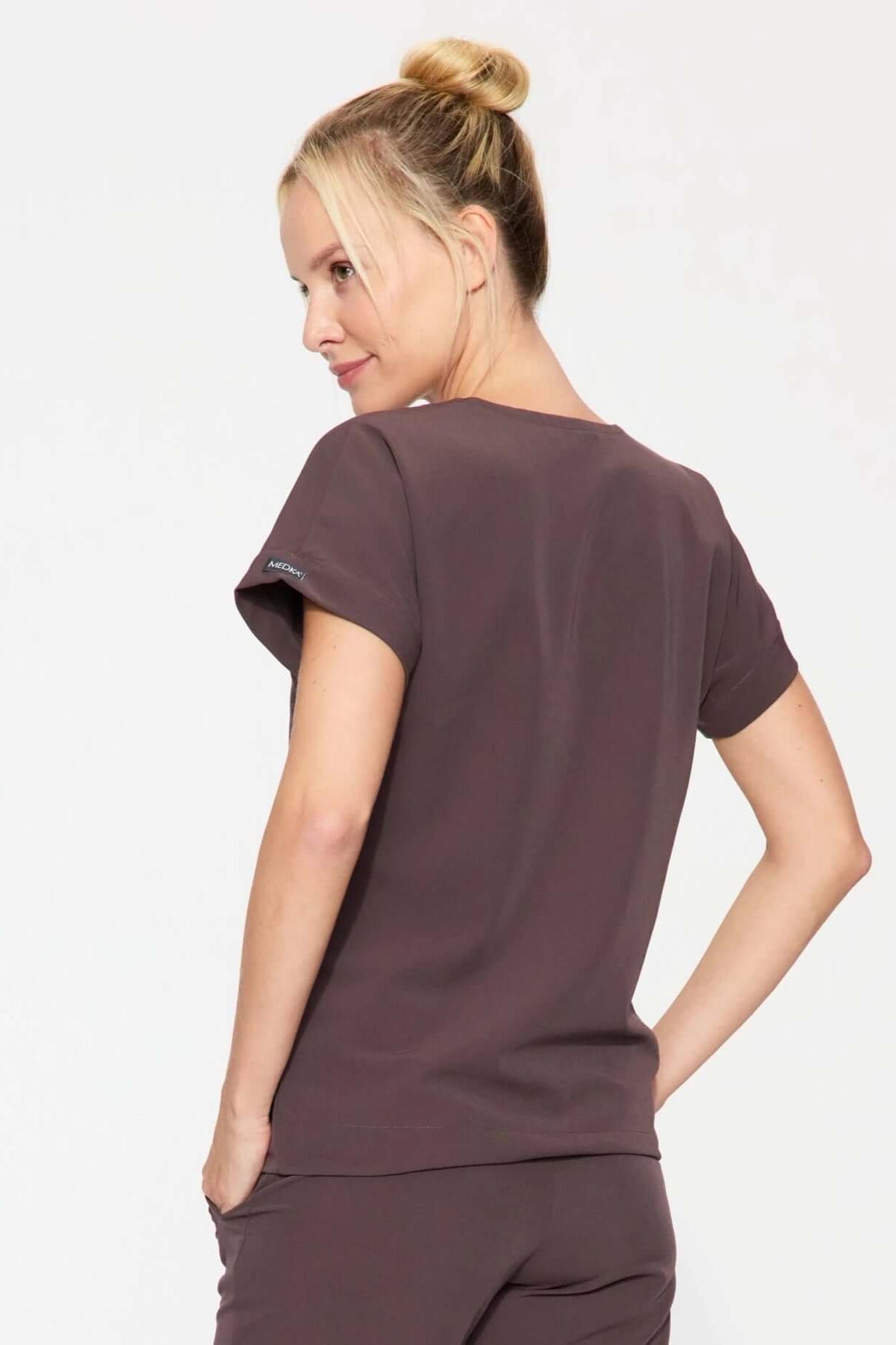
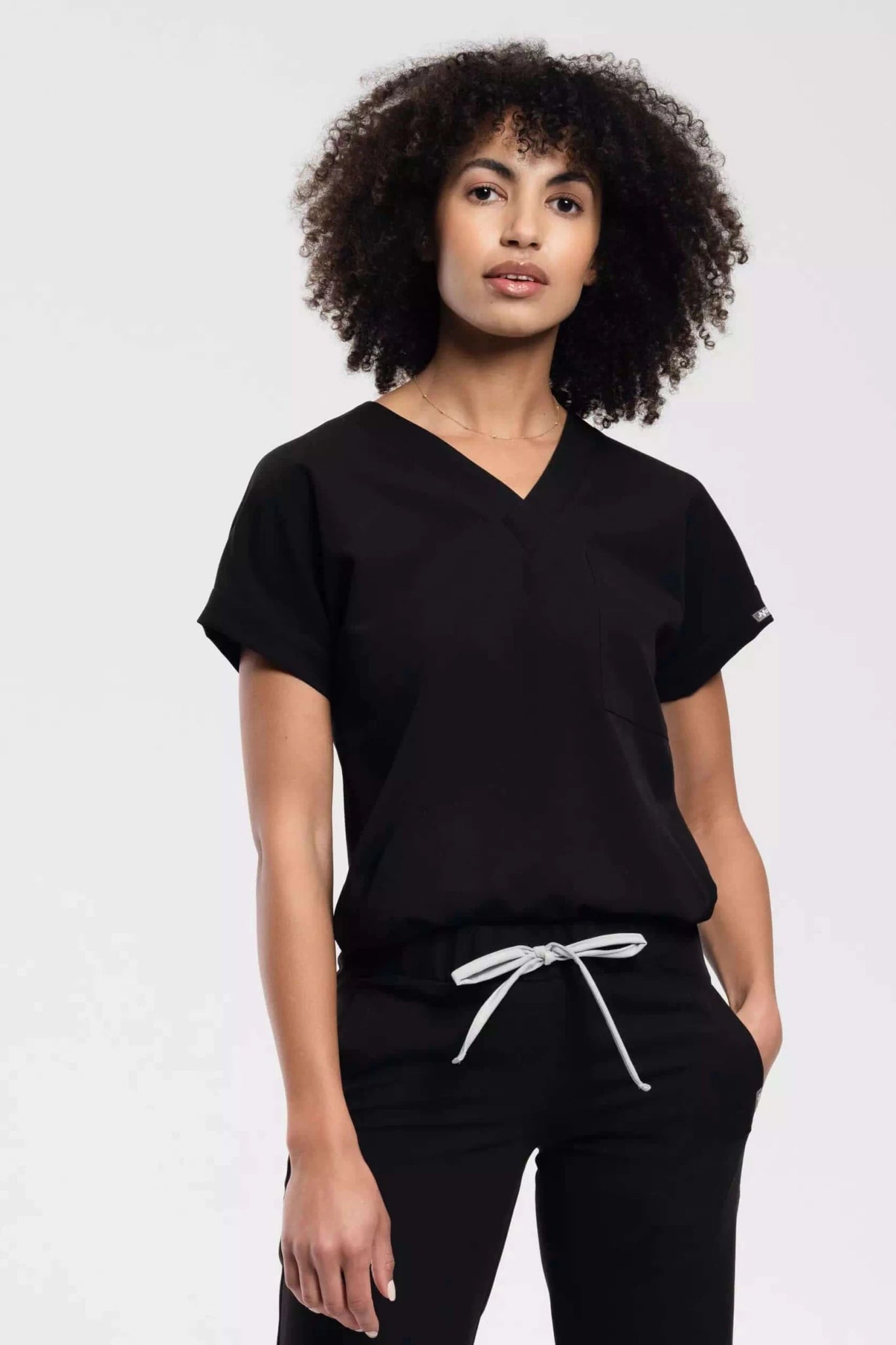
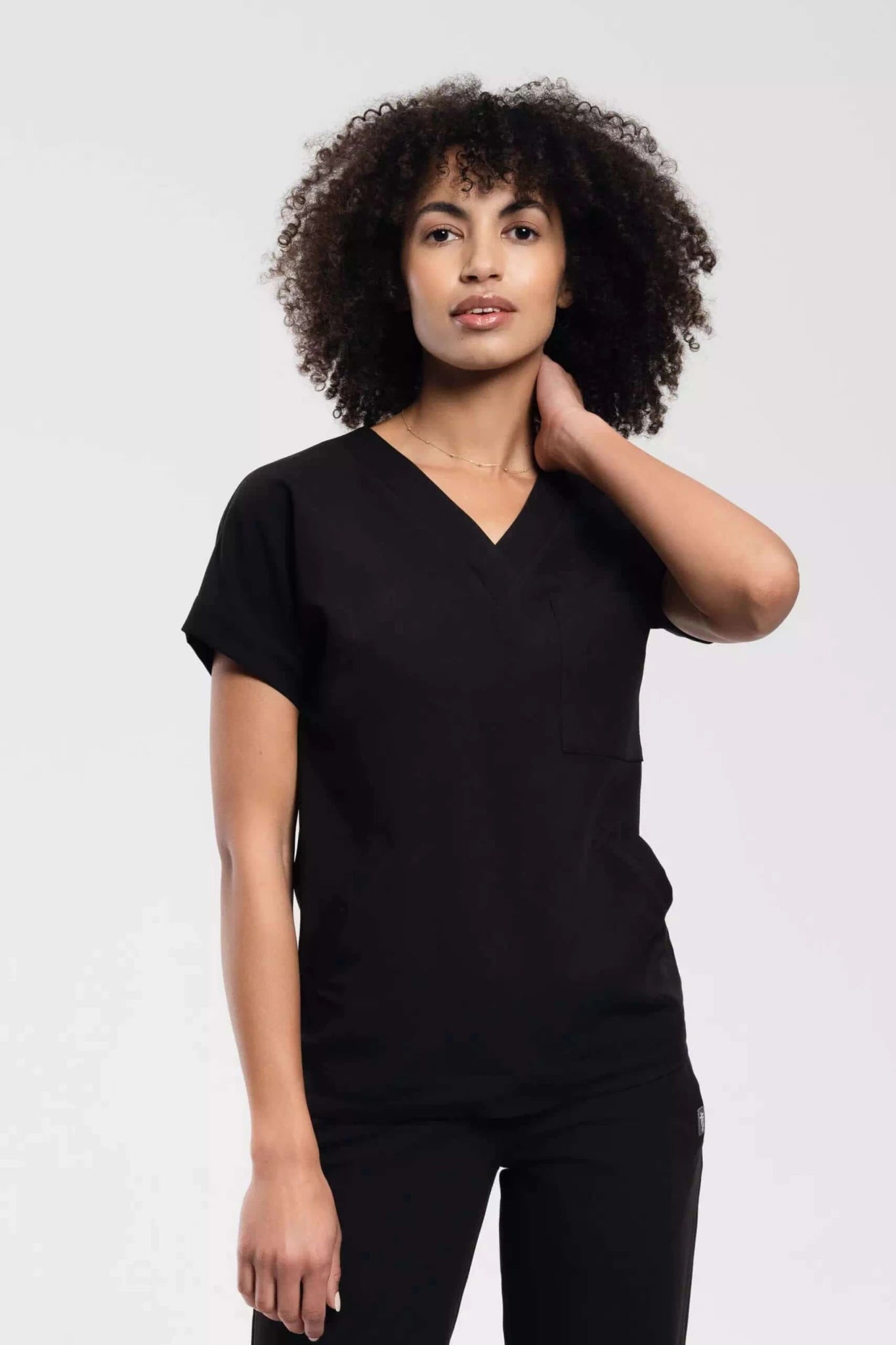
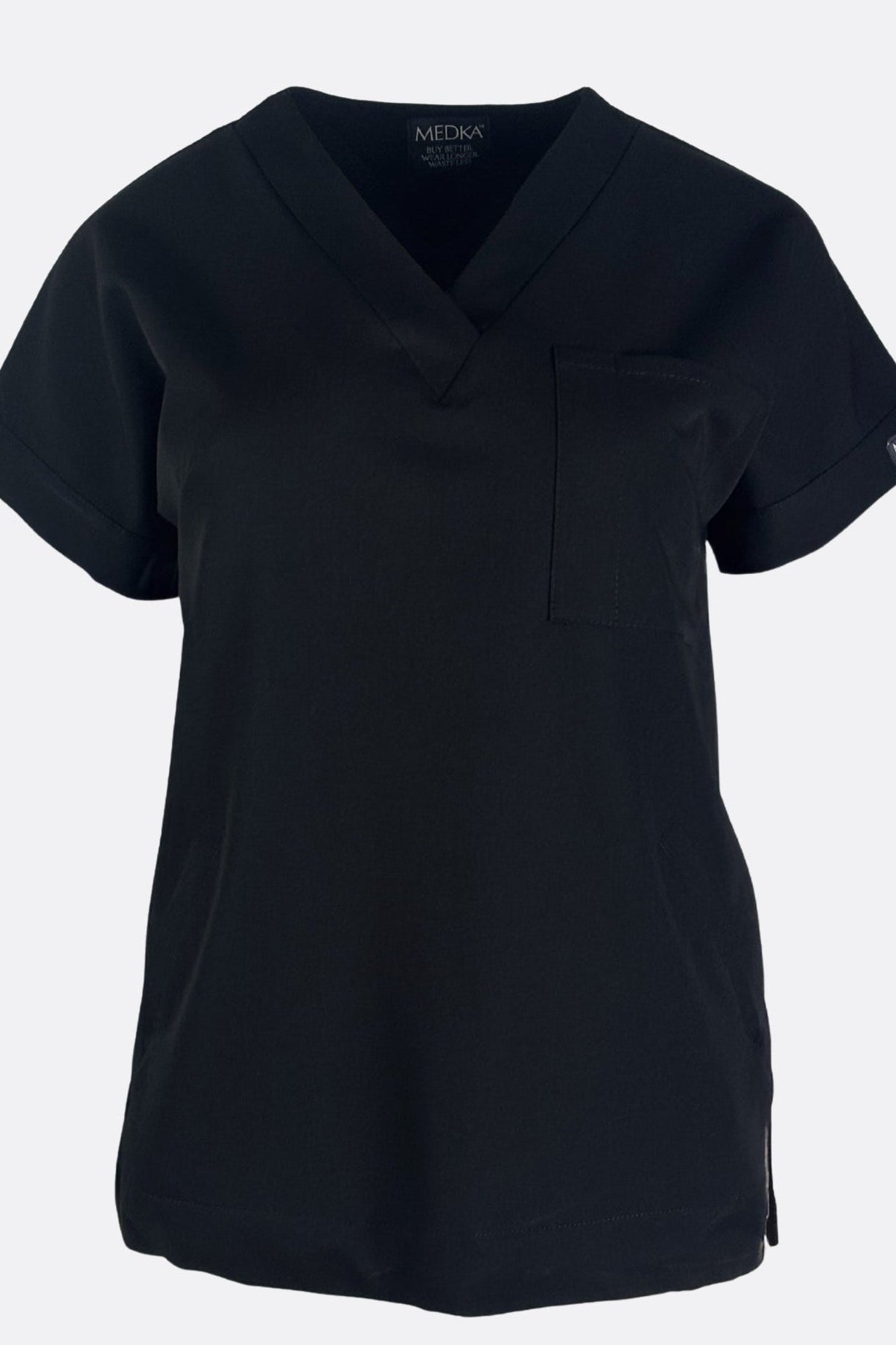
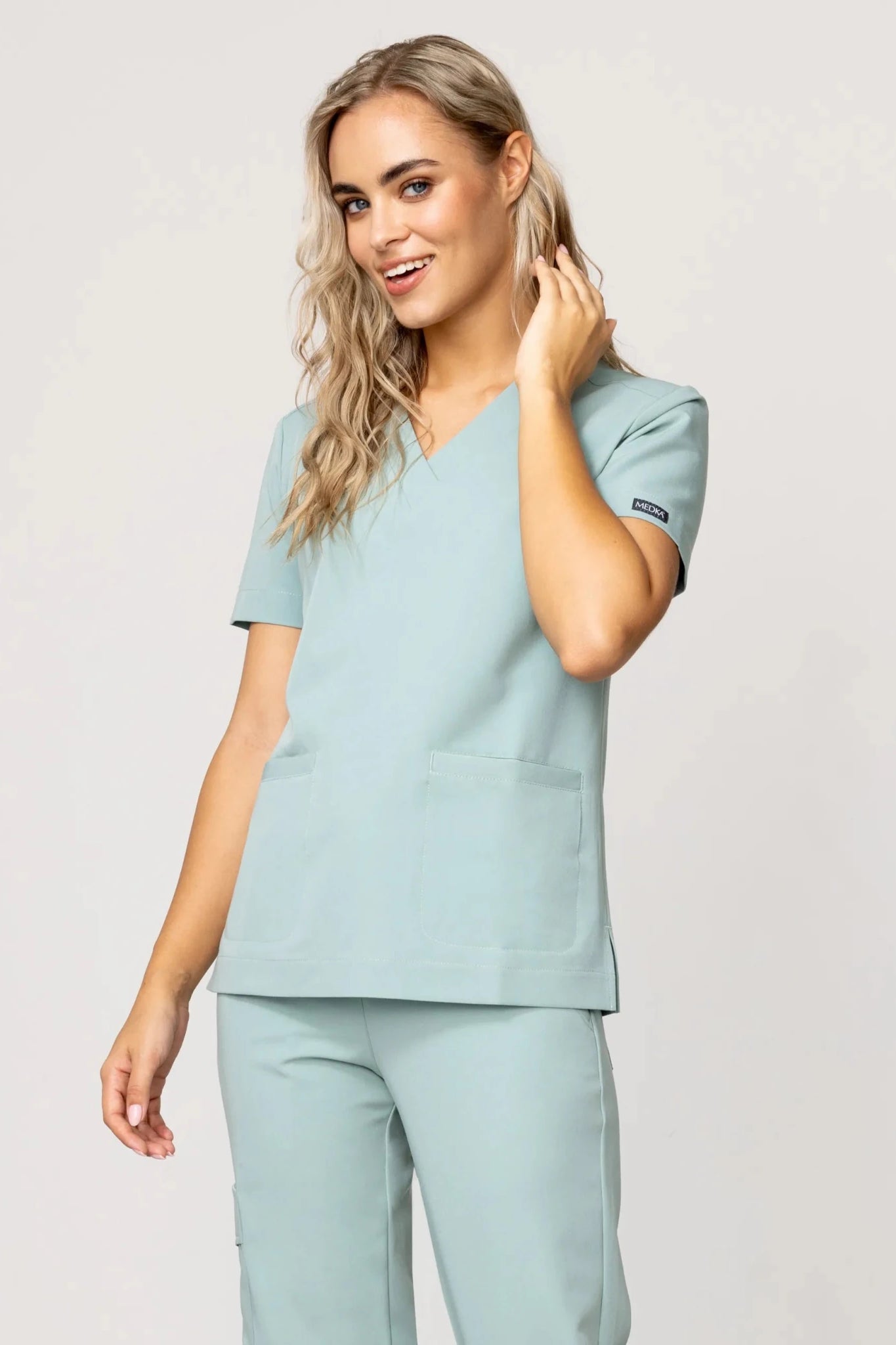
The medka.eu store is a convenient point of reference because it is a Polish design brand medical uniforms and sews locally, and its assortment covers the entire range of situations described above. There you will find sweatshirts and women's medical trousers and men's sets, medical tunics, medical dresses and cosmetics, medical gowns in women's and men's versions, medical t-shirts, socks, medical footwear, as well as separate collections for physiotherapists and dental staff. Prices, as of September 2026, start from PLN 189.90 for a sweatshirt and PLN 209.90 for trousers, a tunic costs PLN 239.90, a dress costs PLN 319.90, an apron costs PLN 339.90, and medical shoes cost PLN 259.90.
Several solutions respond directly to research conclusions. Materials selected for frequent washing and moisture removal are important, since it is the regularity of washing, not the type of clothing, that determines the level of contamination. The ID holder in sweatshirts addresses the obligation arising from the Act on Medical Activities and at the same time the problem of misidentification of the role. Embroidery on clothing with a name, surname or title, it works in the same direction and is sometimes more legible than a badge that likes to rotate. Bulk orders they solve the issue of color consistency within a branch. A wide range of colors, from classic white and navy blue to sage, indigo and cherry smoke, allows you to meet the imposed color policy instead of fighting against it.
There are details that become visible only after a few weeks of wearing: pants in two leg lengths and with additional adjustment at the waist, magnetic pocket fasteners in some models, spacious pockets for a phone and a stethoscope. After verifying their status, students receive a permanent 15 percent discount, delivery above PLN 450 is free, and the return period is 60 days, which actually reduces the risk when shopping without trying on.
However, there is a situation in which investing in your own wardrobe is pointless, and it is better to say it directly. If the facility issues and washes its own uniforms or imposes specific colors for professional groups, private sets may not be usable. Similarly, in the case of people working almost exclusively in the operating theater: hospital clothing is required there, and their own apron hangs in the cabinet for most of the shift. A reasonable start is one or two sets and buying the rest once you know what you actually wear. Buying an expensive apron "just in case" usually ends with it hanging untouched.
Where does the role of the uniform end?
When you put all this data together, the picture is less glamorous than the surveys promised, but more useful. The appearance of medical clothing has a real, although uneven, impact on the image of a specialist: strongly in the first contact and in short meetings, weakly or not at all in relationships lasting days or years. It works differently in a dermatologist's office than in an emergency room, and in palliative care it almost doesn't work at all.
Boring things have a stronger effect than style and color: the condition of clothes, the fit, the frequency of washing and the ability to quickly determine who the person standing next to the bed actually is. For female doctors, this last point has additional weight, because data shows that the clothes themselves do not sufficiently communicate their role.
And the most important thing, which is easy to get lost in the conversation about uniforms. An outfit buys the first few seconds of attention and trust. Everything that happens next depends on the doctor sitting down, looking at the patient and explaining what is actually happening. The uniform can make this start easier or harder, but it won't play the rest of the visit for anyone.
Frequently asked questions
Below are short, practical answers to the most frequently asked questions on this topic. They concern regulations, clothing care and purchasing decisions. It is always worth checking the rules applicable in a specific facility in its internal regulations.
Is there a dress code for medical staff in Poland?
There is no single nationwide regulation specifying the style or color of medical clothing. However, Art. 36 section 1 of the Act on Medical Activities, according to which persons employed in a hospital and in a civil law relationship with a medical entity must wear an ID badge with their name, surname and function in a visible place. Detailed rules regarding dress code are established by each facility in its internal regulations.
How often should you wash medical clothing?
After each change. Studies show that staff clothing becomes significantly contaminated after just one day of use, although most of these are common commensal skin bacteria, not pathogens. The washing temperature is selected according to the label of a specific product, because not every fabric can withstand high temperatures without losing color and elasticity.
Does the color of medical clothing actually affect the patient's emotions?
Color associations exist, but the scientific evidence on their impact on trust is much weaker than the evidence on dress type and clinical context. In research on staff perception, the type of clothing, specialization and situation, not the shade, turn out to be key. Color, however, has real organizational significance because it allows you to distinguish professional groups and departments.
How many sets of medical clothing are worth having to start with?
With five or six shifts a month and a full-time job, two sets usually turn out to be too few because they can't keep up with the laundry. It is wise to start with one or two, learn the rules in force in the ward, and buy the rest after a few weeks, when you already know what you actually wear and in what color.
Does a doctor working exclusively in the operating theater need his own uniform?
To a limited extent. Hospital clothes are required in the room and you change into them on the spot, so your own set is mainly useful for rounds, to the clinic and for travel between departments. In this situation, purchasing an extensive wardrobe is rarely profitable, and an apron is only needed occasionally.
Does embroidery with your name and title on a sweatshirt make sense?
It does, especially where the role is sometimes confused. The data show that female doctors wearing the same outfit as their male colleagues are significantly more likely to be mistaken for nurses or assistants. The permanent inscription on the sweatshirt works regardless of whether the ID badge is turned backwards, and shortens the time needed for the patient to determine who he is talking to.
What to do if the facility has no dress code?
It is worth establishing at least an informal standard within the team, starting with one color for a given professional group and a common place for ID badges. This solution costs little and clearly improves the orientation of patients and families. Bulk orders from a single supplier usually make it easier to maintain this consistency across wardrobe additions.