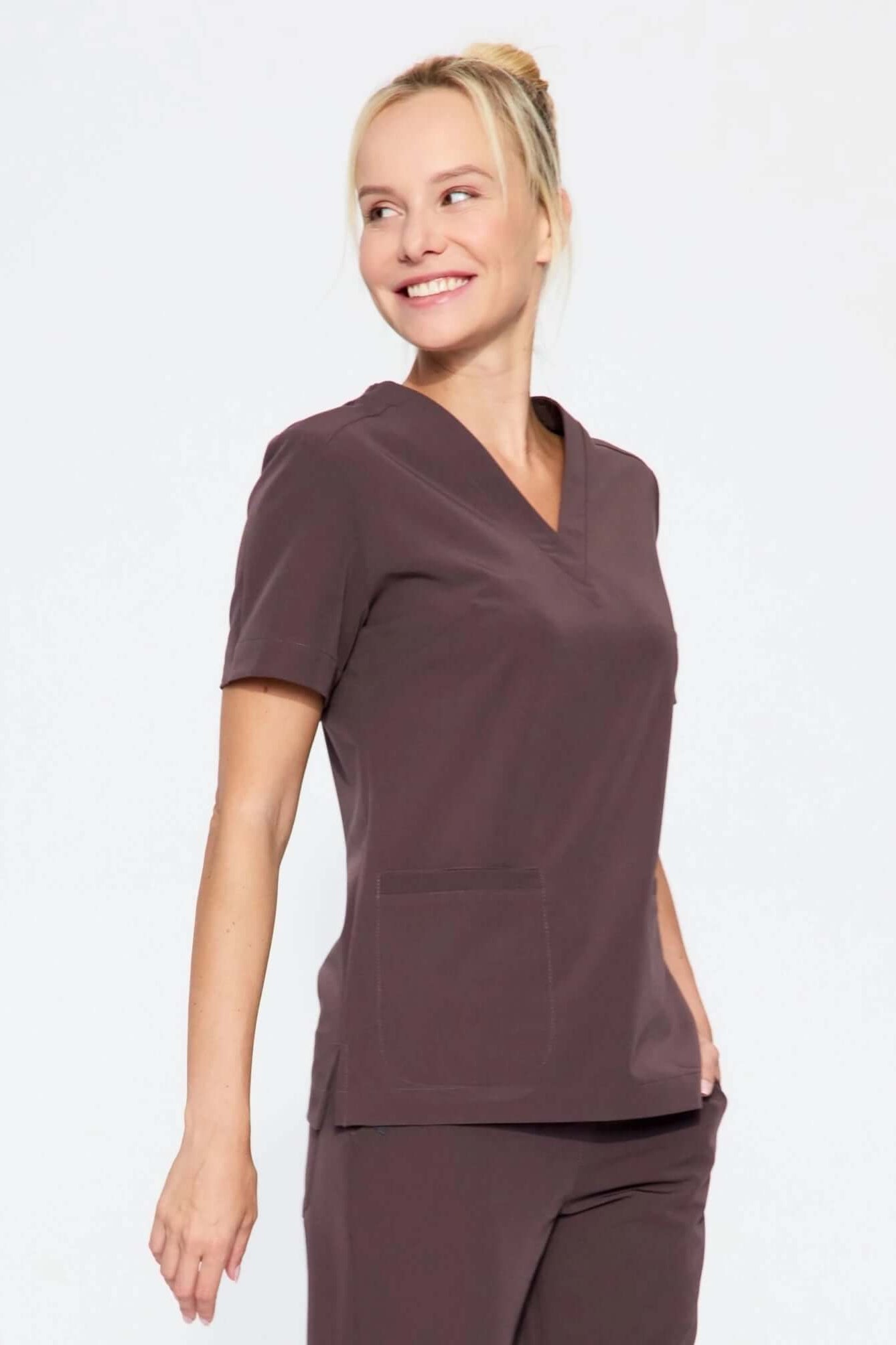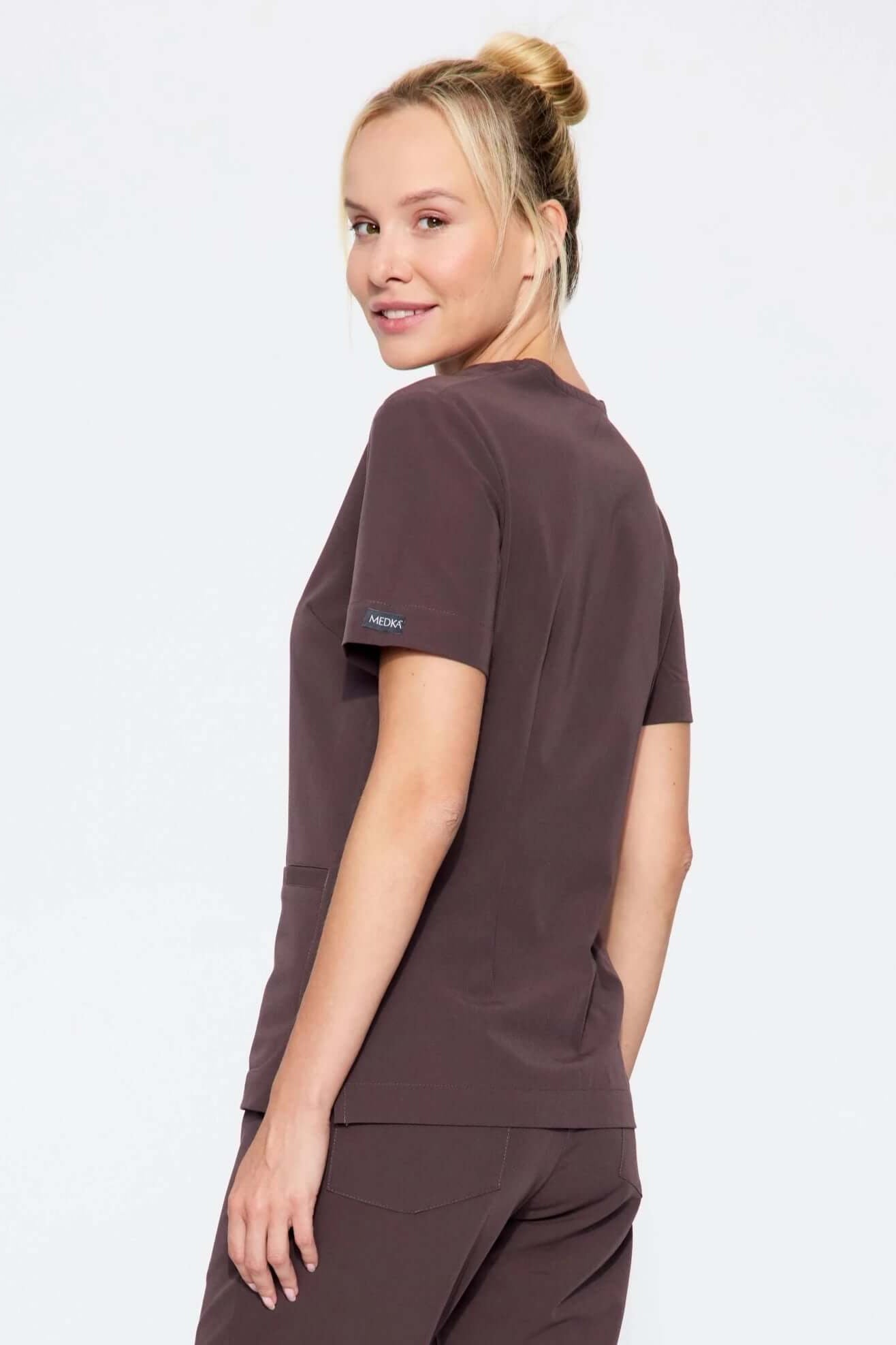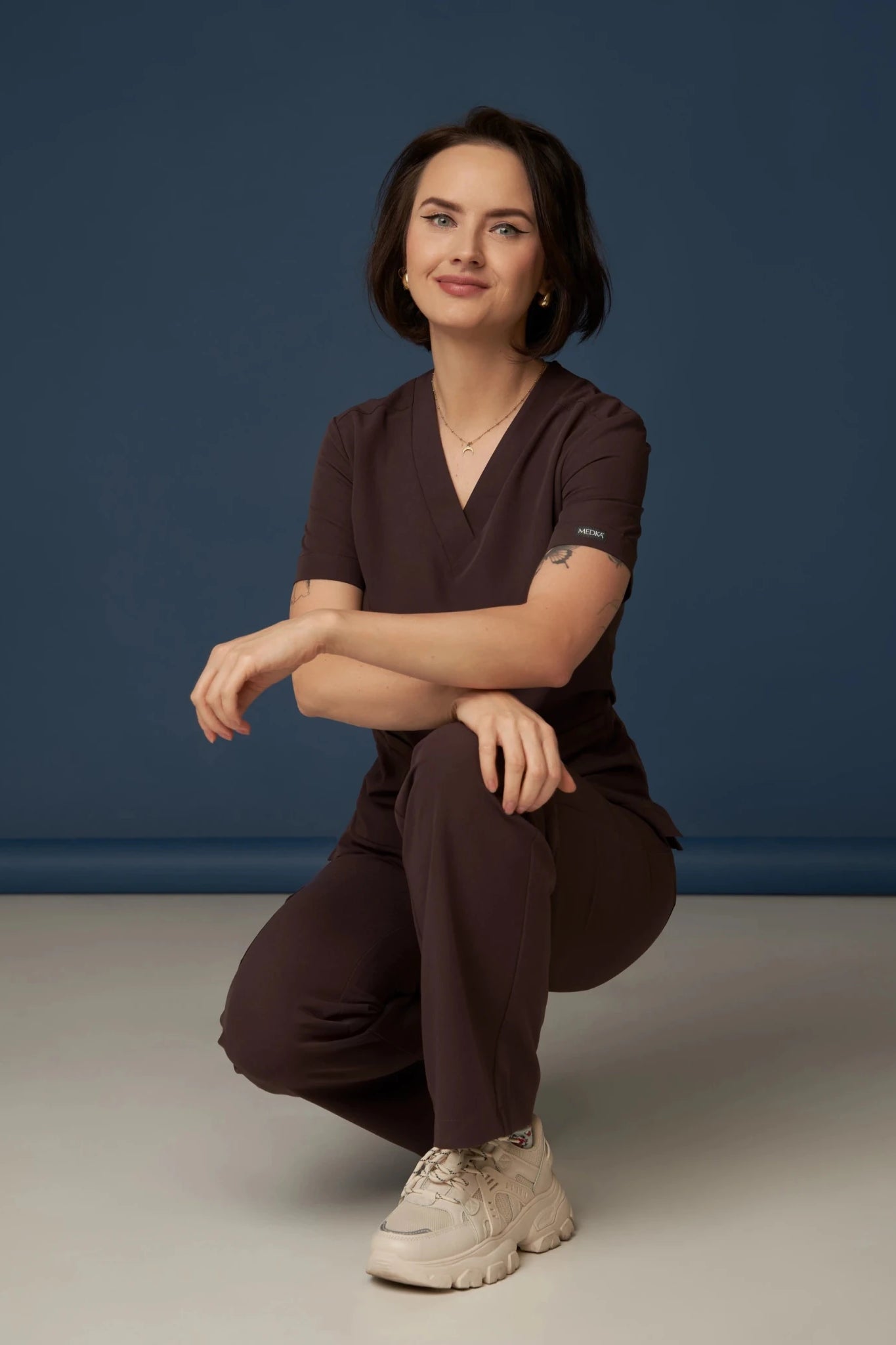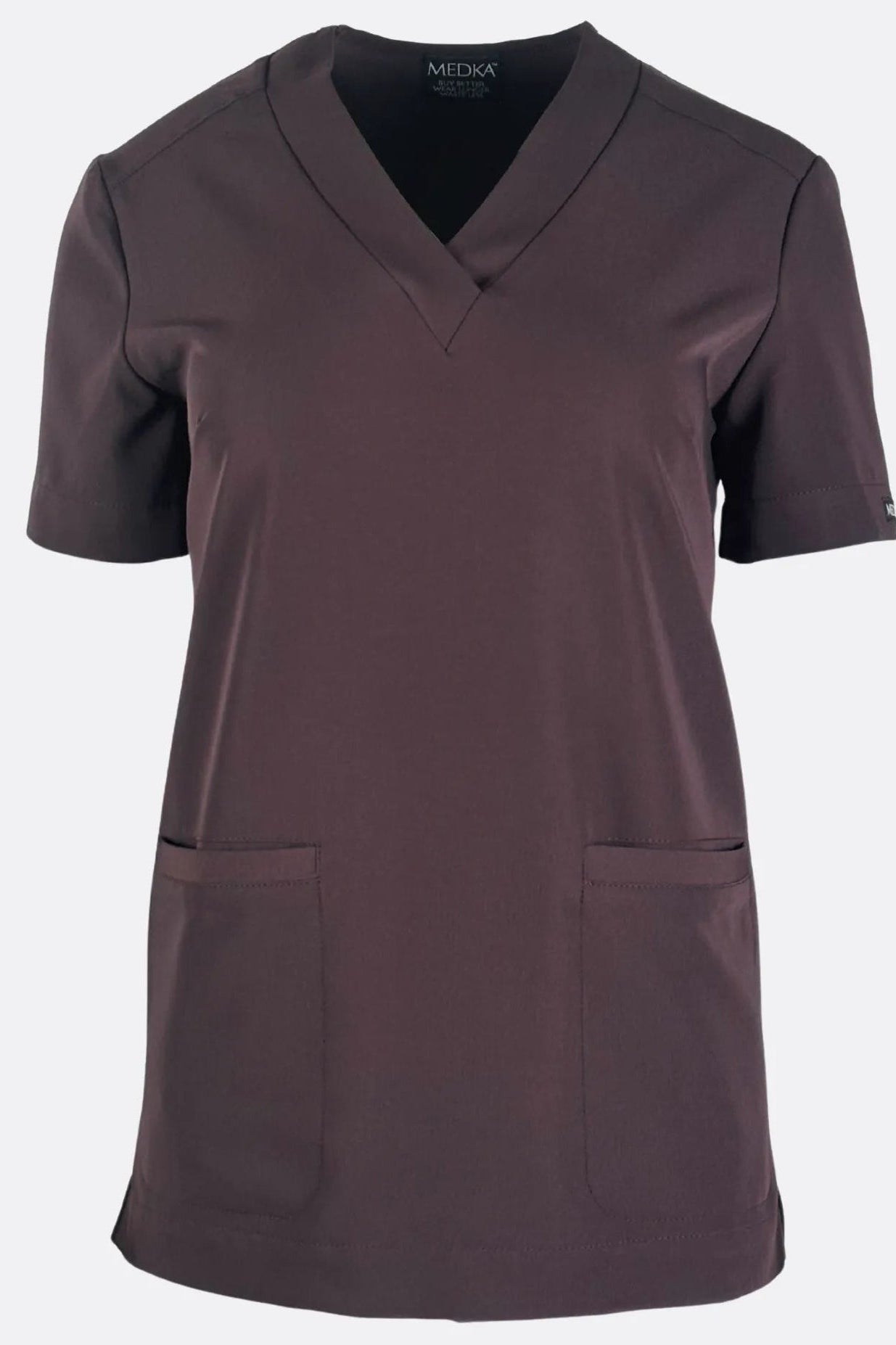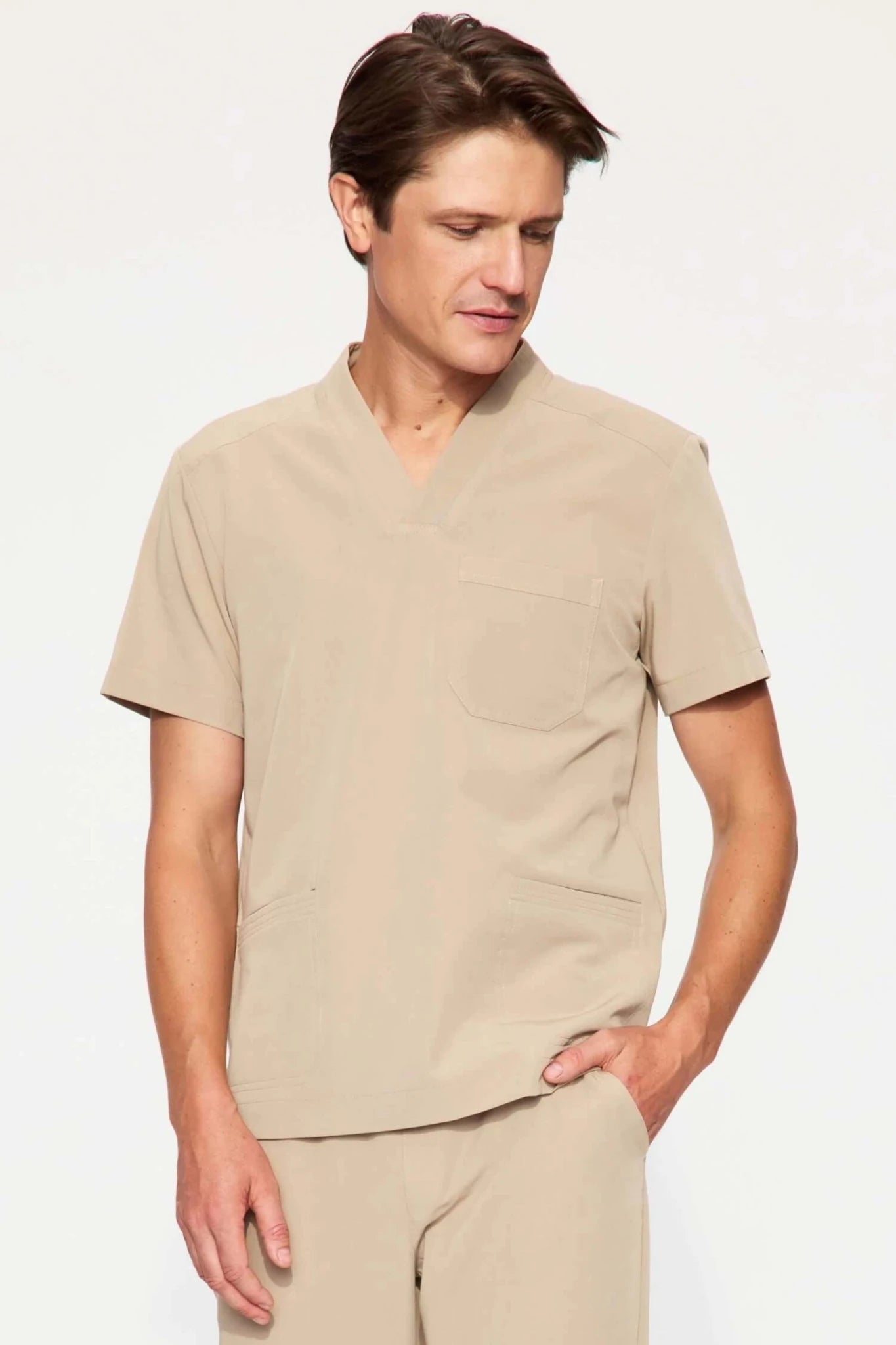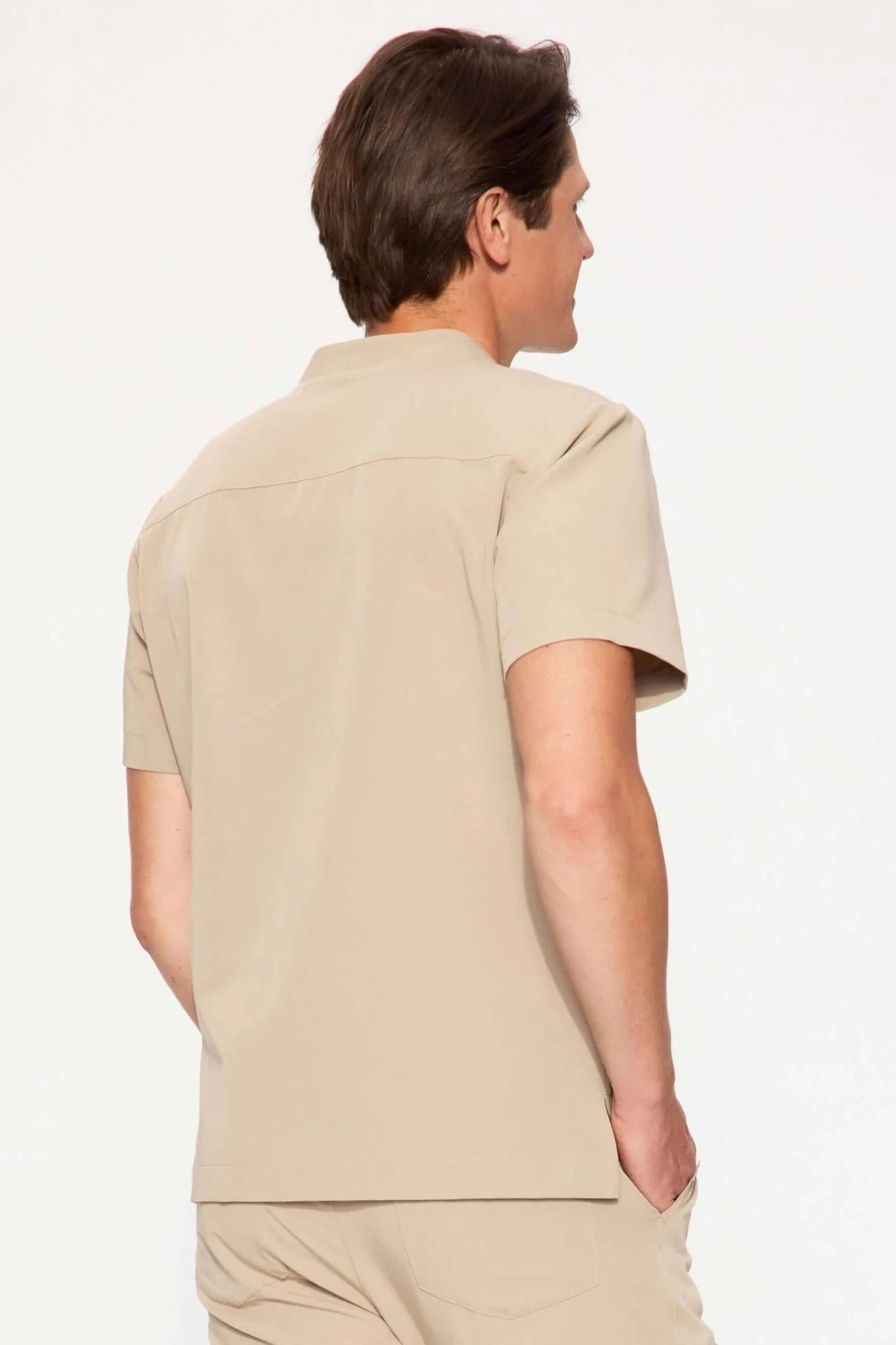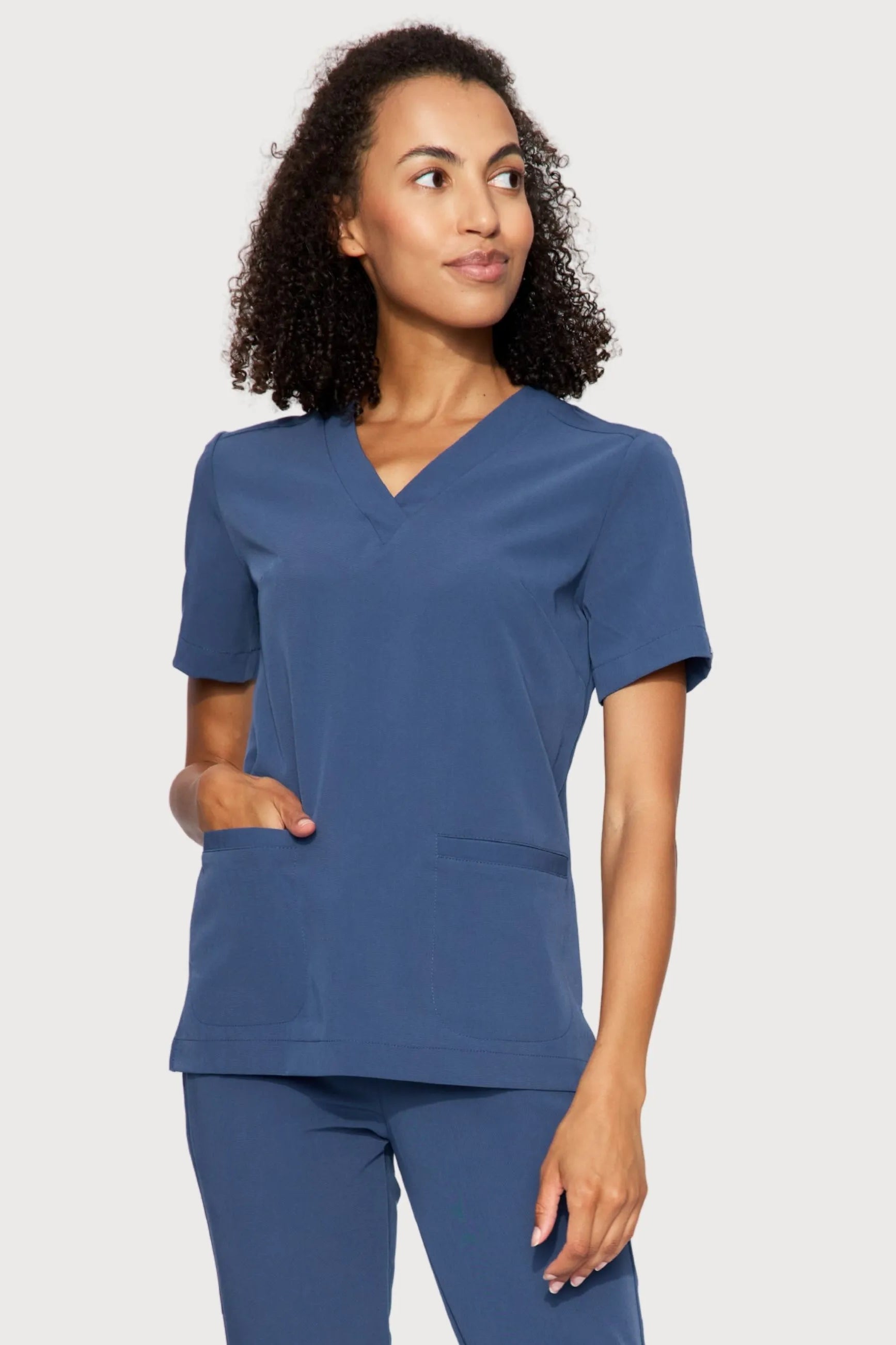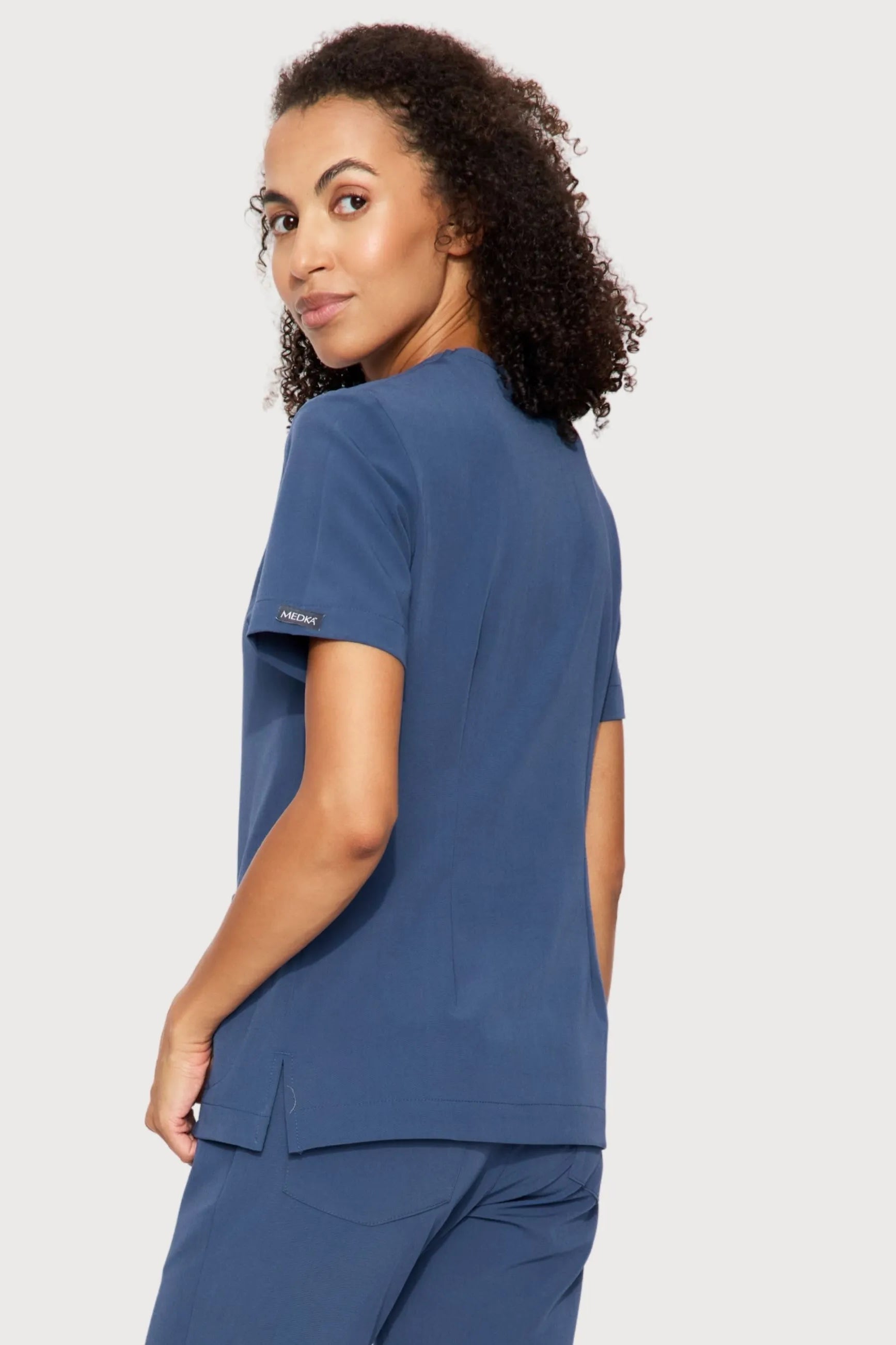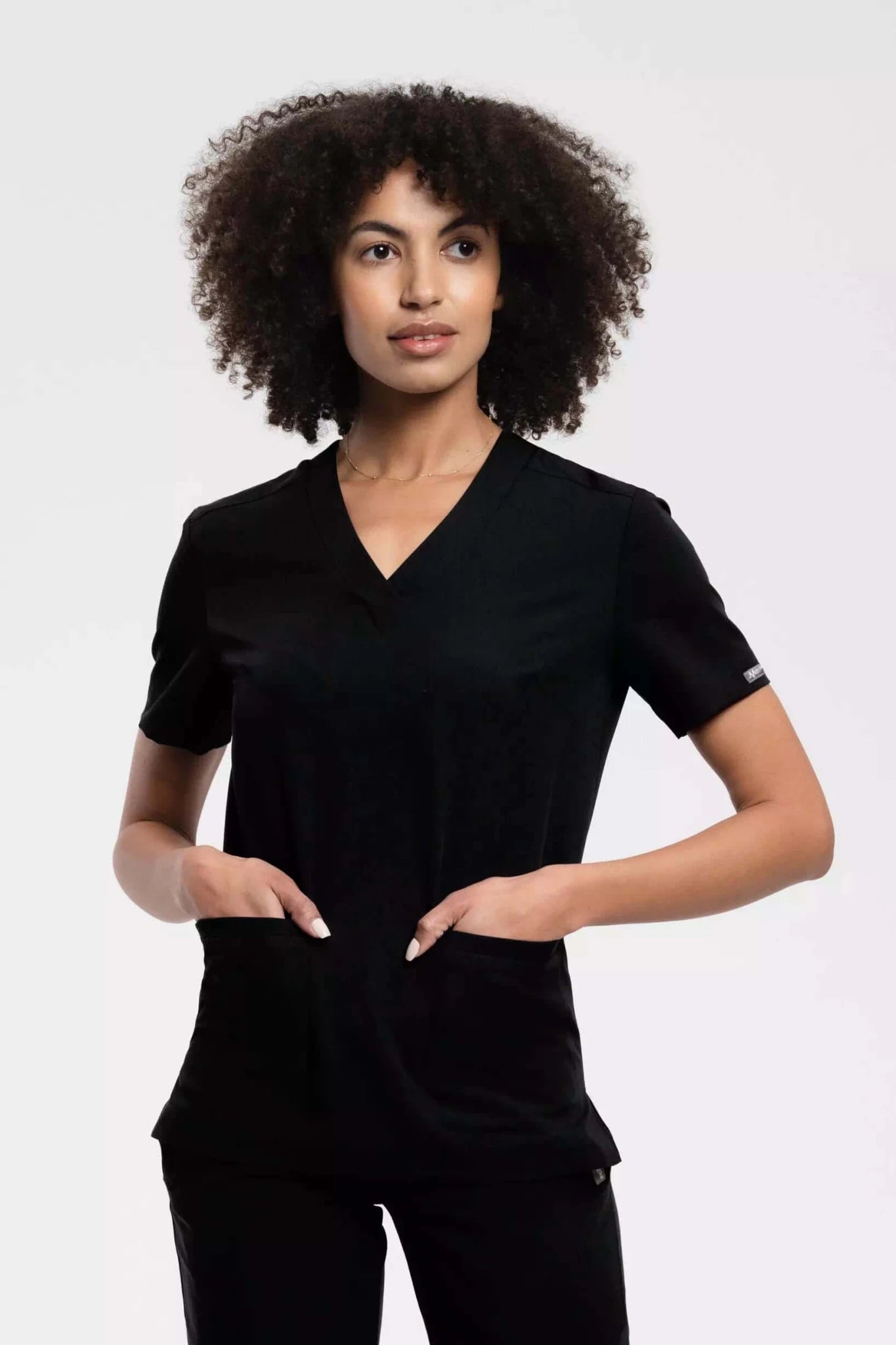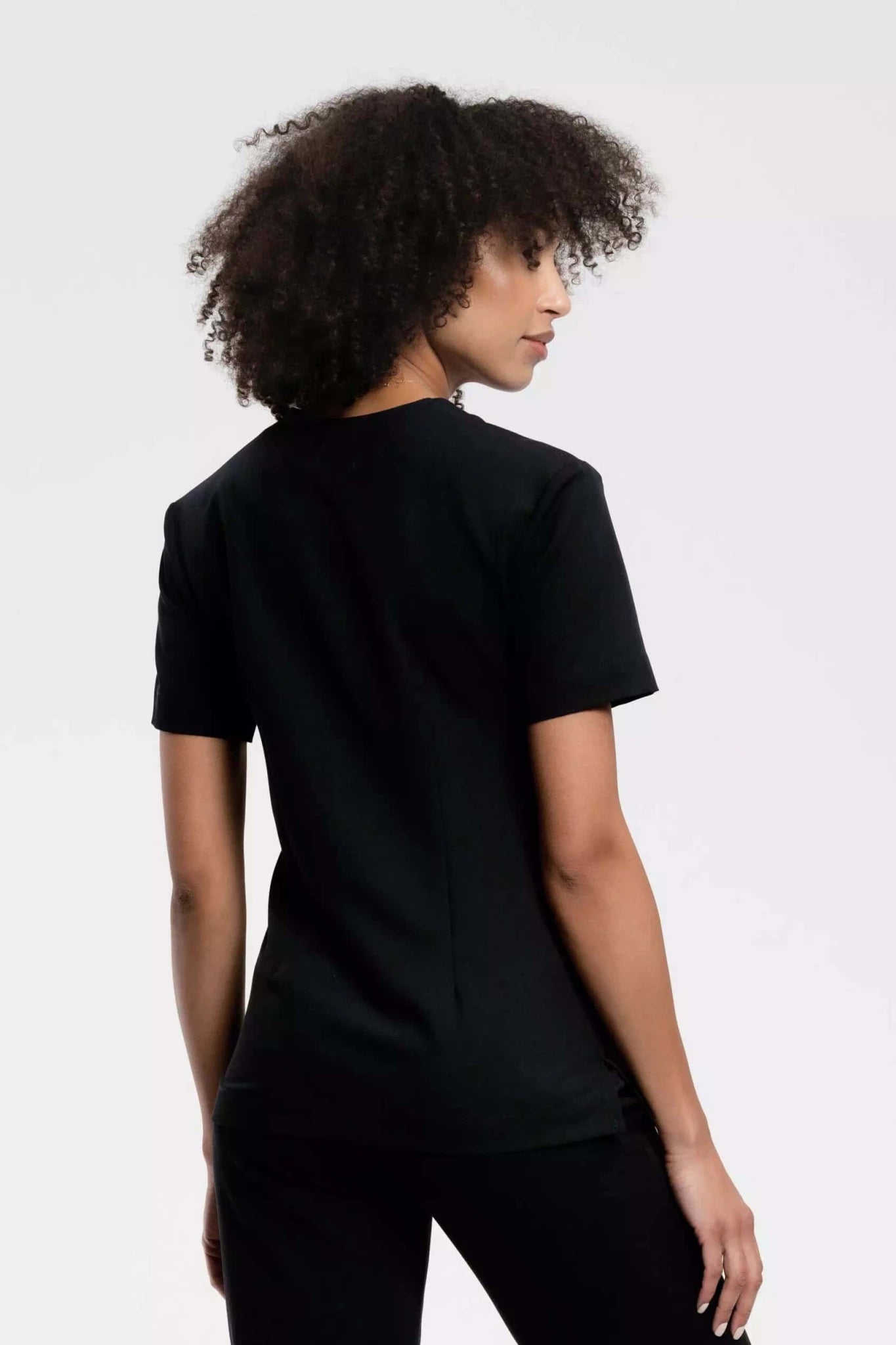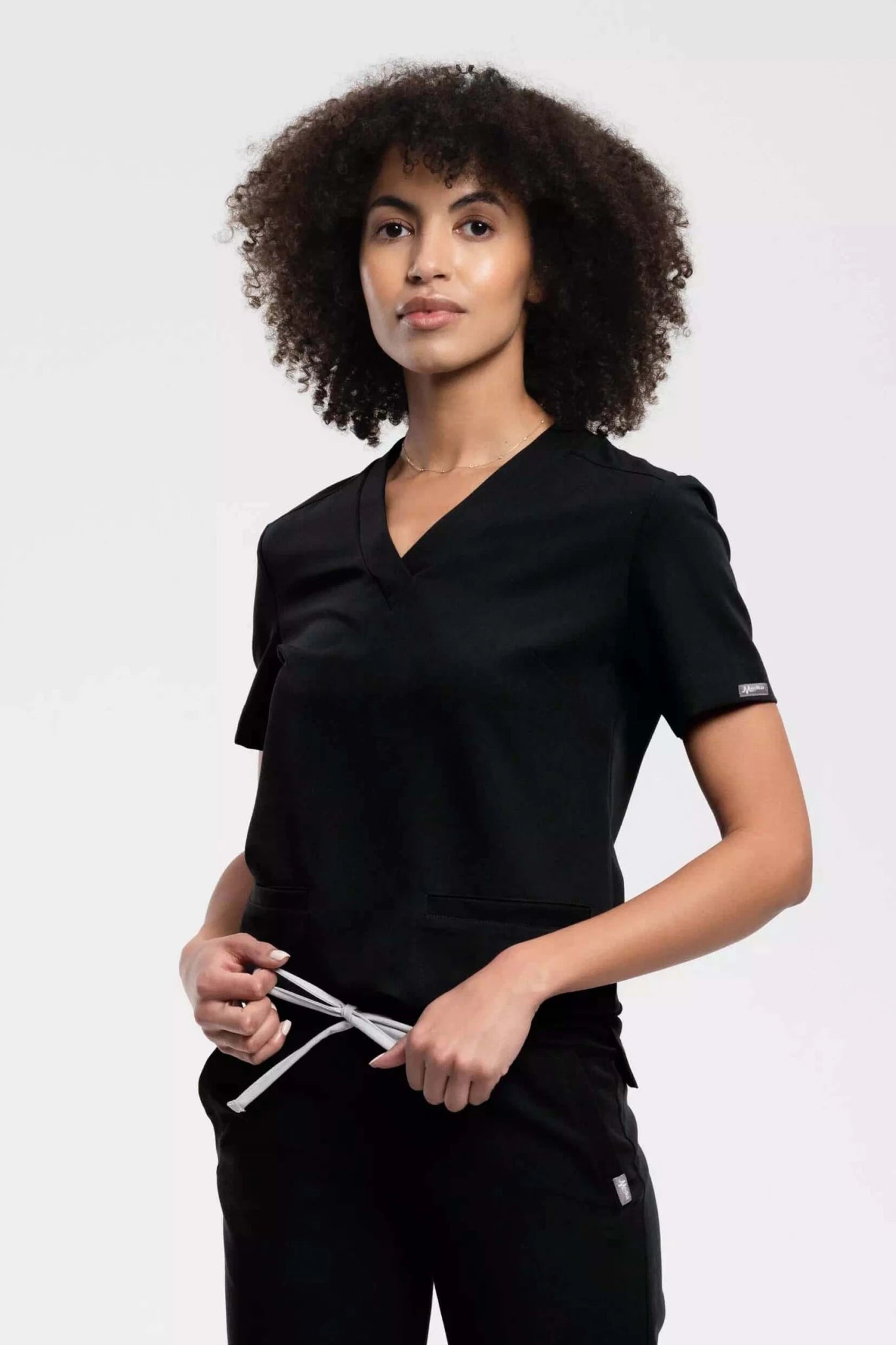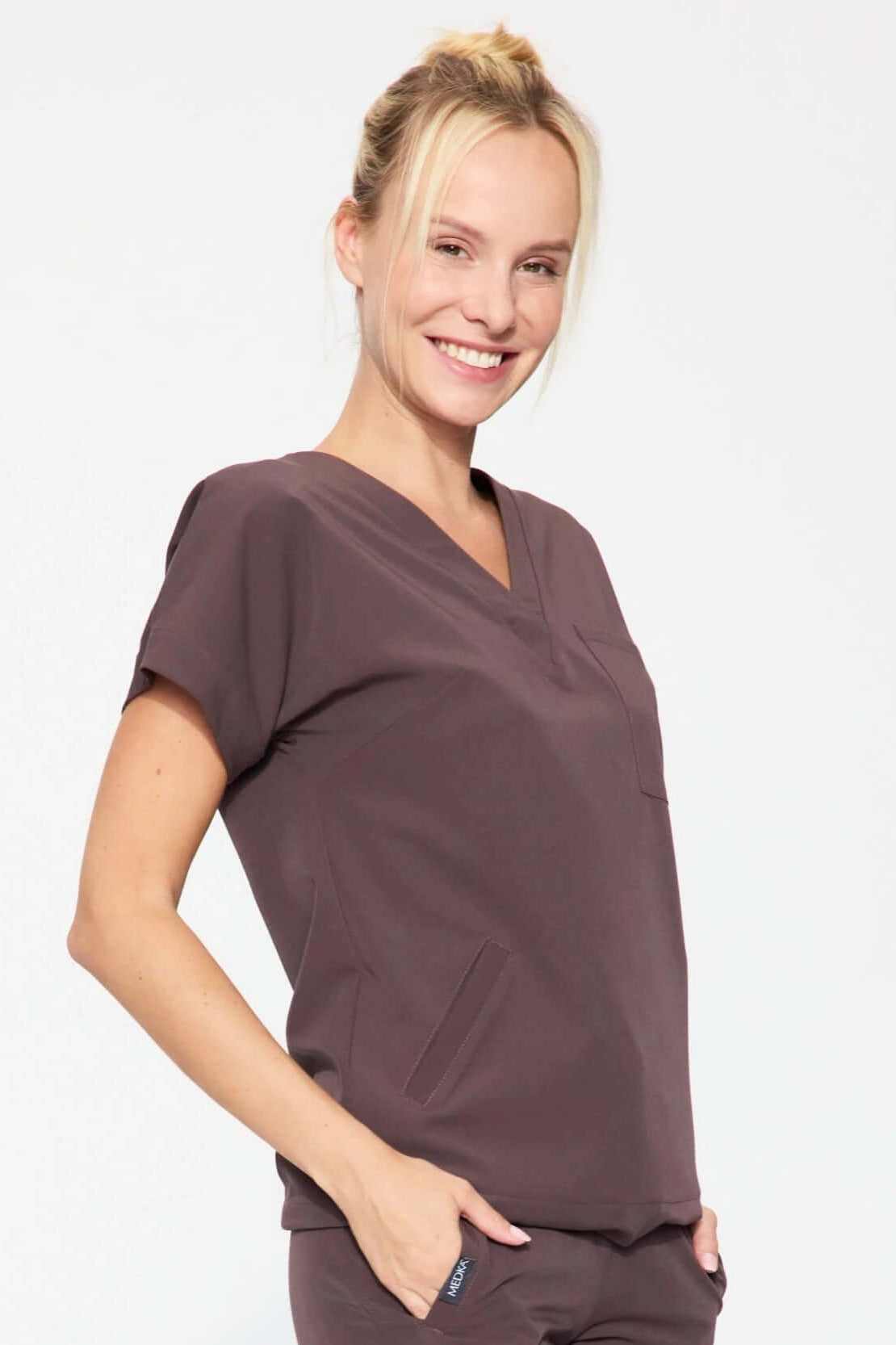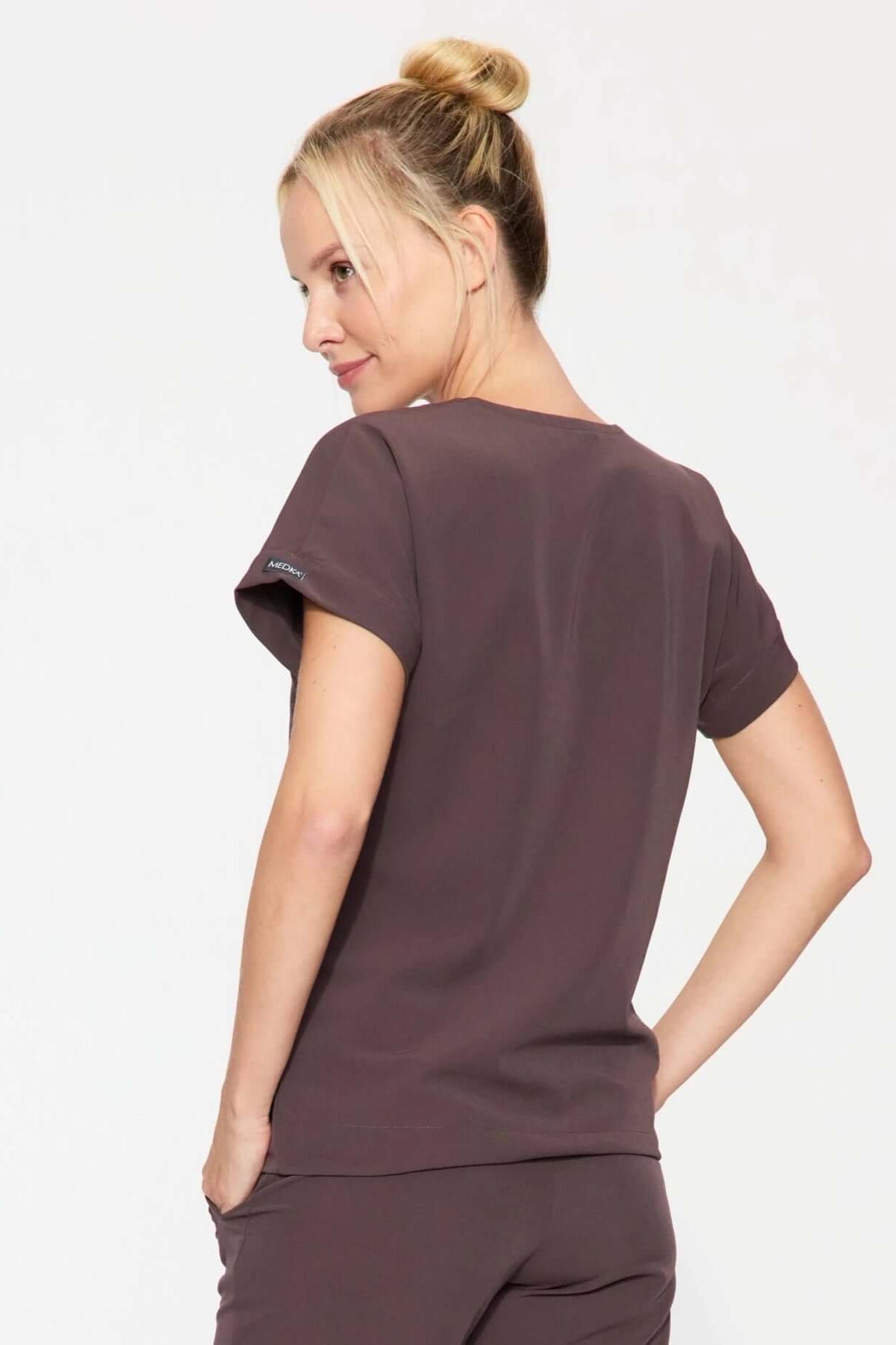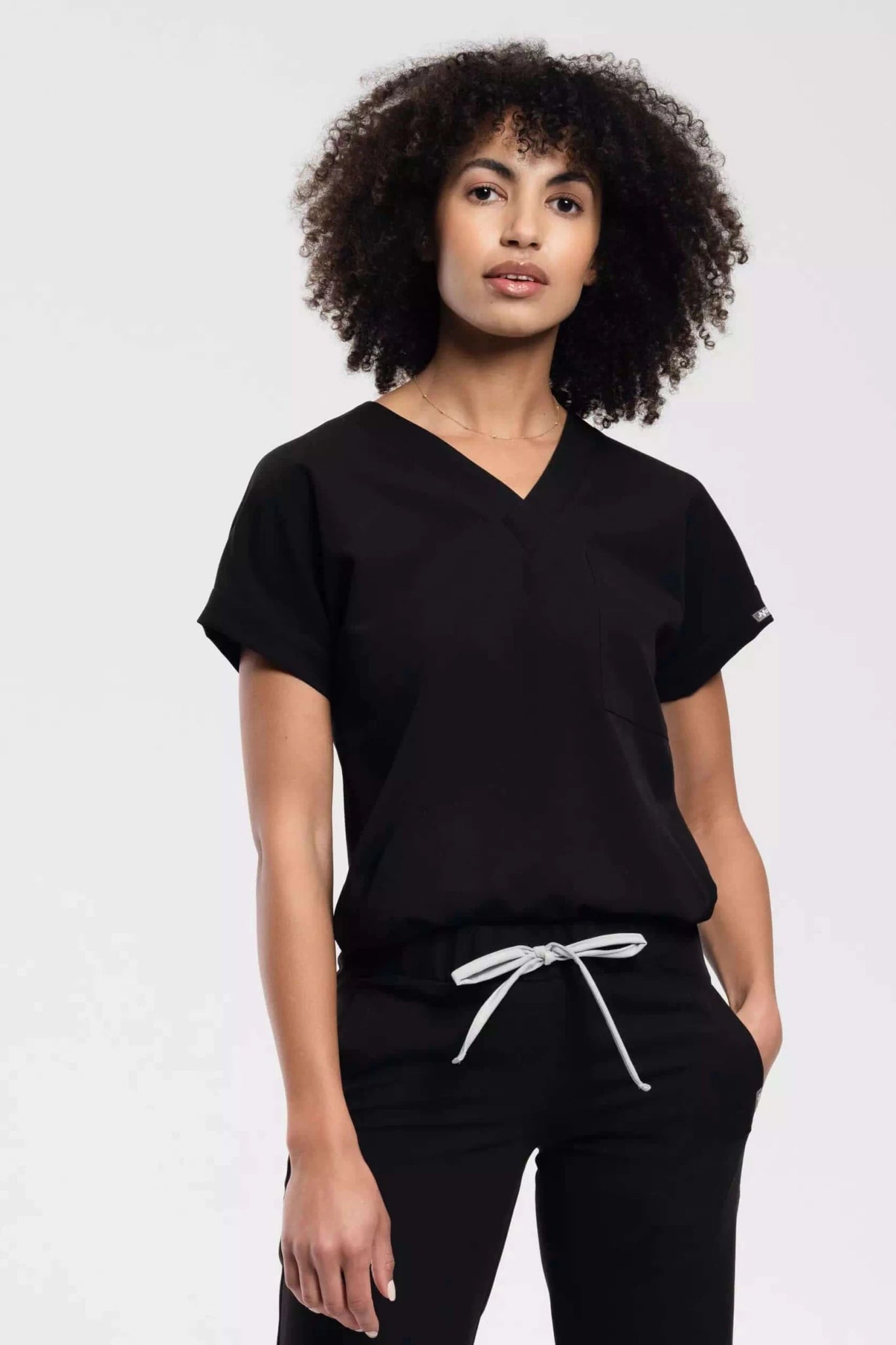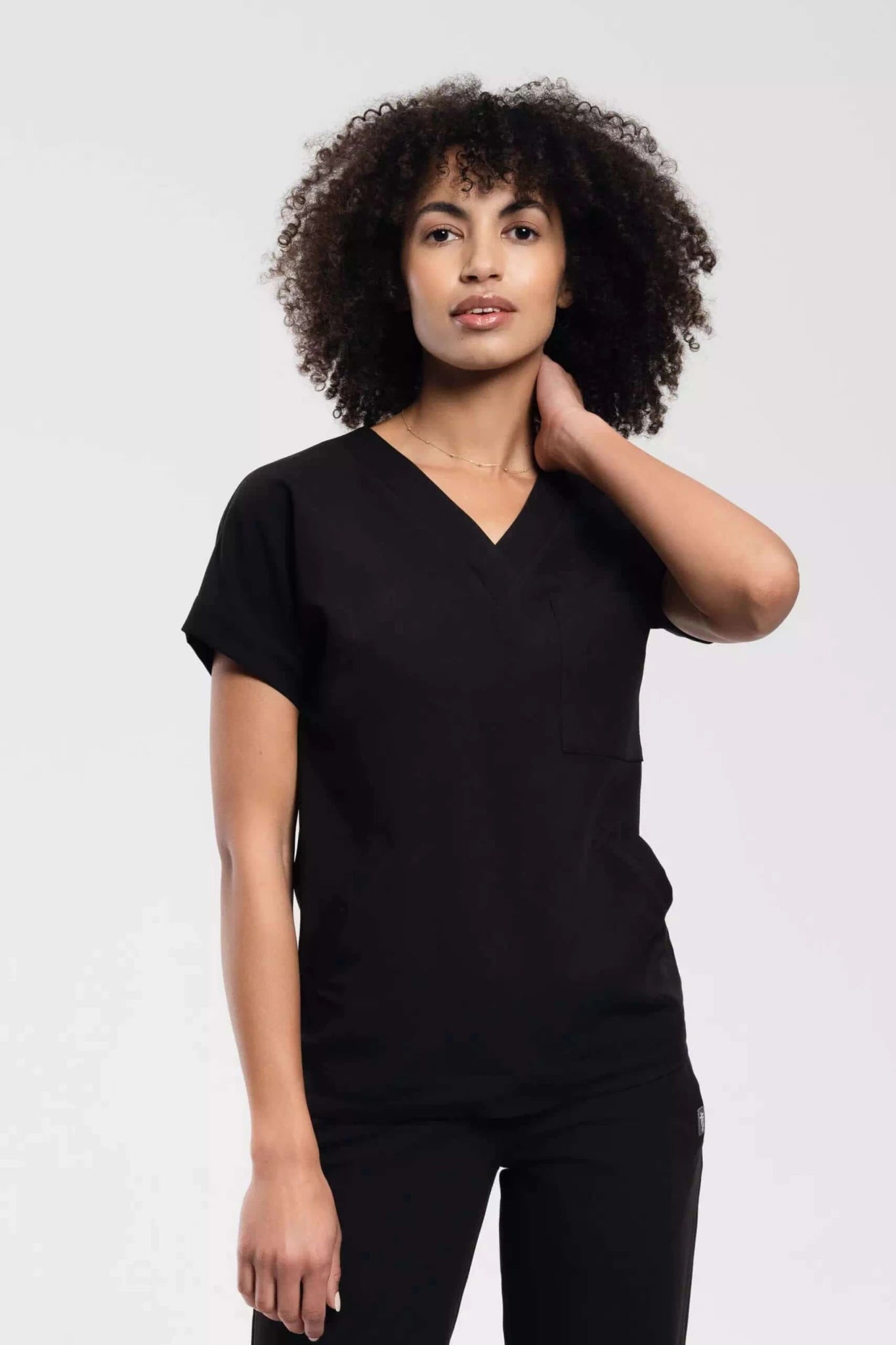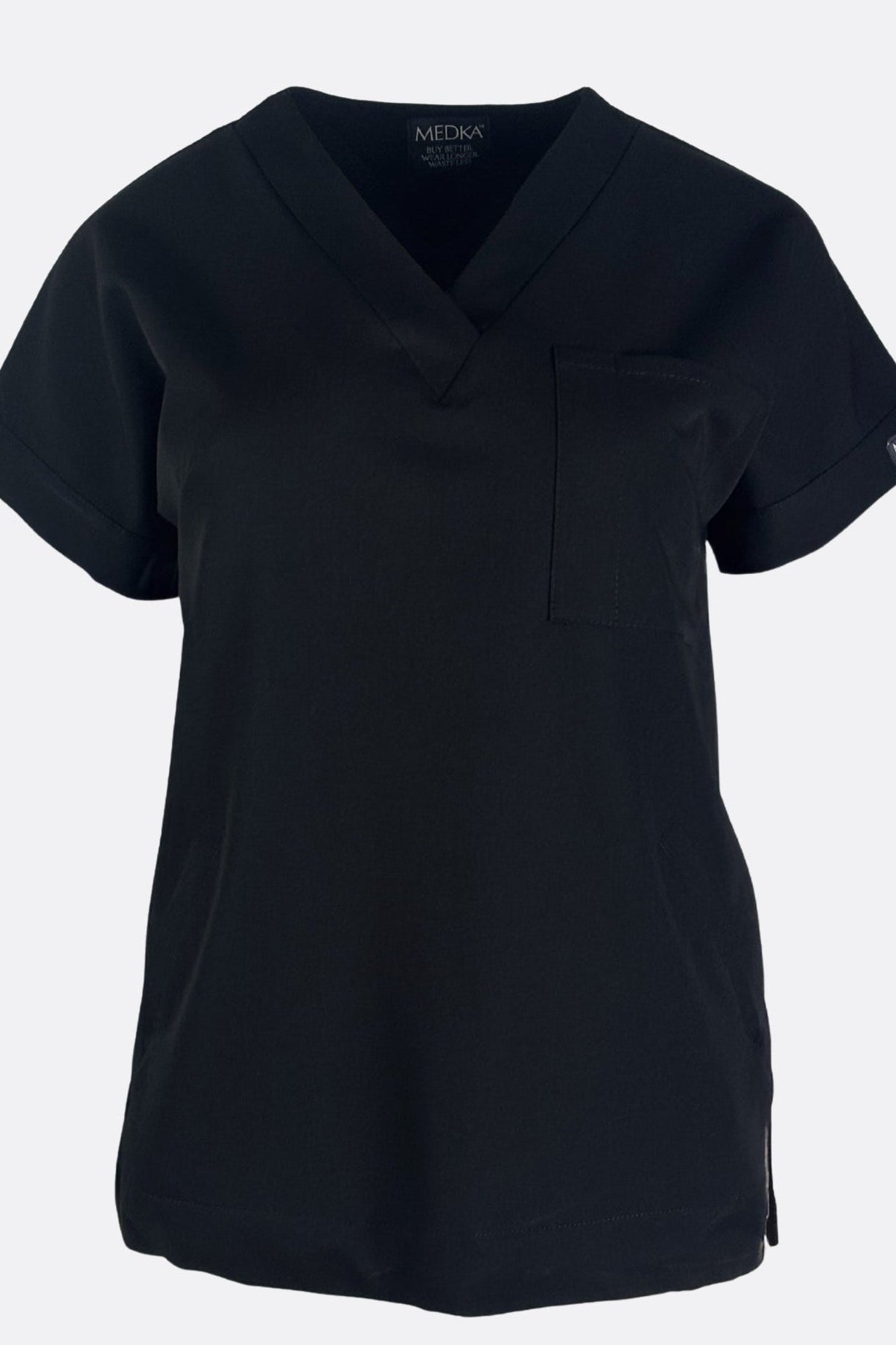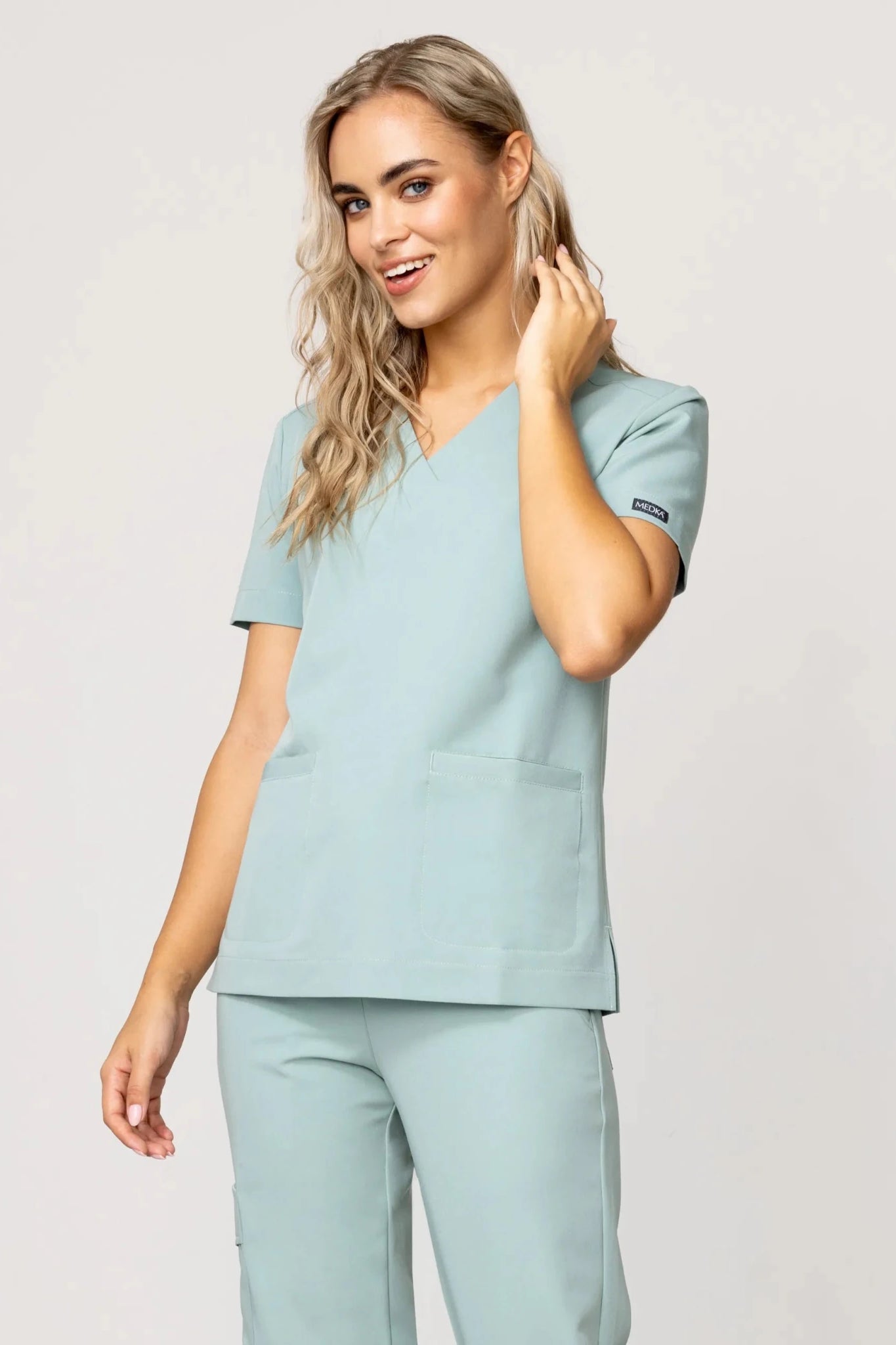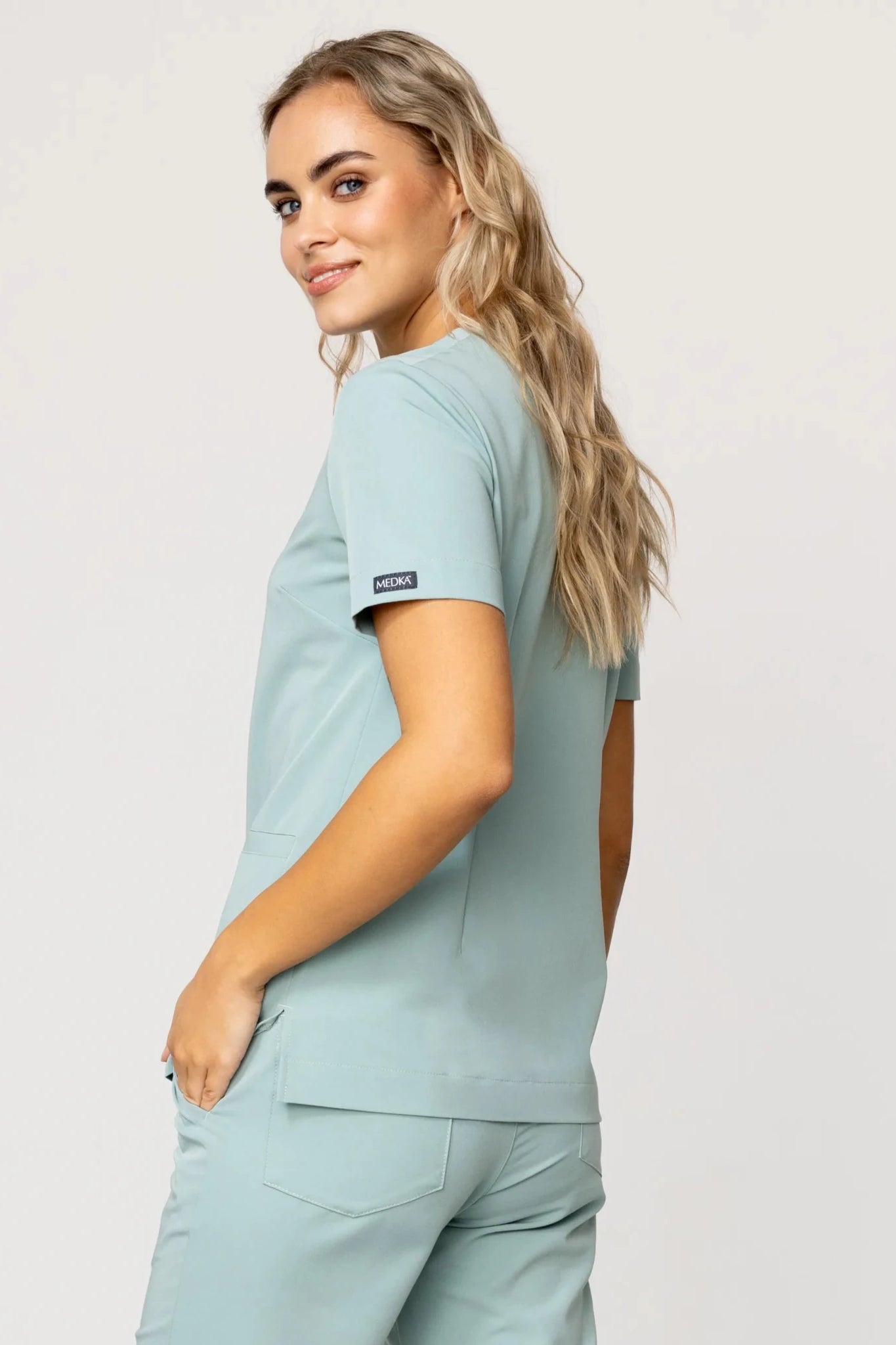





In the store, the difference between an apron and a set seems to be a matter of style. The regulations provide two separate regulatory statuses, two washing regimes and two different answers to the question of who pays for the uniform. The Office for Registration of Medicinal Products stated directly that the word "medical" on the label alone does not indicate a medical purpose for the product, and a typical set with a short-sleeved shirt and a wide neck opening does not meet the construction requirements for clothing for operating theaters. The Labor Code adds a rule that few people remember when signing a contract: work clothes are the property of the employer, and the obligation to wash them rests with the employer, not the employee. The choice between one or the other is decided at the level of the position, not the wardrobe.
What is the difference between a medical gown and scrubs?
Let's start with the seemingly obvious thing, because everything else follows from it. Medical apron it is an outer layer worn over something else: over private clothes, over a medical suit or over a dress. Scrubs it is a complete work outfit, i.e. a sweatshirt and trousers, worn instead of your own clothes, not on top of them.
This difference is not aesthetic, but functional. The apron is meant to separate what you come to work in from the work environment, which is why its classic design includes long sleeves, a front button fastening, and a length that reaches at least mid-thigh. The set does not have to separate anything, because it is work clothes itself and is washed in its entirety after changing.
A linguistic curiosity explains more than you might think. English it's a scrub means to scrub, and the name scrub suit originally refers to the clothes in which the surgeon washes and disinfects his hands before the procedure and then puts a sterile surgical gown on them. The Office for Registration of Medicinal Products points out that the Polish name "surgical clothes" is misleading as to the actual purpose of these clothes. The set was not intended as an outfit for surgery, but as what one would wear on the way to the room.
There is a third form in Polish facilities, less often called directly: a medical jacket or a zip-up sweatshirt, shorter than an apron and more presentable than an ordinary sweatshirt. It can be a solution for people who need an outer layer but do not want a full-length apron that limits movement when bending over.
Which outfit suits your position?
The answer depends mainly on how much time you spend on the move, how close you work to the patient and whether there is a risk of contact with infectious material. The list below organizes typical situations.
| Position | What dominates in practice | Why | Disclaimer |
|---|---|---|---|
| Operating block, treatment room | hospital clothing issued on site | zones and changing clothes in the lock apply | a private set from a store is not clothing for the operating theater |
| Conservative department, Emergency Department | medical kit | movement, on-duty duties, frequent change of position | an apron is sometimes required on the round |
| Clinic, primary care office | an apron or a set with an apron | the advantage of conversation and movement research | long sleeves interfere with hand hygiene |
| Dental office | set, short-sleeved apron for consultation | chair work, frequent washing | some institutions impose colors for professional groups |
| Physiotherapy, rehabilitation | complete | kneeling, demonstrating exercises | the apron restricts movement at the table and on the mat |
| Diagnostic laboratory | protective apron fastened | protection against reagents and infectious material | an ordinary medical gown is not personal protective equipment |
| Pharmacy, medical reception | apron or jacket | representative function, minimal risk | sanitary requirements are much more relaxed here |
A pattern emerges from the table that is worth naming. The more movement and the longer the change, the stronger the set wins. The more you talk, diagnose and contact with a patient who doesn't know you, the more the apron gives you. The middle of this scale, i.e. a clinic and a private office, is an area where both options are equally justified and are simply determined by preference and the regulations of the facility.
Some stores organize their offers according to this criterion, which makes it easier to narrow down the selection without browsing the entire assortment. The medka.eu store includes, among others: clothing for physiotherapists i dental clothing, and is conducted separately men's medical clothing, in which the cuts of sweatshirts and trousers differ from their women's counterparts.
In Poland, there is no single national regulation specifying what type of clothing medical personnel should wear. The rules are set by the institution in its internal regulations and it is there, not in the guide, that you will find a binding answer to your position.
Why is an ordinary suit not suitable for the operating theater?
This distinction can be a source of serious misunderstanding, because intuition tells us that since scrubs are associated with the operating room, the set bought in the store is suitable for the operating room. It is not suitable and this is due to specific technical requirements.
Clothing for operating theaters is a medical device within the meaning of Regulation 2017/745, and the requirements for it are specified in the EN 13795-2:2019 standard. The idea is to protect the patient against bacteria present on the exfoliating skin of the staff when the surgical field is open. The standard describes not only the material, but also the construction, because if the fabric is dense, bacteria escape through the openings on the head, arms and feet.
Hence, specific design requirements: arm and foot openings should be closed with cuffs or another solution that provides a good seal, and if the clothing consists of a sweatshirt and trousers, the sweatshirt should be tucked into the trousers or have a tight-fitting drawstring at the waist. The Registration Office formulates the conclusion directly: a set consisting of a short-sleeved shirt with a wide neck opening and pants with cuffed legs does not meet the construction requirements for clothing in operating theaters and cannot be safely used in such an application.
In other words: exactly what you buy as scrubs for everyday work is structurally unsuitable as block clothing. Not because it is of lower quality, but because it has a different purpose. People working in the block receive hospital clothes on site and their own set is mainly useful for making rounds, to the clinic and for traveling between departments.
Surgical gowns are yet another category. It must be sterile or intended for sterilization and meet the requirements of the EN 13795-1:2019 standard in terms of resistance to the penetration of microorganisms dry and wet, microbiological purity, dusting and resistance to the penetration of liquids. The only thing that connects it with a doctor's coat from a medical clothing store is the name.
When is an apron considered personal protective equipment and when is it regular clothing?
There is a distinction here that cannot be seen on the label, but which is of real importance when working with infectious material. The same product name can mean three completely different legal statuses.
First: regular medical clothing, i.e. sweatshirts, trousers and medical coats worn every day. These are articles covered by general product safety regulations. They are neither a medical device nor personal protective equipment.
Second: medical device, i.e. surgical gowns and clothing for operating theaters, described above. They protect the patient, not the wearer.
Third: personal protective equipment. A disposable apron intended to protect staff against infectious agents originating from patients is not a medical device, but category III personal protective equipment in accordance with Regulation 2016/425. Category III covers threats with very serious consequences, and products from this group must be certified by a notified body.
This gives us a warning that is worth remembering when shopping. The President of the Registration Office states that the mere description of the apron as "medical" is not sufficient to consider it a product for medical purposes. More: if the manufacturer demonstrates compliance of his product with the requirements of the regulation on medical devices, but does not specify the medical purpose on the label and in the instructions, then despite the CE marking and declaration of conformity, such an apron will not be a medical device. The CE mark on the label is therefore not proof of anything in this matter.
A practical conclusion for a person choosing a uniform: if the risk assessment for your position provides for protection against biological agents, the appropriate equipment is provided by the employer and it is certified clothing, not a set or apron purchased on your own. Everyday medical clothing is a working and aesthetic layer, not a barrier.
What does hygiene data say about this choice?
The hygiene argument is used on both sides of the dispute, and it is worth separating what is documented from what is believed.
The reference point is the British rule of exposed forearms. When working with a patient, the hands must remain bare up to the elbows, which excludes long sleeves, a watch on the wrist, rings and a tie. In practice, this means giving up the classic apron in favor of short sleeves. A study presented at IDWeek in 2017 provided support for this approach: during care simulations, long sleeve cuffs were contaminated with DNA tag significantly more often than short sleeves, at a rate of five out of twenty versus zero out of twenty, and in one of these cases the tag was transferred to another mannequin. It was also observed that people wearing long sleeves were less likely to cover their wrists when washing their hands.
However, the evidence does not go one way. A prospective study of 92 doctors at a district hospital showed no statistically significant difference in the number of bacterial colonies or the presence of pathogens on the hands between people who followed this rule and those who did not. A randomized trial comparing freshly laundered uniforms with infrequently washed aprons found similar levels of bacterial contamination after an eight-hour shift.
So the fair conclusion sounds different than the argument itself would suggest. There is no hard evidence that giving up the gown reduces the number of hospital infections. However, there is evidence that long sleeves touch the patient and the environment more often than short ones and that clothing becomes contaminated quickly, regardless of the cut. Hand hygiene remains crucial, and when it comes to clothing issues, the frequency of changing and washing is the most important.
This shifts the center of gravity of the entire decision. An apron worn for a week without washing is a worse solution than a set changed every day, and vice versa. The cut matters less than how many times a week the outfit goes through the washing machine.
Does the patient perceive the apron differently than scrubs?
Since hygiene does not provide a clear conclusion, it is worth checking the second argument, i.e. the patient's perception. The data here are extensive, but they lead to a more nuanced conclusion than is usually assumed.
A systematic review published in BMJ Open in 2015, covering 30 studies and over 11,000 patients, found a preference for a particular outfit or its positive impact on physician perception in 21 studies, or 70 percent. In 18 studies, or 60 percent, formal attire with a white coat won. The August 2025 update of this review, covering 32 studies from 2015 to 2024, confirmed the continued advantage of scrubs in the perception of professionalism, but also showed a marked increase in the acceptance of scrubs and a strong dependence on the clinical context.
Context is key here. In high-pressure settings, such as the emergency room and the operating theater, scrubs were consistently preferred and associated with professionalism. In palliative medicine, attire did not affect confidence or competence assessment. Preference for aprons was noted in orthopedics, surgery, dermatology, ophthalmology and gynecology.
There is one more result that requires us to treat this entire argument more carefully. The DRESS study published in 2026 in The American Journal of Medicine tested it in real conditions: five hospitalists worked alternately for a week in a white coat and a week in scrubs, and trust was measured with a validated scale in 274 hospitalized patients. The result was 2.00 points for the gown and 2.08 for the scrubs, with a p-value of 0.26. Statistically no difference.
Practical conclusion: the outfit works best in short contact, when it is the only available basis for evaluation. First visit to a private office, one-time consultation, emergency room. When a relationship lasts days or years, it ceases to distinguish anything.
Who pays for the uniform and who is responsible for washing it?
This part is all about money and is surprisingly often overlooked when talking about choosing an outfit. The Labor Code treats work clothes differently than private wardrobe and the consequences are tangible.
The types of personal protective equipment and work clothing and footwear, as well as the expected periods of their use, are determined by the employer in consultation with the company's trade union organization, and if there is no such organization, with a staff representative. This results from Art. 237⁸ § 1 of the Labor Code. Pursuant to § 2 of this article, both personal protective equipment and work clothes and footwear are the property of the employer.
There is an obligation that many people do not know about. Pursuant to Art. 237⁹ § 2 and 3, the employer is to ensure that work clothes have protective and functional properties, and to ensure their washing, maintenance, repair, dust removal and disinfection. If it cannot provide laundry, it can entrust it to an employee, but then it pays a cash equivalent in the amount of the costs incurred. The National Labor Inspectorate points out that the regulations do not impose a method of calculating this amount or exclude a lump sum settlement, so the details are specified in the company regulations.
However, there is a line that cannot be crossed. It is unacceptable to entrust an employee with the washing, maintenance, dust removal and disinfection of clothing that has been contaminated with chemical, radioactive agents or biologically infectious materials during the work process. Such clothing must be stored only in a place designated by the employer and undergoes the company's decontamination procedure. Taking it to the home washing machine is not a matter of convenience, but a violation of the regulations.
The consequence for the choice of outfit is specific. In positions where clothing is intensely dirty or contaminated with biologically infectious materials, the employee does not use his or her own work clothing, but those provided by the employer. Buying a private set for such a position is pointless, regardless of how well it fits. Where your own clothing is permitted, you are entitled to a cash equivalent calculated on the basis of the current price of the clothing and its period of use, in accordance with Art. 237¹⁰ of the Labor Code.
It is worth asking about this when signing the contract, because two establishments offering the same salary may differ by several hundred zlotys a year on clothing and washing.
What works best while on the move and what works at your desk?
On the purely functional side, the differences become visible only after a few weeks of wearing, and not in the fitting room. The list below collects those that are actually felt during the change.
| Criterion | Medical apron | Medical kit |
|---|---|---|
| Freedom of movement | limits when squatting, kneeling and reaching to the side | full, as long as the fabric has an admixture of elastane |
| Pocket capacity | usually larger, pockets lower and deeper | smaller, but distributed between the sweatshirt and pants |
| Hand hygiene | long sleeves make it difficult to expose the wrist | short sleeve does not interfere |
| Operating temperature | an extra layer, a problem in summer | lighter, easier to choose a layer underneath |
| Washing frequency | it is washed less often because it protects the clothes underneath | washes after each change |
| Preparation time | usually requires ironing | most often it is not required |
| Startup cost | one piece, but more expensive | two parts, several sets needed |
| Reception by the patient | stronger in short contact and in the office | better received in emergency room conditions |
Two rows in this table have more weight than the others. The line about washing frequency is directly linked to the section about hygiene: an apron is sometimes treated as an item worn for weeks, because there are clean clothes underneath, and this is its greatest weakness in practice. The line about the starting cost is also sometimes calculated incorrectly, because one apron looks cheaper than three sets, but the set is washed after each shift and for a full-time job, two pieces are not enough.
There is also a factor that is rarely mentioned, but felt every day: ironing. A classic apron made of a fabric with a high percentage of cotton requires a board after washing, while a set with a polyester blend usually does not. With five or six shifts a week, that's a real difference in free time.
When assembling your wardrobe, it is worth immediately thinking about two items that are usually purchased only after the first month. The first one is a T-shirt worn under a sweatshirt, because in air-conditioned offices and treatment rooms the set itself can be too cold and the apron does not compensate for this. The second one is the little things from the category accessories and socks matched to closed footwear in which you spend the entire shift.
Is it possible to combine both solutions?
In many places this is what it looks like, and it is sometimes the most reasonable answer, although rarely stated directly. The set serves as workwear, and the apron is worn only when needed.
This model works especially well in mixed work. A doctor who runs the clinic in the morning and works in the ward in the afternoon puts on a suit for the whole day and puts on an apron for the duration of the consultation. A physiotherapist in a private practice may keep the apron on for the first visit and functional examination, and remove it for therapy. The advantage is that the top layer can be removed in a few seconds, which cannot be done with the set.
An alternative to a full apron is a zipped sweatshirt or medical jacket, which is a shorter layer, less embarrassing when bending over, and still more presentable than the sweatshirt itself. This solution is worth considering by people who want an image effect without limiting the movement of the hips. If the entire team is moving to one standard, it makes more sense to use group orders than to assemble your wardrobe individually, a embroidery with name and title it also solves the problem of identification, which remains unresolved considering the color of the uniform itself.
For whom does merging make no sense? For people working at high temperatures and in constant motion, because the second layer simply increases the perceived temperature. For those who never have a situation in their position that justifies the apron, because then it hangs untouched. And for those working in zones where clothing issued by the facility is required, because private layers simply fall away there.
How to make this decision
Once all the elements are gathered, the painting is organized around three questions, not around aesthetic preferences. Is there a risk of contamination with biologically infectious material at your site? How many hours a day do you spend moving? How long is your typical patient contact?
The answer to the first question determines whether you choose at all. If the risk is real, the clothing is provided by the employer and must meet the requirements resulting from the risk assessment, and an ordinary apron or a set from the store will not do the job. The second question decides between the apron and the set in everyday work: movement favors the set, working in the office gives the apron a real advantage. The third one concerns the image and is the least binding, because in a long-term relationship with the patient, the outfit ceases to matter.
Before you buy anything, check the facility's regulations and ask who provides the clothing and who is responsible for washing it. These are two questions that take a minute and can save you several hundred zlotys and a whole wardrobe that you can't use. Information about the regulations is provided as of September 2026 and does not replace binding arrangements in force in a specific workplace.
Frequently asked questions
Below are short, practical answers to questions that most often arise when choosing clothing for work in health care. They concern shopping, care and formal issues.
How many sets of medical clothing do you need to start?
For a full-time employee, two sets are usually not enough because they are washed after each shift and one always dries. A reasonable minimum is three, and for shift work with on-call duties, four. An apron, if it is an outer layer worn over a set, is enough in two pieces.
Do medical students need aprons or scrubs?
It depends on the university and the type of classes. During laboratory exercises and in the dissecting room, a long-sleeved apron is usually worn, while a full suit is increasingly allowed during clinical classes. The requirements are specified in the syllabus or class regulations and it is worth checking them before purchasing, because buying both things at the same time is an unnecessary expense at the beginning.
At what temperature should medical clothing be washed?
The temperature is selected according to the label of a specific product, because not every fabric can withstand high temperatures without losing color and elasticity. What matters most is regularity, i.e. washing after each change, and not the temperature itself. Clothing contaminated with biologically infectious material does not go to the home washing machine, but to the company's decontamination procedure.
Does the color of medical clothing matter?
It does, but organizationally, not clinically. Many facilities assign colors to professional groups or departments so that patients and families can more quickly identify who they are talking to. White has an additional practical advantage, because light-colored fabrics are immediately visible when they are dirty, requiring a change of clothes.
Can an employer impose a specific type of clothing?
Yes. The types of work clothing and personal protective equipment are determined by the employer in consultation with the company's trade union organization or the staff representative. The facility's internal regulations may therefore specify both the type of clothing and its colors, and in positions with a risk of biological contamination, the use of personal clothing is excluded.
Can a disposable apron be reused?
No, if the manufacturer intended it for single use. Disposable gowns protecting personnel against infectious agents are category III personal protective equipment and their barrier properties are not guaranteed after use or washing. This is a separate product category, independent of everyday medical clothing.