




The path to this profession looks straight until you check the dates. Yes, you can enter it after biology, chemistry or biotechnology, but this gate closes on December 31, 2028 and after that date, only uniform master's studies in medical analytics or laboratory medicine will be available. In addition, there are things that no one warns the candidate about: the right to practice the profession is issued by the local government, not the university, meetings examining applications take place twice a month, copies of documents must be notarized, and the medical certificate must be of exactly one type. A mistake in any of these points means a delay of several weeks before your first job.
Who is a laboratory diagnostician and what is not allowed without a license to practice the profession?
Let's start with the thing that defines everything else. A laboratory diagnostician is the only person authorized to independently perform laboratory medicine activities in a medical diagnostic laboratory. It's not about prestige, but about specific legal consequences.
The Act of September 15, 2022 on Laboratory Medicine replaced the Act on Laboratory Diagnostics, which had been in force for two decades, and clarified the division of competences. Medical analytical technicians and other persons listed in the Act also work in the laboratory, but the scope of their activities is narrower, and the key moment of the entire process, i.e. authorization of the result, belongs to the diagnostician.
The National Chamber of Laboratory Diagnostics puts it bluntly: a laboratory test report authorized by a person who is not on the list of laboratory diagnosticians is an invalid medical document. A result without valid authorization is a piece of paper on the basis of which the doctor should not make decisions. This is where the rigorous procedure described below comes from.
It is worth immediately dispelling the idea that a diagnostician's job is to operate an analyzer. The analyzer performs the measurement. The diagnostician is responsible for whether this measurement makes sense at all: whether the material was suitable for testing, whether the controls were within range, whether the result is consistent with the clinical picture, whether there was no interference, whether the critical value was reported to the doctor. This part of the work is invisible to the patient and it is he who determines the quality of the laboratory.
What studies do you need to complete to become a laboratory diagnostician?
There is one basic path and it leads through the medical school. Uniform master's studies in medical analytics or laboratory medicine, ending with a master's degree, last five years and are offered by all medical universities in Poland.
There is also a two-cycle variant: a bachelor's degree in medical analytics, followed by a second-cycle degree and a master's degree in the same field. This is a less common solution, because most universities provide education in a uniform form.
A separate category includes people who started studies preparing to perform the profession of a laboratory diagnostician after the 2018/2019 academic year, conducted in accordance with the provisions of the Law on Higher Education and Science, and obtained a master's degree. In practice, it is the same field with a different formal name.
| Path to entry into the profession | What does it cover? | Validity period | What to watch out for |
|---|---|---|---|
| Medical analytics or laboratory medicine, uniform master's studies | 5 years at medical school | indefinitely | the shortest and surest way |
| Bachelor's degree plus second-cycle studies in medical analytics | two-cycle studies in the same field | indefinitely | available at only a few universities |
| Biology, biotechnology, chemistry, pharmacy or veterinary science plus postgraduate education in medical analytics | master's degree plus postgraduate studies ending with an exam | until December 31, 2028 | education must be provided by a university specializing in medical analytics |
| Biology, biotechnology, chemistry, pharmacy or veterinary medicine plus commenced specialization | master's degree plus training in one of four fields | starting by December 31, 2028 | qualifications only after obtaining the specialist title |
| A doctor with appropriate specialization | license to practice medicine plus specialization | indefinitely | specific field of specialization required |
| Foreign diploma | recognition of qualifications by KRDL | indefinitely | the recognition procedure is ongoing and requires translations |
The table shows something that is missed when reading the regulations superficially. The middle two items have an expiration date and the rest do not. This is not an editorial detail, but a real boundary of career planning.
Is it still possible to enter the profession after biology, chemistry or biotechnology?
Yes, but the clock is ticking and it is worth knowing the exact wording of the recipe, because the difference between the two variants is significant.
First option: by December 31, 2028, you must complete uniform master's studies or first- and second-cycle studies in biology, biotechnology, chemistry, pharmacy or veterinary medicine, obtain a master's degree or equivalent, and then complete postgraduate education in medical analytics at a university offering this field, confirmed by an exam. Practical note: not every medical school offers such education, and the number of places is sometimes limited, so checking the offer of specific universities is the first, not the last step.
Second variant: the same set of fields of study, but instead of postgraduate studies, specialization training in the field of clinical analytics, laboratory diagnostics, microbiology or toxicology begins by December 31, 2028. There is a trap here: qualifications to practice the profession are obtained only after completing this training and obtaining the specialist title. Just starting doesn't give you anything, and specialization takes several years.
For whom does this side path make no sense? For someone just starting their studies. A person choosing biology today with a view to later moving to laboratory medicine has a very tight calendar, because he or she must complete a master's degree and all postgraduate education before the end of 2028. It is much safer to apply for a medical analyst right away. The path through related fields makes sense especially for people who already have a diploma and want to change the industry.
There is a separate gateway to the medical path. The right to practice as a diagnostician may be obtained by a doctor who has a first- or second-degree specialization in the field of analytics, microbiology or laboratory diagnostics, a second-degree specialization in microbiology and serology, or a specialist title in laboratory diagnostics or medical microbiology. This is a solution for people who are already in the system, not a plan to enter the profession from scratch.
What is the procedure for obtaining the right to practice a profession?
This is where candidates waste the most time, because the diploma itself does not entitle you to anything. The right to practice the profession of a laboratory diagnostician, abbreviated PWZDL, is granted by the National Council of Laboratory Diagnostics, not the university or the employer.
The application is submitted to the National Chamber of Laboratory Diagnostics, together with a set of attachments. Among other things, you need a document confirming your qualifications, a declaration of full legal capacity and a certificate of health allowing you to perform the profession. A fee of PLN 200 is charged for examining the application for the statutory activities of the Chamber, as of September 2026.
Two details cause the most rejections. First, copies of the transferred documents must be notarized. Secondly, the medical certificate must come from a family doctor or an occupational medicine doctor and concern the health condition allowing the person to perform the profession of a laboratory diagnostician. This is not the same as a standard certificate of ability to work in a specific position, which is issued upon employment, and a mistake is easy because both documents come from the same office.
In addition to the qualifications, the Act requires the enjoyment of full public rights, the absence of a final conviction for an intentional crime prosecuted by public indictment or an intentional fiscal crime, a guarantee of proper performance of the profession and knowledge of the Polish language, both spoken and written, to the extent necessary for work.
It is also worth knowing the rhythm of application processing in advance. The Presidium of the National Council meets on the first and third Tuesday of the month, and the complete set of documents must reach the Chamber no later than five full business days before the meeting. Submitting an application on Monday before the Tuesday meeting means waiting until the next date.
And the thing that saves the first weeks of work: if the entry on the list has already been made, but the physical PWZDL document has not yet arrived, a certificate of entry on the list of laboratory diagnosticians is enough to take up employment. Many graduates do not know about this and unnecessarily postpone their start.
How long does the whole journey take and what are its stages?
Realistic planning requires dividing the process into sections, because more time passes between the defense of the diploma and the first independently authorized result than would result from the academic calendar.
| Stage | Approximate time | Formality or cost |
|---|---|---|
| Studies in medical analytics | 5 years | recruitment based on high school leaving exam results |
| Completing documents for PWZDL | 2–6 weeks | notarial certificates, medical certificate |
| Consideration of the application by the KRDL Presidium | up to several weeks | fee PLN 200, meetings twice a month |
| Start of work based on the registration certificate | immediately after the entry | the PWZDL document arrives later |
| Application for specialization training | two recruitments per year | application by SMK to the voivode |
| Specialization training and examination | several years, depending on the field | completed PESDL |
It is worth noting that at the beginning of your career, it is not your studies that are the bottleneck, but the formalities. Five years of education have a known schedule in advance, and a delay of several weeks at the stage of applying to the Chamber may surprise a person who has already signed a contract and set the date of starting work.
How to get into specialization and which fields are available?
Specialization is not obligatory to practice a profession, but in practice it divides the career into two different trajectories: wage and position. Let's start with how to get there.
The preliminary condition is clear: you must already have the right to practice the profession. The application is submitted via the Medical Workers Education Monitoring System to the voivode competent for the voivodeship in which the training is to be carried out, and admission is determined by the qualification procedure.
The deadlines are rigid and repeat every year. Applications are accepted from November 15 to December 15, for proceedings conducted from December 16 to January 15, and from April 30 to May 31, for proceedings from June 1 to June 30. Missing the window means waiting half a year.
Thirteen fields are available: medical cytomorphology, epidemiology, laboratory medical diagnostics, laboratory medical genetics, laboratory forensic genetics, laboratory medical hematology, laboratory medical immunology, laboratory medical parasitology, laboratory medical toxicology, laboratory forensic toxicology, laboratory medical transfusionology, medical microbiology and health public.
The training is provided by universities offering studies preparing for a profession, after obtaining accreditation from the director of the Postgraduate Medical Education Center. This is an important practical limitation because the availability of a specific field may depend on whether any university within a reasonable distance is accredited for it.
There is also a shortened route, rarely described. A diagnostician with documented scientific or professional achievements in a given field may apply for recognition of these achievements by the Minister of Health as equivalent to completing a training program. After a positive decision, he/she proceeds directly to the State Specialization Examination for Laboratory Diagnostics. This is an option for people with publications and many years of experience in a narrow area, not for someone at the beginning of their journey.
How much does a laboratory diagnostician earn?
The answer depends on whether we are asking about the statutory minimum in a healthcare entity or the actual market median. These two numbers diverge and it is worth understanding why.
Remuneration in medical entities is regulated by the Act on the method of determining the lowest basic salary of certain employees employed in medical entities. The basis is the base amount announced by the President of the Central Statistical Office, and from July 1, 2026, it amounts to PLN 8,903.56 gross. After conversion with coefficients, this gives the lowest basic salary of PLN 9,081.63 gross for a diagnostician without specialization and PLN 11,485.59 gross for a diagnostician with specialization. As of September 2026.
The difference between these two amounts exceeds PLN 2,400 per month and this is the strongest financial argument for specialization. On an annual basis, we are talking about a gross difference of almost PLN 29,000 in basic salary alone.
However, salary surveys show the market median at approximately PLN 7,820 gross, which is below the statutory minimum for a full-time position in a healthcare entity. This is not a contradiction, but an effect of the employment structure. The statutory rates apply to the basic remuneration of employees employed under employment contracts in medical entities. Part of the market, especially large laboratory chains, operates in other forms of cooperation, and the median also includes people with short experience and part-time jobs. Practical conclusion for the candidate: the form of employment is more important for the wallet than the name of the employer.
In addition, there is an entitlement that few people remember during negotiations. A laboratory diagnostician is entitled to paid training leave of up to six working days per year for continuing professional development, paid according to the rules applicable to the calculation of remuneration for annual leave. The employer is obliged to enable this development, and the date of leave is agreed individually.
For whom this job will not be a good choice?
An honest image of the profession requires naming things that do not appear in the descriptions of fields of study. The hospital laboratory works continuously, so shift work, nights, weekends and holidays are the norm, not the exception. This is the first filter that eliminates many people.
The second filter is the nature of responsibility. The diagnostician is responsible for the result he signs, and usually does it without contact with the patient, without feedback on how the treatment went, and under time pressure. A pre-analytical error made elsewhere, such as a poorly collected sample, comes back to the lab as its problem. People who need to see the results of their work and hear thanks are more likely to burn out in this profession than in a department job.
The third issue concerns the proportion between routine and thinking. A large part of the day involves repetitive activities: operating analyzers, quality control, verifying alarms, working with a microscope. Moments requiring real interpretation come less frequently and it is these moments that determine satisfaction. A candidate who imagines everyday detective puzzles will be disappointed. Anyone who likes precise, orderly work with clear procedures will find their place here.
It is also worth knowing that the market is not homogeneous. A hospital laboratory, a commercial network laboratory, a genetics laboratory, a blood donation station and a forensic laboratory are five very different environments, differing in pace, independence and development opportunities. The choice of field of specialization largely determines which one you will end up in.
Where can a diagnostician buy medical clothing for work?
On the formal side, what remains is a prosaic matter, which the graduate usually takes care of in the last week before the first shift. The uniform works differently in the laboratory than in the ward and this changes the purchase criteria.
The specifics are specific. Clothing comes into contact with reagents, dyes and disinfectants, so stains appear not from blood, but from fuchsin, methylene blue or alcohols. Washing is carried out frequently and at high temperatures, which ruthlessly verifies the durability of the dye in the fabric. When pipetting and working with a microscope, the arms are in repetitive motion for most of the shift, so the cut cannot drag on the shoulders. The pockets need to hold a pen and phone when bending over the tripod. Jewelry is not worn on the hands, and the sleeve should not enter the work area.
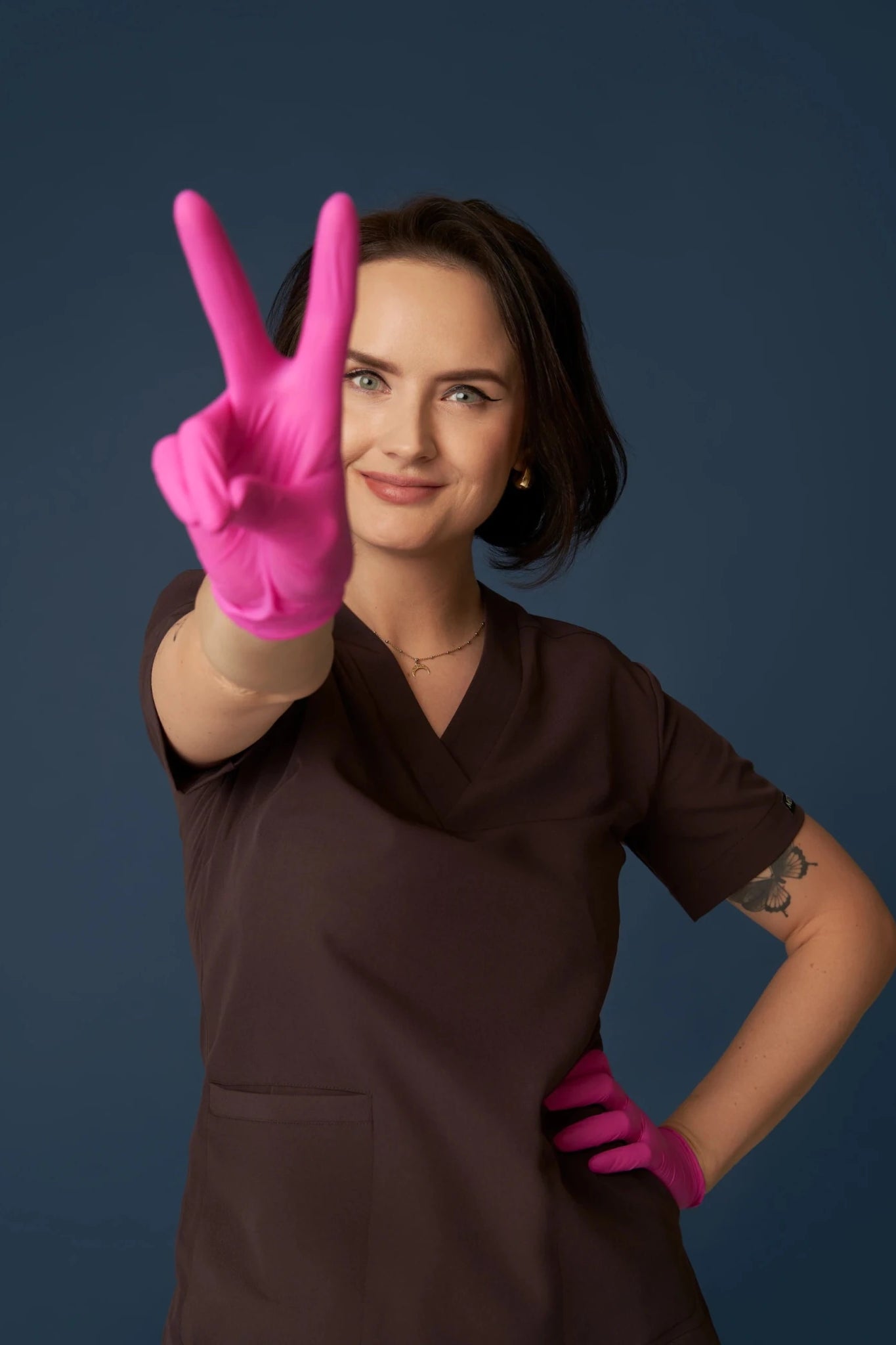
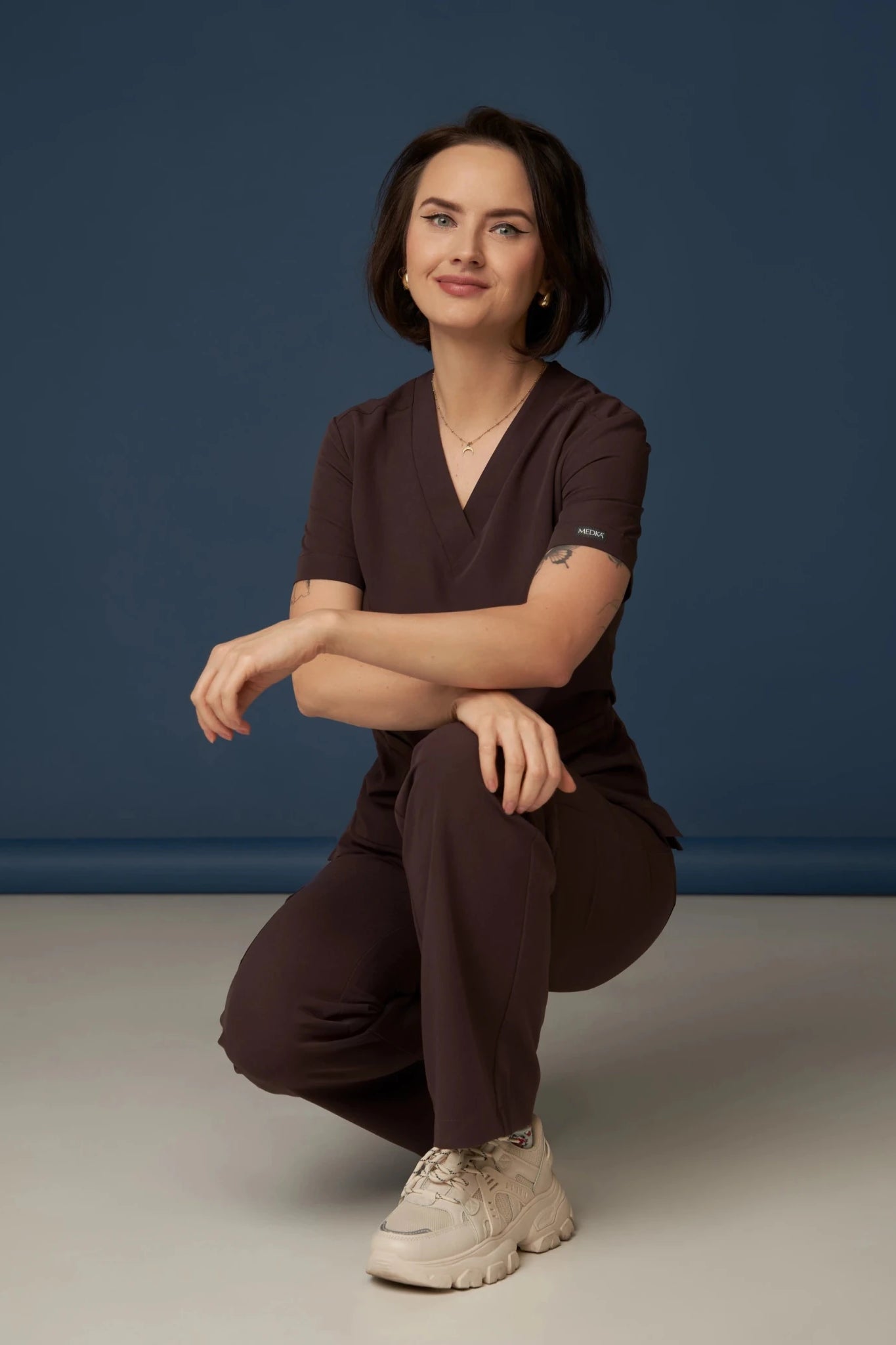
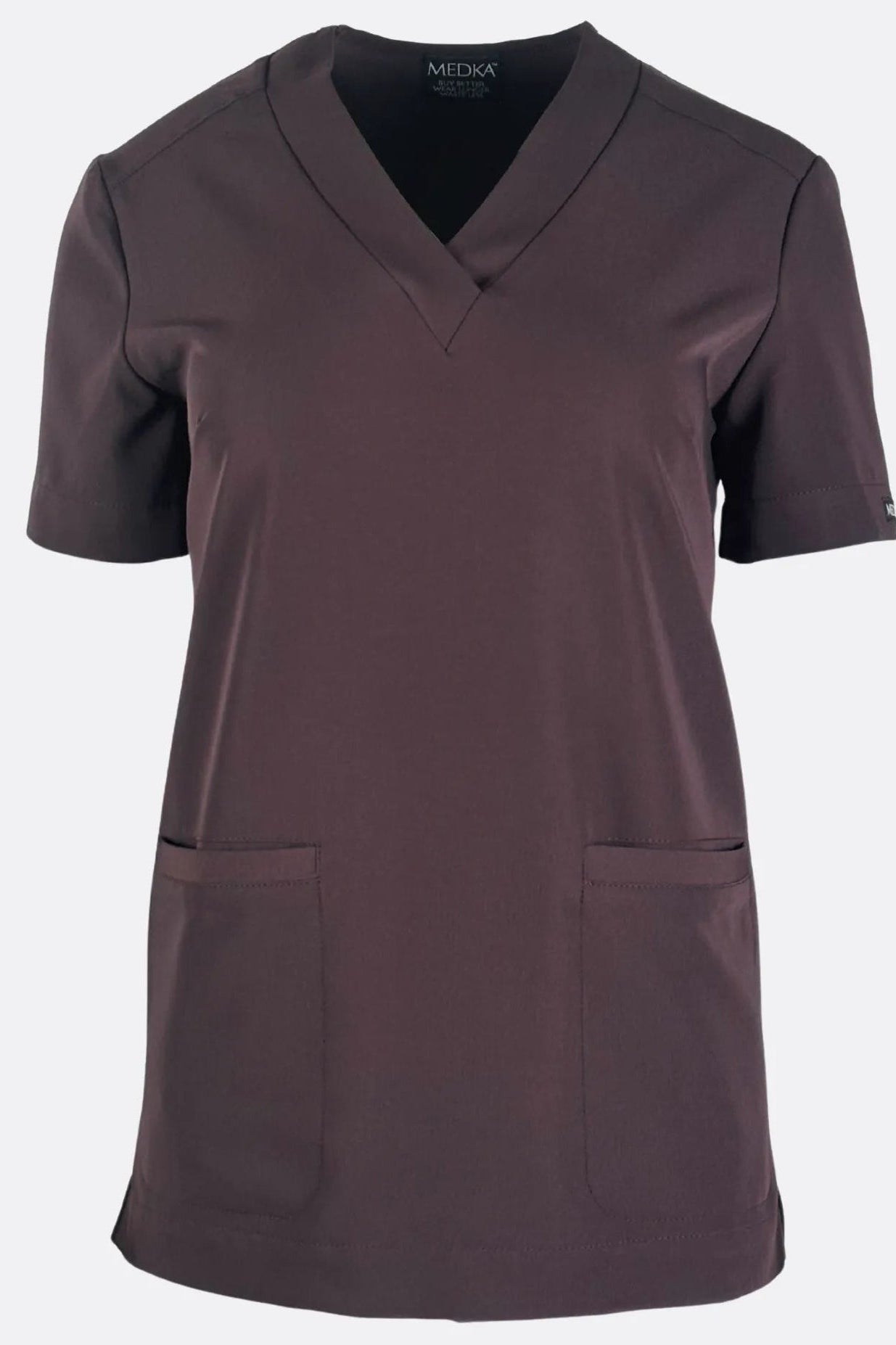
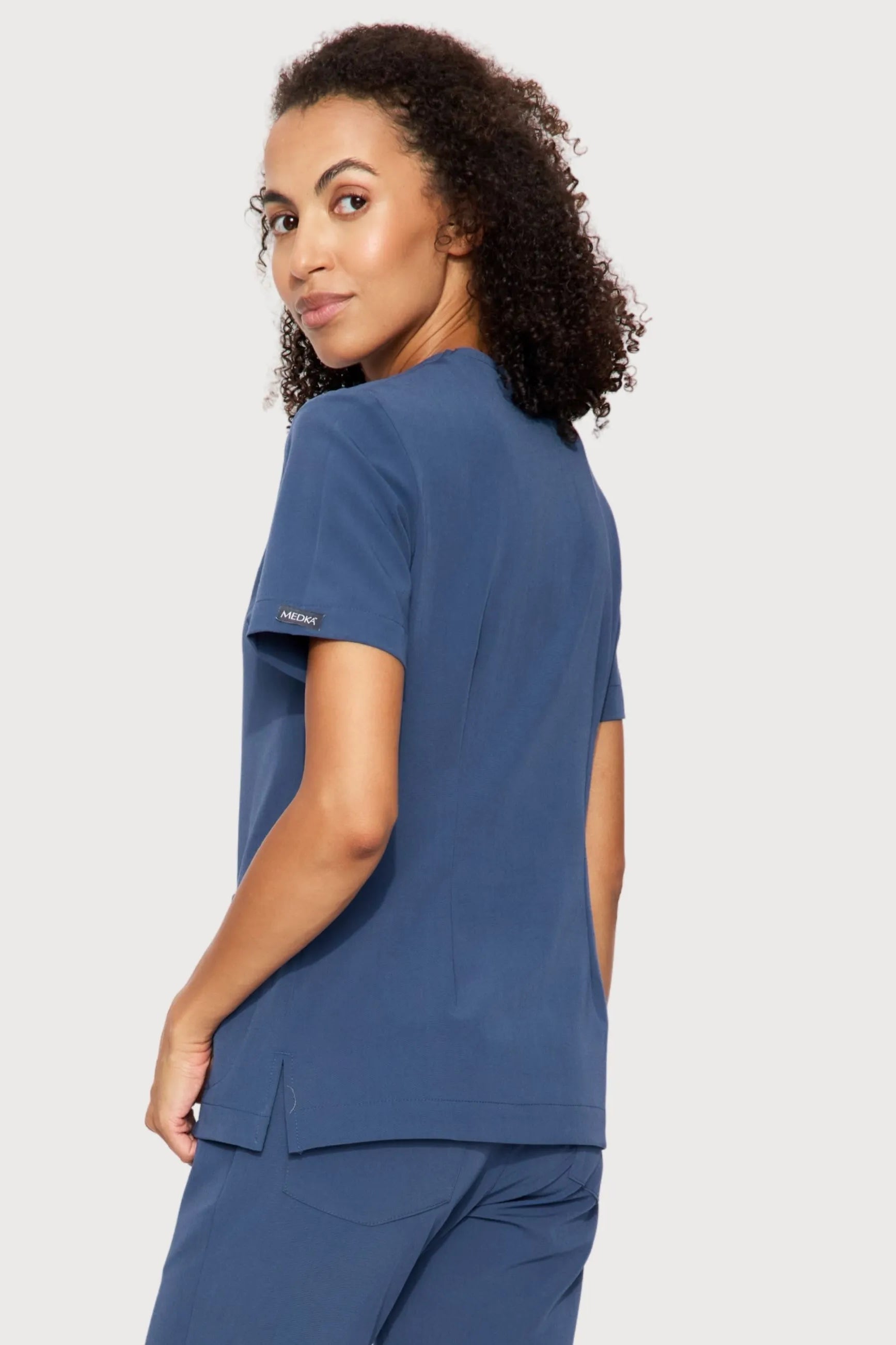
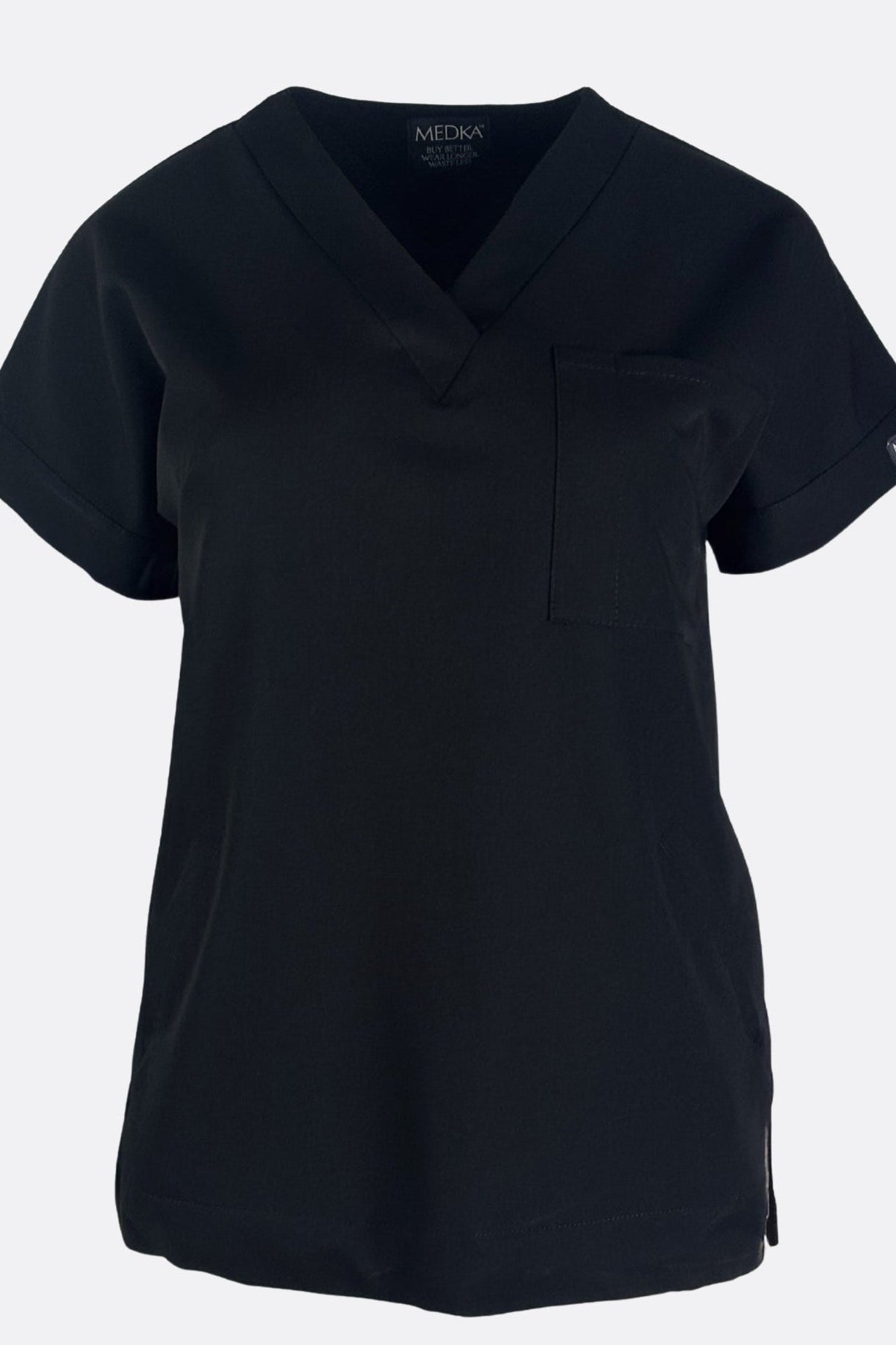
The medka.eu store is a Polish brand that designs and sews medical clothing locally, with an assortment that covers all these needs. The offer includes sweatshirts and women's medical trousers and men's, medical kits, medical t-shirts worn under sweatshirts, aprons, socks and medical accessories. Prices, as of September 2026, start from PLN 189.90 for a sweatshirt and PLN 209.90 for trousers, so the set costs around PLN 400. The materials are selected for frequent washing and resistance to disinfectants, some sweatshirts have pockets with magnetic fasteners and an ID holder, and the trousers are available in two leg lengths with additional adjustment at the waist.
Two things here are more practical than they look. The color palette includes several dozen shades, which is important in laboratories that use colors to distinguish laboratories or professional groups. Embroidery with a name and title also works, as well as group orders, useful when the entire workshop switches to one standard. After verifying their status, students of medical analytics receive a permanent 15 percent discount, delivery above PLN 450 is free, and the return period is 60 days, which actually reduces the risk when purchasing without a try-on.
One reservation must be stated directly, because it concerns safety. Medical clothing is not the same as the personal protective equipment required when working with infectious material or hazardous substances. Barrier aprons, gloves, safety glasses and shields result from a risk assessment at a specific position and are provided by the employer in accordance with occupational health and safety regulations. The daily medical suit is a work layer, not splash protection. It is also worth checking the laboratory regulations before purchasing, because some facilities impose specific colors or issue their own clothing, and then private sets may turn out to be unnecessary.
What is worth considering before making a decision
Once you put all the pieces together, the picture is quite clear. The simplest and surest path to the profession is a five-year uniform master's degree in medical analytics or laboratory medicine, because it has no expiry date and does not require additional stages of education.
The path through related directions is still operational, but it is exhausted. Anyone who already has a degree in biology, chemistry, biotechnology, pharmacy or veterinary medicine and is considering changing the industry should count back from December 31, 2028, not from the moment they feel ready. Anyone who is just choosing a field of study has no reason to choose this option.
It is worth taking post-diploma formalities more seriously than intuition suggests. Notarial certifications, the right type of medical certificate and the rhythm of meetings of the Presidium of the National Council determine whether you will start work in March or May. And specialization, although formally voluntary, when the difference exceeds PLN 2,400 gross per month in statutory basic rates ceases to be a matter of ambition and becomes a calculation.
Information on regulations, rates and deadlines is provided as of September 2026 and does not replace individual consultation with the National Chamber of Laboratory Diagnostics or with a selected university.
Frequently asked questions
Below are short, practical answers to the questions that most often arise when planning a career in laboratory medicine. They concern qualifications, formalities and special situations.
Can a medical analytical technician become a laboratory diagnostician?
Not automatically. The title of technician does not entitle you to independently perform laboratory medicine activities or to authorize results. To become a diagnostician, you must complete one of the master's paths described in the regulations and then obtain the right to practice the profession. Experience as a technician is valuable professionally, but it does not shorten the formal path.
Can a doctor obtain a license to practice as a laboratory diagnostician?
Yes, if he or she has the right to practice medicine and a first- or second-degree specialization in the field of analytics, microbiology or laboratory diagnostics, a second-degree specialization in microbiology and serology, or a specialist title in laboratory diagnostics or medical microbiology. The application must be accompanied by a copy of the license to practice medicine.
Can a laboratory diagnostician run his or her own professional practice?
Yes. The Act on Laboratory Medicine introduced the possibility of practicing the profession in the form of individual practice as a laboratory diagnostician. This requires having the right to practice the profession, no suspension or restriction in its performance and meeting the requirements related to business activity, including entry in the CEIDG.
Does a diploma obtained abroad entitle you to work in a Polish laboratory?
Not directly. Qualifications acquired in European Union Member States are recognized by the National Council of Laboratory Diagnostics on the basis of the provisions on the recognition of professional qualifications. Diplomas from outside the EU require prior recognition as equivalent to a Polish Master's degree in medical analytics. Documents must be submitted in Polish or with a translation.
What high school leaving exam subjects count when recruiting for medical analytics?
The basis is usually biology and chemistry at advanced level, and some universities also allow physics or mathematics as an alternative subject. Point thresholds vary between universities and change from year to year, so it is worth checking the specific rules directly in the recruitment resolution of the selected medical school.
Is membership in the National Chamber of Laboratory Diagnostics obligatory?
Yes. Diagnostics with the right to practice their profession form a professional self-government, and membership in it involves the obligation to pay membership fees. Their amount is determined by the local government, and arrears are important, among others, in the procedure for deletion from the register.
Does the laboratory diagnostician have contact with the patient?
In most laboratories it is limited because the work is done on the material, not on the patient. Contact occurs at collection points, during consultations of results with the ordering doctor and in specialist laboratories, for example genetic ones. The professional self-government is working on solutions that expand the advisory role of the diagnostician towards the patient.