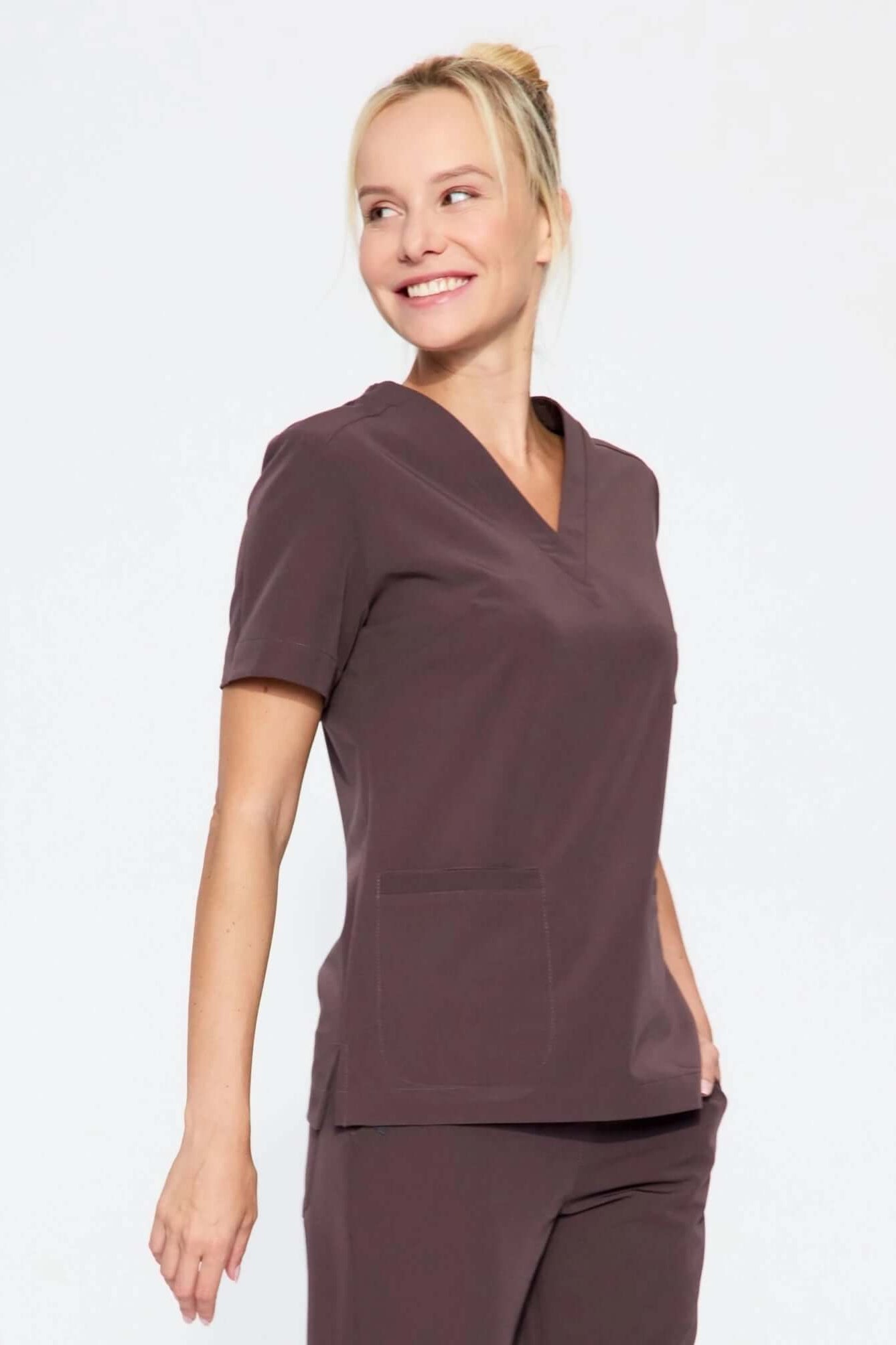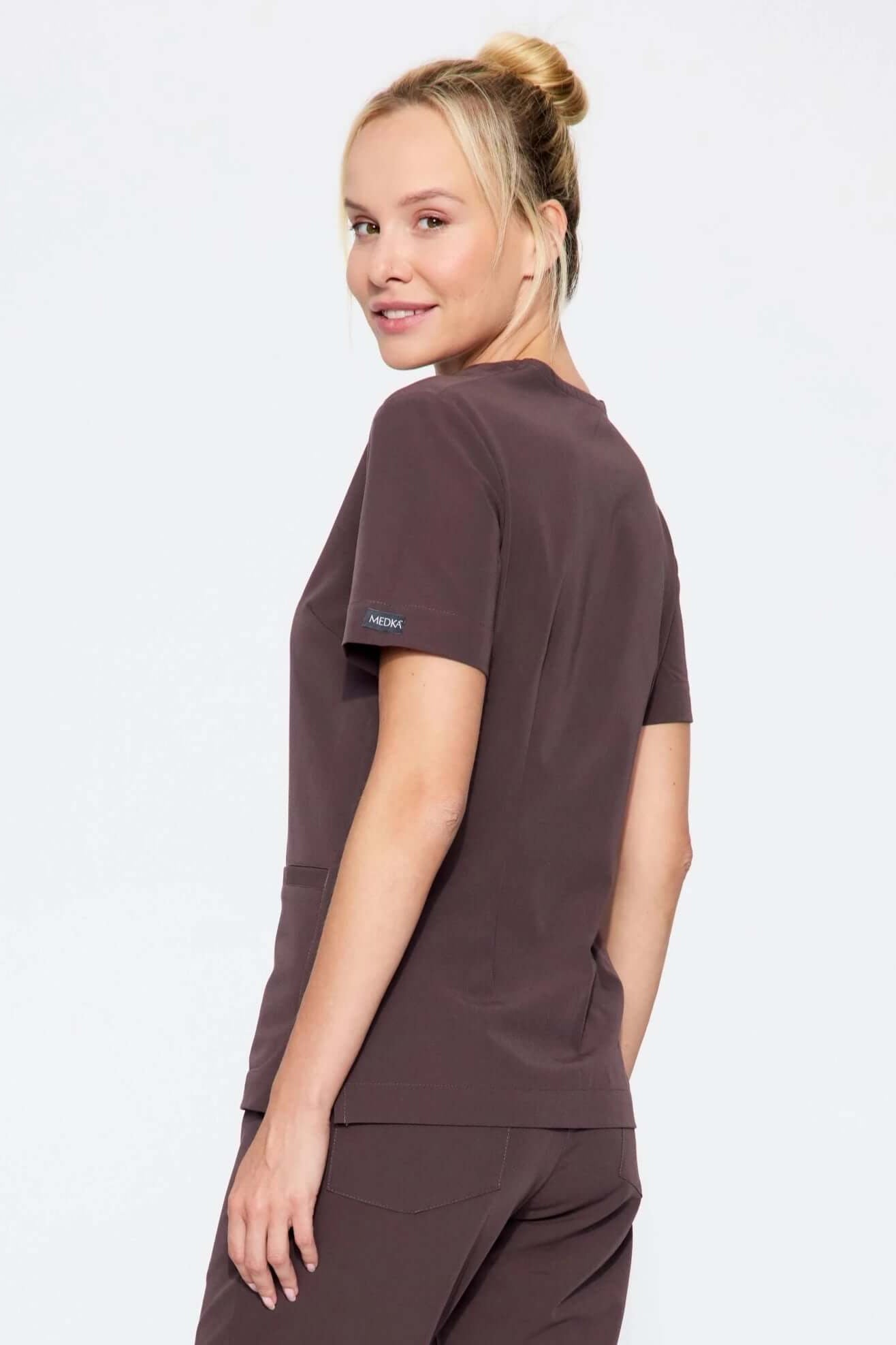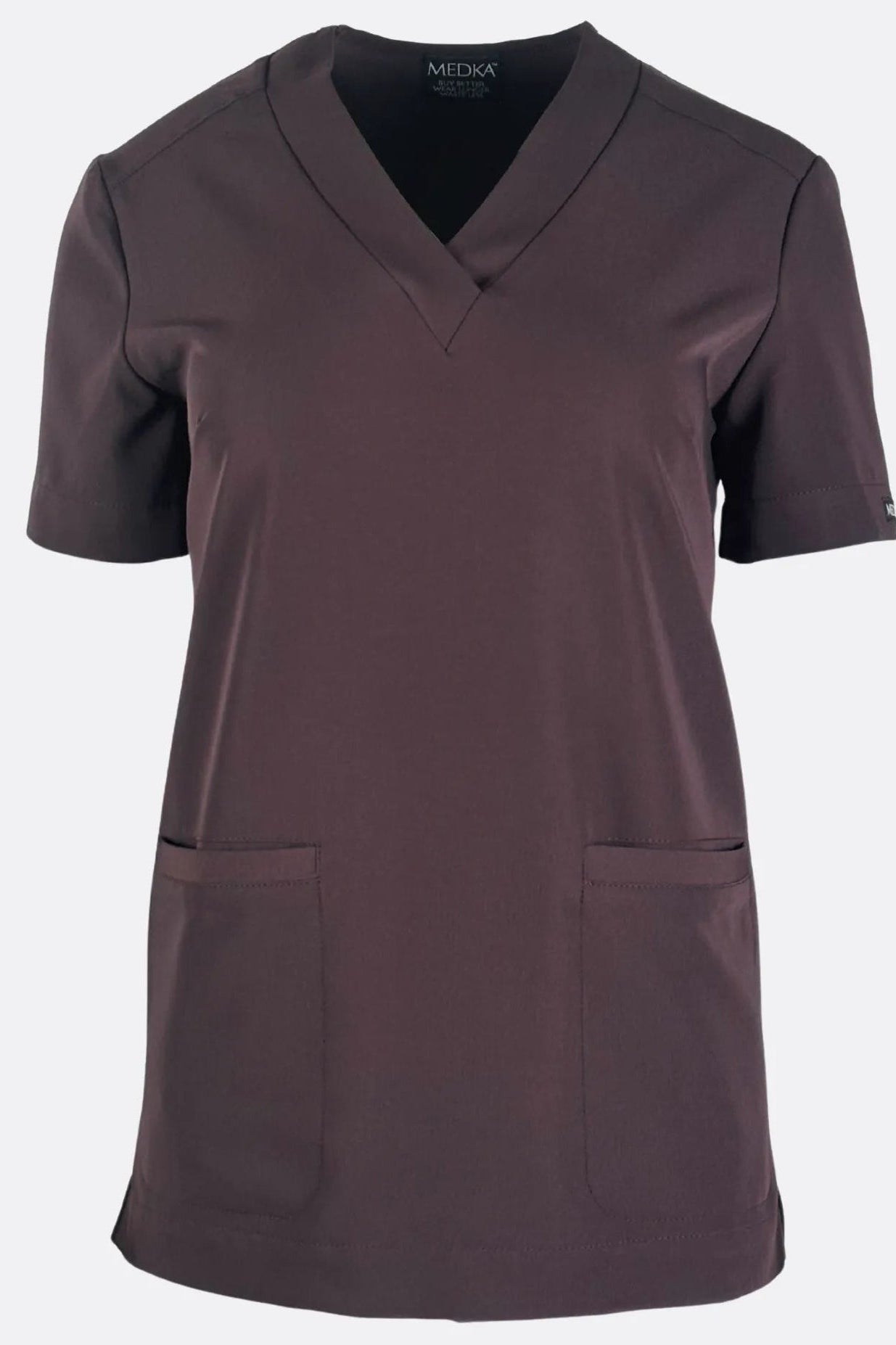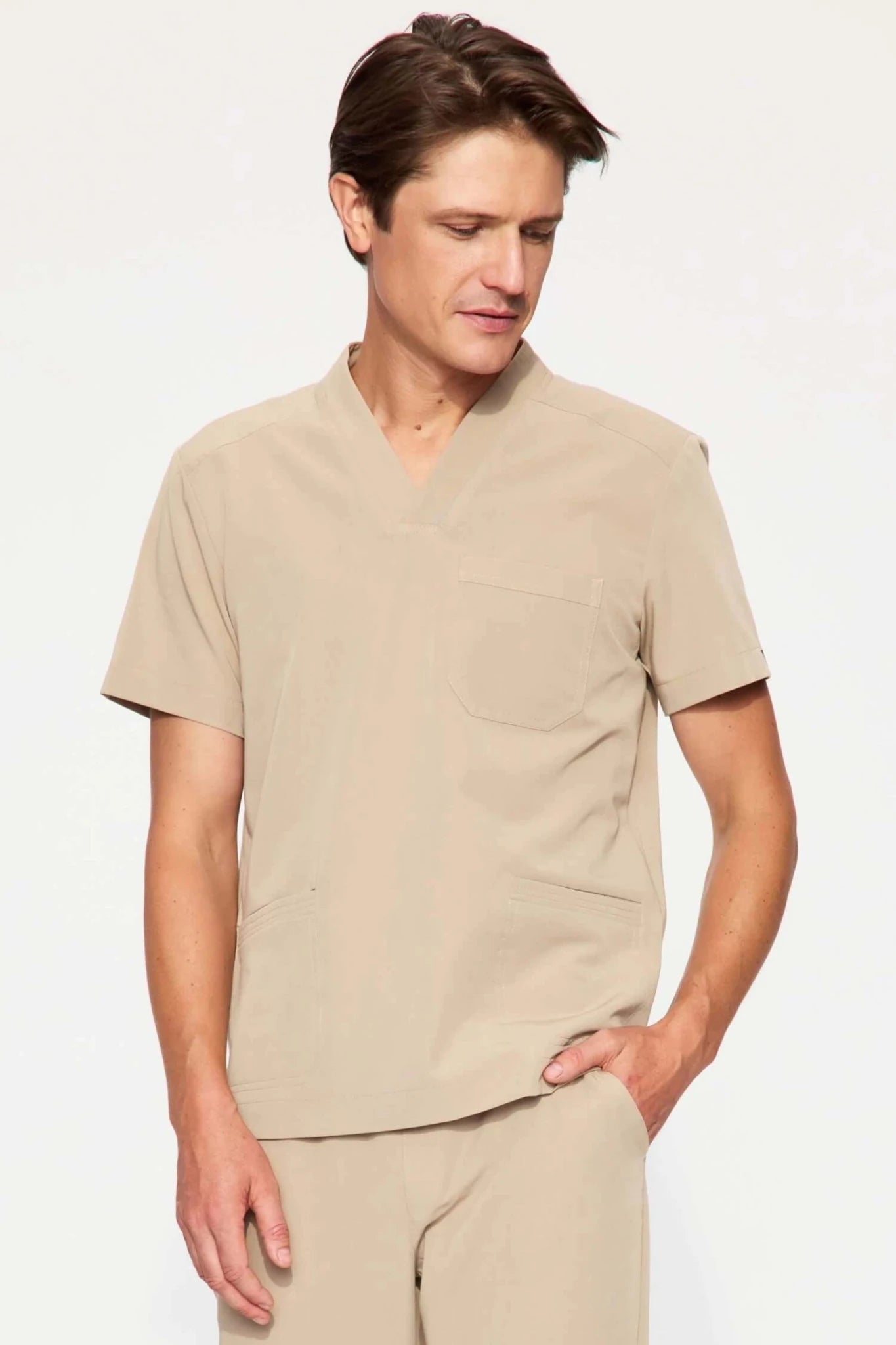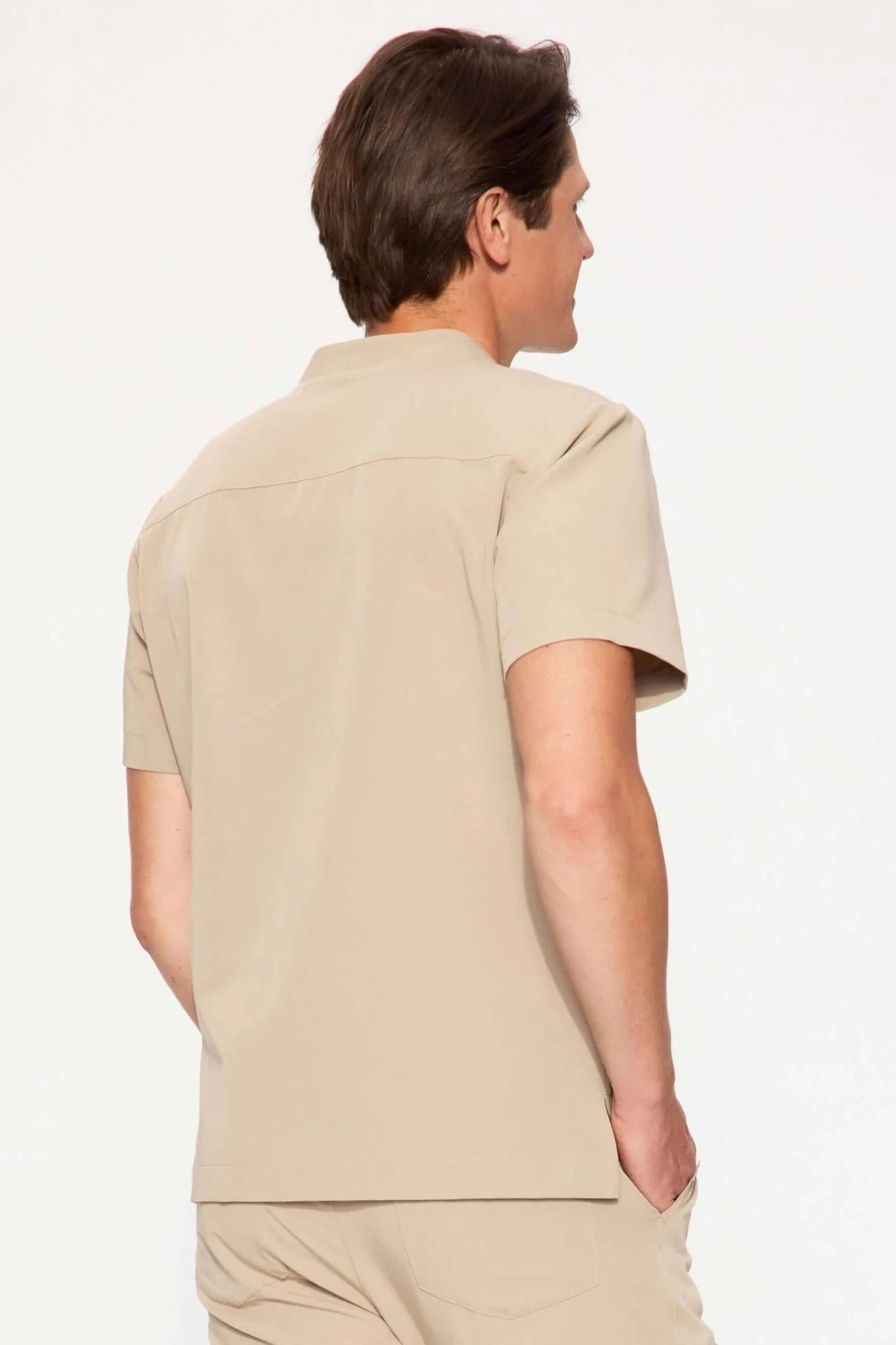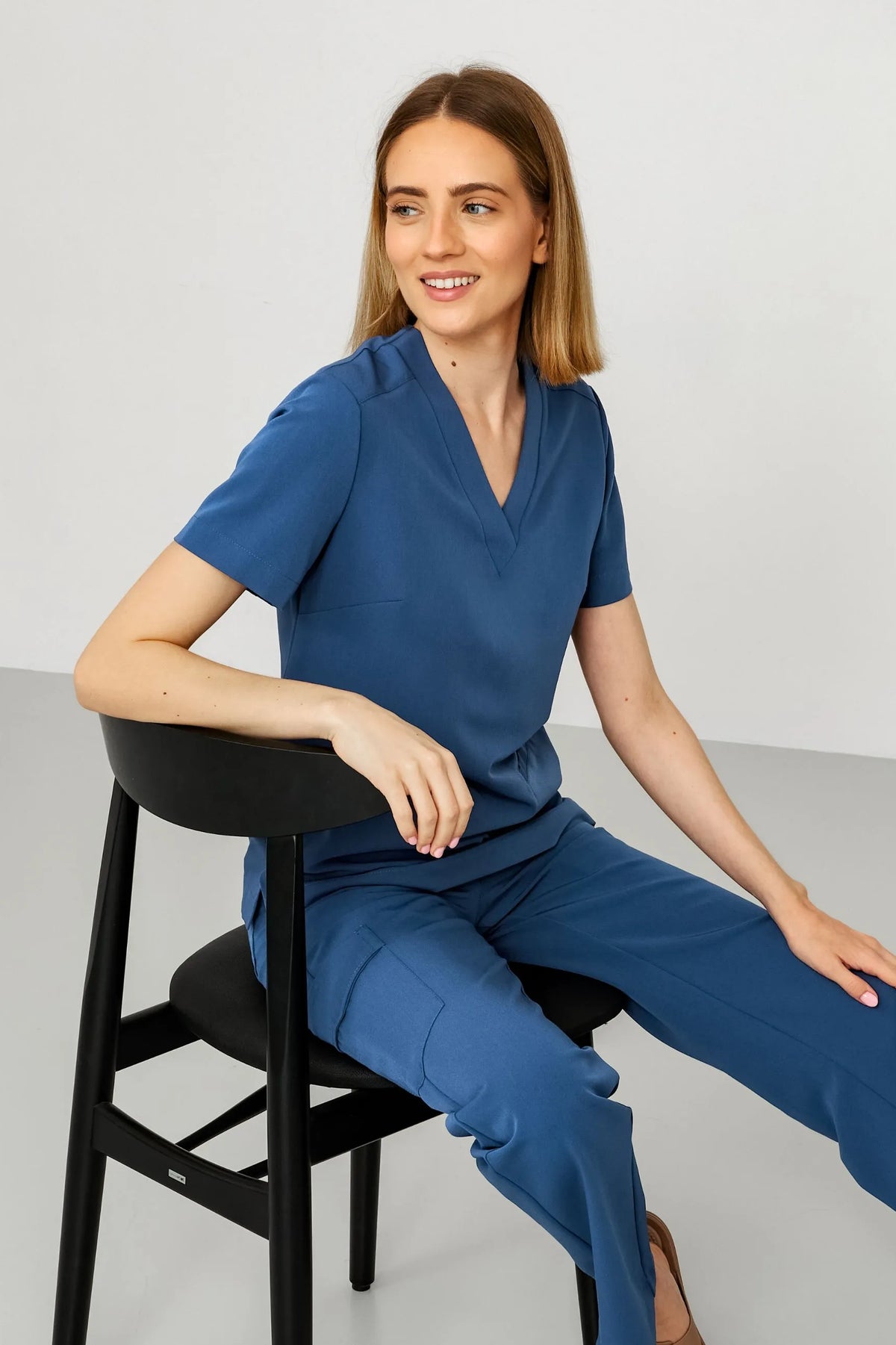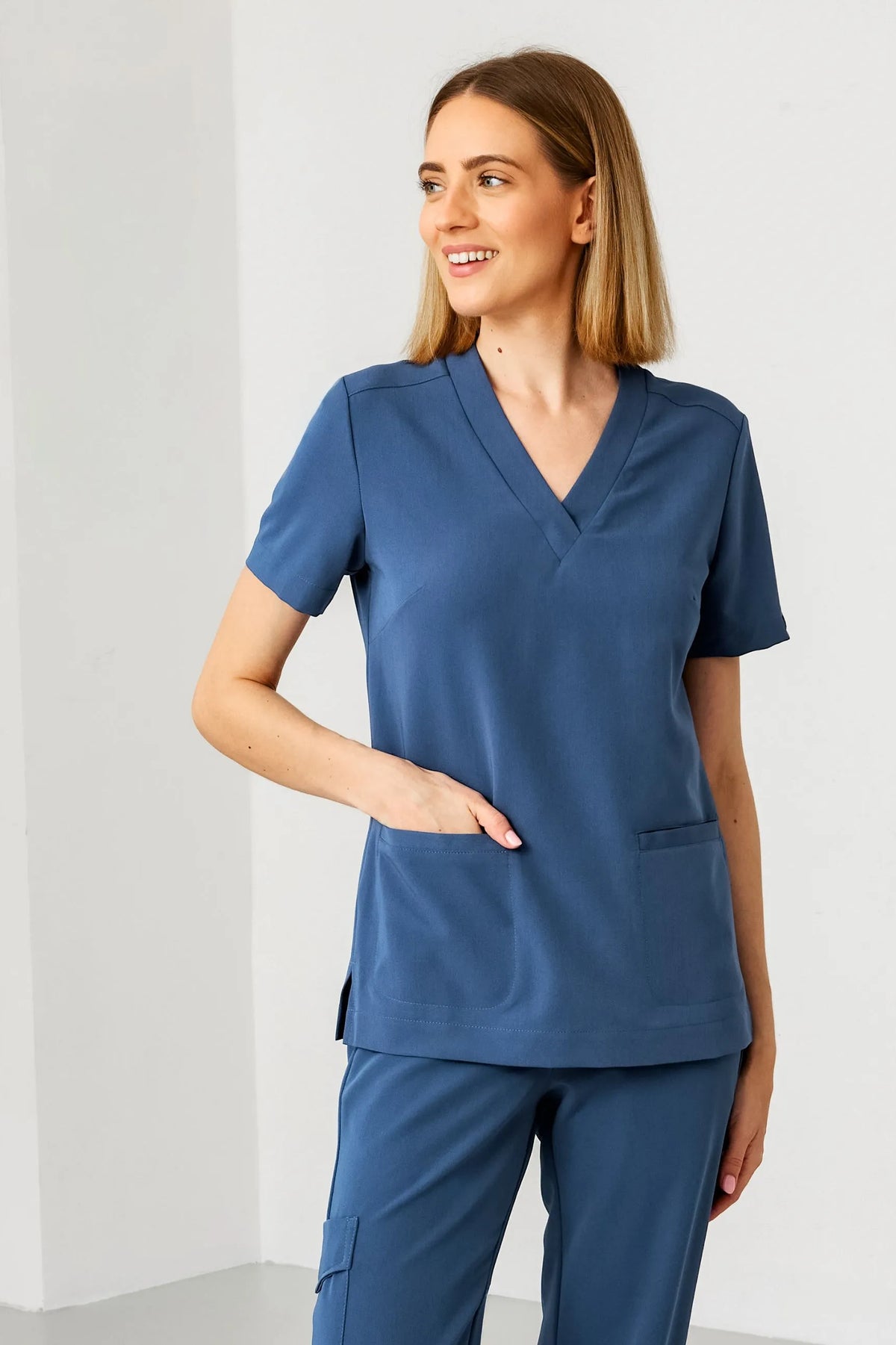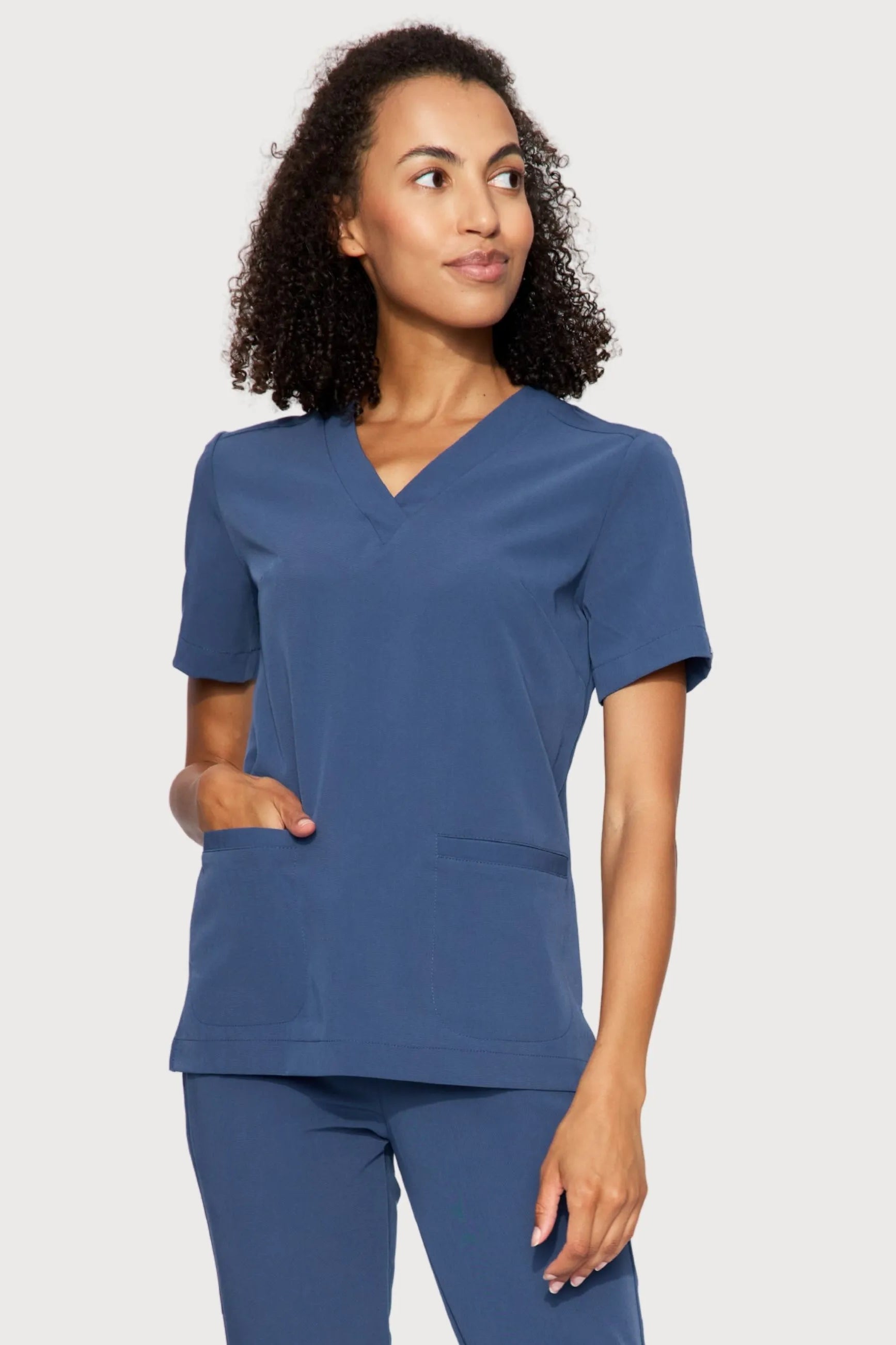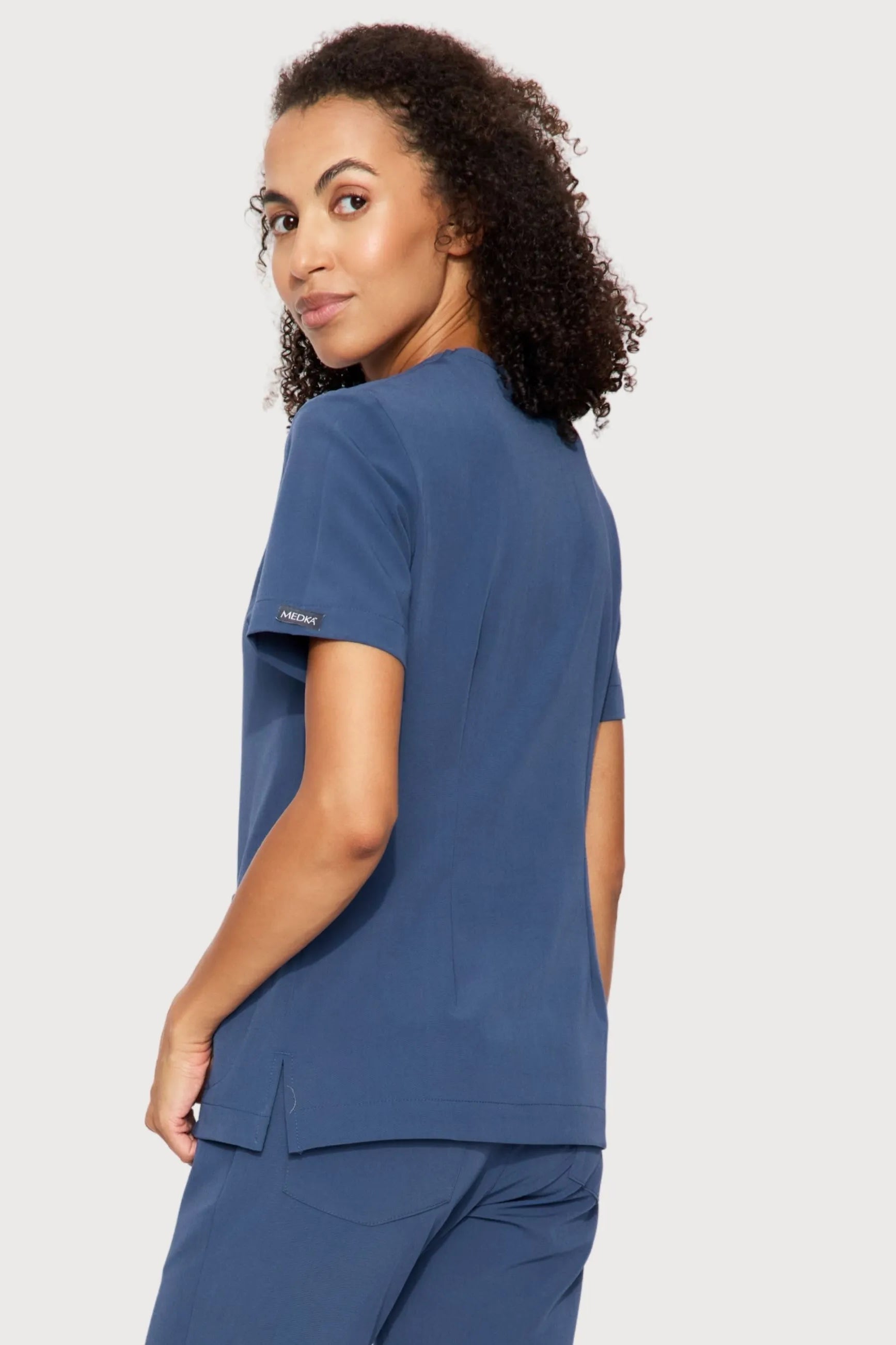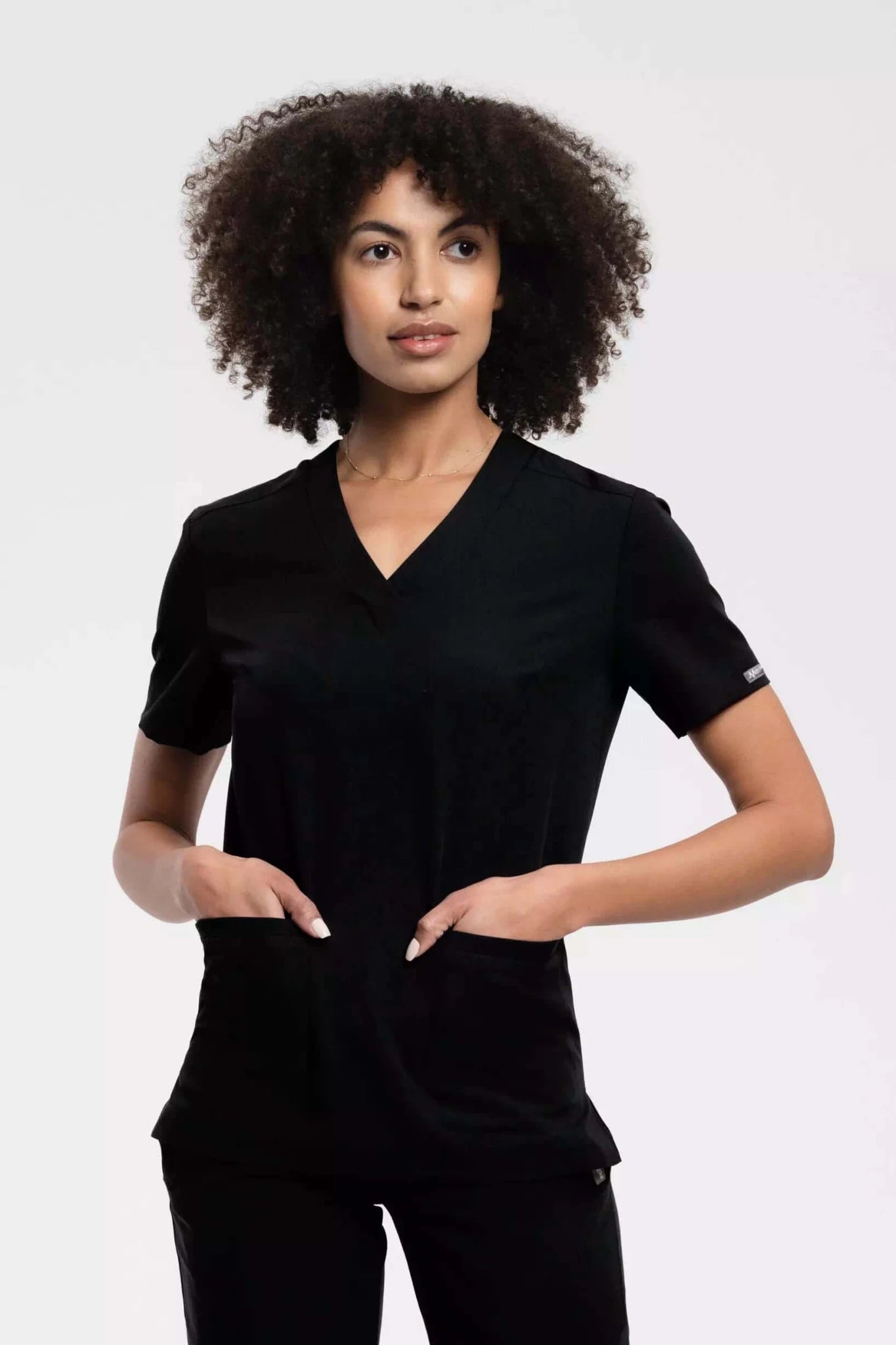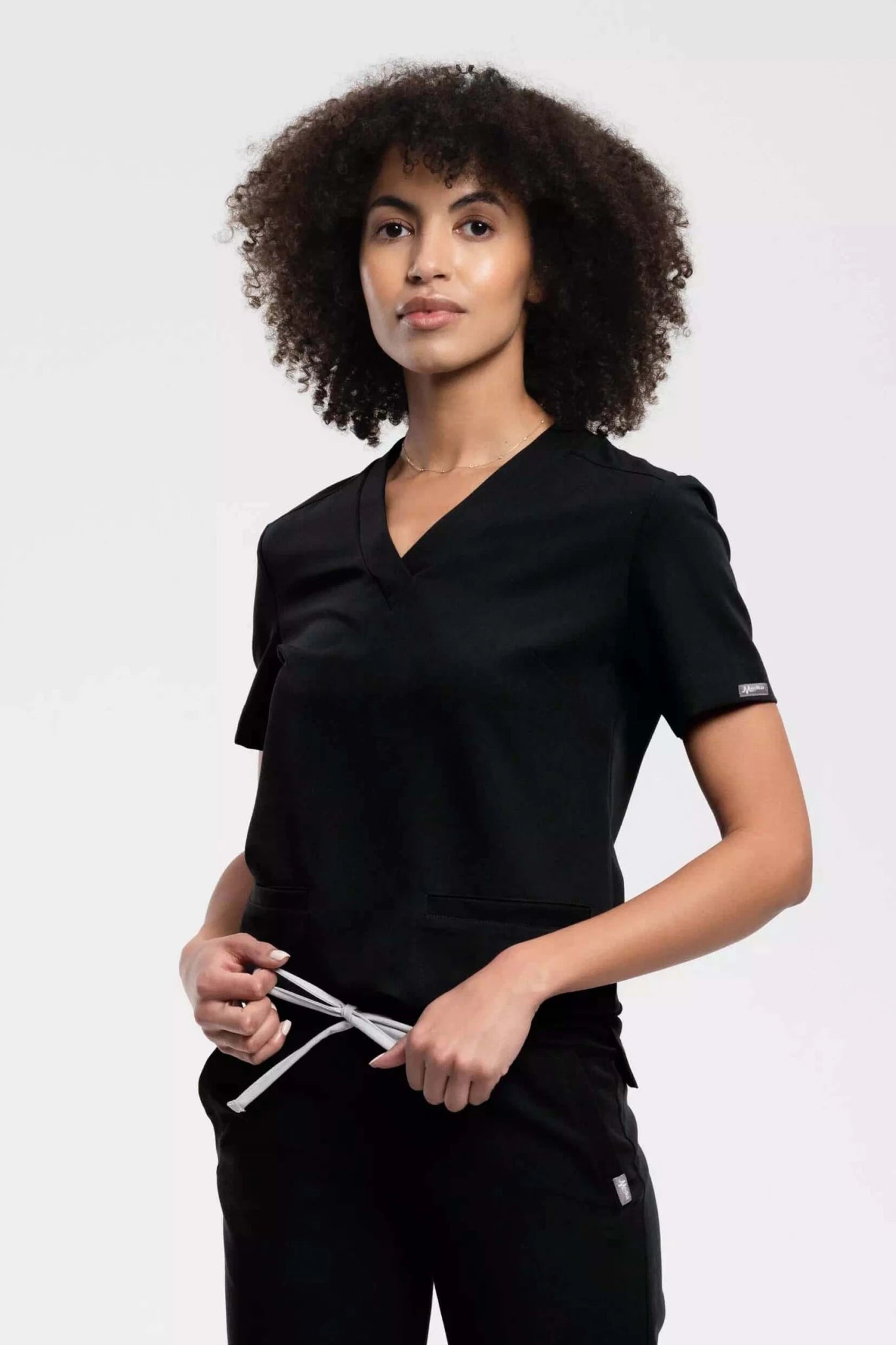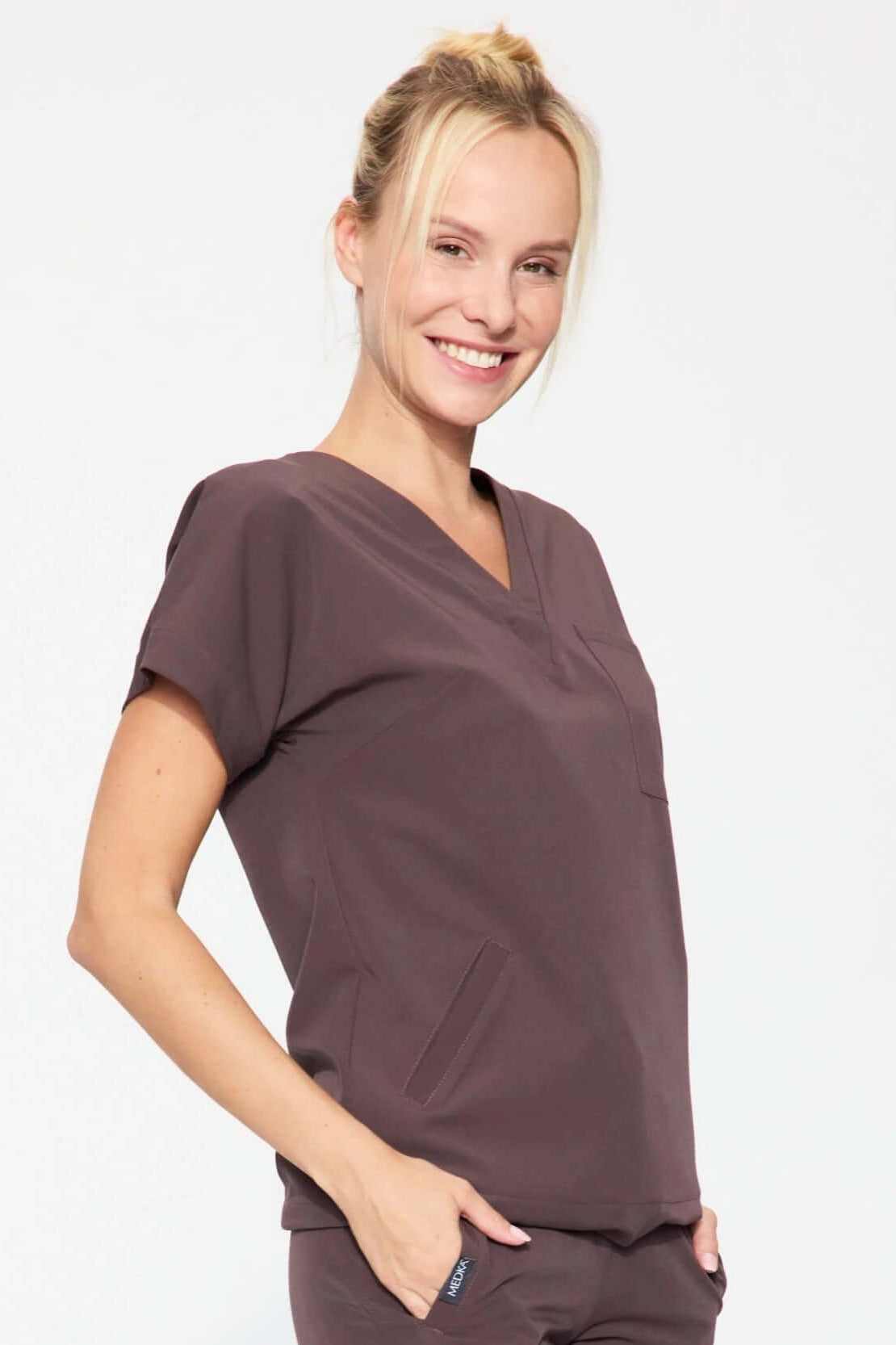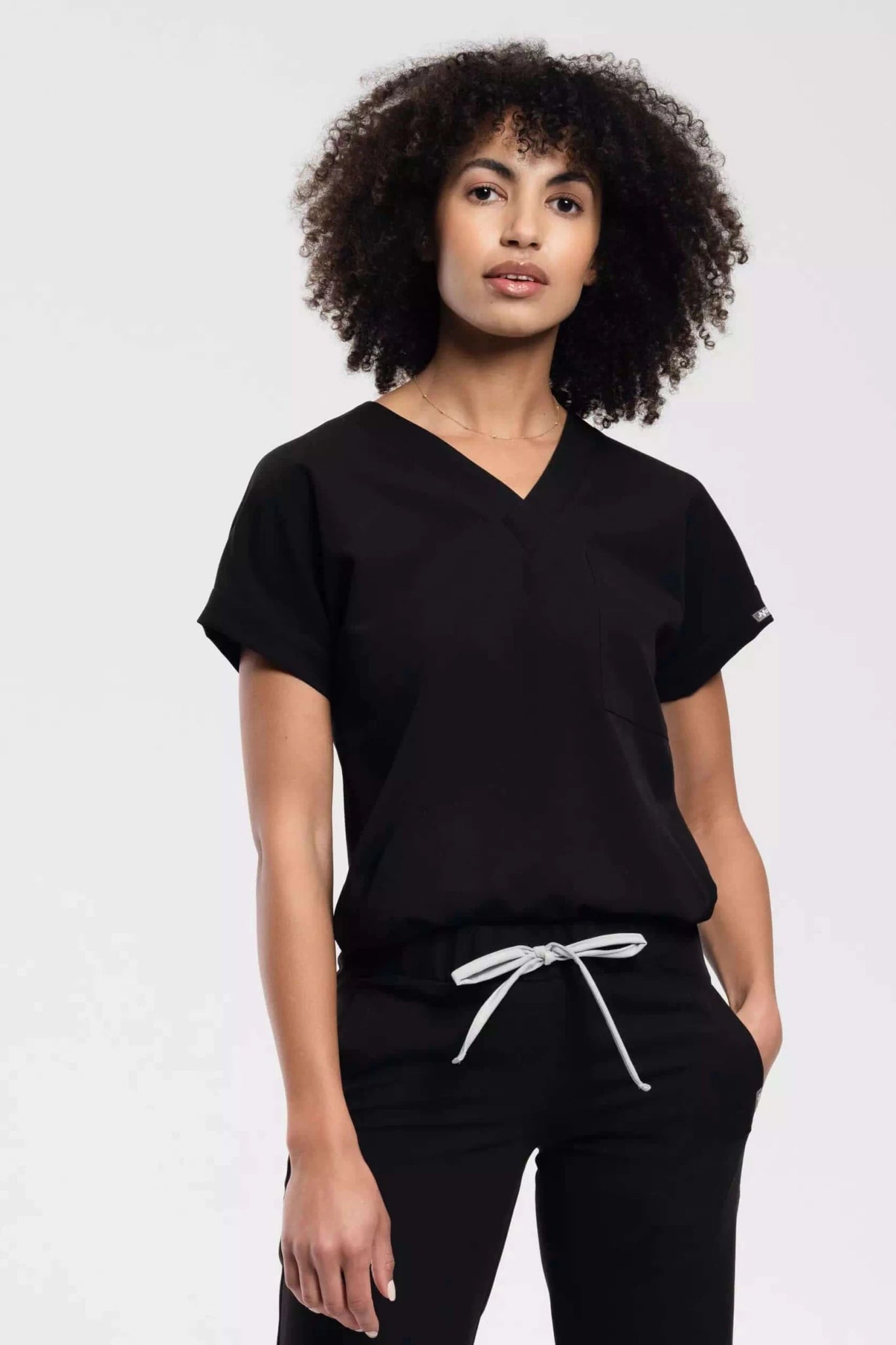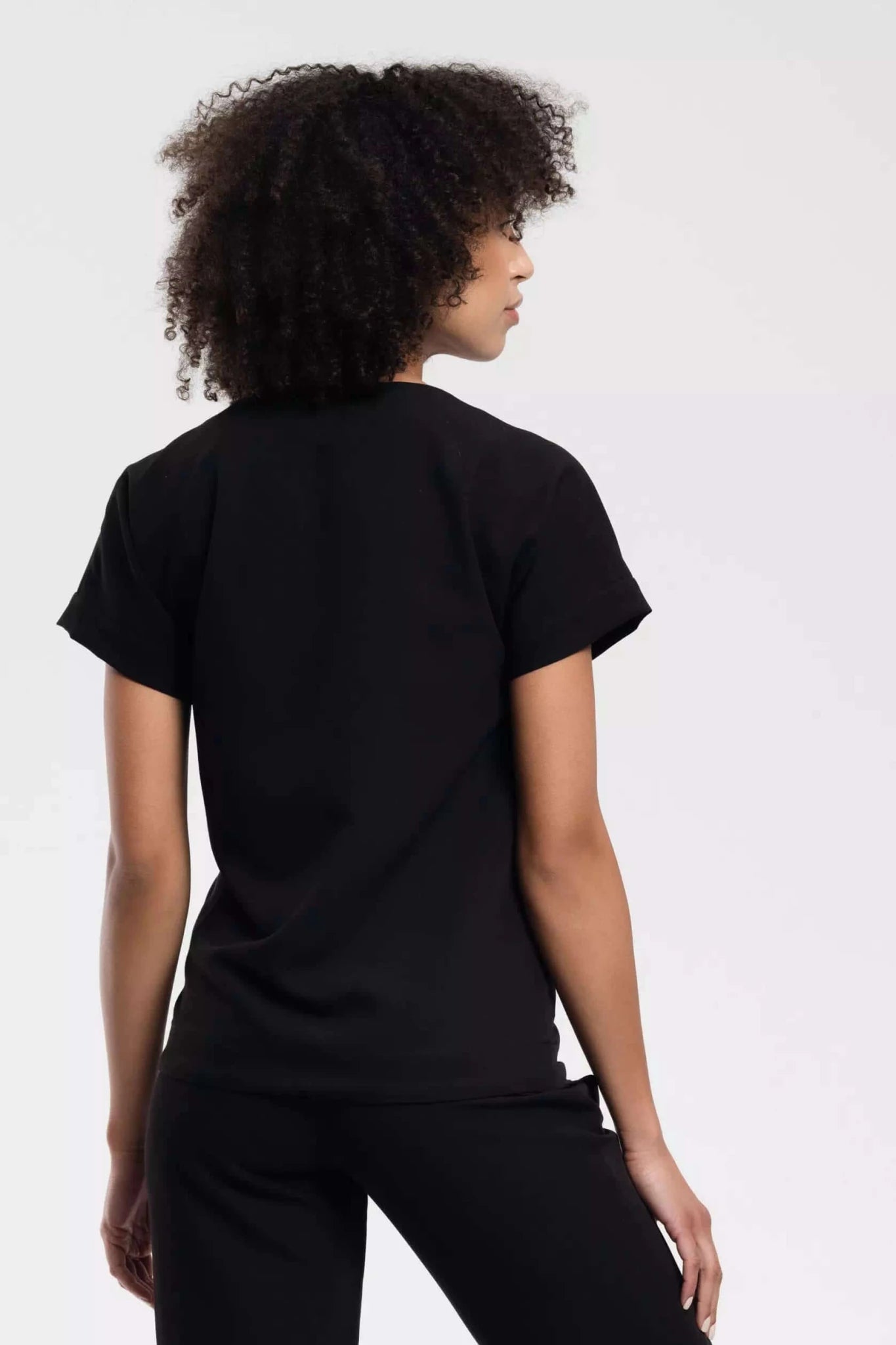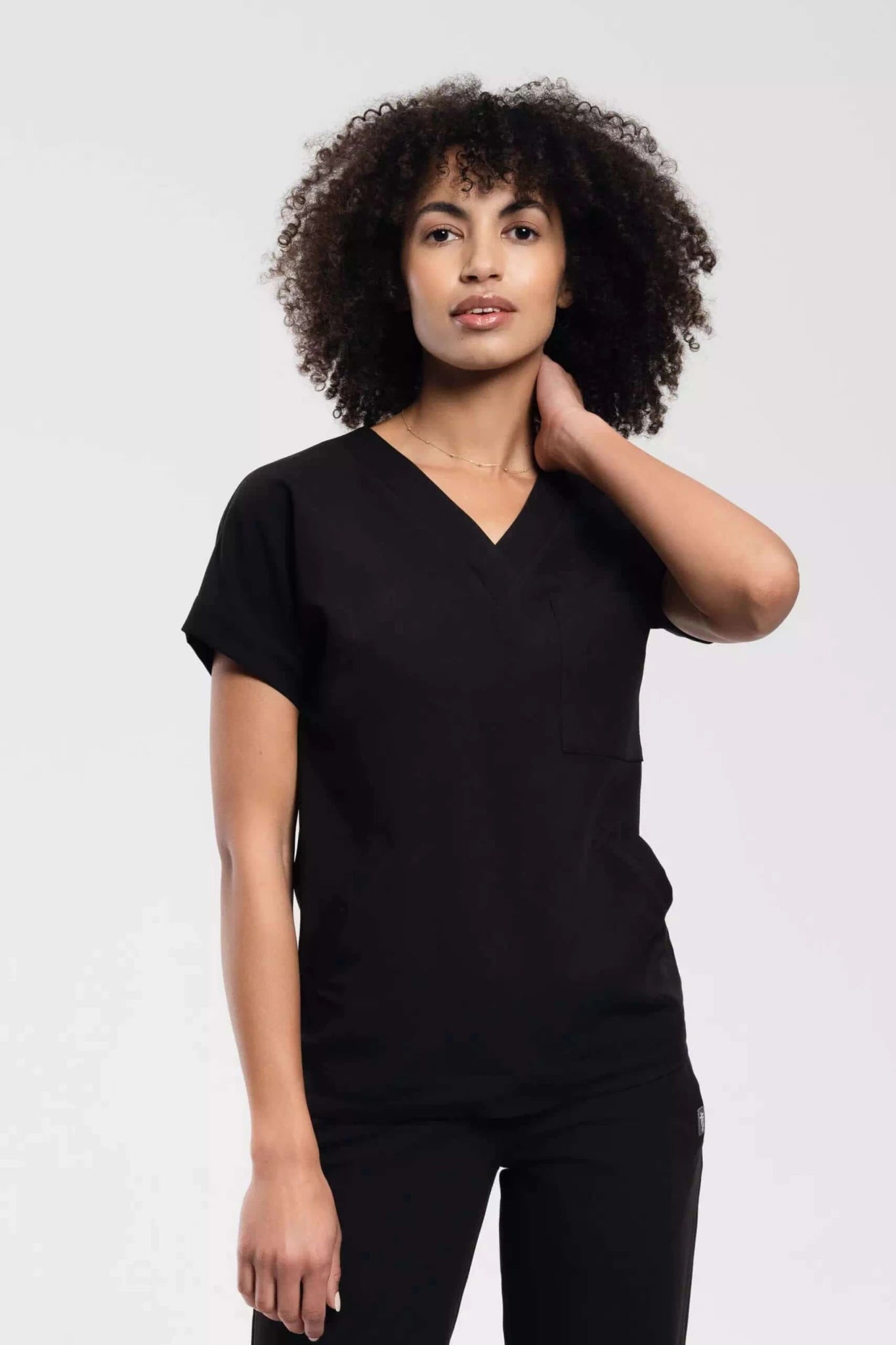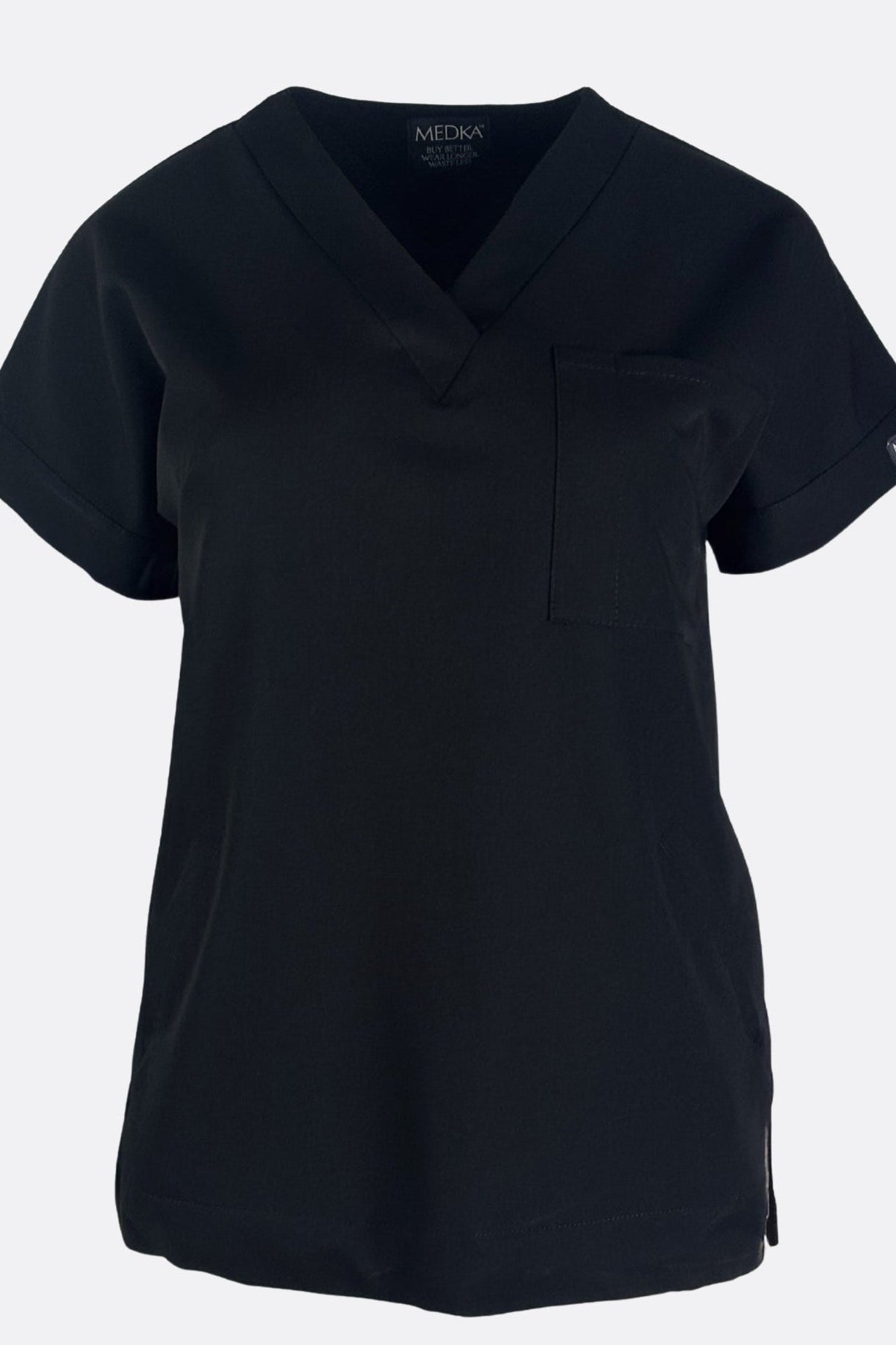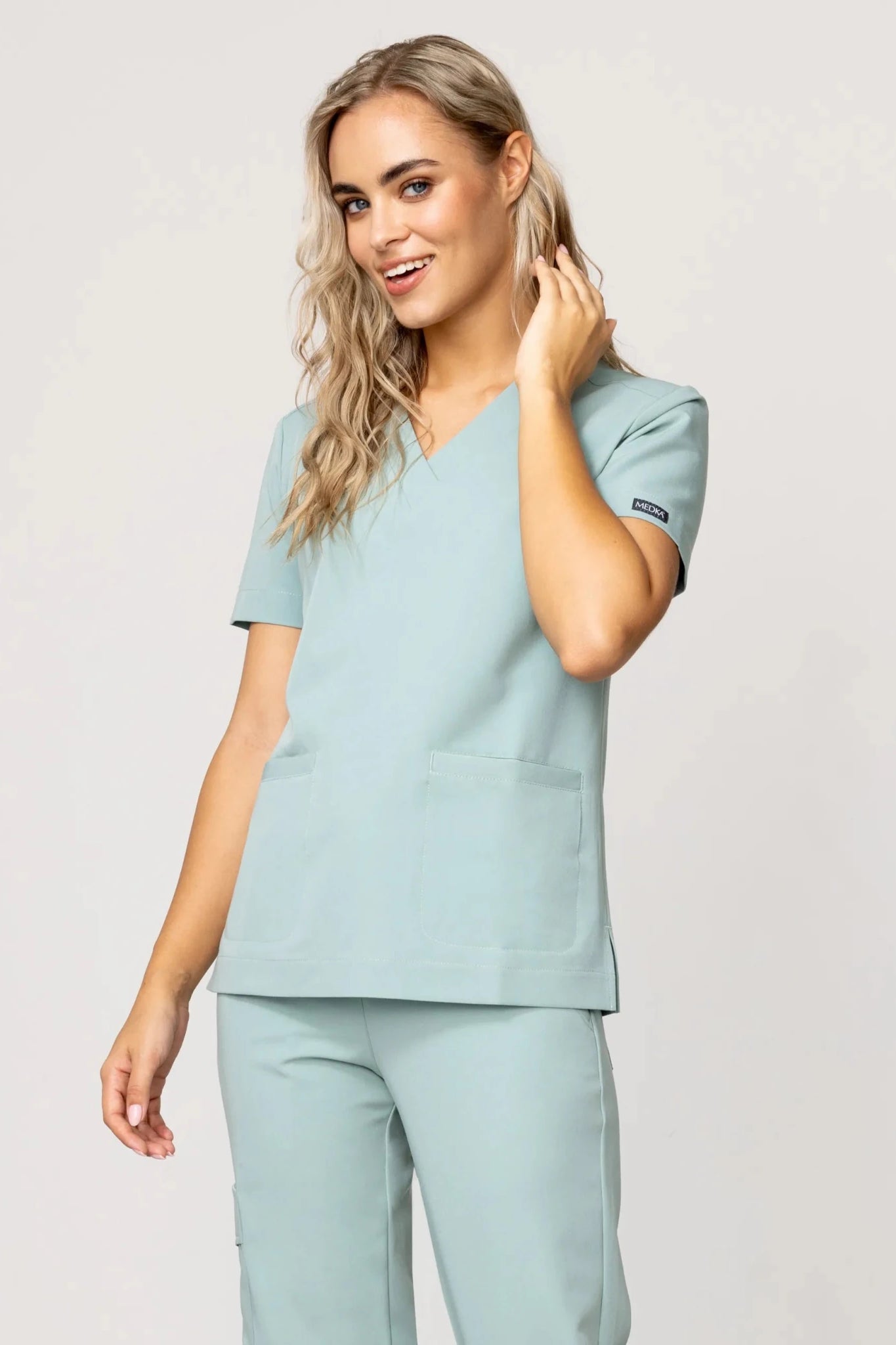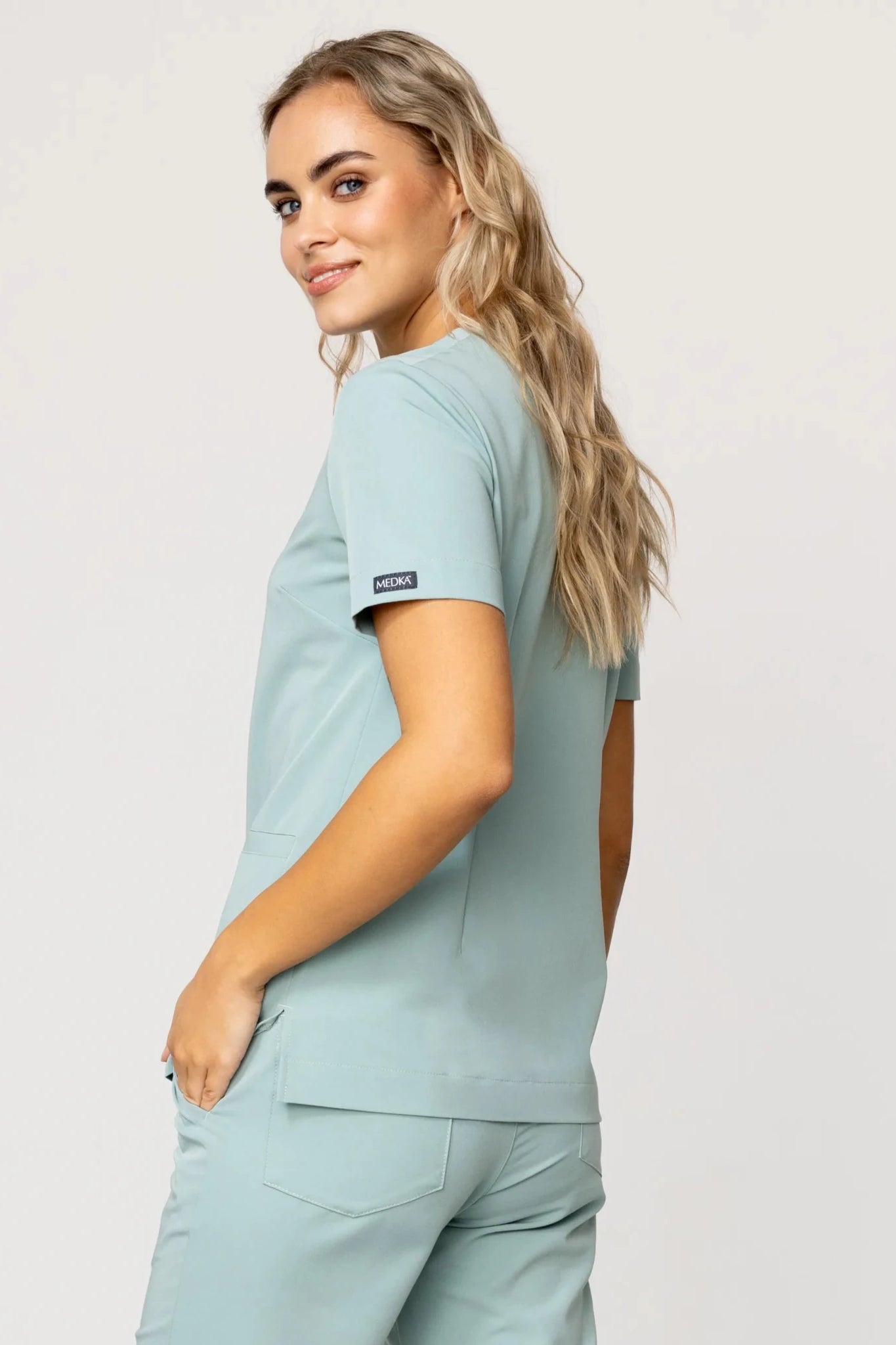





Scrubs and medical kits are usually replaced every 6-12 months of intensive work, medical gowns every 12-24 months, medical shoes every 6-12 months and socks every 3-6 months. The specific deadline depends on the number of working hours per week, the frequency of washing at high temperatures and how quickly the material loses its functional properties. However, the most important thing is not rigid time intervals, but the actual condition of the uniform: the condition of the fabric, color, shape, quality of fasteners and hygiene. A well-planned rotation of several sets extends the life of each of them, but sooner or later there comes a moment when medical clothing no longer fulfills its function, i.e. it provides less protection, fits worse and no longer looks professional.
How often should you replace medical clothing? Specific deadlines for each category
When working five days a week, with 8-12-hour shifts and regular washing at 60°C, the most frequently used elements of the uniform last in good condition from six months to a year. Scrubs, medical suits, sweatshirts and medical trousers are usually replaced every 6-12 months, but trousers are often replaced sooner because the material loses its shape faster around the knees, thighs and waist. Medical tunics and dresses last about 9-12 months, and medical gowns last even 12-24 months because they are less likely to adhere directly to the skin and are less likely to stretch.
For accessories, the replacement cycle is shorter. Medical footwear should be assessed every 6-12 months because the sole cushioning and insole wear out much earlier than the top of the shoe, and working with poorer foot support affects the knees and spine. Medical socks are most often replaced, on average every 3-6 months, because they lose elasticity, compression and breathability. They are also the cheapest element of the uniform, so there is no point in wearing them "to the last fiber".
Frequency of replacing medical clothing – comparison table
The table below allows you to quickly compare the approximate replacement cycles for each type of medical clothing in two scenarios: intensive work (5 days a week, 8-12 hour shifts, washing at 60°C) and moderate work (2-3 days a week, lower washing temperature, fewer hours on your feet). The last column summarizes the wear signals that appear first and are the best indicator of the replacement decision.
|
Element of medical clothing |
Replacement cycle - intensive work |
Replacement cycle - moderate work |
Main wear signals |
|
Scrubs/medical kits |
6–9 months |
12–18 months |
Abrasions, translucency, pilling |
|
Medical sweatshirts |
9–12 months |
12–18 months |
Stretched neckline, dropped shoulders |
|
Medical pants |
6–9 months |
12–18 months |
Bulging knees, stretched waist |
|
Medical tunics/dresses |
9–12 months |
12–18 months |
Loss of shape, permanent discoloration |
|
Medical aprons |
12–18 months |
18–24 months |
Worn cuffs, placket, collar |
|
Medical footwear |
6–9 months |
12–18 months |
Foot pain, heel deformation, slippery sole |
|
Medical socks |
3–4 months |
5–6 months |
Loose cuffs, no compression, smell |
The actual moment of replacement is always determined by the technical condition of the clothing, not the passage of time itself - a set that, after a year of wearing, still retains its form, color and all fasteners, can be safely worn further, while damaged scrubs after half a year it is worth replacing immediately.
What shortens the life of medical clothing?
Clothes that are often washed at high temperatures and exposed to disinfection, sweat and friction wear out the fastest. In practice, one set washed five times a week at 60°C goes through about 200-250 washing cycles a year, which is a lot for any fabric. There is also sitting and getting up dozens of times a day, contact with armchairs, countertops, medical equipment, and in the case of cosmetologists and physiotherapists also with chemicals and oils.
The second factor is the ill-fitting cut. A sweatshirt that is too tight stretches more quickly on the shoulders and bursts at the seams, and pants that are too loose wear out around the ankles and waist. The third, often underestimated, is the method of drying: drying on a radiator, in direct sunlight or in a dryer at high temperature can shorten the life of the scrubs by several months. The composition of the fabric is also a natural limitation - blends of cotton with polyester and elastane endure wear better than pure cotton, which stretches and discolors more easily.
Signals that scrubs, sweatshirts and medical trousers need to be replaced
The technical condition of the uniform is more important than the calendar. Medical clothing it is worth replacing when abrasions appear, the material becomes translucent in critical places (underarms, on the knees, around the buttocks), and the fabric becomes rough, "pilling" or becomes permanently discolored. This is a sign that the fibers are already damaged and will not regain their original shape even after careful washing.
The second group of signals are changes in shape and finishes. A stretched neckline, drooping shoulders, bulging knees, a distorted waist line, cracked seams, broken zippers, chipped buttons or loose strings are usually no longer suitable for effective repair, and "rescuing" such a uniform means that we work in an outfit that does not fulfill its basic function - it is not neat and does not facilitate movement. The third group is hygiene: persistent stains that cannot be removed by washing at 60°C and an unpleasant odor embedded in the material are signals that the fabric is already saturated with contaminants and it is time to replace it.
Medical apron – how long will it last before it loses its shape?
A medical coat with moderate use, for example as a top layer worn over scrubs in the office, lasts from 12 to 24 months. It stretches less than a sweatshirt and is less exposed to sweat directly next to the skin, so the material retains its form longer. Three areas wear out the fastest: cuffs, placket and collar. They are the first to notice graying, abrasions and sagging fabric.
Men's medical coat it is worth replacing when it starts working against the user: the fastening comes apart when sitting down, the pockets sag, the collar finish is wavy, and the aesthetics do not return after washing, even after ironing. In professions where an apron is the first element of clothing seen by a patient or client (aesthetic medicine, medical offices, veterinary medicine, beauty industry), it is worth looking at this element not as a single investment for years, but as a work tool that also wears out.
Medical footwear and socks – separate, shorter replacement cycles
Medical footwear and socks have their own rules and it is not worth treating them with the same calendar as scrubs. When used daily for several hours, medical shoes wear out faster than visible on the surface. After just 6-9 months of intensive work, the insole loses cushioning and the sole begins to have weaker grip. Signals for replacement include pain in the feet, knees and lower back at the end of the shift, slipping on slippery floors, heel deformation, abrasion of the insole and an unpleasant odor that is not removed by cleaning.
Medical socks, especially compression models and those with moisture-wicking functions, are statistically replaced most often. After 3-6 months of daily wear, they lose elasticity in the cuff, the material becomes looser in the foot and no longer effectively wicks away sweat. Rule of thumb: if the sock sags in the shoe or stops returning to its original shape after washing, its role as a support element for the foot has ended.
Care that actually extends the life of the uniform
The easiest way to extend the life of medical clothing is to rotate several sets, thanks to which none of them is washed every day and everyone has time to "rest" between shifts. The second pillar is the washing temperature: most scrubs tolerate 40-60°C perfectly, and choosing 60°C only when required by sanitary procedures significantly reduces fabric consumption. It is also worth fastening zippers, buttons and snaps before washing and turning clothes inside out - this reduces friction and pilling.
Drying is as important as washing. It is best to dry it flat or in the shade, away from radiators and bright sunlight, which burn out the color and weaken the fibers. A tumble dryer shortens the life of scrubs much faster than washing itself, so it is worth using it less often and always at a lower temperature. Detergents without chlorine bleach and without aggressive optical agents help maintain color, which is especially important for pastels and earthy colors, popular in new medical clothing collections.
How many sets of medical clothing should you have in your rotation?
For full-time work (5 days a week, 8-12 hour shifts), the optimal rotation is 4-5 sets of scrubs or medical sweatshirts and trousers. This allows you to work the entire week in a clean uniform, have one spare set for unforeseen situations, and give each of them real time to dry and rest the fabric between washes. With such rotation, each set is washed less frequently, retains its color and shape longer, and the cost of annual use of the uniform does not increase at all - because individual pieces simply serve longer.
For part-time work (2-3 days a week), 2-3 sets, one apron in reserve, 1-2 pairs of medical shoes and a supply of 7-10 pairs of socks are usually enough. This is the minimum that allows you to maintain hygiene and aesthetics without having to wash a single set after each shift. For students and people on internships, it makes sense to start with 2 sets and buy more only when a permanent workplace and a specific dress code appear.
When is it worth replacing medical clothing earlier, even though it is in good condition?
There are situations where it makes sense to replace your uniform before the old one wears out. The most common are a change of position or workplace with a different dress code (e.g. a different color of scrubs), the requirement to standardize the uniform in the team, a new embroidery with the name, professional title or the institution's logo, as well as a change of figure after a long professional break, pregnancy or lifestyle change. In each of these cases, even well-preserved scrubs may simply not fit their new role.
The second situation is a change in the work profile: moving from a treatment room to work in motion, from general medicine to the beauty industry, from a laboratory to an operating theater. Each of these environments has different requirements when it comes to the material, cut and details of the uniform. Replacing medical clothing at such a time is not a loss, but an investment in work comfort. The most profitable long-term strategy is to treat uniforms like a tool: buy well-fitting models, take care of them, rotate them and replace them when they no longer support your daily work.