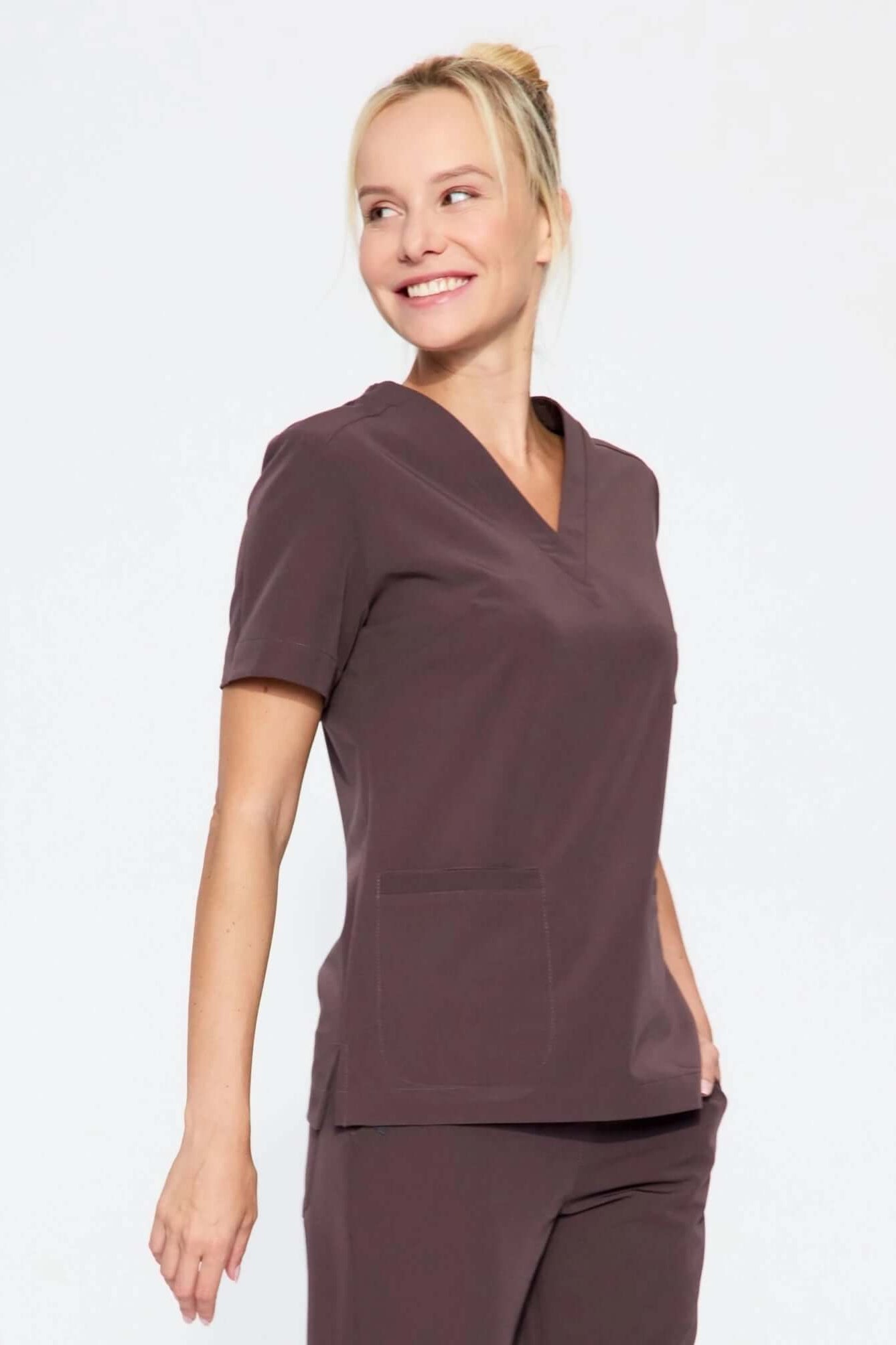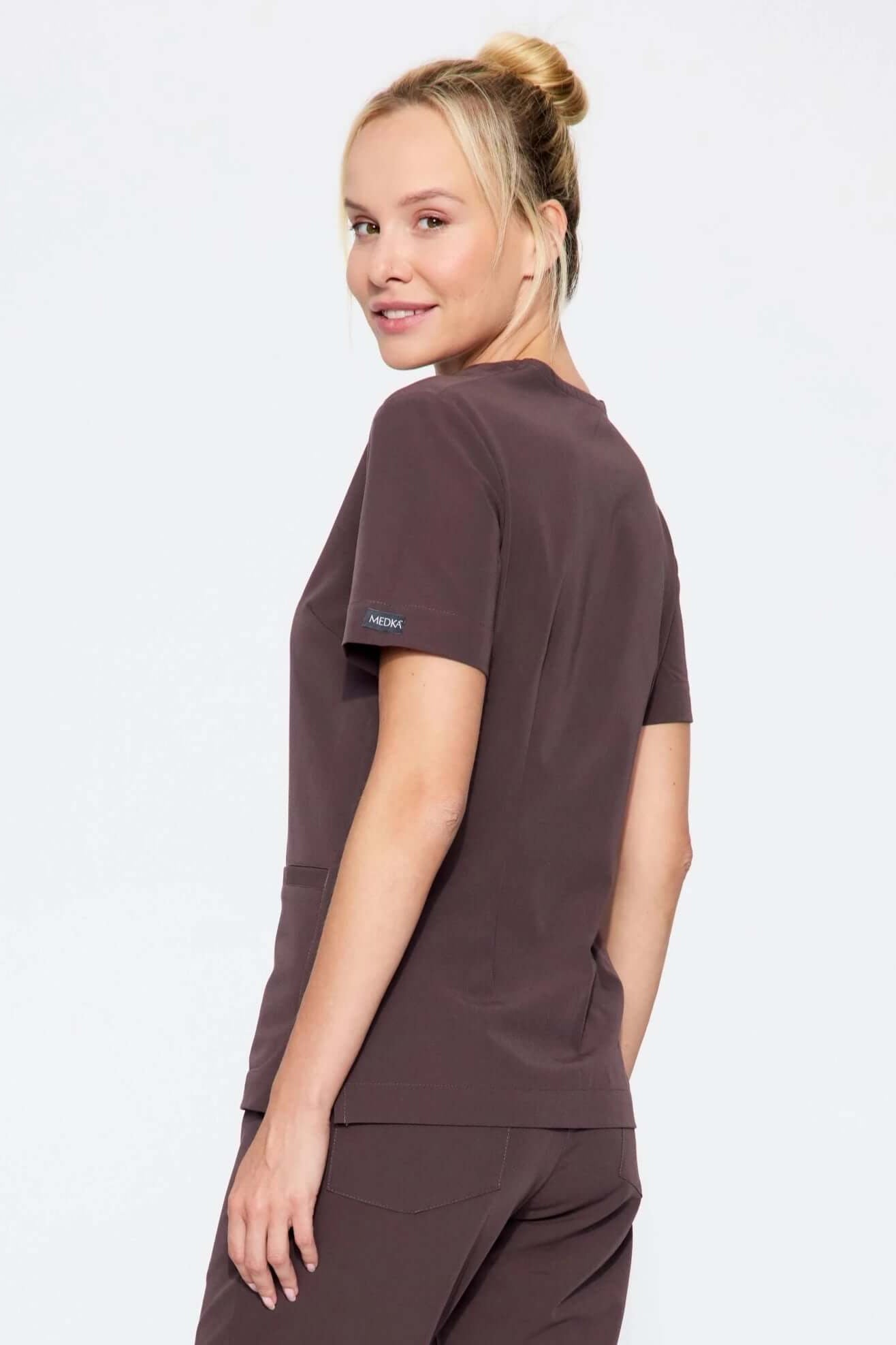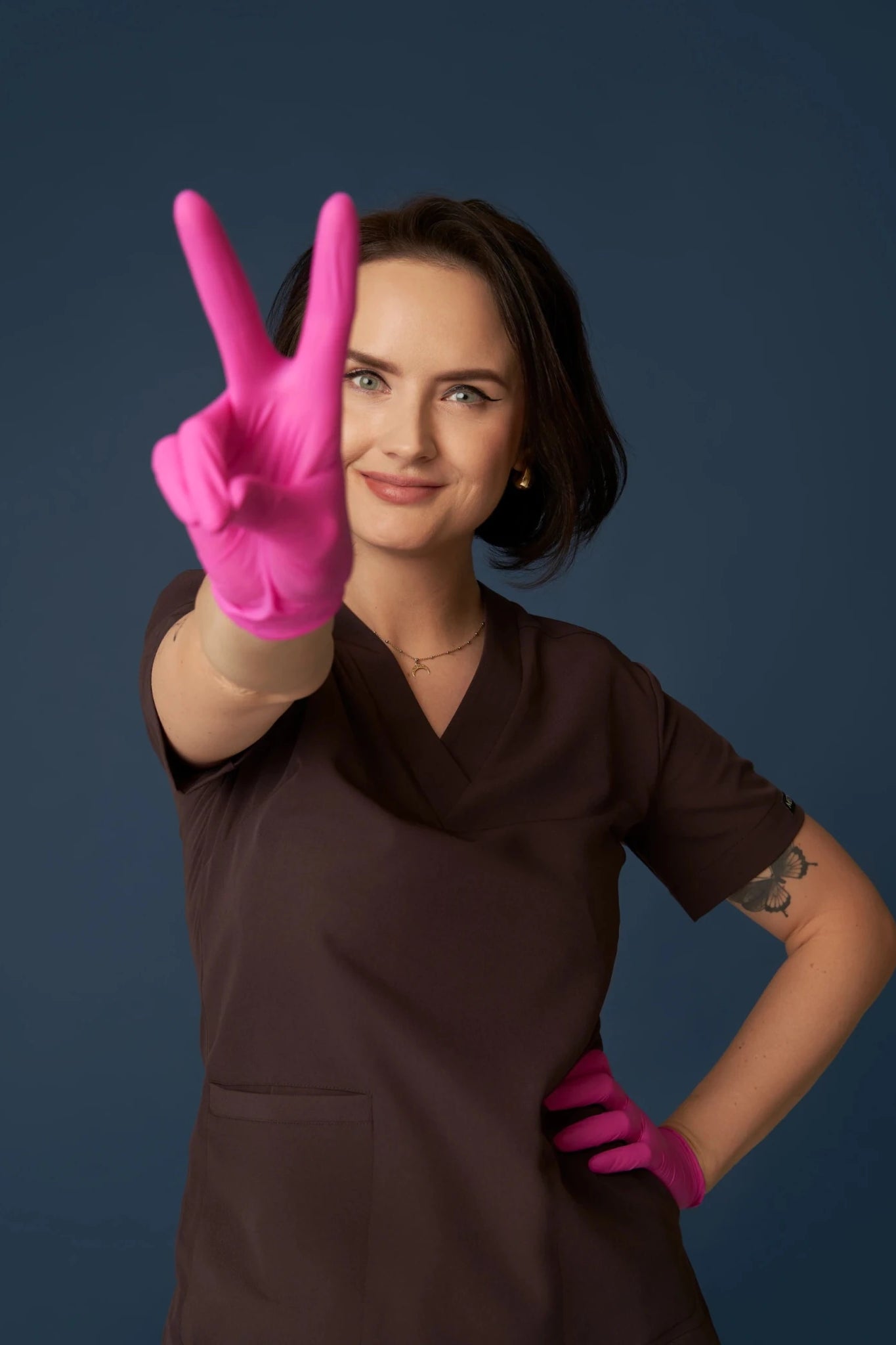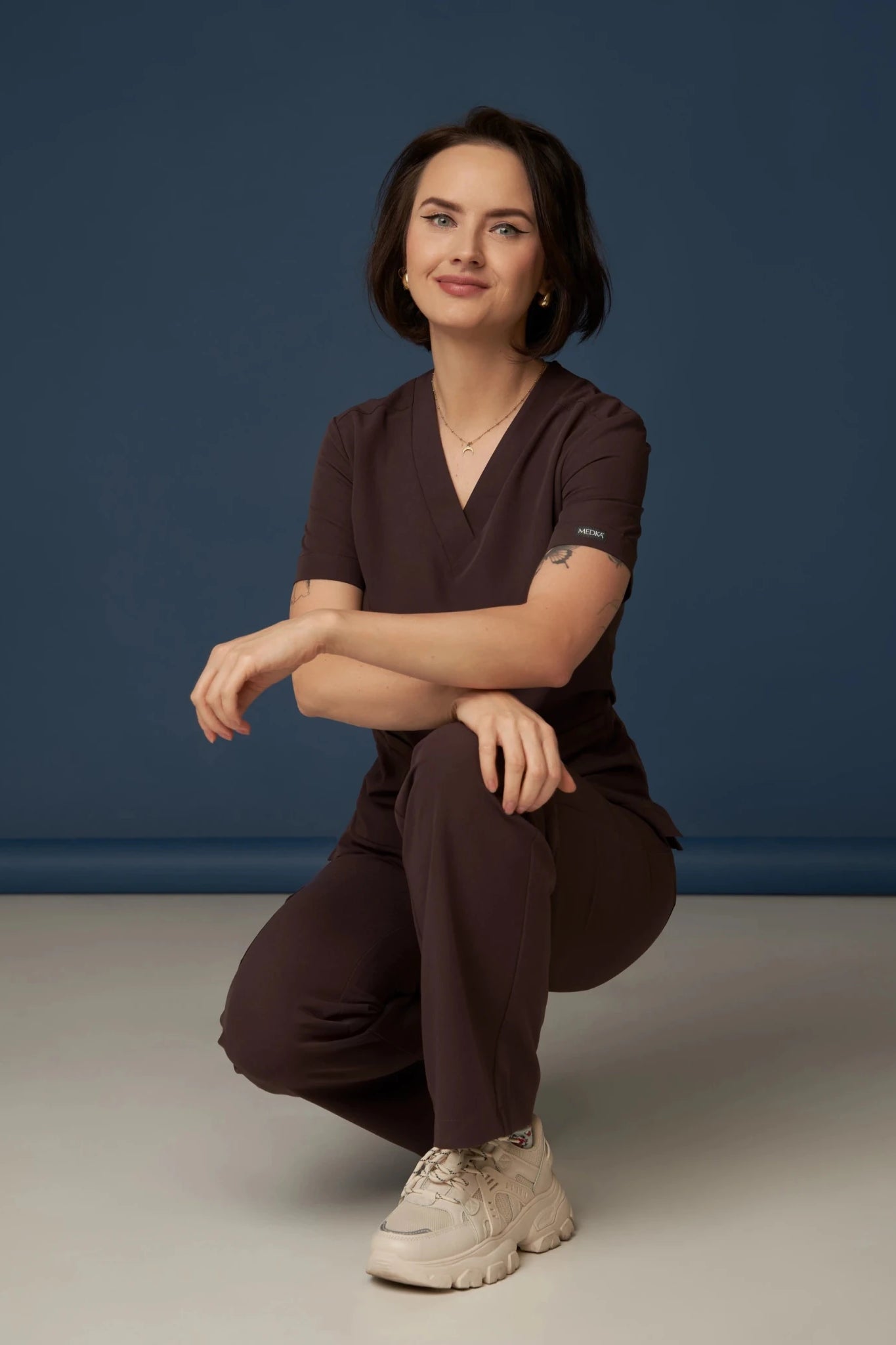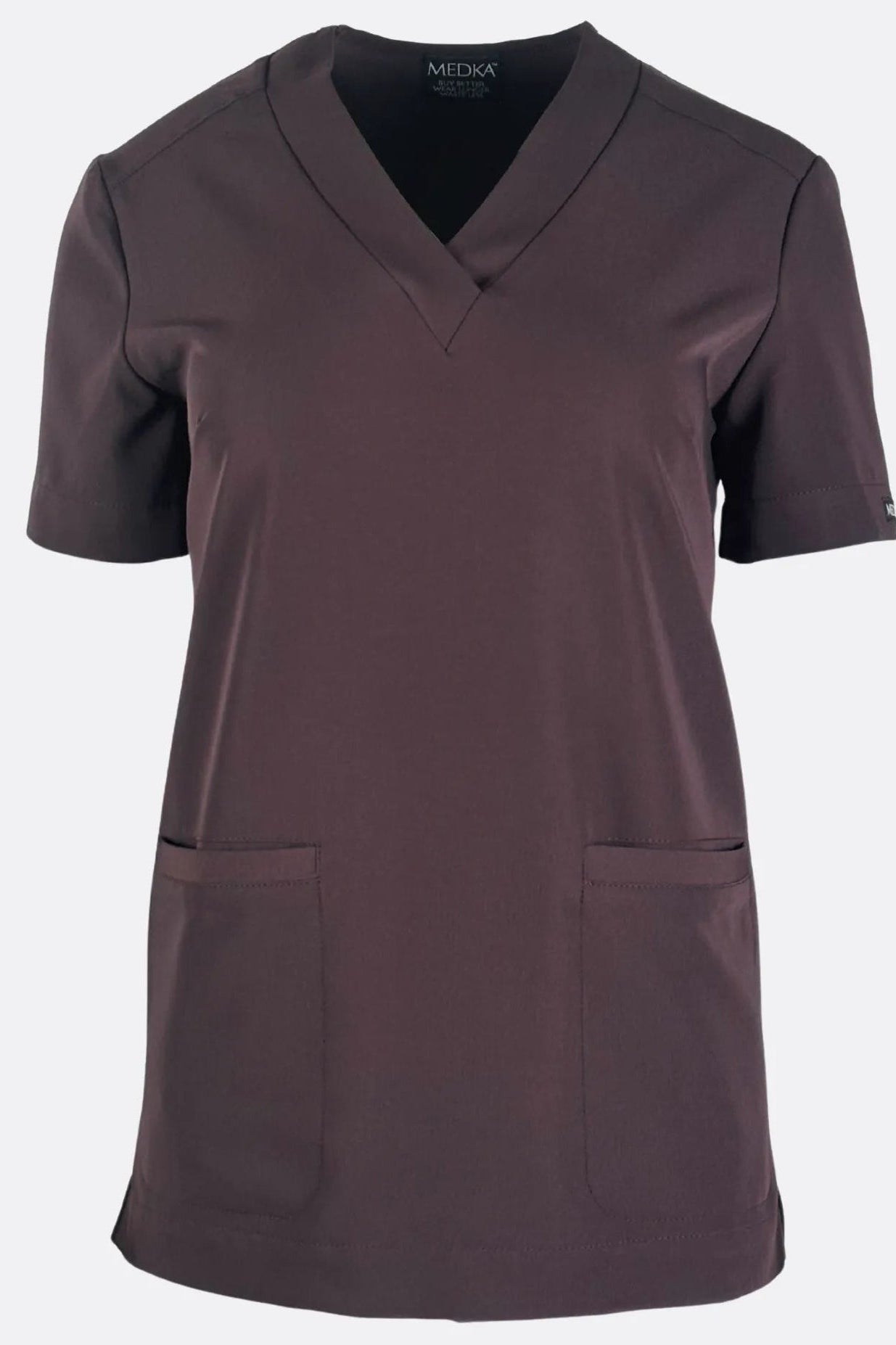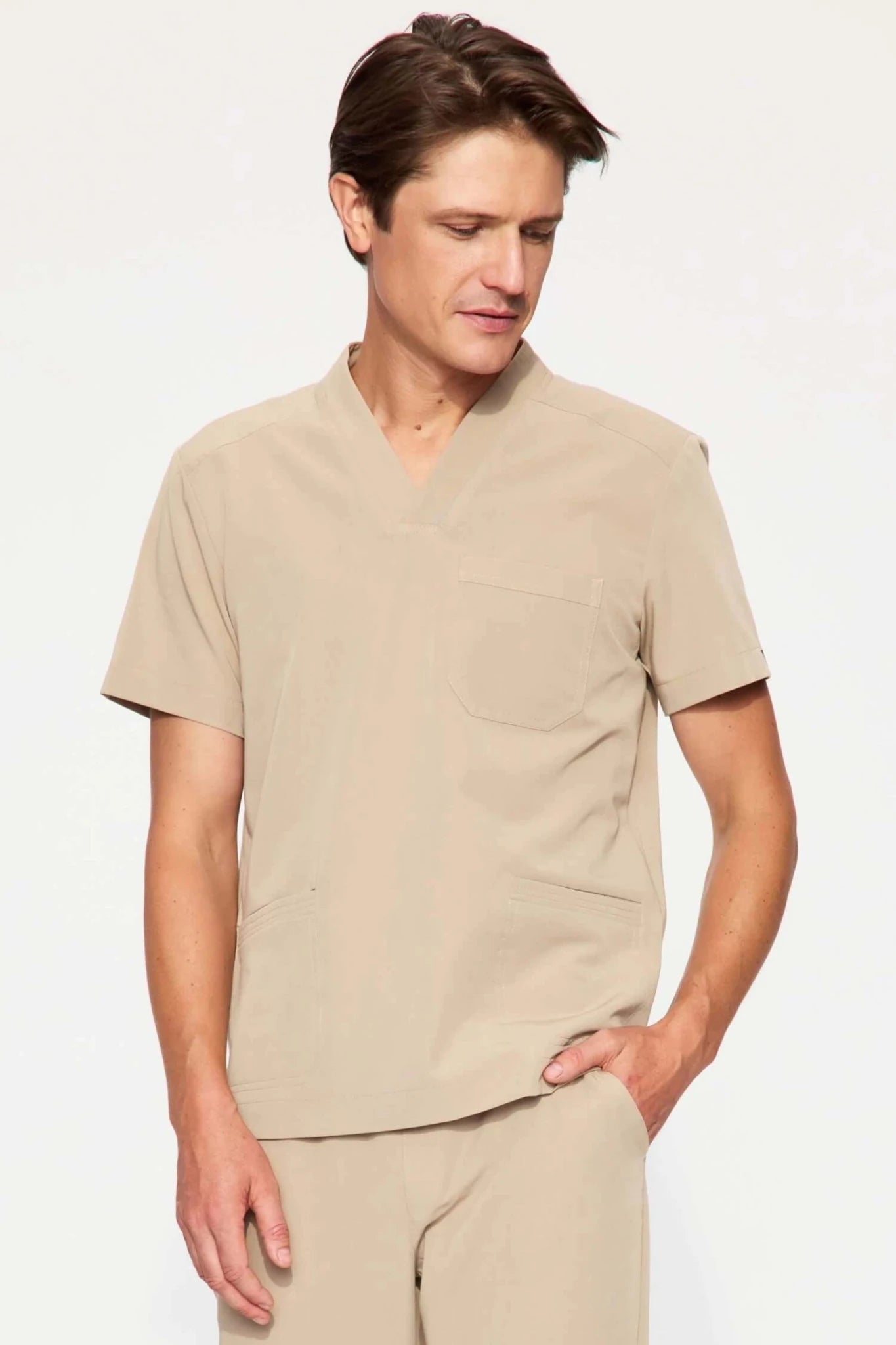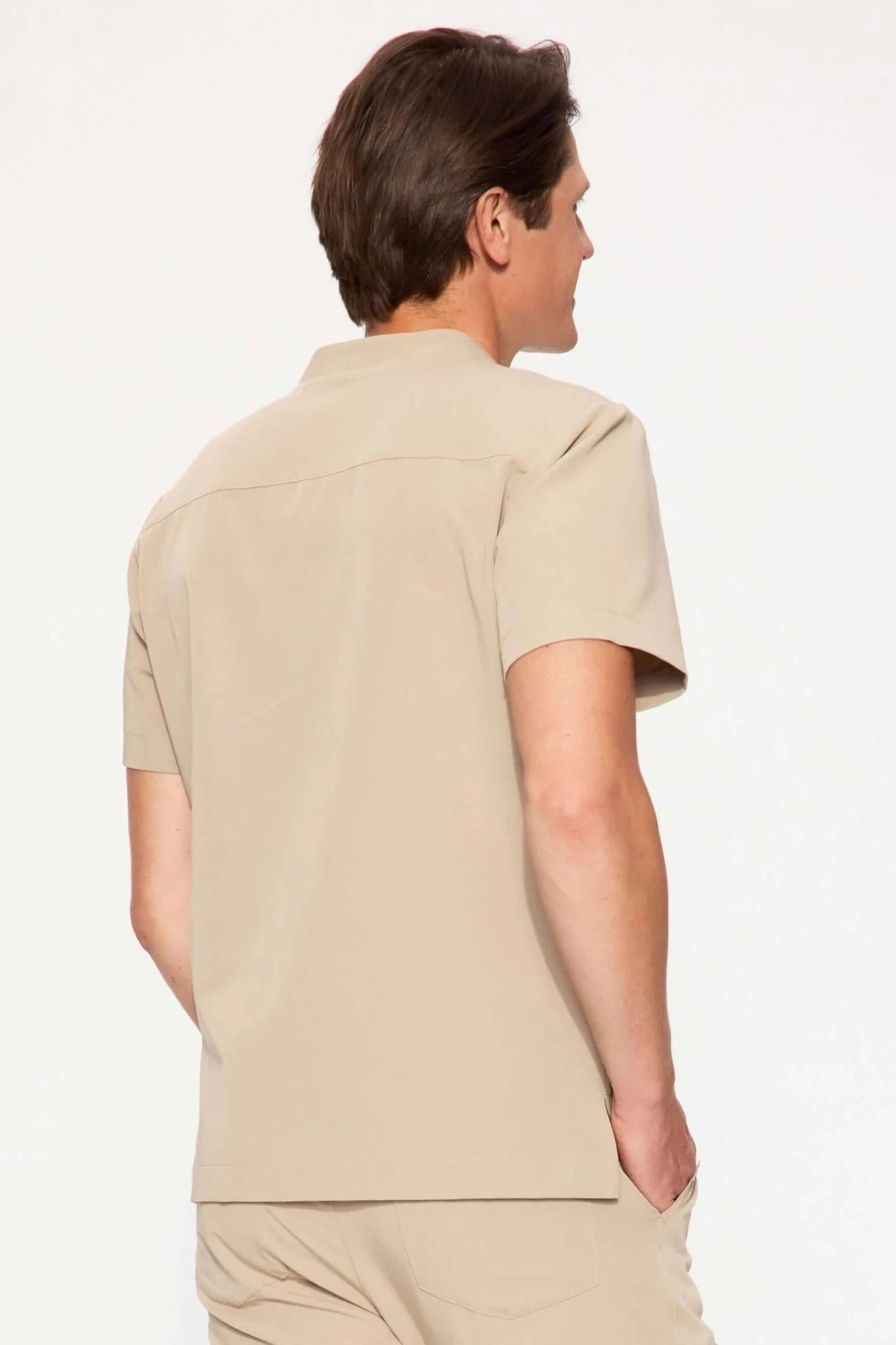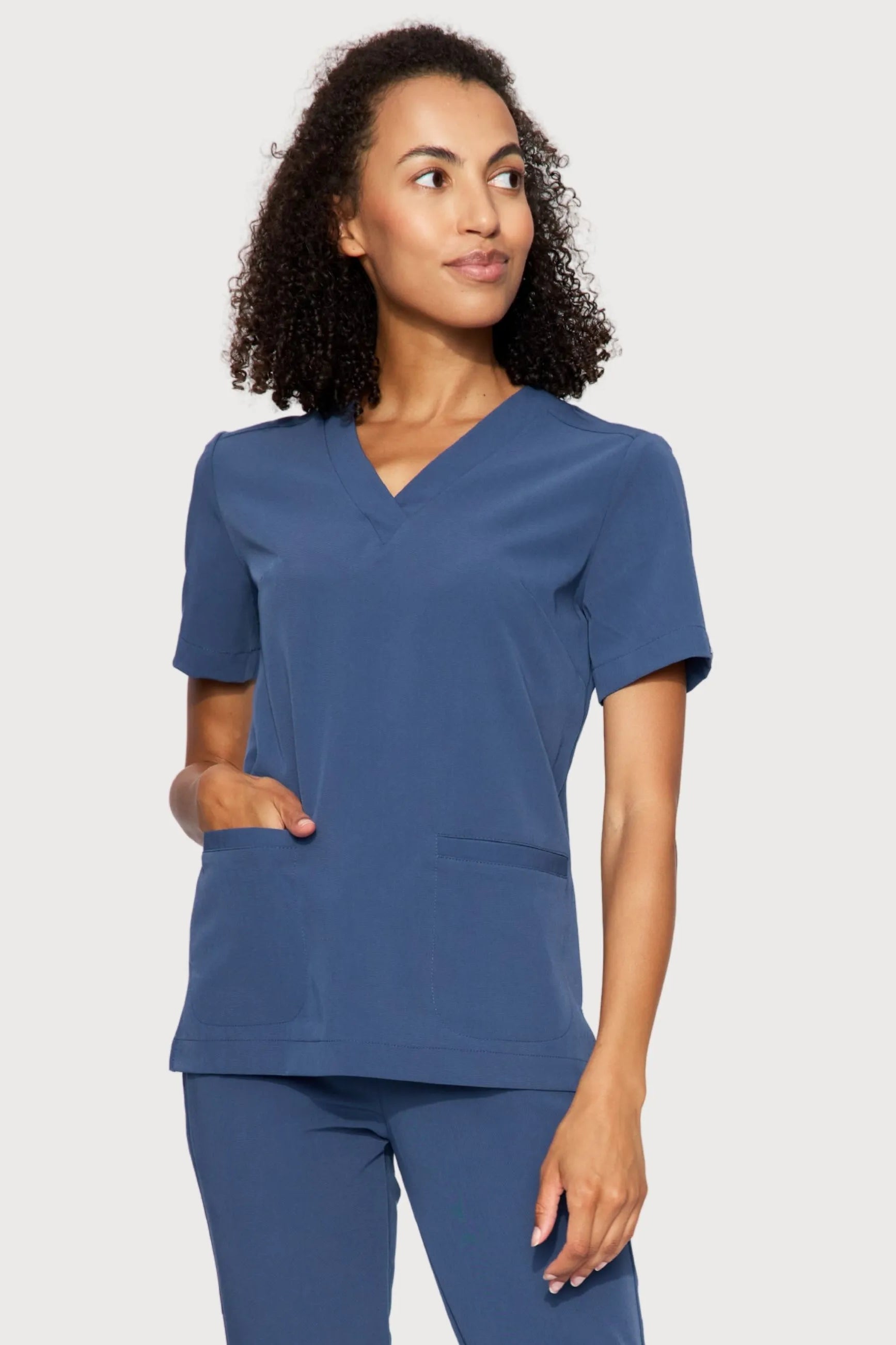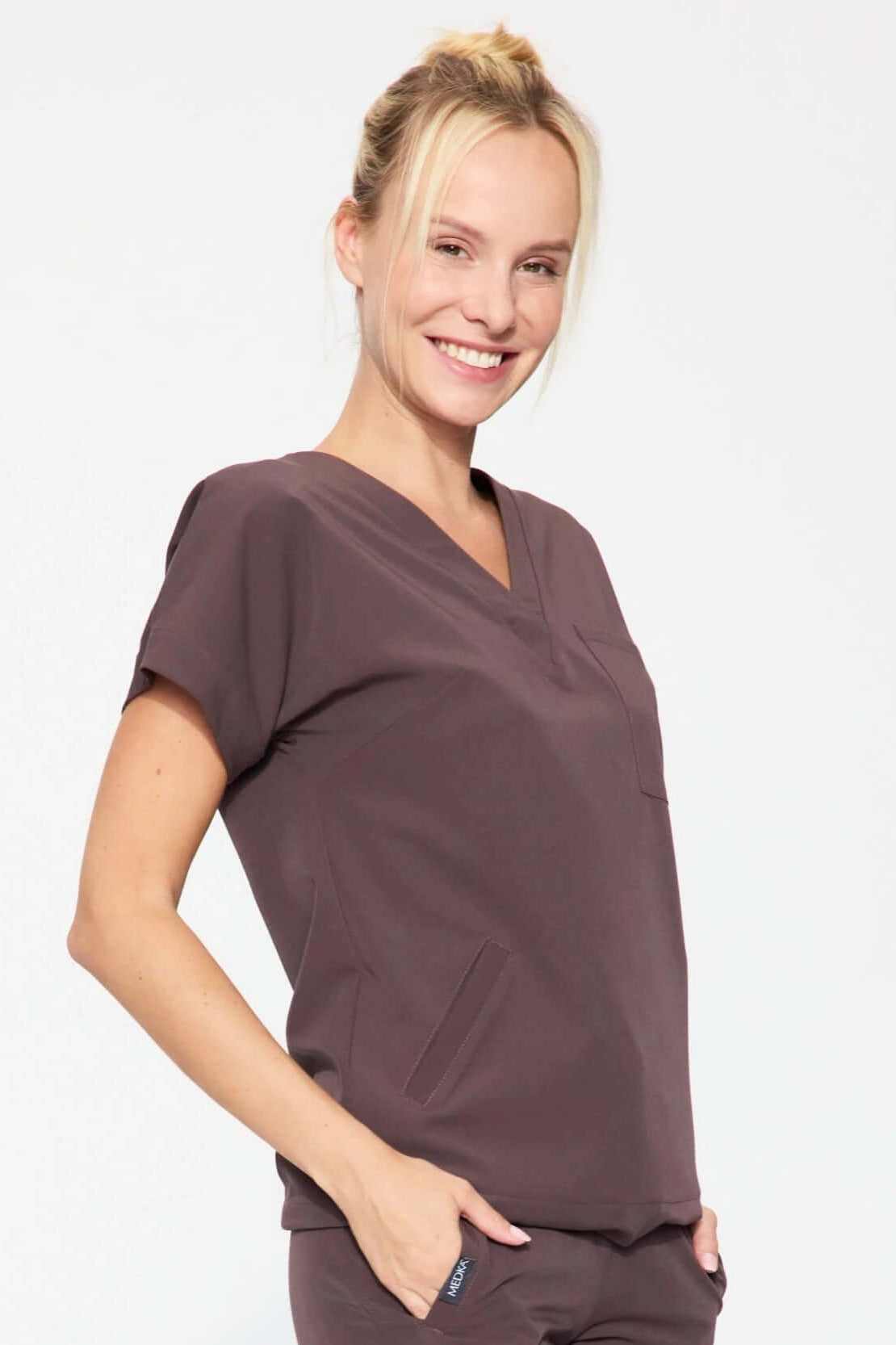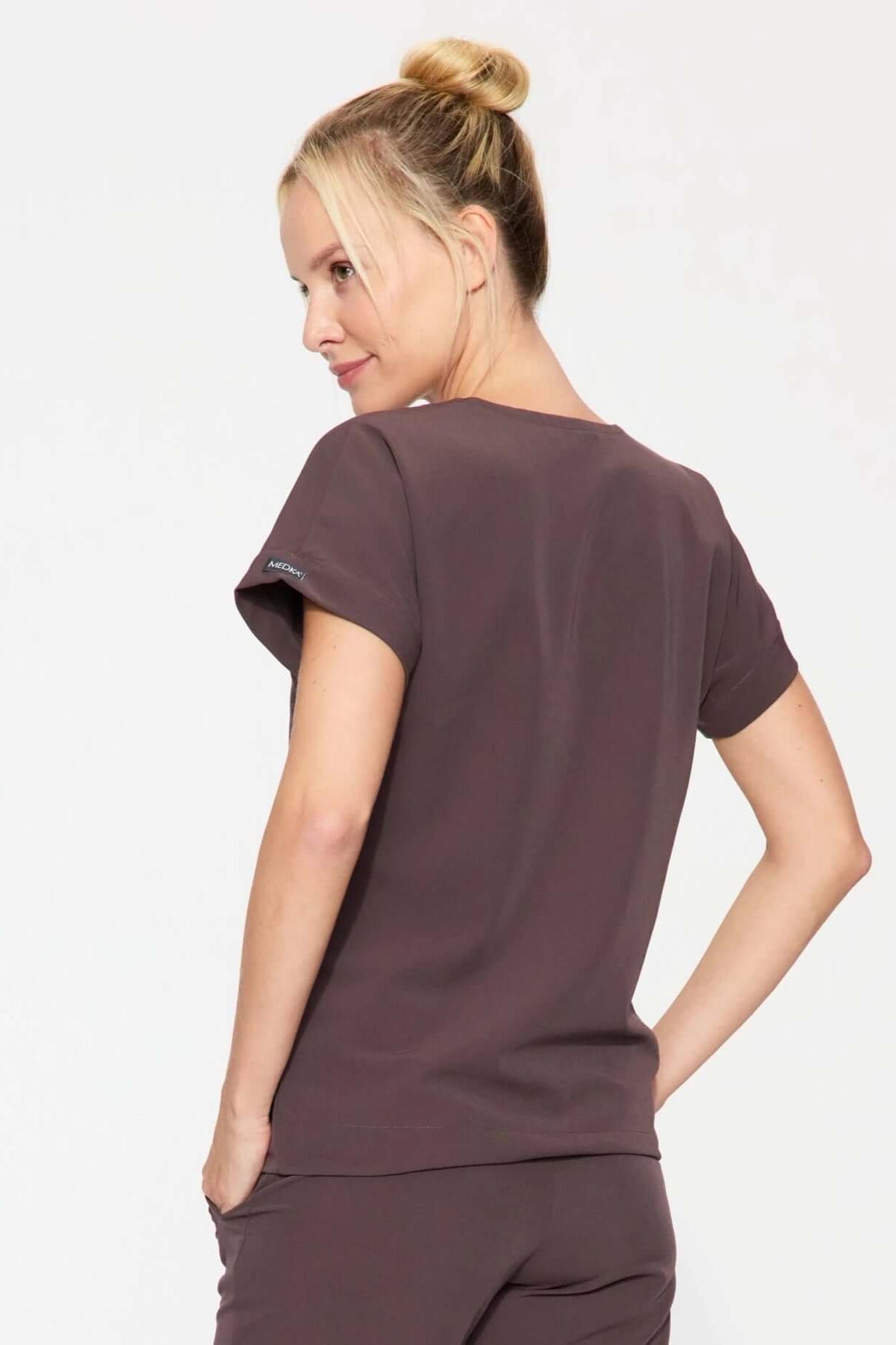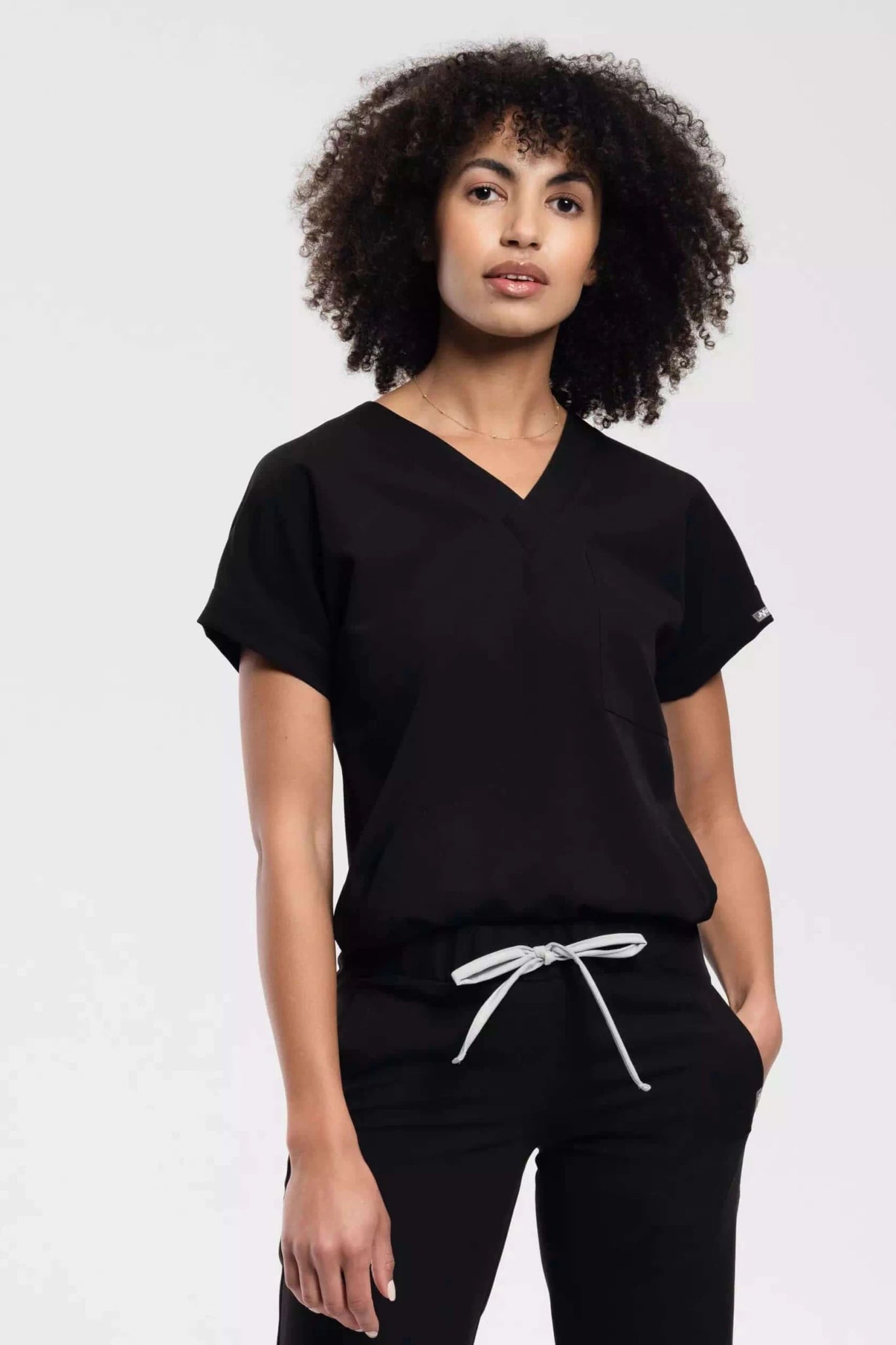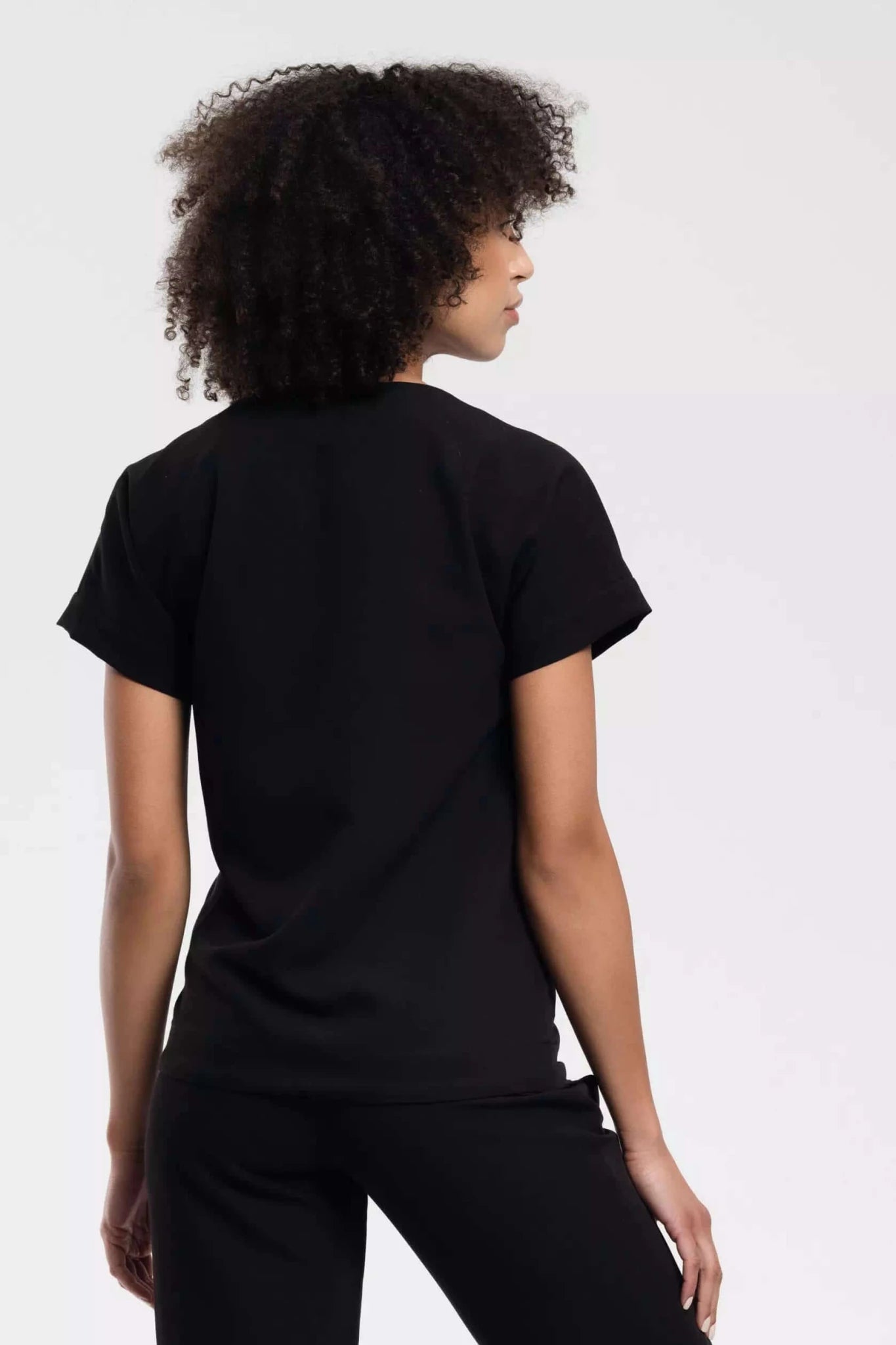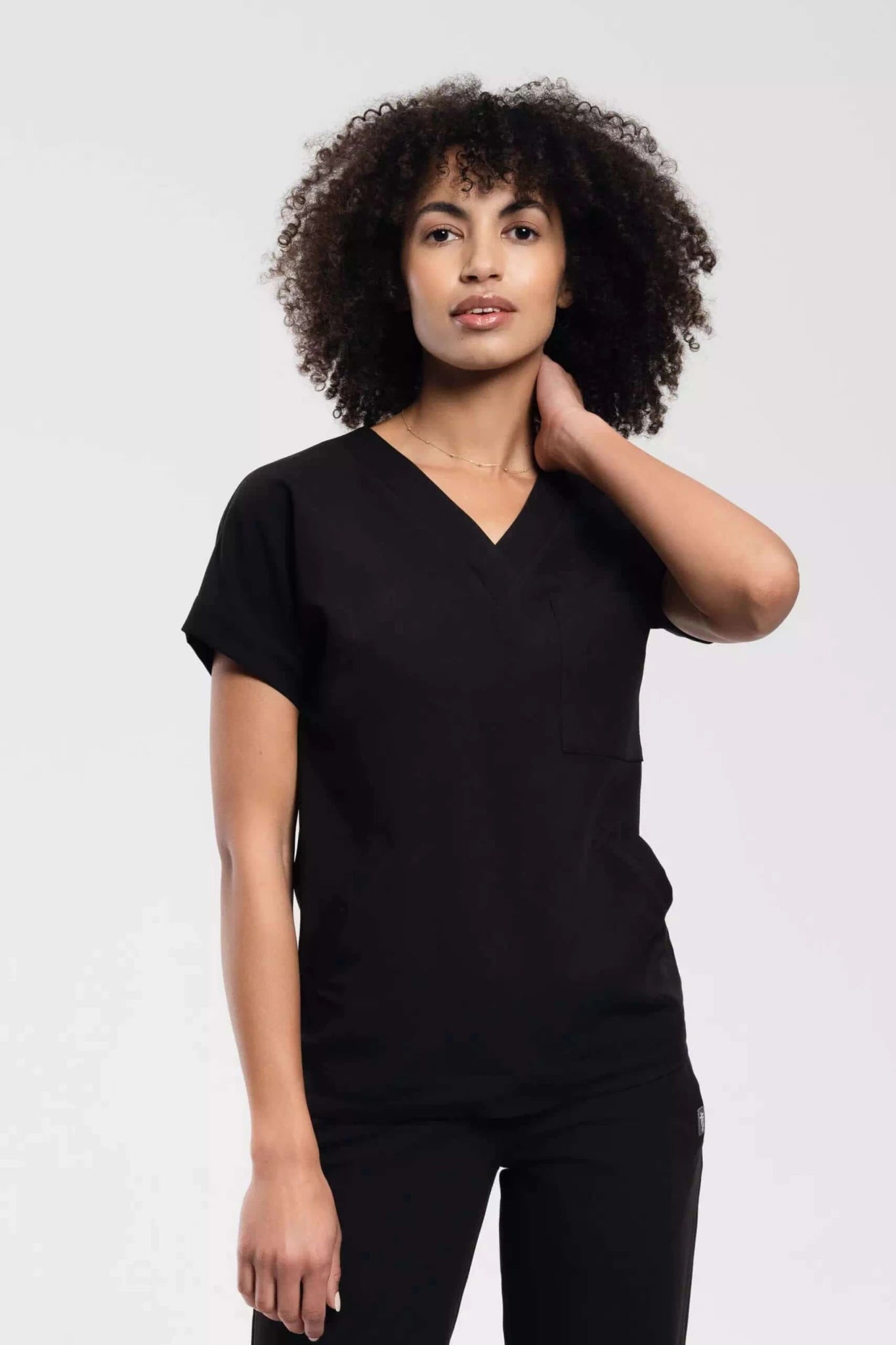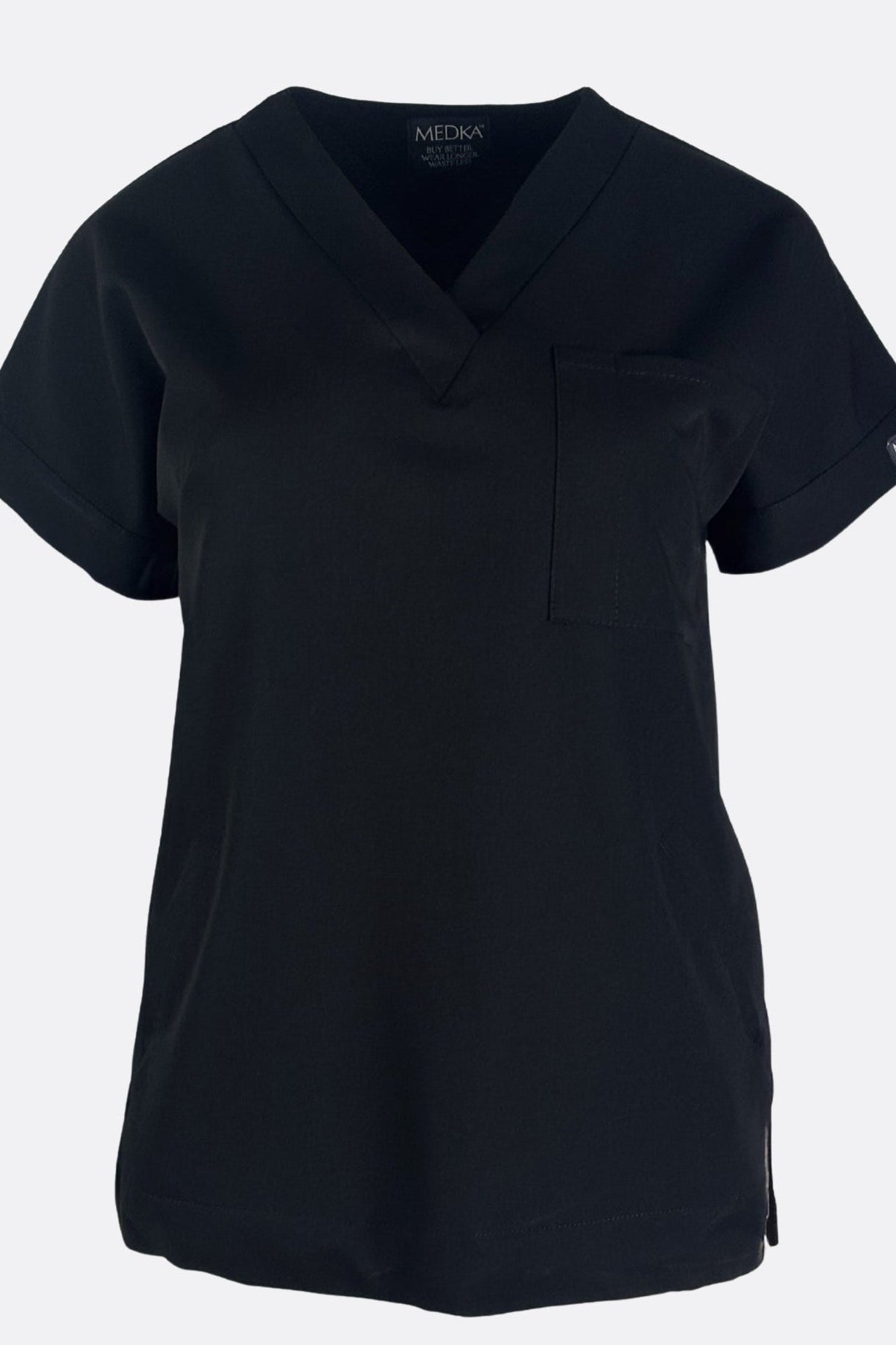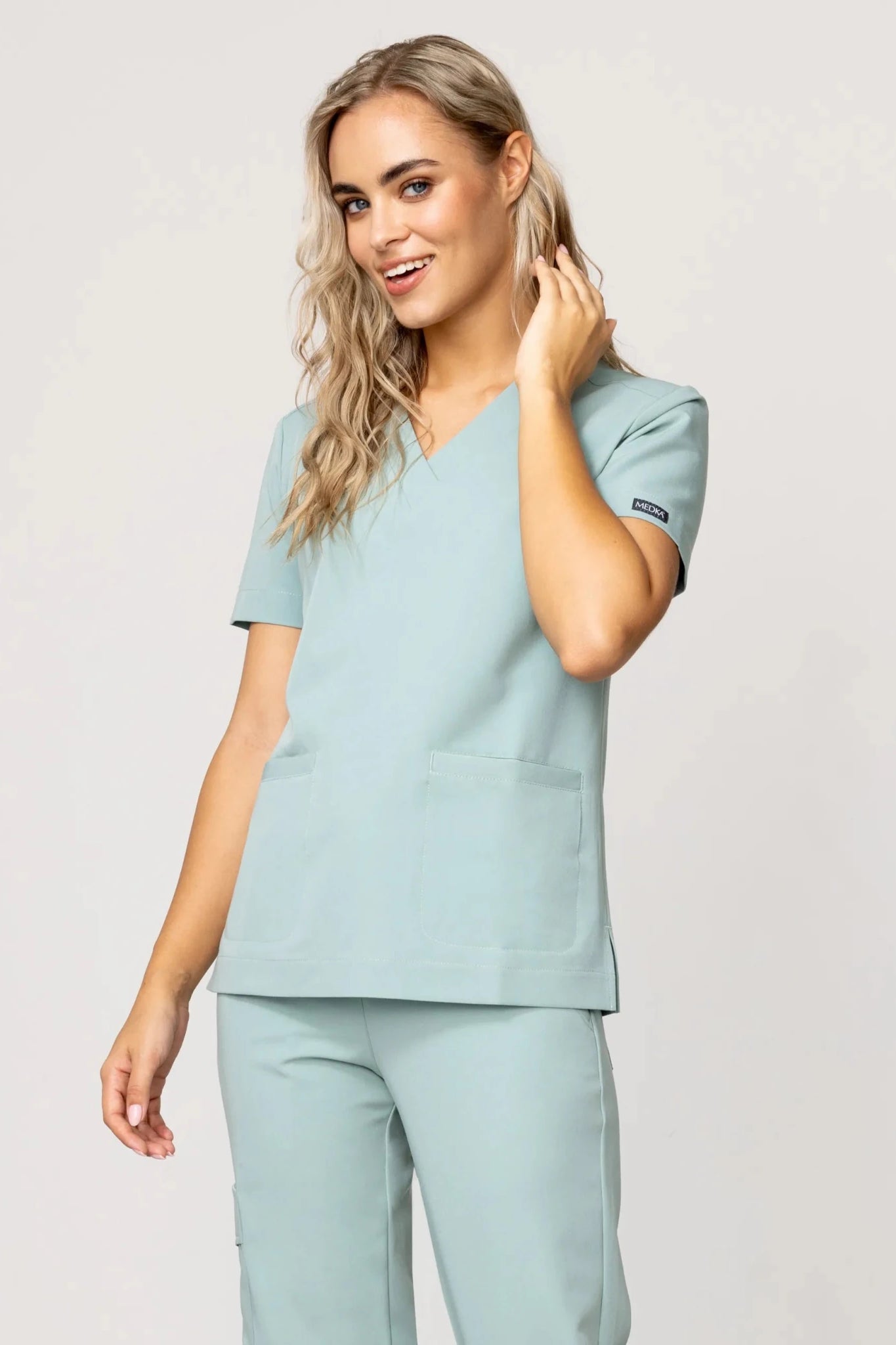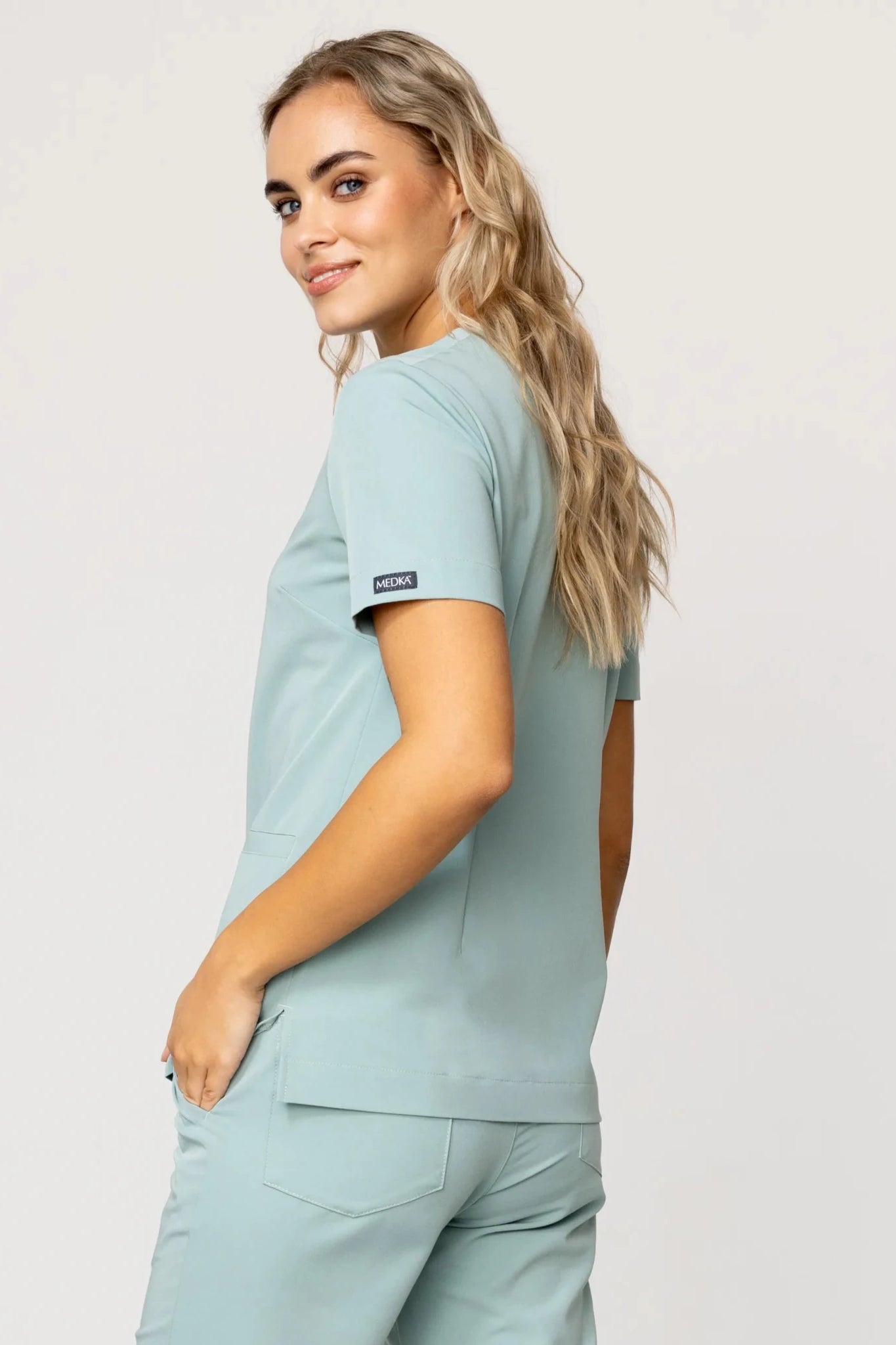





Medical aprons serve more than one function in many workplaces. It is supposed to protect the clothes underneath, organize your professional image and make everyday duties easier, but only in practice it turns out whether it actually supports the user throughout the day. A poorly selected model may restrict movement, fit the body incorrectly or quickly lose its aesthetics after washing. A well-chosen apron works differently: it does not require constant adjustments, gives you freedom when working with a patient or client and maintains a professional appearance despite intensive use. Therefore, when purchasing, it is worth looking not only at the style or price, but also at the entire context of work, material, details and adjustment possibilities.
A medical coat is an element of clothing, but above all a work tool
In medical, veterinary, laboratory and beauty professions, an apron is not just an addition to the uniform. This is a layer that is supposed to function well in the rhythm of the working day: during consultations, examinations, treatments, moving between offices and repeatedly reaching for the necessary accessories. At Medka, we look at the apron in this way: as a combination of protection, comfort and a professional appearance.
In everyday use, it quickly becomes clear whether the apron has been chosen wisely. If the material is too stiff, the fastening does not work well when sitting down, and the sleeves or shoulders restrict movement, even an aesthetic model becomes tiring. In turn, a style well suited to the scope of duties helps to maintain order, freedom and better comfort for many hours.
That's why it's worth treating an apron as work equipment. It's not about looking good just in a photo. It should fit well when the user stands, sits, bends, raises his hands and works at a fast pace. This approach allows you to avoid one of the most common purchasing mistakes, i.e. choosing based solely on the first visual impression.
First the working conditions, then the style
Choosing an apron should start with a simple question: in what conditions will it be used? A doctor who sees patients in the office needs a different model, a laboratory diagnostician needs a different one, and a physiotherapist or specialist working in movement needs a different model. If the apron is worn most of the day, the breathability of the material, shoulder freedom and well-planned pockets become crucial. If it serves rather as a top layer on scrubs, you can emphasize its more representative character, but without sacrificing comfort.
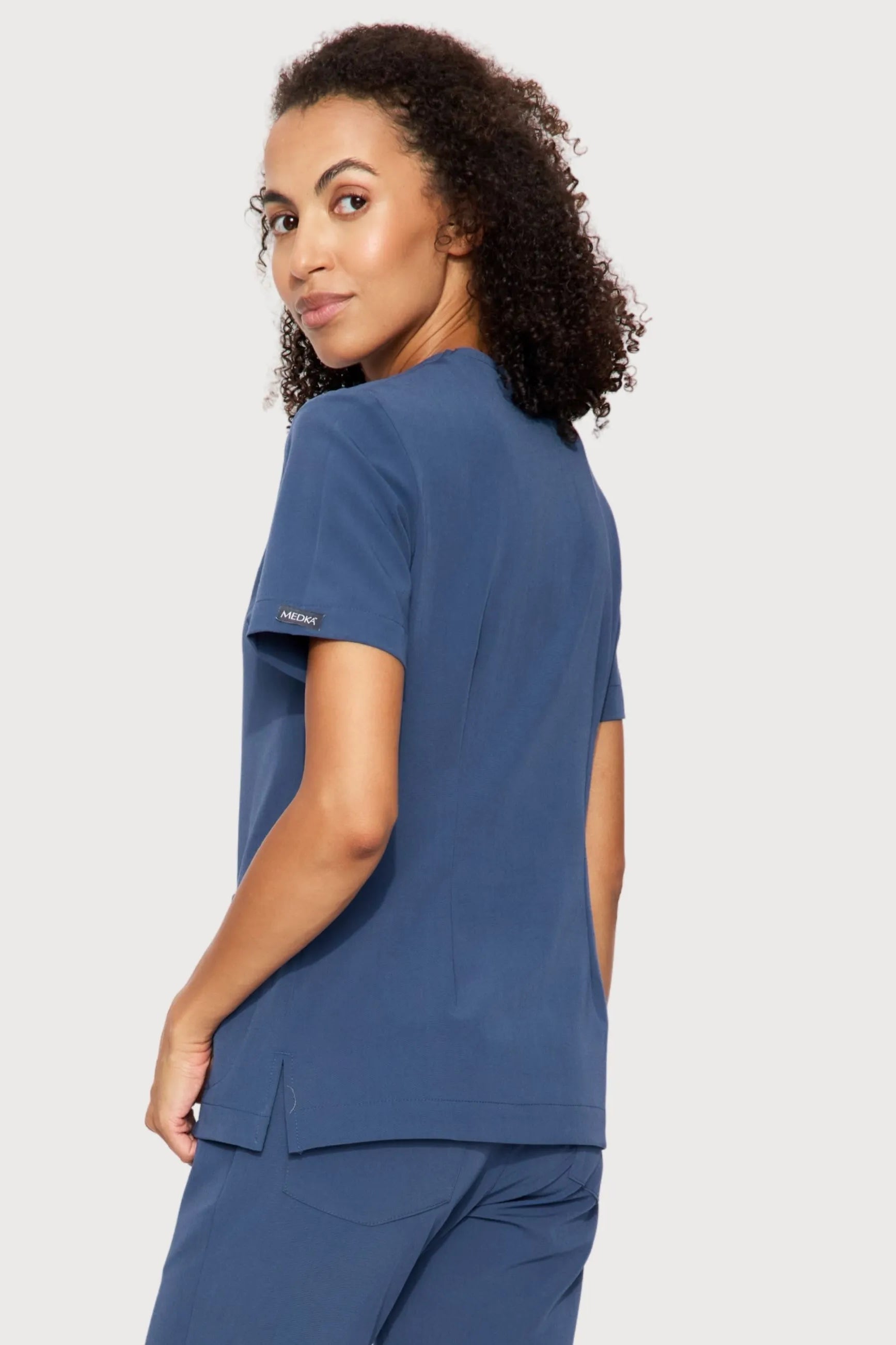
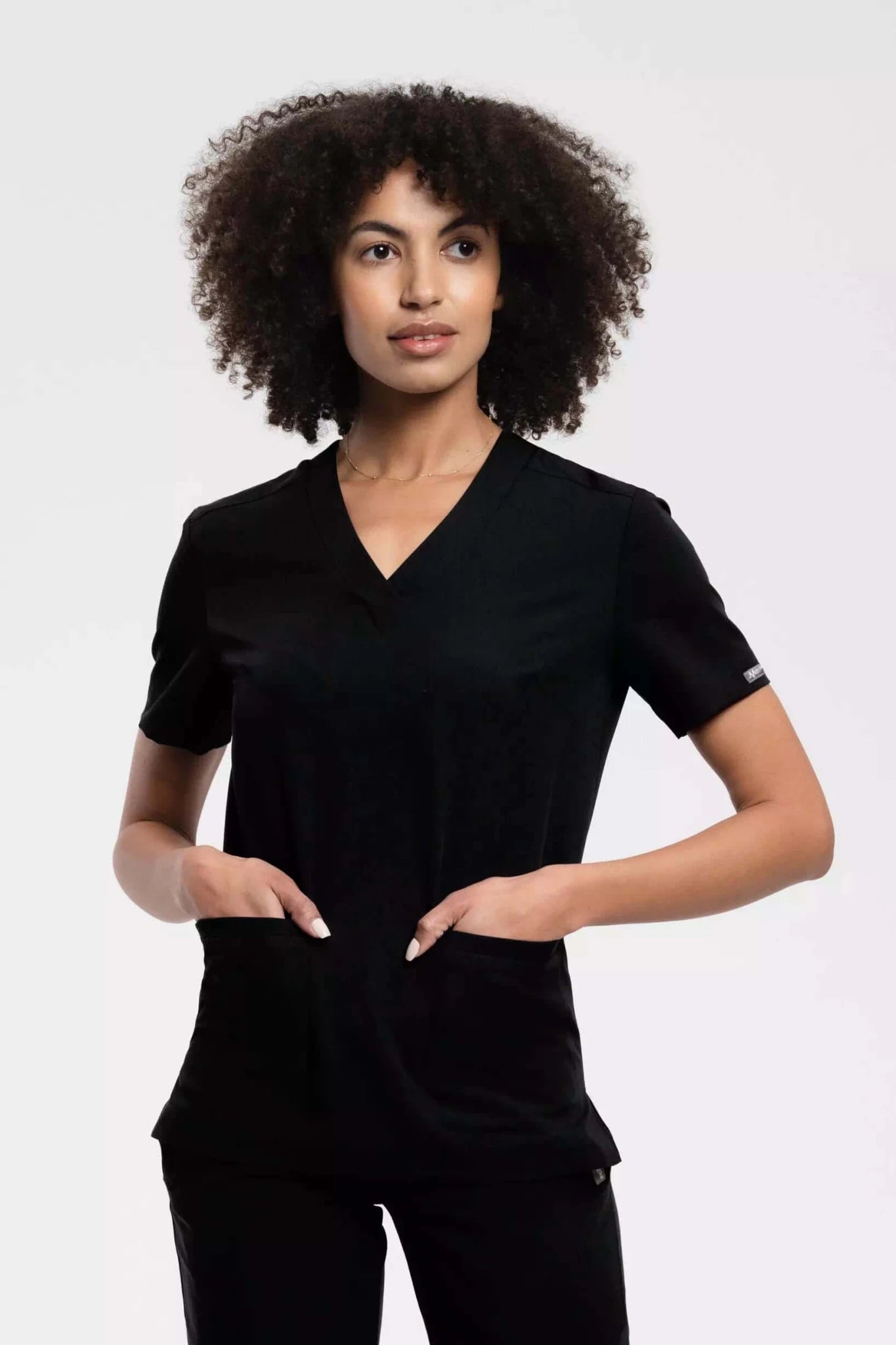
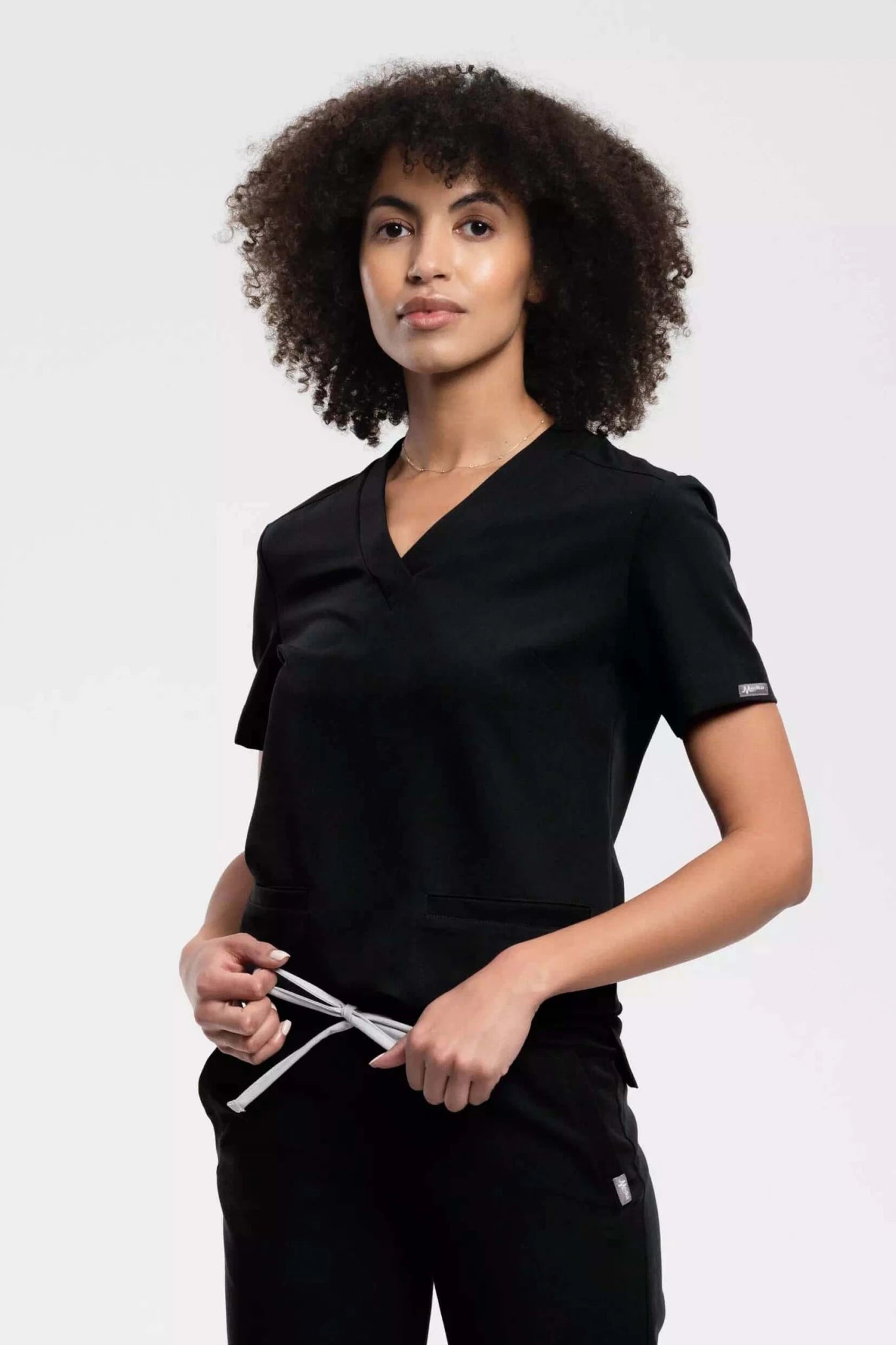
In our offer men's medical gowns we focus on a combination of features that respond to the real needs of the user: a classic, slightly fitted cut, long sleeves, roomy pockets and a slit at the back that improves comfort during bending, examinations and procedures. This is a good example of the fact that the practicality of an apron is determined not by one parameter, but by a set of solutions tailored to everyday tasks.
It's also a good idea to consider what the wearer usually wears underneath. If the apron is to be worn over scrubs or an additional layer of clothing, it should have adequate allowance in the shoulders, chest and hips. Otherwise, even the correct size may turn out to be too tight in movement.
The material should withstand the rhythm of work and frequent washing
The composition of the fabric matters, but what is even more important is how the material behaves in practice. What counts in a medical gown is the combination of breathability, resistance to frequent washing, stability of form and comfort of wearing for many hours. In our men's aprons, it is important that the material is breathable and that the composition is selected in such a way that daily care is easier and the uniform is better able to withstand regular washing.
This is a valuable tip because the work apron should not require complicated operation. If it loses its shape after each wash, takes a long time to dry or is easily deformed, it is no longer practical. Fabrics that retain their shape and do not require constant appearance correction are better suited for intensive work. For many users, the lightness of the material and its behavior during long contact with the skin and many hours of movement will also be important.
It is also worth paying attention to the texture and finishing. Carefully selected fabric, aesthetic collar, refined buttons and neat stitching affect not only the appearance of the new apron, but also how it looks after weeks of use. The aesthetics of a uniform result not only from the color or cut, but also from how the material behaves in everyday work.
The cut should organize the figure and not restrict movement
A good medical gown should be neither too tight nor too loose. The first one will drag in the shoulders and waist, the second one will start to lose its professional character and may interfere with movement. At Medka, we focus on classic, slightly fitted styles and wide sizes, because only this approach gives us a greater chance of actually fitting the apron to various body types.
In practice, it is worth checking several elements at the same time: shoulder line, sleeve length, chest and hip circumference, and how the apron behaves in a sitting position. Standing alone is not enough. Only movement shows whether the style actually works with the body.
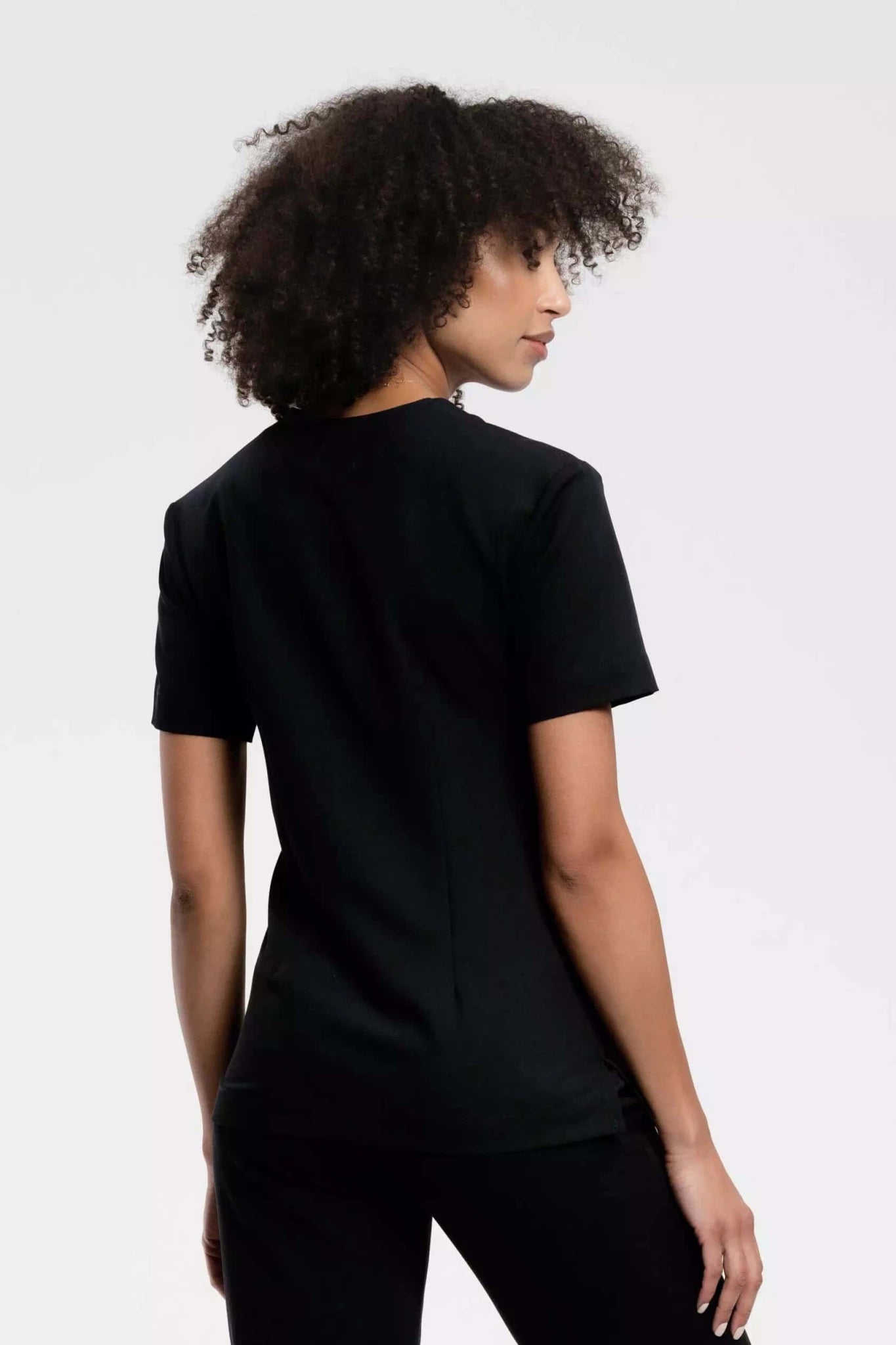
In the case of men's aprons, the width of the back, shoulder proportions and the total length of the model are particularly important. An apron that is too short may look too light in a more formal work environment, while an apron that is too long will be less comfortable when moving around quickly. A classic, structured style usually works best where medical uniform it is supposed to build a professional perception without excessive formality.
Details determine comfort more than it seems
In practice, it is not the cut itself, but the details that determine whether an apron is comfortable all day long. Pockets should be roomy but well placed. When designing our offer, we make sure that they can easily accommodate a phone, pen, keys and other necessary items. This is important because what counts in a work uniform is easy access to small items without disturbing the lines of the entire apron.
Sleeves and fastening are equally important. Long sleeves can be a good choice where a more classic look or extra coverage is important. The clasp should operate smoothly and not come apart when sitting down. A slit at the back usually improves freedom of movement and prevents the apron from obstructing your step when moving faster.
It is also worth taking a look at the finish of the collar, the fastening strip and the places most exposed to stress. This is where you can see the difference between an apron designed for everyday use and a model that looks good only at the beginning.
We offer a virtual fitting room that makes it easier to match the style
One of the biggest problems when purchasing medical clothing online is the uncertainty of how a given style will look on a specific figure. The size chart itself can be helpful, but it is not always sufficient, especially when the user hesitates between two sizes or wants to assess the proportions of the model before purchasing.
That's why we offer a virtual fitting room for medical clothing with an AI assistant. Thanks to it, you can choose a product, check its appearance in your own photo or selfie and see what different models and colors look like. This solution helps to better assess the length of the apron, the general line of the cut and whether a given model corresponds to the expected work style.
In the case of a medical gown, this is very important because even a well-described product may fit differently on different figures. The virtual fitting room does not replace checking dimensions, but it provides additional support when making decisions and helps reduce the risk of making a wrong choice.
We also offer medical clothing with embroidery when identification and a consistent image are important
Not every medical coat needs to be personalized, but in many workplaces, embroidery is a practical addition to the uniform. We offer medical clothing with embroidery, which may be supplemented with the name, surname, professional title, company logo or facility name. This detail makes it easier to identify staff and organizes the image of the team, which is important in clinics, medical offices, the beauty industry, physiotherapy and veterinary medicine.
In the case of an apron, embroidery is best treated not as a decoration, but as a functional element of the outfit. The name and professional title help the patient more quickly understand who he is dealing with. The facility's logo or name can, in turn, strengthen the visual coherence of the team. We can make both simple inscriptions and embroidery with a logo, and the entire process can be tailored to the needs of a specific person or facility.
This is important because the personalization of the uniform should be well thought out. Too large or poorly placed embroidery may disturb the proportions of the apron. A well-designed one does the opposite: it emphasizes the professional character of the outfit and improves the readability of the identification without the impression of exaggeration.
The most common mistakes when choosing a medical gown
Most purchasing mistakes come from focusing on one criterion. Sometimes it is only the price, sometimes the appearance, and sometimes the composition of the material itself. Meanwhile, a medical coat should combine several features at once: comfort, durability, appropriate cut, practical details and aesthetics appropriate to the workplace.
A common mistake is to ignore how to use it. A model suitable for quiet office work does not have to be suitable for places where the day means constant movement. The second problem is choosing the wrong size. A wide range of sizes helps, but only if the user actually relates the dimensions to a specific style and does not choose "by heart".
The third mistake is underestimating details. Pockets, a slit at the back, collar finishing or the quality of buttons may seem like small details, but they often determine the real comfort of work and the durability of the apron. The fourth mistake is treating embroidery as a purely aesthetic addition, without thinking about its function. If it is to appear, it should support identification and uniformity of the outfit.
How to approach the purchase to make the apron last longer?
Before purchasing, it's a good idea to go through a simple list of questions. Should the apron be worn all day or only periodically? Do you need roomy pockets? Is classic form or maximum lightness more important? Should the outfit be part of an individual uniform or part of a team uniform? The answers organize the selection much better than comparing just the photos.
It is also worth using solutions that make it easier to evaluate the effect before purchasing. We offer a virtual fitting room, which makes it easier to see how a given model looks on your body. We also offer the option of personalization with embroidery, which helps build a more consistent and professional look of the medical uniform both individually and in teamwork.
In the long run, the most cost-effective is an apron that remains comfortable after many hours of work, holds up well to washing, and still looks neat over time. This is usually a better criterion than the starting price itself.