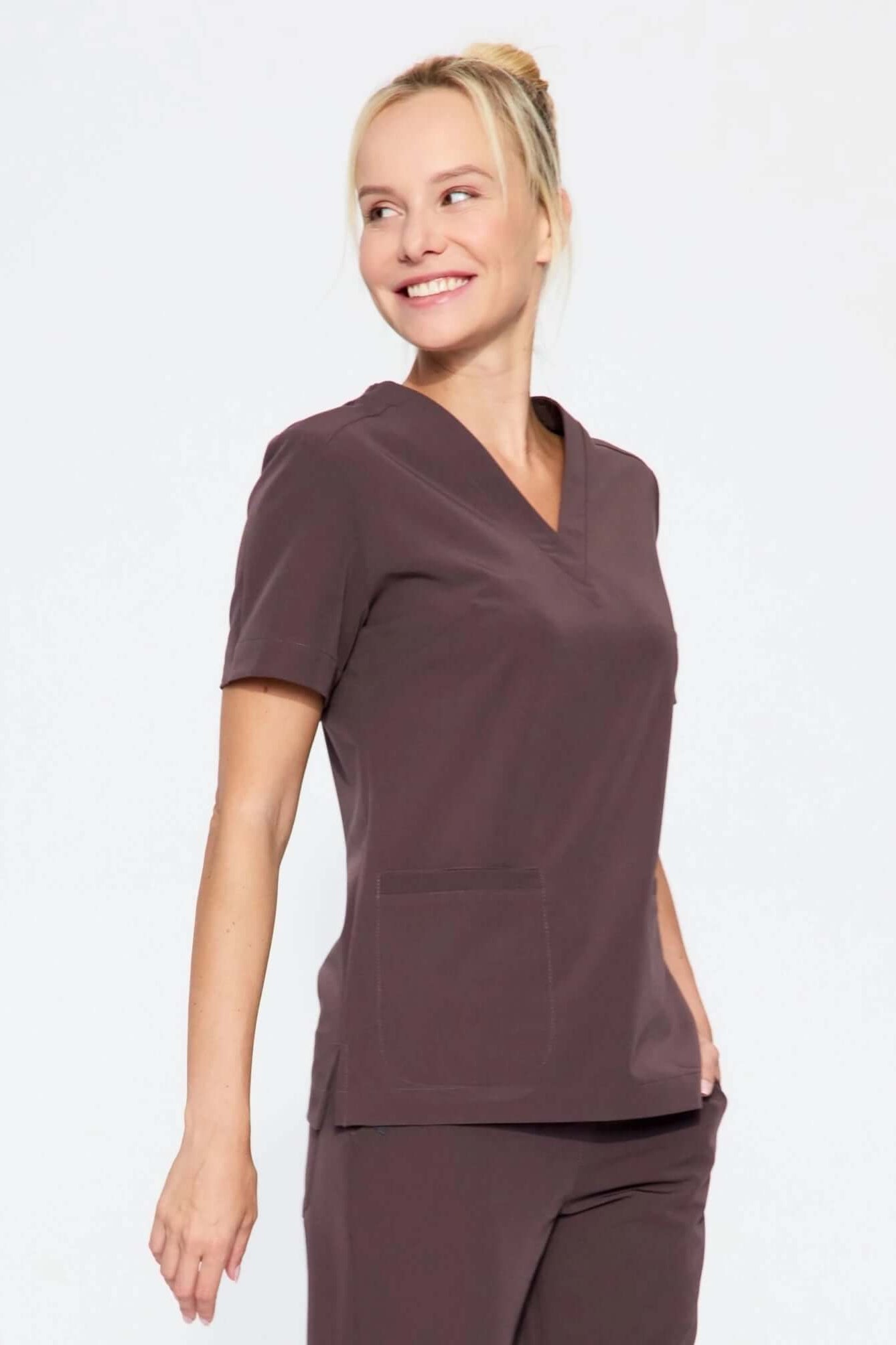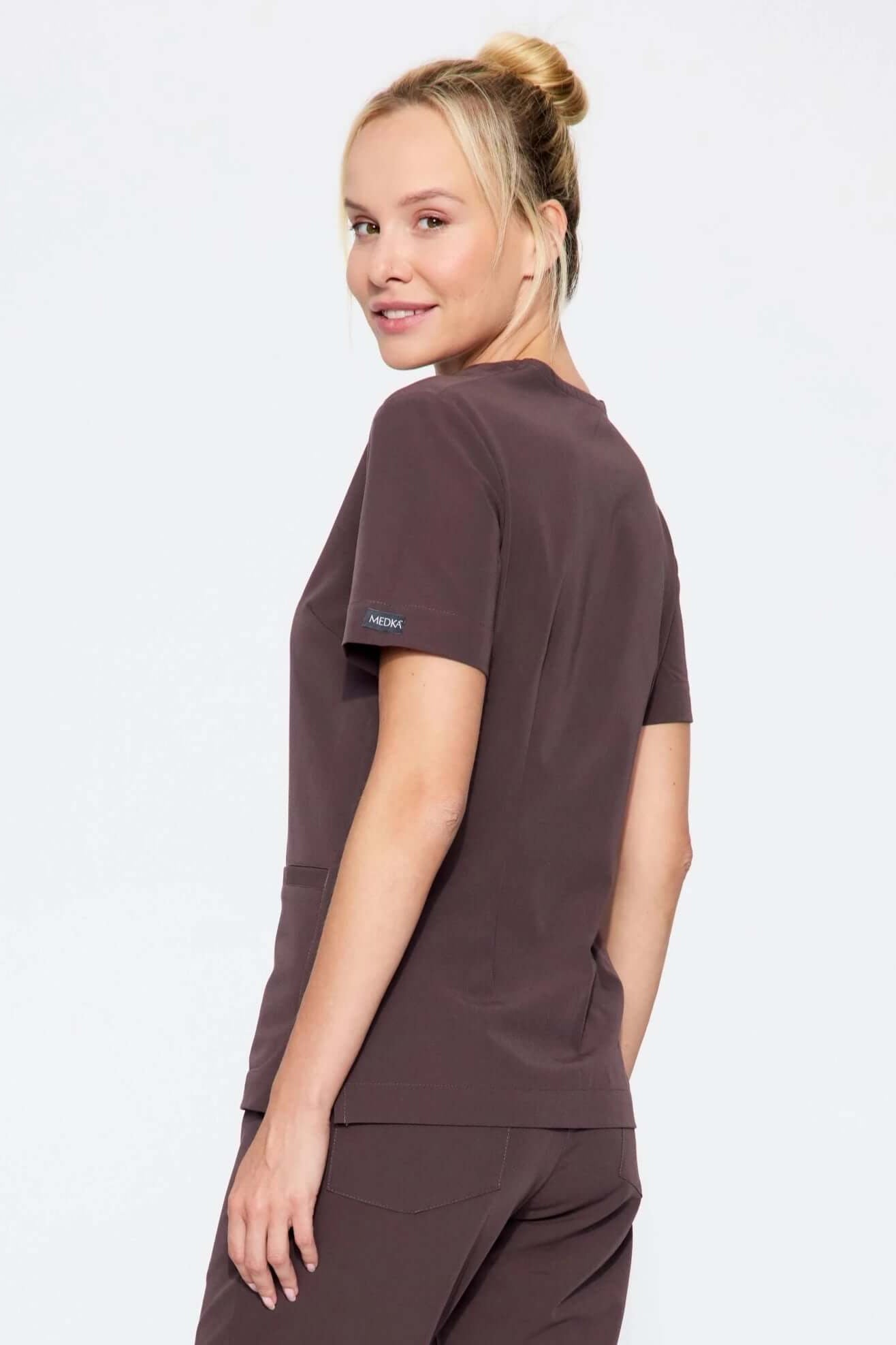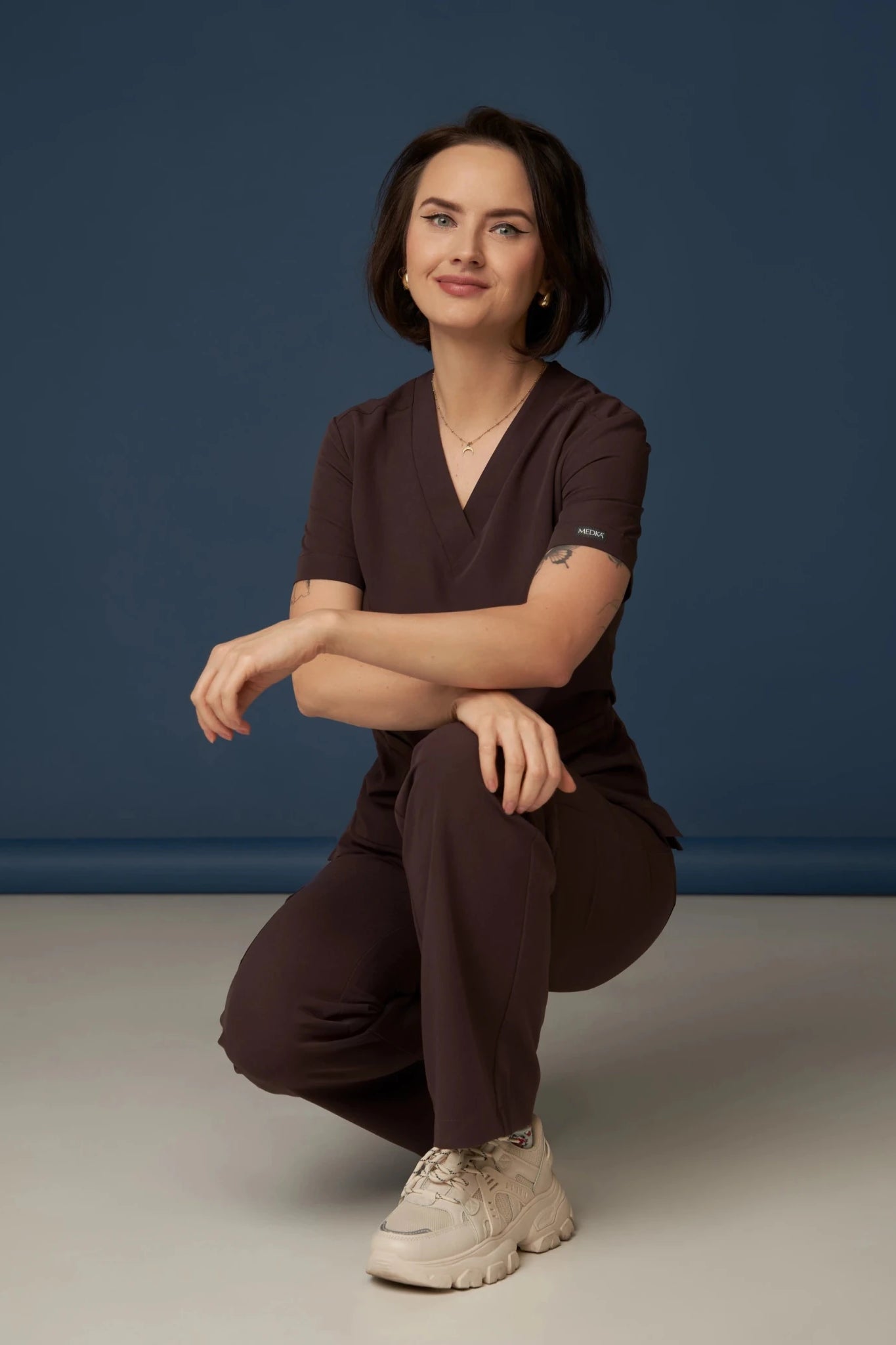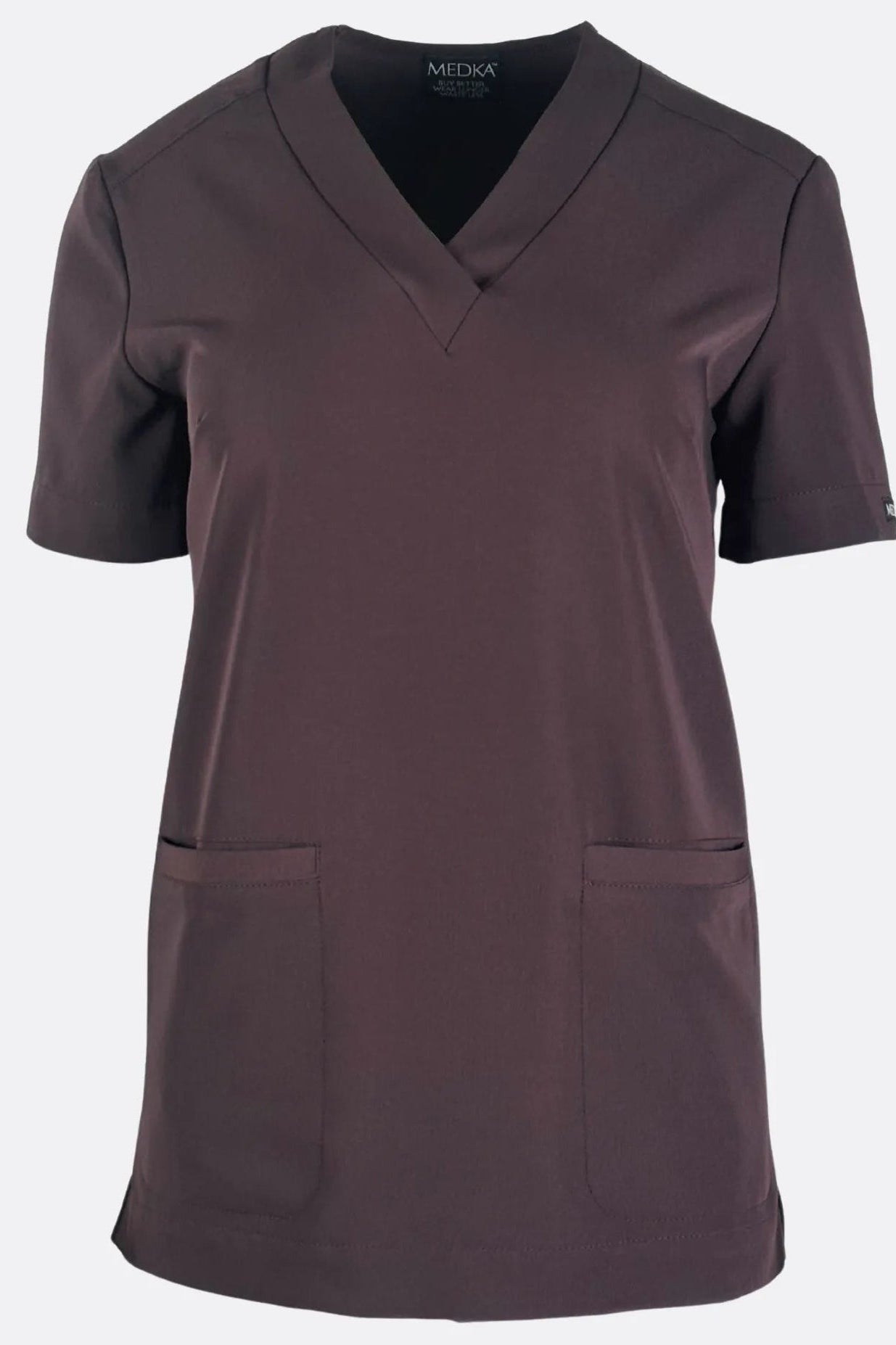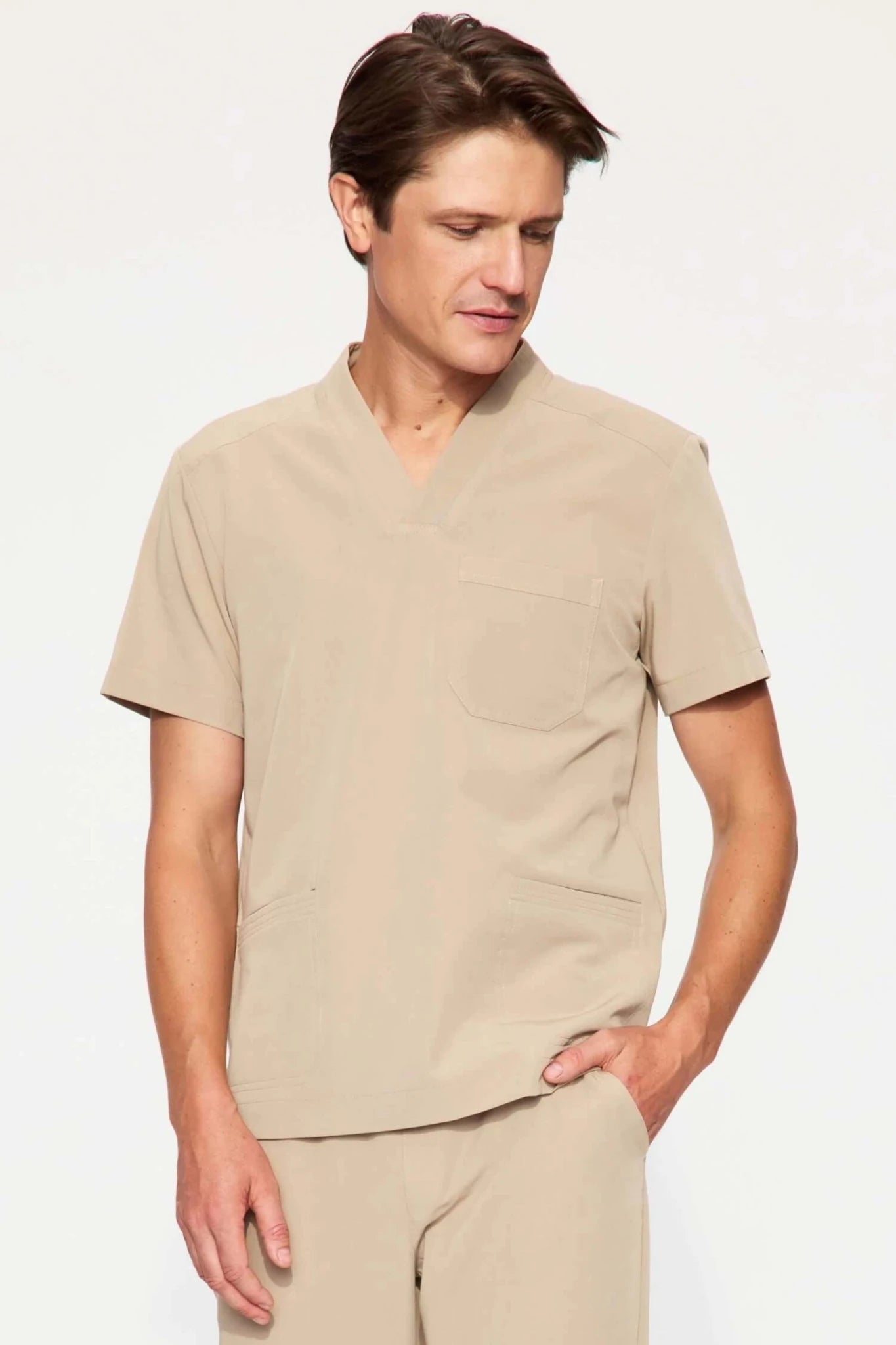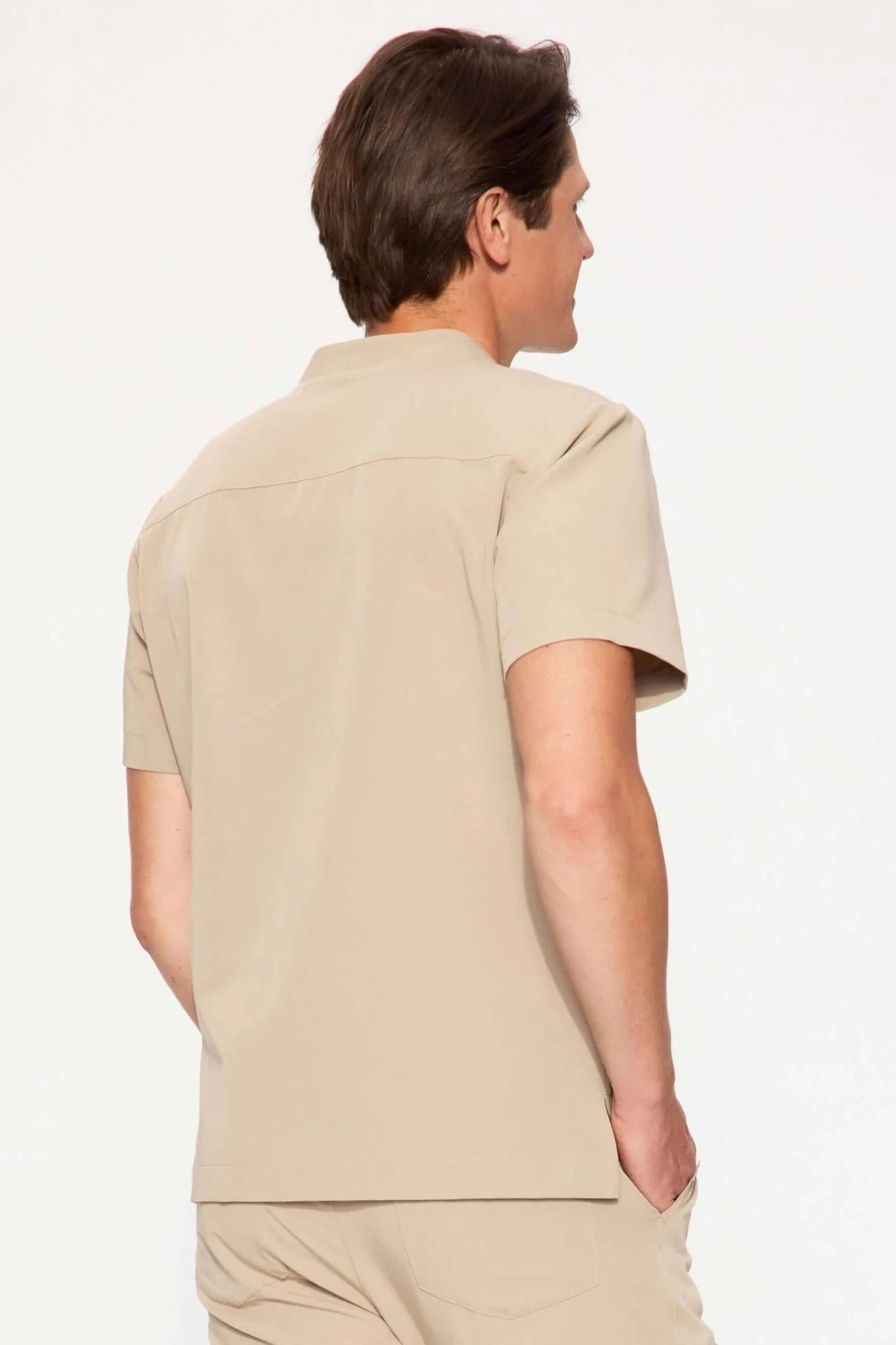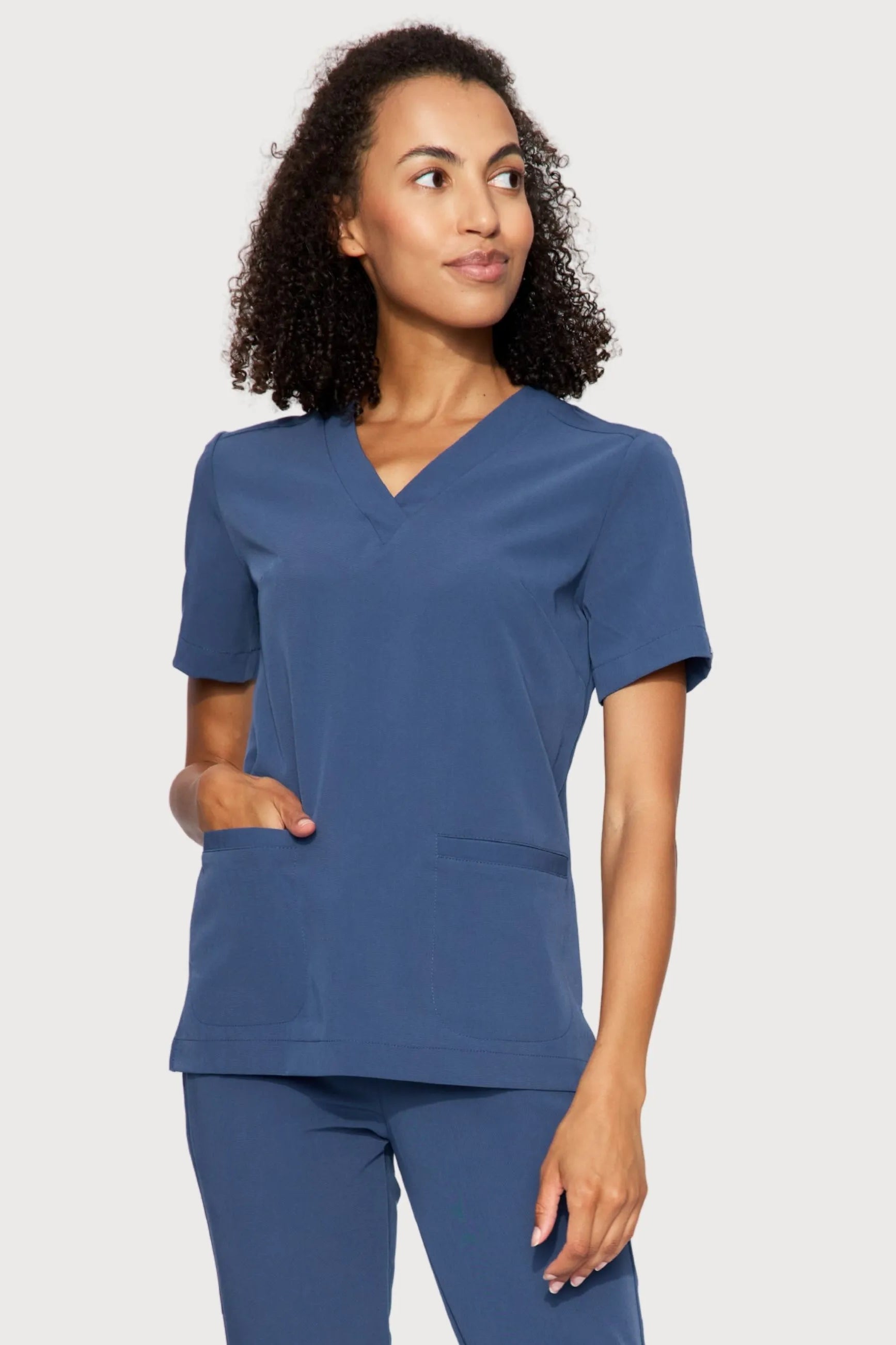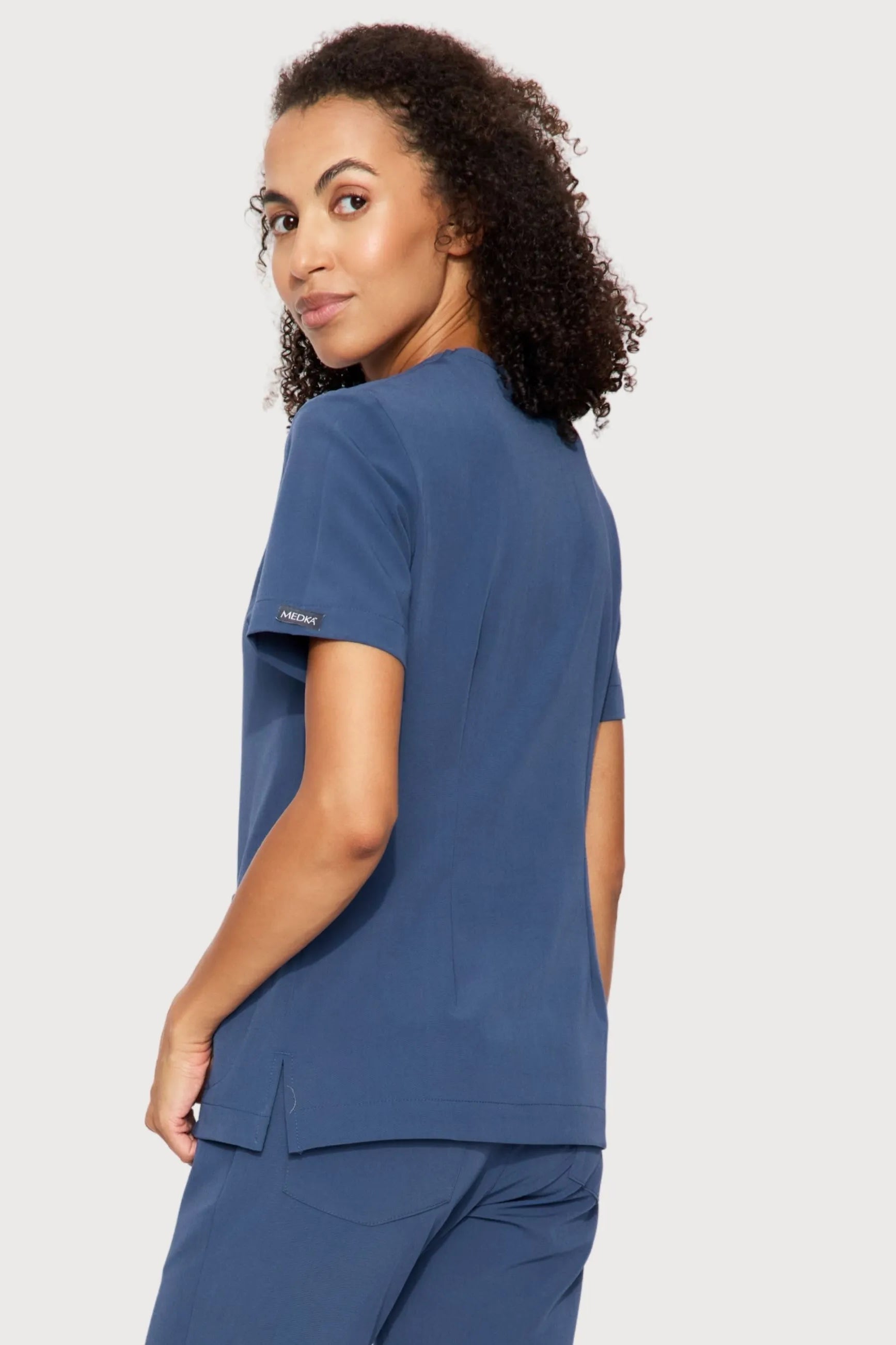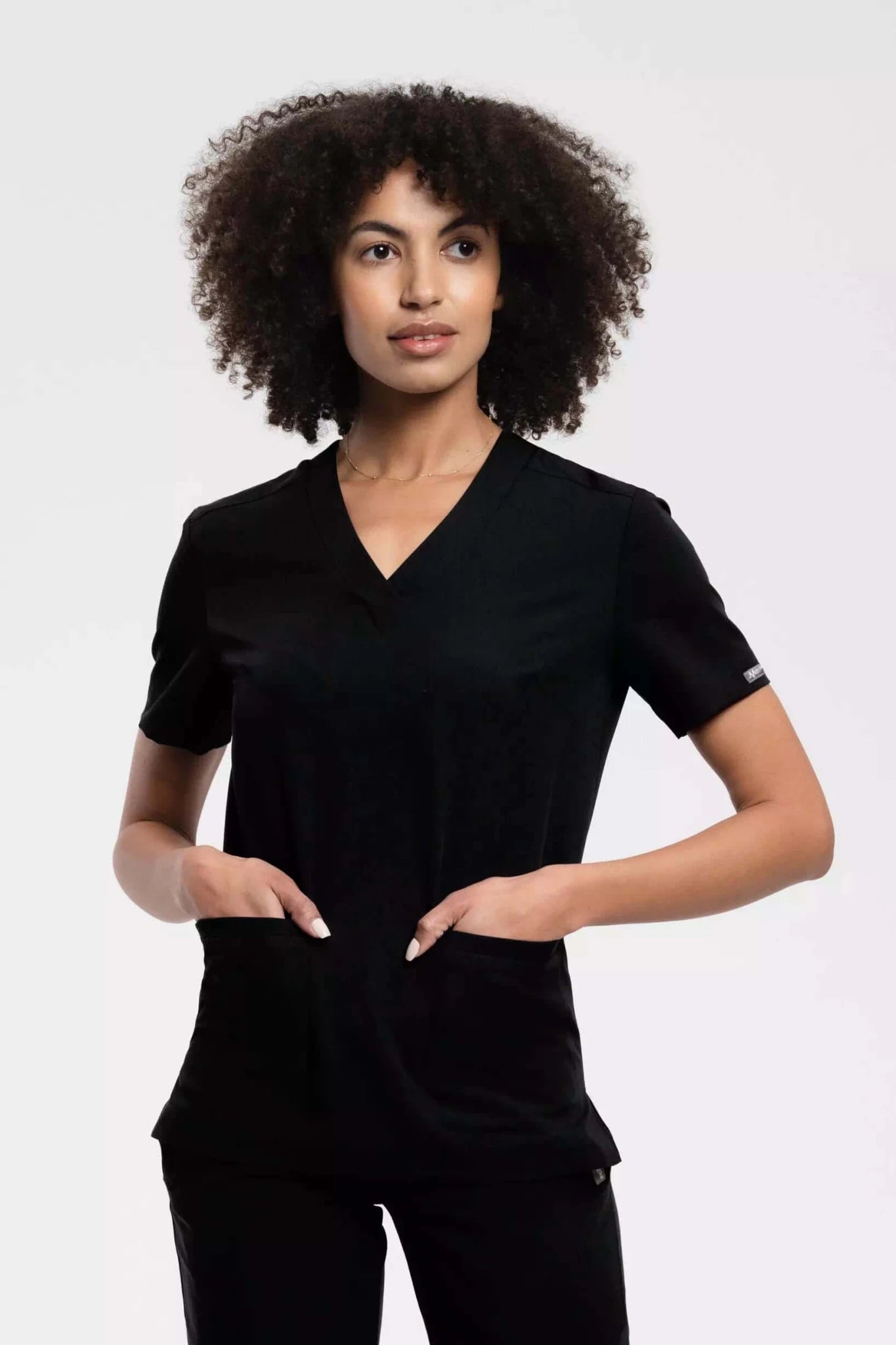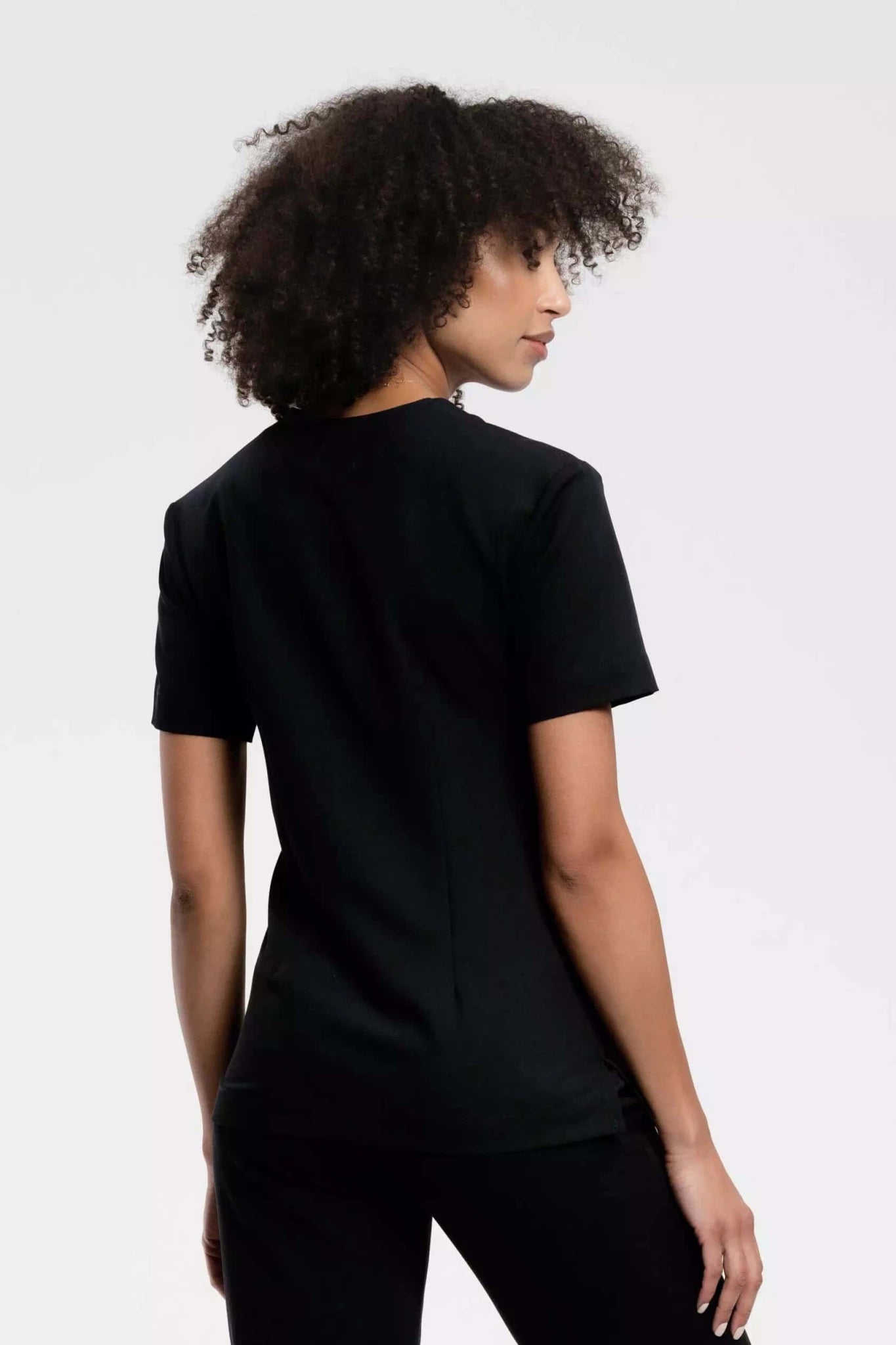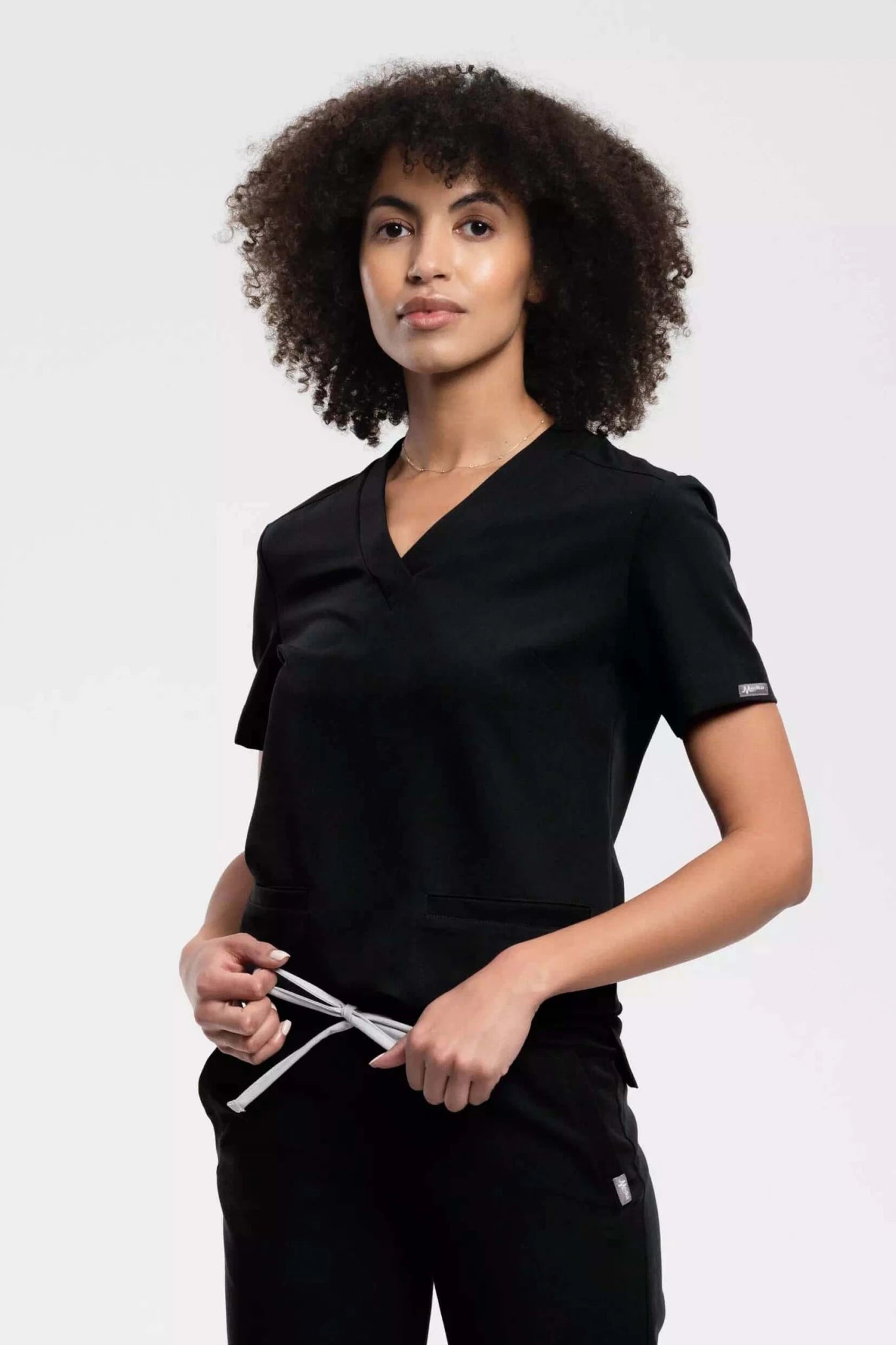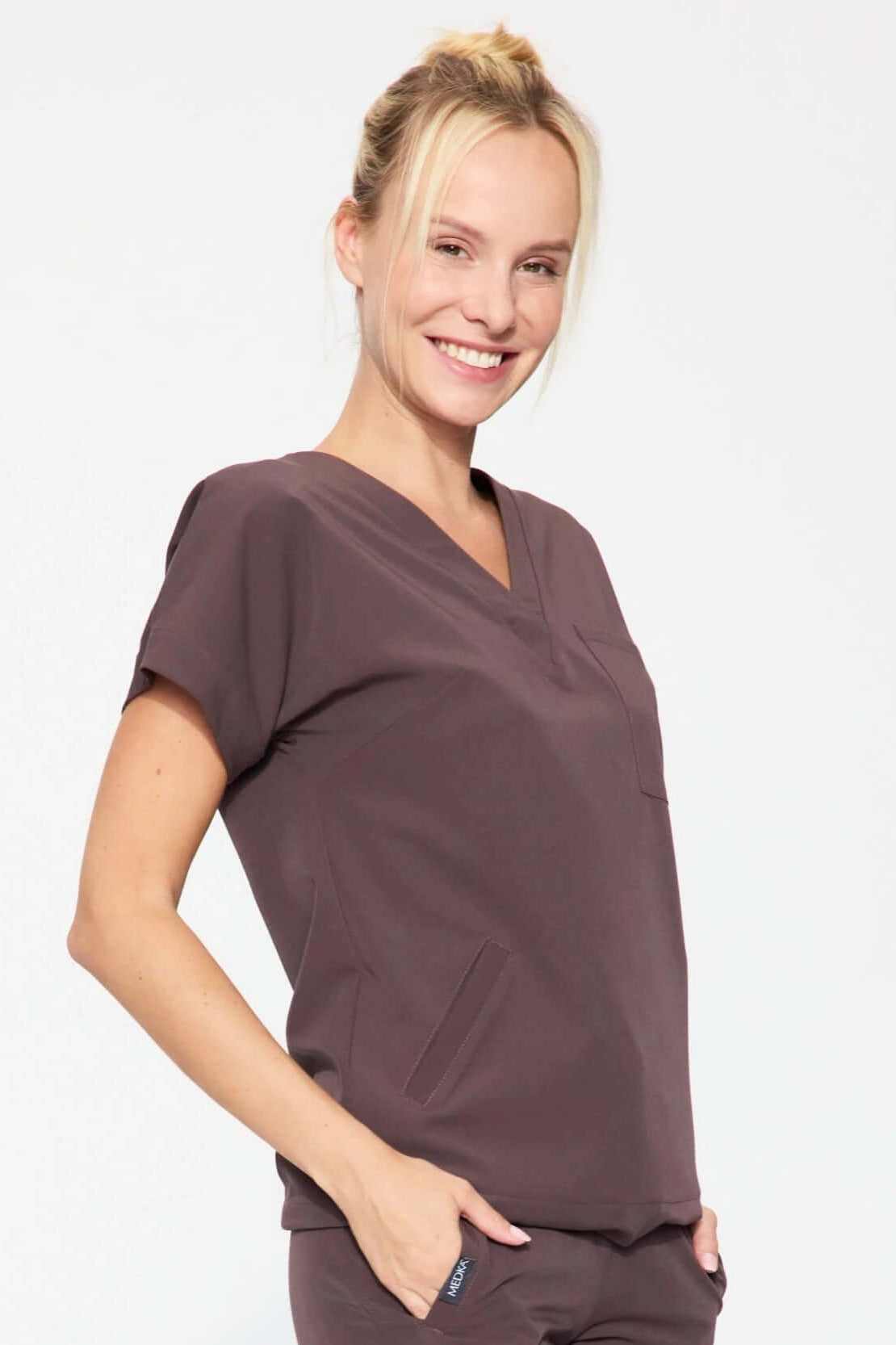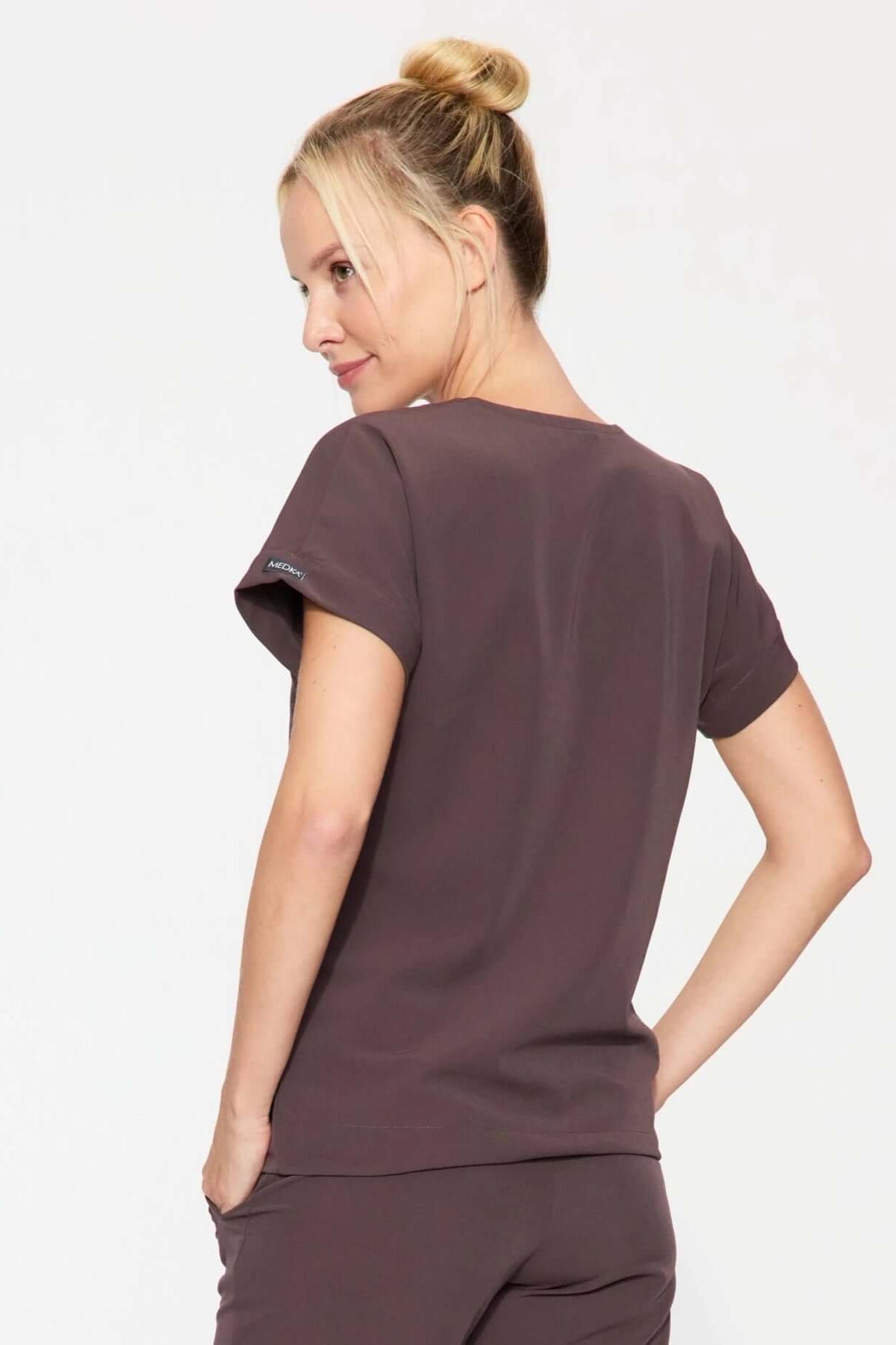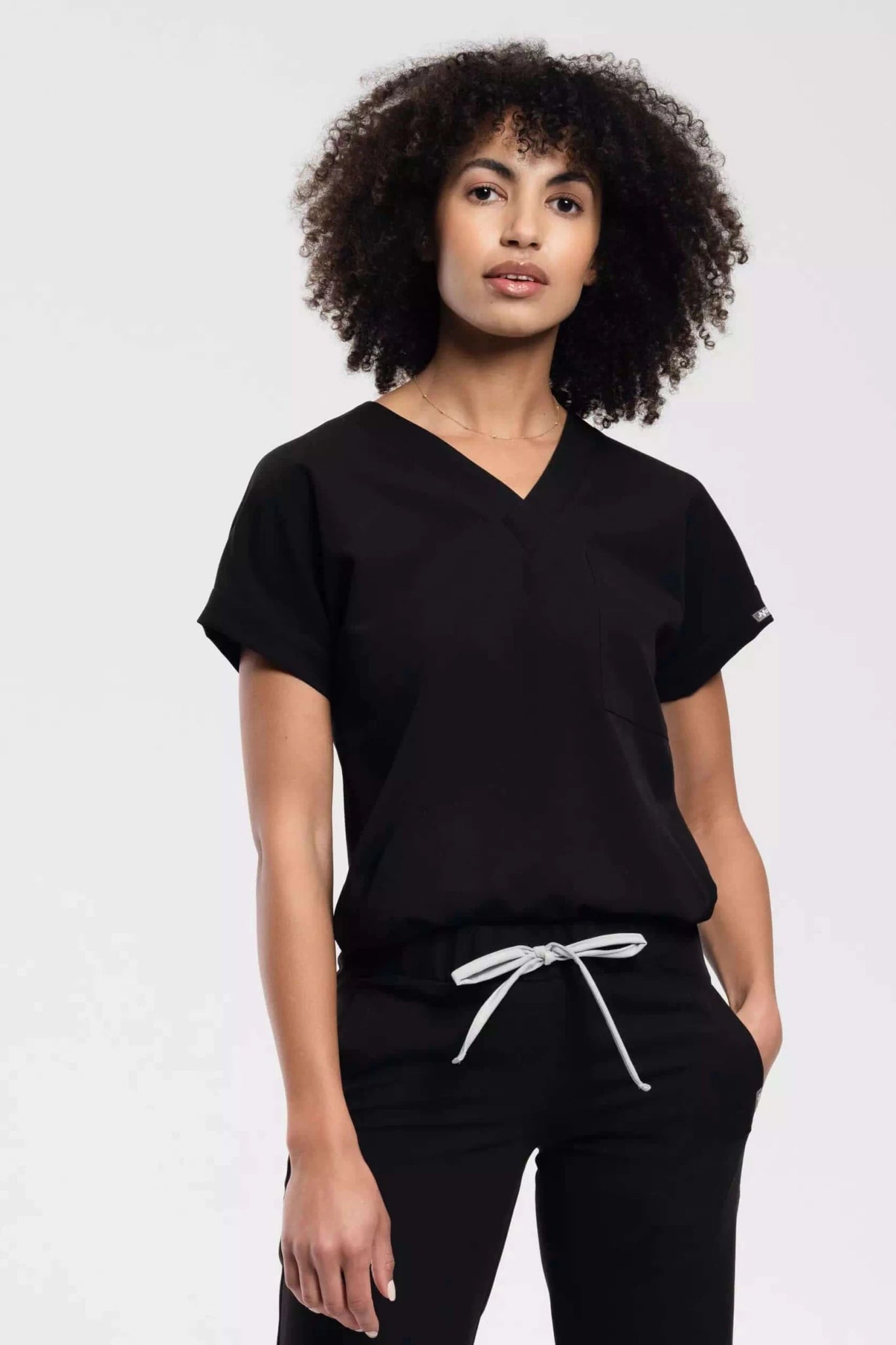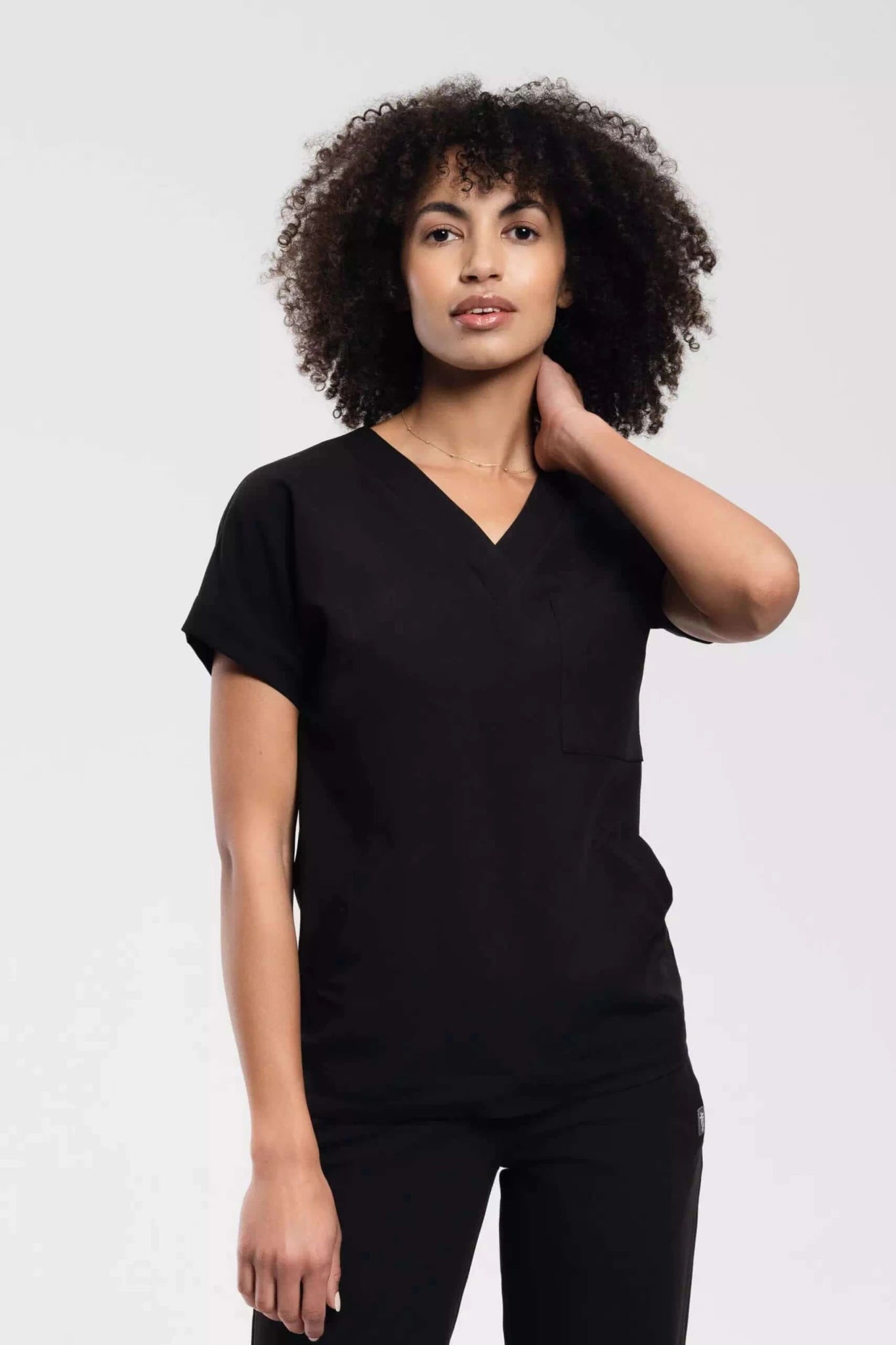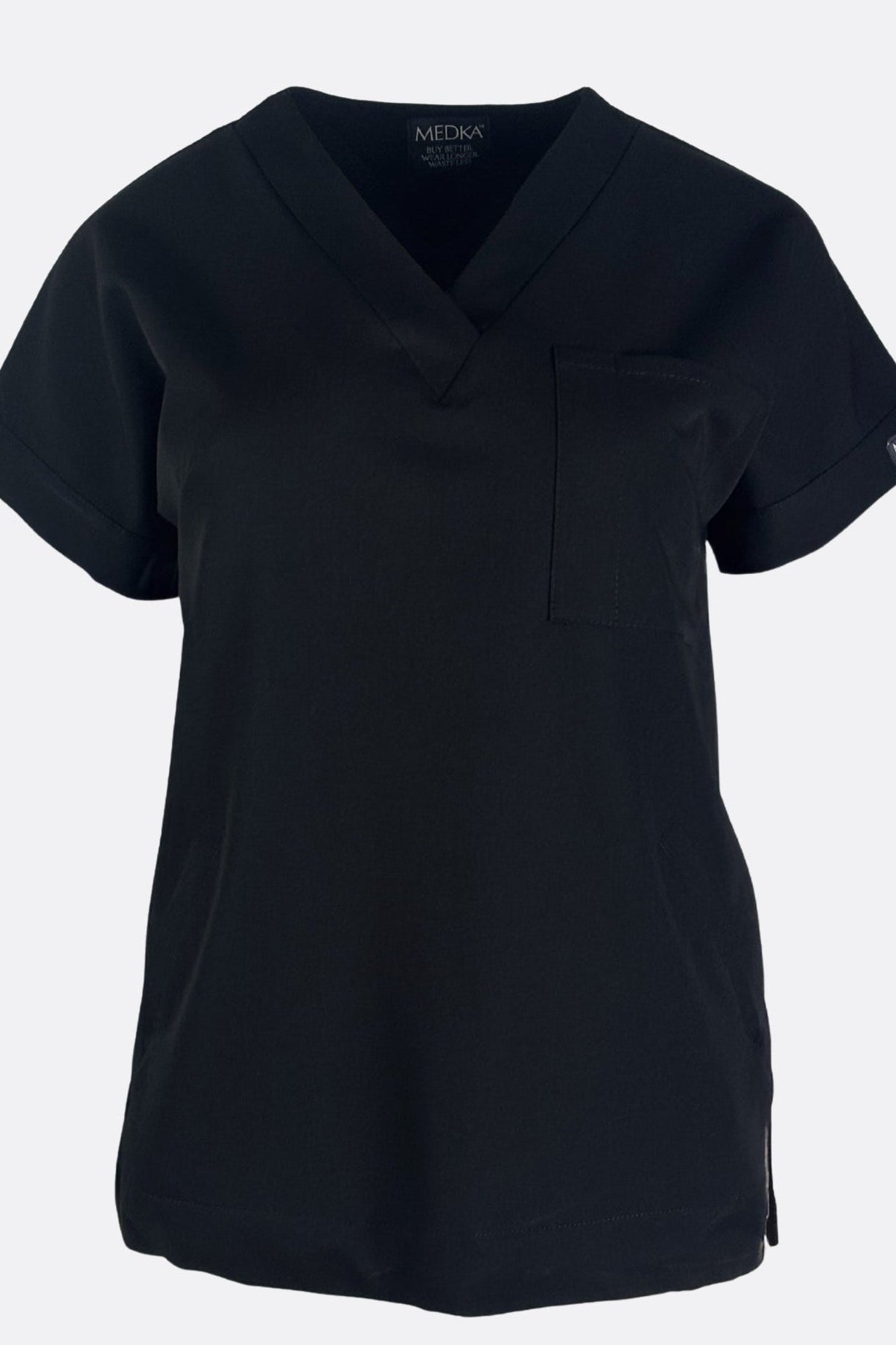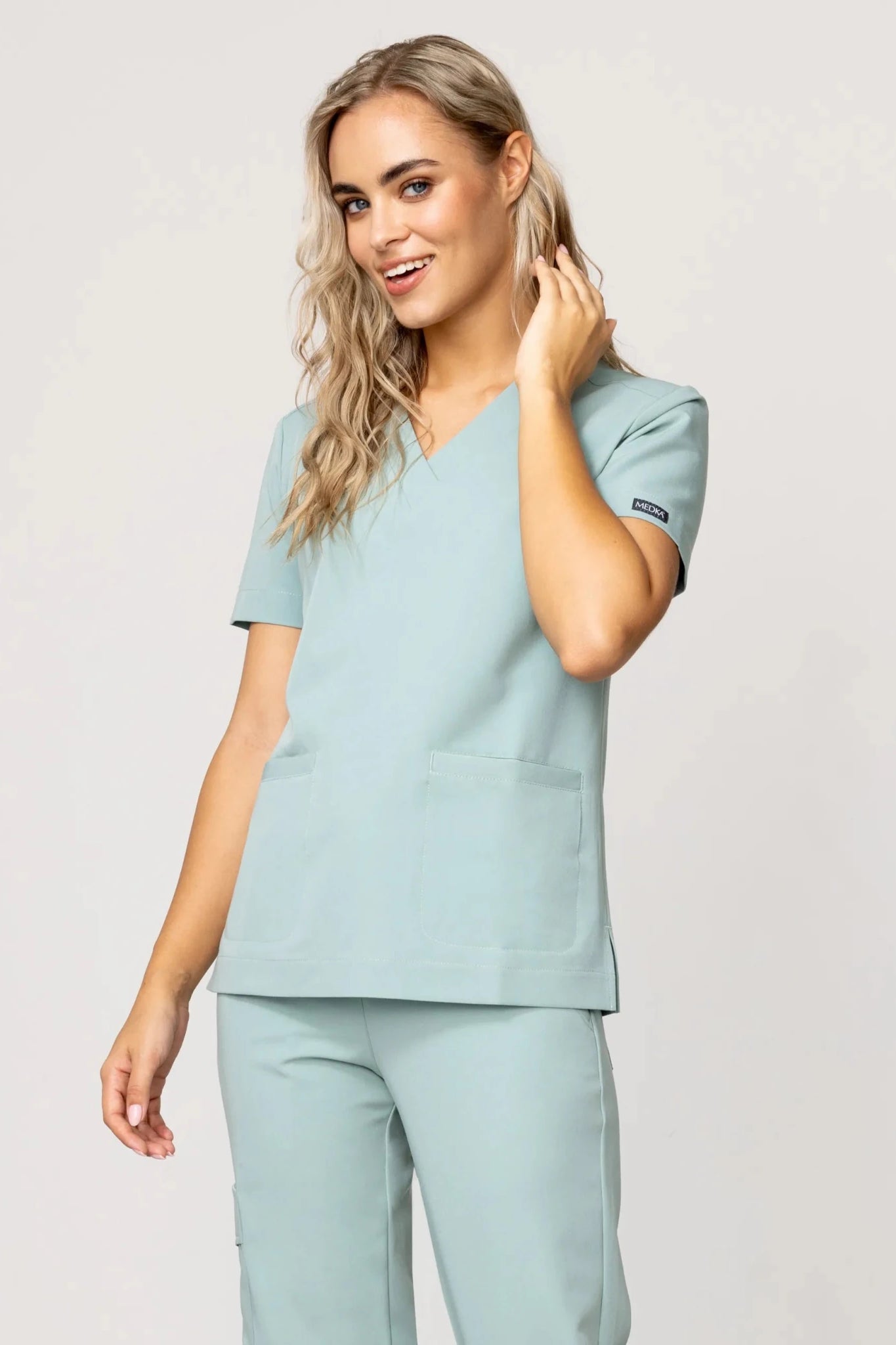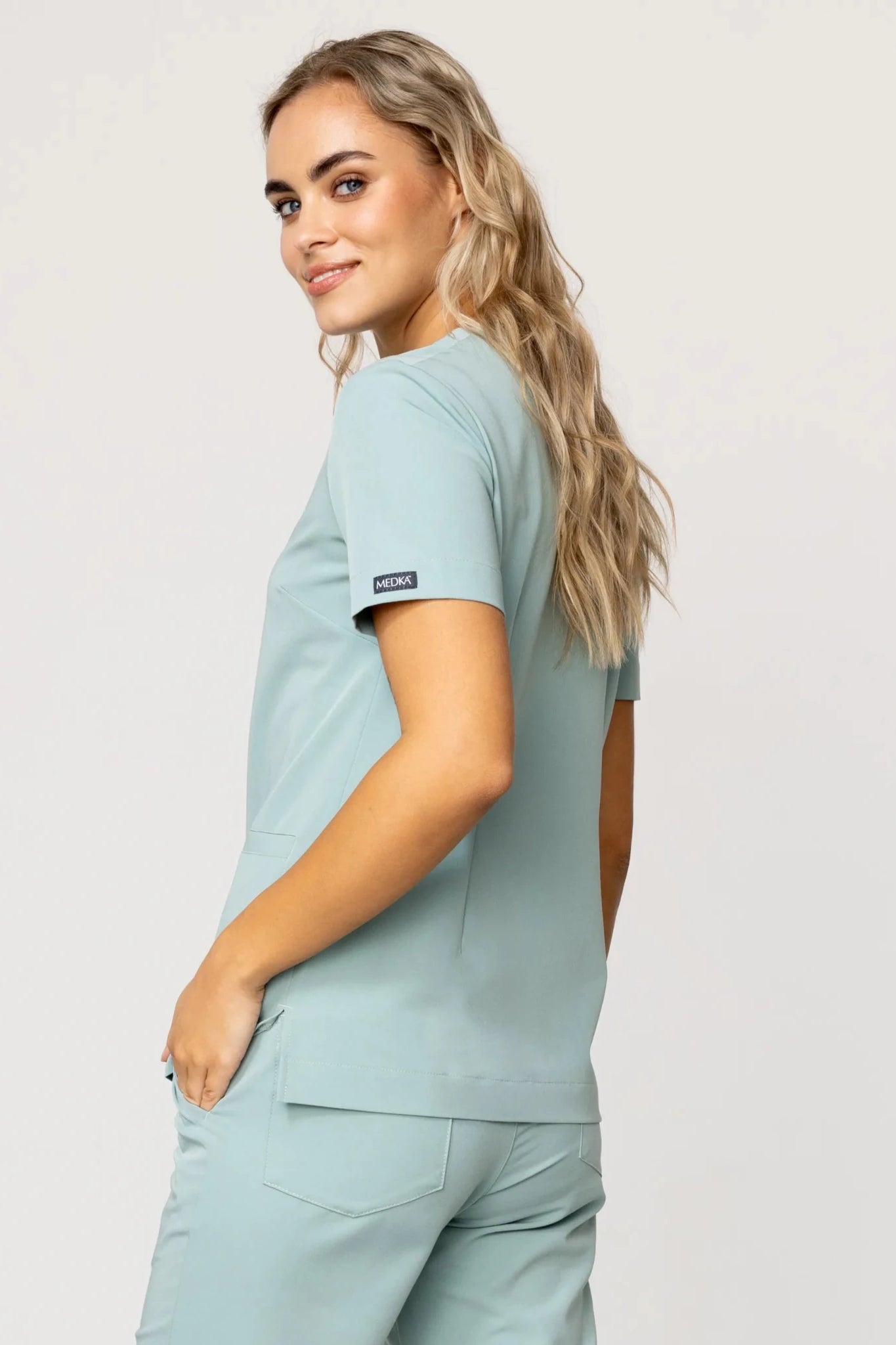





The medical sweatshirt you wear most often, you put on several times a week and wash after almost every shift. At this rate, after several dozen washes, the navy blue fabric turns gray on the shoulders, the fabric loses its elasticity, and the first balls appear near the neckline. This is not a coincidence and is rarely the fault of the clothing itself. In most cases, the uniform wears out faster than it should due to things done mechanically: throwing it into a common drum with the rest of the laundry, a cup of fabric softener "for the smell", drying it on a radiator under the window. The good news is that each of these habits can be changed without additional effort, and the difference in durability can be twofold. Worse: some of the advice circulating on the Internet is myths that actually harm the fibers.
Why do medical clothes deteriorate faster than regular clothes?
Medical sweatshirt it goes through as many washing cycles in a month as an ordinary shirt goes through in half a year. In addition, there are higher temperatures, frequent contact with body fluids, disinfectants and friction against equipment. It's a work environment that tests fabrics much more severely than your everyday wardrobe, which is why the care rules are more stringent.
The material itself also matters, more than the quality of washing. Modern uniforms are almost always mixtures. Typical, good quality clothing combines cotton with polyester and a small amount of elastane, for example in proportions close to 57% cotton, 38% polyester and 5% elastane. Each of these ingredients reacts differently. Cotton is breathable and soft, but shrinks at high temperatures and readily absorbs stains. Polyester is responsible for crease resistance, color retention and quick drying. Elastane provides stretch, thanks to which the sweatshirt works with the body when bending, but it is the most thermally sensitive of the three. Hot water and a tumble dryer stretch it and damage it permanently, after which the material stops returning to shape and becomes stuffed at the knees or elbows. This is why brands designing medical clothing in Poland, such as Medka, focus on breathable, flexible fabrics selected for resistance to frequent washing, because in this profession it is the washing machine that determines how long the material will keep its shape.
Real durability therefore depends on two things at the same time: the quality of the fabric at the time of purchase and what you do with it later. A high-quality cotton and polyester blend withstands from 50 to 100 washing cycles with proper care. Cheap clothes can lose their color and shape after 20-30 washes, no matter how hard you try. If washed several times a week, this difference translates directly into whether the set will survive until the next season in good shape or whether it will have to be replaced after a few months. Care won't repair weak material, but good material can go to waste in a matter of weeks.
At what temperature should medical clothing be washed?
The short answer: check the label and do not exceed its recommendations, and as a reference point for hygiene, stick to 60°C where the fabric can tolerate it. This temperature, maintained for a sufficiently long cycle, eliminates most bacteria, fungi and viruses, and 60°C is sometimes indicated as a reasonable hygienic minimum for medical personnel's clothing. The problem is that not every material will survive it unscathed, and this is where the conflict between hygiene and durability begins.
Cotton and cotton-polyester blends without elastane cope well with 60°C. As soon as elastane or spandex appears in the composition, the limit moves down. Such fabrics can be safely washed at 30-40°C, because higher temperatures reduce their elasticity, and manufacturers of stretch hybrids often recommend up to 30°C. The question arises how to reconcile 30°C with the need to get rid of microorganisms. The solution is a laundry disinfectant additive, for example a preparation based on peracetic acid or active oxygen, which takes over the role of high temperature. Thanks to this, you wash at an elastane-friendly temperature, and hygiene is ensured by chemicals, not heat.
It is worth understanding why temperature is the number one topic here. Research on medical staff clothing shows that it can carry multi-drug-resistant bacteria, including MRSA and VRE, even after regular home washing if the proper temperature or disinfection is not used. In other words: too low a temperature without a disinfectant means that the sweatshirt looks clean, but it is still a vector for transmitting pathogens, also to your own home. This is an argument not to go below a reasonable threshold with hygiene, but to do it wisely, choosing the method according to the composition of the fabric.
| Fabric composition | Recommended temperature | How to take care of hygiene | The main risk with poor care |
|---|---|---|---|
| Cotton 100% | up to 60°C (the price tag may be higher) | thermal disinfection is sufficient | shrinkage, color fading |
| Cotton with polyester (no elastane) | 60°C | thermal disinfection | slow graying of dark colors |
| Elastane/spandex blend | 30–40°C | laundry disinfectant additive | loss of stretch, stuffing |
| Polyester with elastane (4-way stretch) | 30–40°C | antibacterial agent, short cycle | pilling, loss of elasticity |
The reference date for the above recommendations is August 2026. However, the label of a specific manufacturer is always more important than the general rule, because it knows the exact composition and finish of a given fabric.
How to prepare scrubs for washing?
This stage takes a minute and is responsible for a large part of the mechanical damage occurring in the drum. Preparation comes down to a few steps that protect both the clothes themselves and the rest of the contents of the washing machine.
Start by emptying your pockets, because a forgotten pen or ampoule can smear the entire item or tear the fabric. Fasten all zippers and buttons. It's not cosmetic: an undone zipper in the drum catches on the fabric, pulls out the stitches and cuts the fibers of adjacent clothes, and in the process twists itself. Sweatshirt and medical pants turn inside out. Most of the friction in washing happens on the outside, so inversion transfers this stress to the backing of the fabric, protecting color and reducing pilling in the most visible places.
A separate issue is segregation, and there are two different reasons at work here. First of all, color: sorting into light and dark protects against dyeing, especially in new clothes, which may shed dye during the first few washes. Secondly, hygiene: medical clothing should not be mixed with everyday clothes of household members, as it may transfer microorganisms from work to the rest of the wardrobe. These two reasons are sometimes confused, but they lead to the same practice: washing uniforms separately. If the fabric is particularly delicate or has decorative elements, it is worth putting it in a washing net that reduces friction against the drum and other items.
Fabric softener, bleach, powder. What really helps and what harms?
This is the most common mistake in the care of medical clothing, and it sounds innocent: a cup of fabric softener for every wash. In the case of scrubs, this is an act to your own detriment. The fabric softener deposits a thin, waxy layer on the fibers, which is supposed to soften the material, but at the same time reduces its absorbency and breathability. In a fabric that is supposed to wick away sweat during a long-hour shift, this is a real loss of comfort. Worse: this coating can neutralize the antibacterial properties of modern materials finished specifically for hygiene, and by locking moisture in the fibers, it promotes odors instead of preventing them.
If you want to soften and get rid of static electricity, there is a cheaper and safer alternative. Half a glass of white vinegar poured into the fabric softener compartment softens the fabric naturally, neutralizes odors and does not accumulate on the fibers. The smell of vinegar disappears completely after drying, so it does not remain on clothes. This solution works especially well with materials with a high percentage of polyester, which tend to become electrified.
It is best to choose liquid detergent, not powder. Liquid agents rinse out more thoroughly and do not leave any residue, which over time irritates the skin and weakens the structure of the fibers. The quantity is also important: excess detergent does not wash better, it only accumulates in the fabric, attracts dirt and can irritate the skin. For organic stains, i.e. those typical of medical work, powder or gel with enzymes that break down proteins from blood or sweat work well.
A separate topic is bleach, because it is easy to cause permanent damage. Chlorine-based bleach destroys the dye, weakens the fibers and causes yellowing, and stains colored clothing beyond repair. If you need to bleach or stain something with a light scrub, use oxygen bleach, which is safe for colors and much gentler on the structure of the fabric. The difference between the two is often the difference between saving the sweatshirt and throwing it away.
How to deal with stains in medical clothing?
Stains are an everyday part of this work, and each one has its own mechanism and method. The most important rule, however, is universal: act fresh and never dry stained clothing before removing the stain, because the high drying temperature fixes the dirt so that it does not come off later.
Blood is a protein stain, so it reacts in the opposite way than intuition suggests. Do not pour hot water on it, because the heat cuts the protein and seals the stain in the fabric. Fresh blood is rinsed with cold water, possibly with the addition of salt or an enzymatic stain remover, and then washed normally. Iodine, which medical professionals know all too well, is stubborn because of its intense dye. It is worth washing the fresh mark immediately with cold water and laundering it before washing. It is better to treat greasy stains, for example from ointments or creams, with a little dishwashing liquid, which breaks down the grease, before putting them in the washing machine. Sweat and the associated yellowing in the armpits are the result of the reaction of proteins and salts with the fabric, and this is where enzymes and regular washing work best, before the sediment has time to set.
In each of these cases, the logic is the same. First you recognize the nature of the stain, then you choose the temperature and agent, and only then wash it. Reversing this order, i.e. hot washing "just in case", is the easiest way to make sure the stain stays with you forever.
How to dry and store medical clothing so that it does not lose its shape?
Drying is a stage where it is easy to waste all the effort put into proper washing. The biggest enemy is the tumble dryer, especially when it comes to clothes with elastane. The high temperature in the drum permanently damages the elastic fibers: it stretches them or shrinks the entire piece, which causes the sweatshirt to lose its shape irreversibly. If you must use a dryer, set it to the lowest setting, but air drying is a healthier habit.
The second enemy is less obvious because it looks innocent: the harsh sun. UV rays fade colors and weaken the structure of fibers, so a navy blue or burgundy sweatshirt hung out on a balcony in full sun will come out of the drying session lighter and weaker. Dry in the shade or in a well-ventilated place, preferably by hanging the garment on a hanger or, in the case of heavy, wet knitwear, laying it flat so that the weight of the water does not stretch the material. Avoid strong twisting and twisting, which deforms the fibers.
Before you put anything back in the closet, make sure it is 100% dry. Moisture trapped in a folded sweatshirt leads to deformation, loss of shape, and over time, to a musty smell and mold growth, which cannot be removed with one wash. Storage itself is also important, although it is sometimes overlooked. It is best to hang medical clothing on hangers in a ventilated closet, and not stuff it in tight piles, because crushing it leads to permanent creases and deformations. If the scrub is made of polyester with the addition of stretch and you hang it to dry right after washing, in many cases it does not require ironing at all, which additionally saves the fabric, because a hot iron can flatten and "burn" synthetic fibers.
When is home washing not enough? Hospital clothing and facility requirements
Everything above applies to standard self-care clothing. However, there are situations in which a home washing machine is not enough, and it is worth knowing where the limit is. In Polish health care facilities, underwear and medical clothing are subject to washing and disinfection processes, regulated by sanitary requirements and carried out in specialized laundries with the so-called hygienic barrier. The hygienic barrier divides the laundry room into dirty and clean zones, with no contact between them, so that disinfected clothes do not come into contact with microorganisms again.
In such a process, thermal disinfection is the preferred method, provided that the fabric can tolerate temperatures of at least 90°C for several minutes after reaching the temperature. Where the material cannot withstand such a regime, chemical disinfection is used, i.e. certified preparations in appropriate concentration. Underwear from high-risk wards, such as intensive care, infectious diseases wards or neonatology, requires the strictest parameters, and clothes from infectious diseases or Covid wards are sometimes treated as infectious material, transported in tight, marked bags and washed in a separate cycle. This is a level that no home washing machine can replicate, and that is not its purpose. The status of these requirements is as of August 2026; detailed procedures are always specified in the regulations of a given facility and applicable sanitary regulations, so if you work in such a department, follow the employer's instructions, not a general guide.
For most outpatient and office staff and that part of their work that does not involve contact with infectious material, home washing at a reasonable temperature with a good detergent and, if necessary, a disinfectant additive is fully sufficient. It is crucial to distinguish your own situation from the hospital regime, so as not to overdo it by destroying clothes in a ward that does not require it, or to underestimate hygiene where it really matters.
What else extends the life of medical clothing?
Beyond just washing, durability depends on several habits that are easy to overlook. The simplest of them is rotation. Three sets worn and washed in turns will age slower than one set used every day, because each piece is put into the drum less often and has time to "rest" between washes. When working several shifts a week, two or three sets is a reasonable minimum, which pays for itself faster than you think, because it spreads the wear and tear over several pieces instead of tiring one. This is one of the most effective and cheapest ways to extend the life of your entire wardrobe.
It is also worth remembering that some of the wear comes from construction details, not the fabric. An adjustable drawstring in the sweatshirt, additional regulation in the waist of the pants or an ID holder, which are found in the styles of brands such as Medka, relieve the material in places most exposed to stretching, because the fastening takes over the work that would otherwise be performed by the knitwear itself. A roomy pocket with a good seam will bear the weight of the phone longer than a plate sewn haphazardly. A well-tailored uniform ages slower, not because it is more expensive, but because the loads are distributed where the fabric can withstand them.
Pilling, or pilling, is largely caused not in the washing machine, but during wearing, in places of repeated friction: on the belt, on the forearms, in the area that you constantly rub against equipment or countertops. Washing inside out and a delicate cycle reduces the problem, but will not eliminate it completely, because the source is everyday use. It's worth knowing this so as not to blame the fabric for something that is, in part, simply the result of intense work. The resulting balls can be removed with a pilling machine, which restores the clothes' neater appearance without risking the material.
Finally, the most underestimated thing: the purchasing decision. No amount of care can compensate for poor material, so if the set is to survive dozens of washes in good shape, a dense, well-woven blend of cotton, polyester and elastane will pay for itself many times over compared to the cheapest option available. It is worth looking not only at the composition on the label, but also at the quality of the seams, pocket finishing and whether the manufacturer designs the clothes with frequent washing in mind, as Polish brands like Medka do. Durability begins in the store, and care only uses the potential that the fabric already has.
Summary
The entire care of medical clothing comes down to a few decisions that are made the same every time. Choose the temperature depending on the composition of the fabric, not on your habit: 60°C for cotton and blends without elastane, 30-40°C with a disinfectant additive where elastane is included. Skip the fabric softener in favor of vinegar, choose liquid detergent and stay away from chlorine bleach. Prepare clothes before washing, dry them away from the tumble dryer and direct sunlight, and store them hanging out and completely dry.
The most important thing, however, is to match the effort to the situation. If you work in an office and wash clothes yourself, smart home washing is enough and there is no point in torturing your clothes with a hospital regime. If you work in a department where washing with disinfection is required, it is not your washing machine that has to do this job, but a specialized laundry, and you stick to the facility's procedures. The rest are habits that cost nothing and determine whether the set will last thirty washes or a hundred.
Frequently asked questions
Below are short, practical answers to questions that most often arise when caring for scrubs and uniforms, apart from washing and temperature. These are specific everyday situations that can be easily resolved in one paragraph.
Do medical clothes need to be ironed?
Usually not if it contains polyester and is hung up right after washing. Good quality scrubs made of a mixture of cotton, polyester and elastane, they dry smoothly and do not require an iron. If you do iron, use a low temperature because a hot iron flattens and damages synthetic fibers.
How many times can you wash scrubs before they wear out?
High-quality clothing made of a cotton-polyester blend can withstand from 50 to 100 washing cycles if properly cared for. Cheap scrubs can lose their color and shape after 20-30 washes. The main factors that determine this are the temperature, the lack of fabric softener, air drying and the rotation of several sets.
Can I wash medical clothing together with household clothes?
This is not recommended. Medical clothing can carry microorganisms from the workplace, so it is washed separately from everyday clothing. Washing clothes together increases the risk of spreading pathogens to the rest of the clothes in the house.
What can I replace fabric softener with when washing scrubs?
The best substitute is white vinegar, half a glass poured into the fabric softener compartment. It softens the fabric, neutralizes odors and limits static electricity, and at the same time it does not accumulate on the fibers and does not reduce their breathability. The vinegar smell disappears completely after drying.
How to remove a blood stain from medical clothing?
Rinse fresh blood only with cold water, possibly with the addition of salt or an enzymatic stain remover. Hot water cuts the protein and sets the stain permanently. Only after removing the trace, wash the clothes normally, at a temperature appropriate to the fabric.
Why do my dark scrubs fade even though I wash them at a low temperature?
The most common cause is drying in the bright sun, whose UV rays discolor the color regardless of the washing temperature. Chlorine bleach or its residues in the washing machine may also be the culprit. Dry clothes in the shade, wash them inside out and avoid chlorine-based products.
Does a tumble dryer damage medical clothing?
For fabrics with elastane, yes. The high temperature of the dryer permanently damages the elastic fibers, stretching or shrinking the entire piece of clothing. If you must use it, set it to the lowest temperature setting, but it is safer and cheaper to air dry it in a ventilated, shaded area.