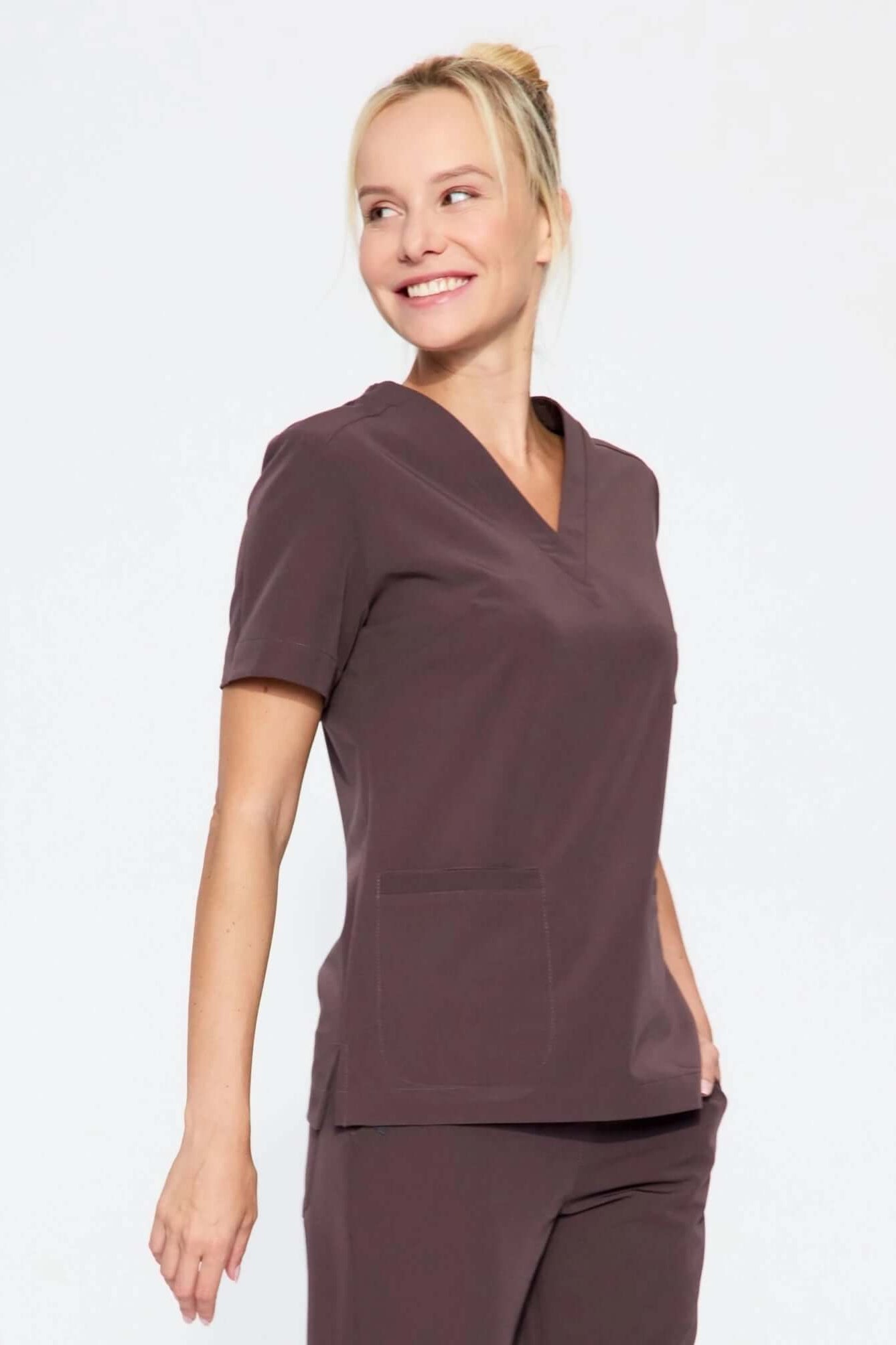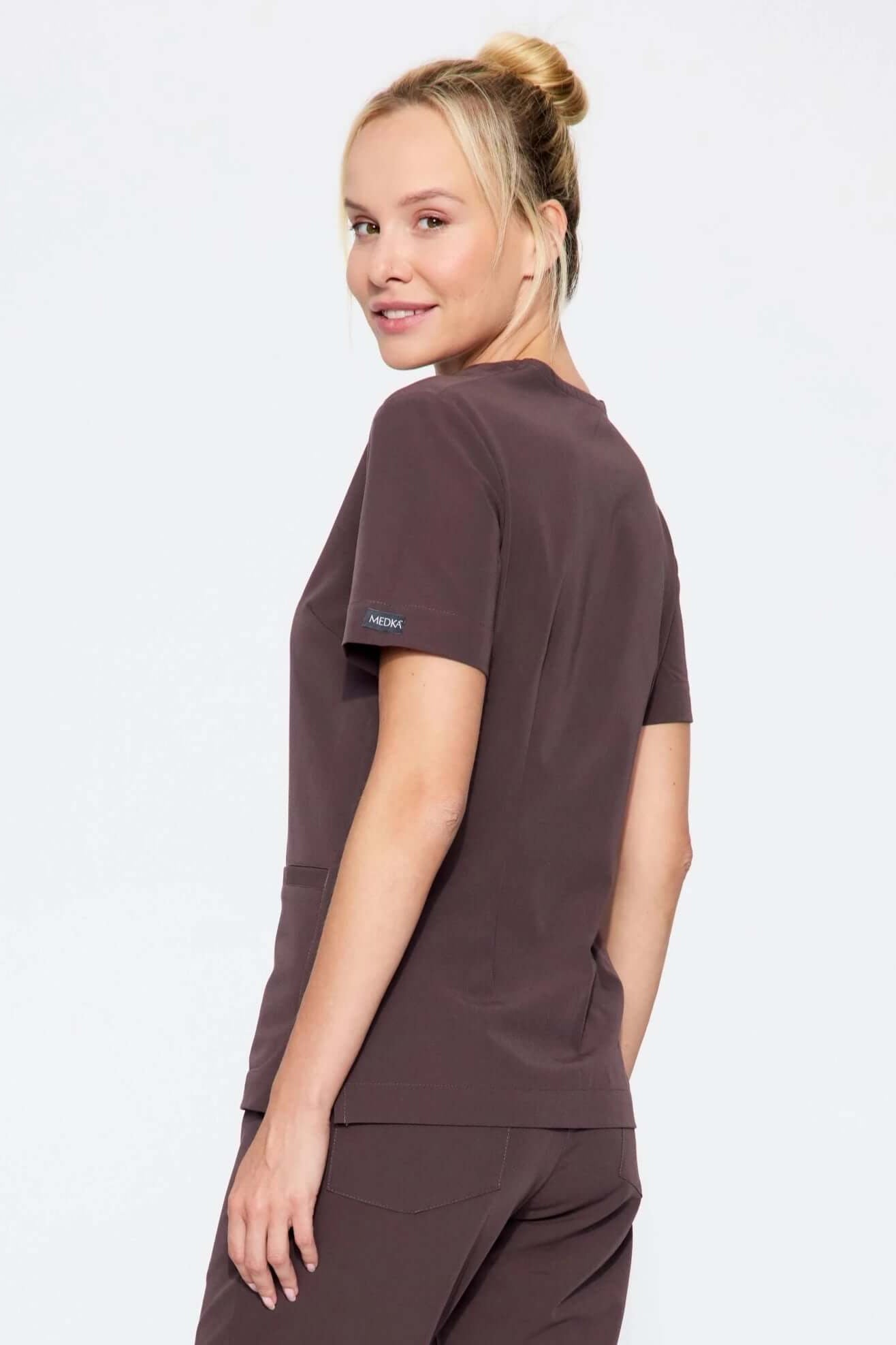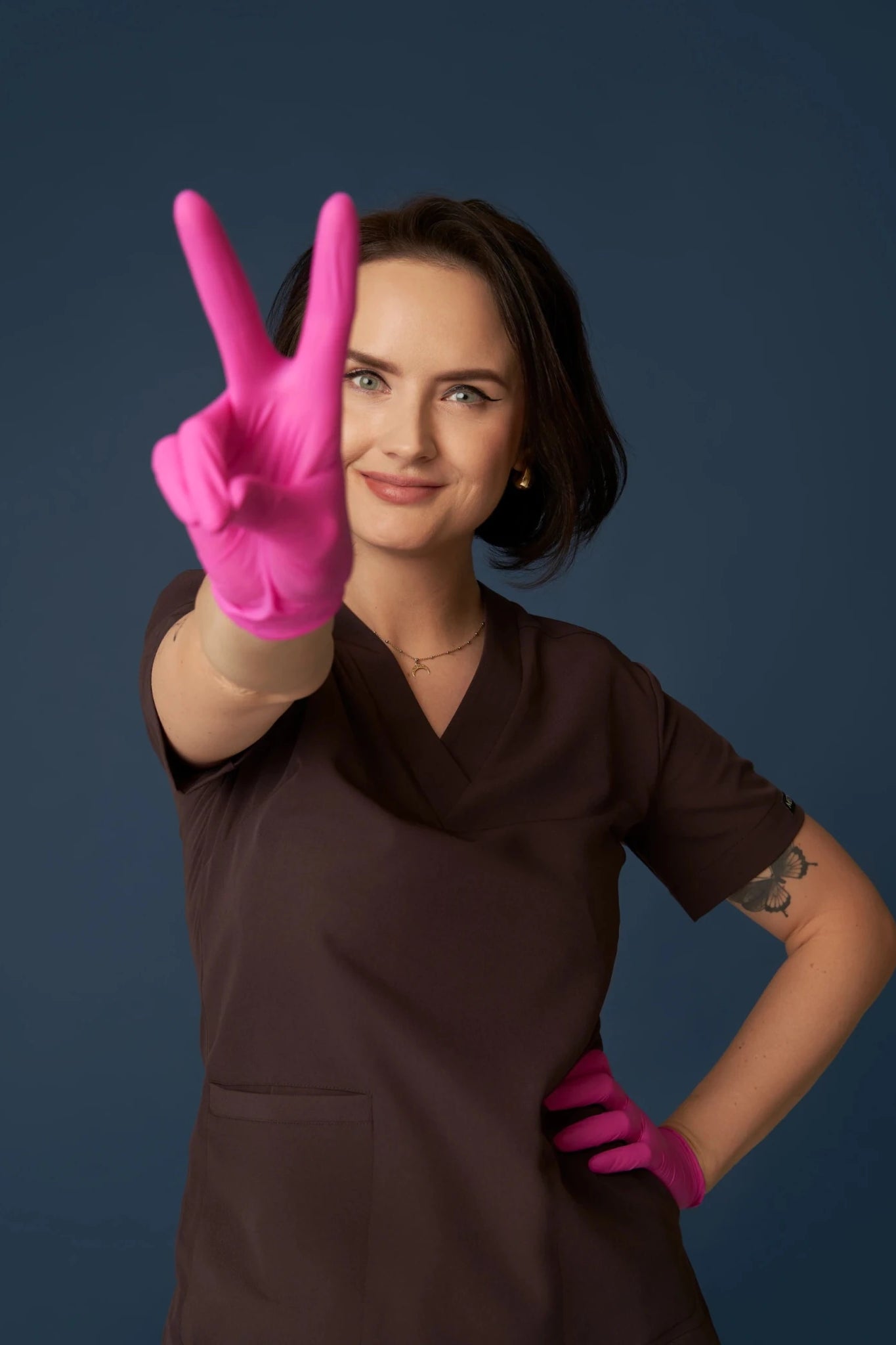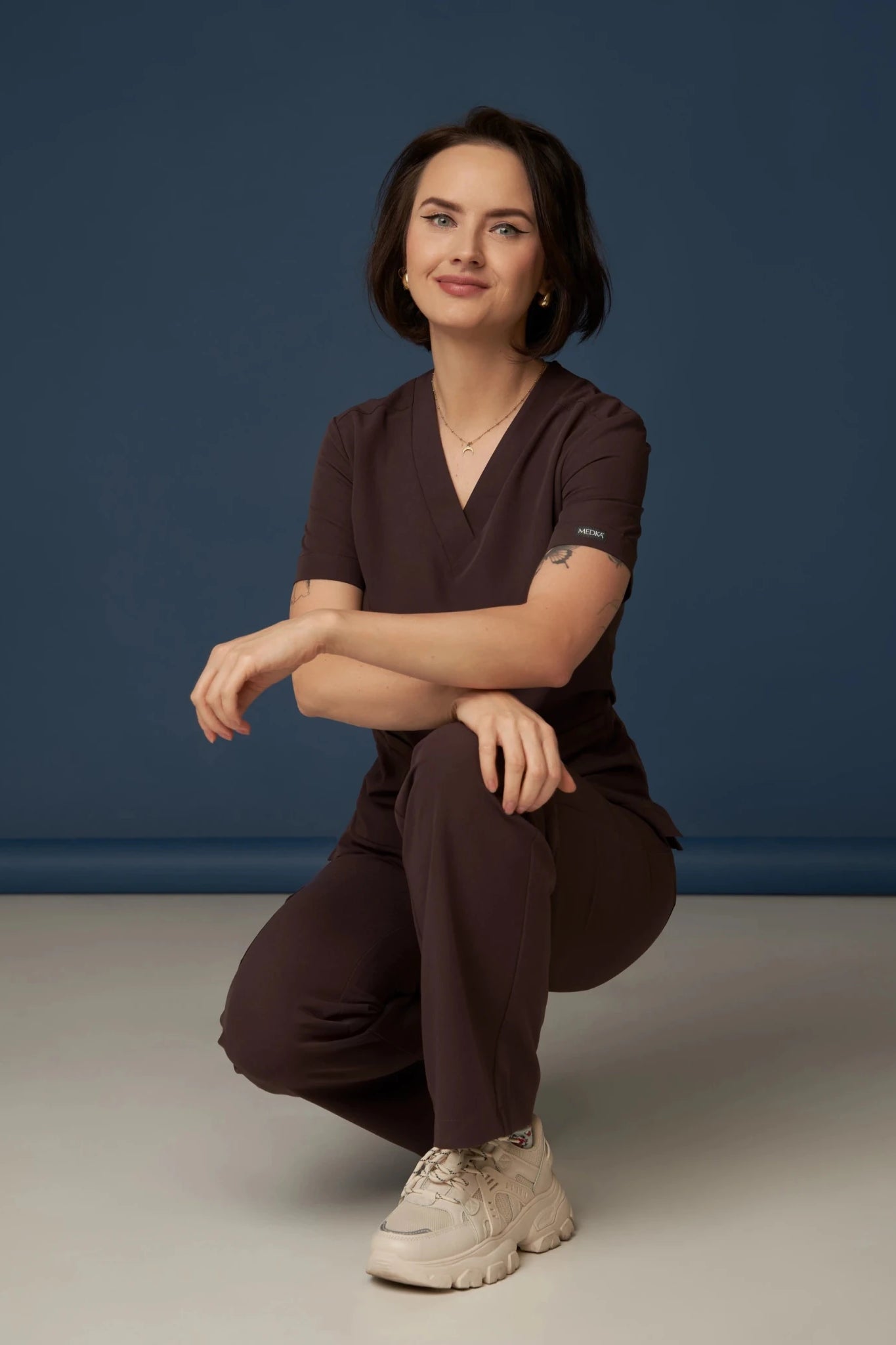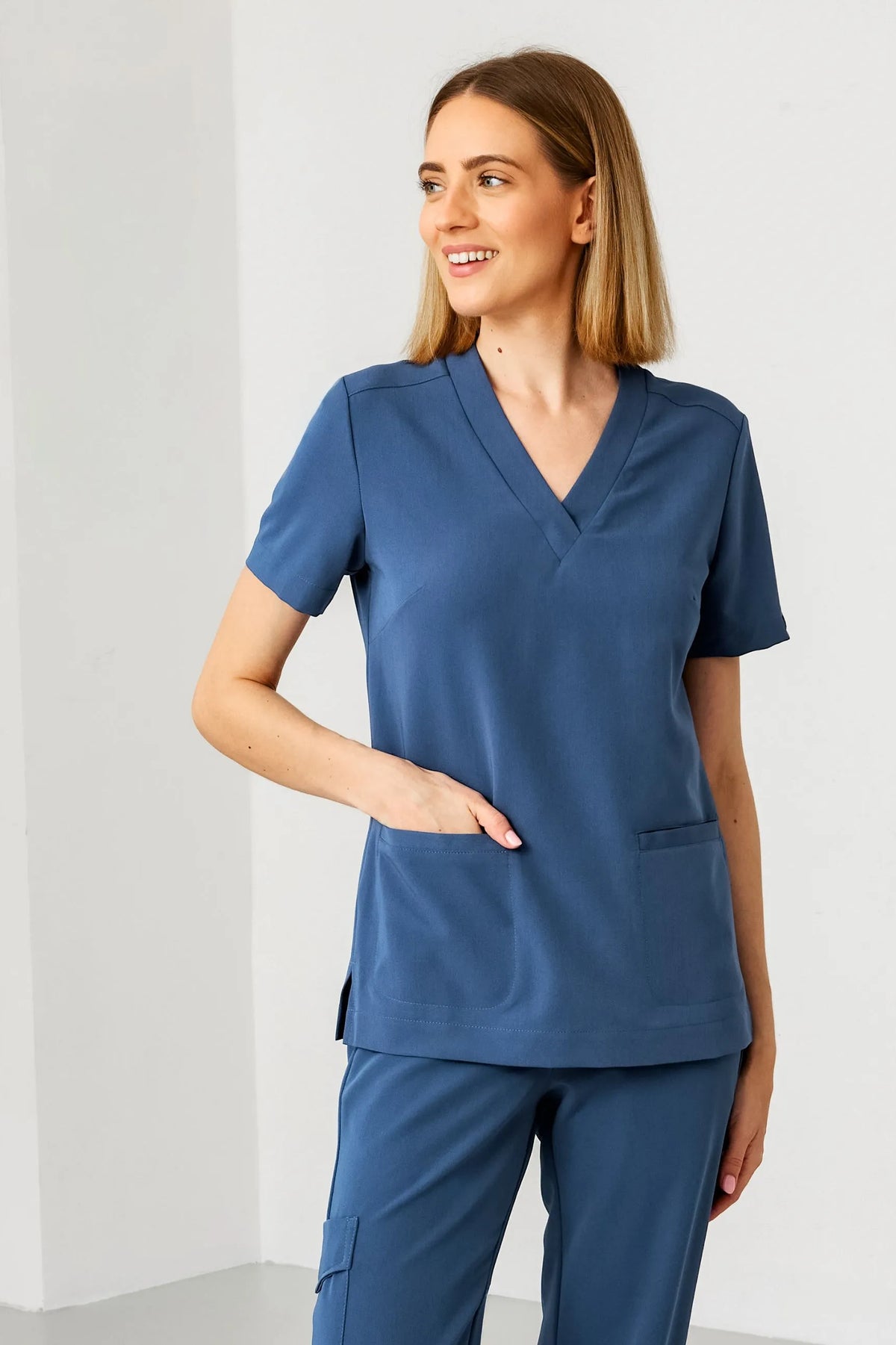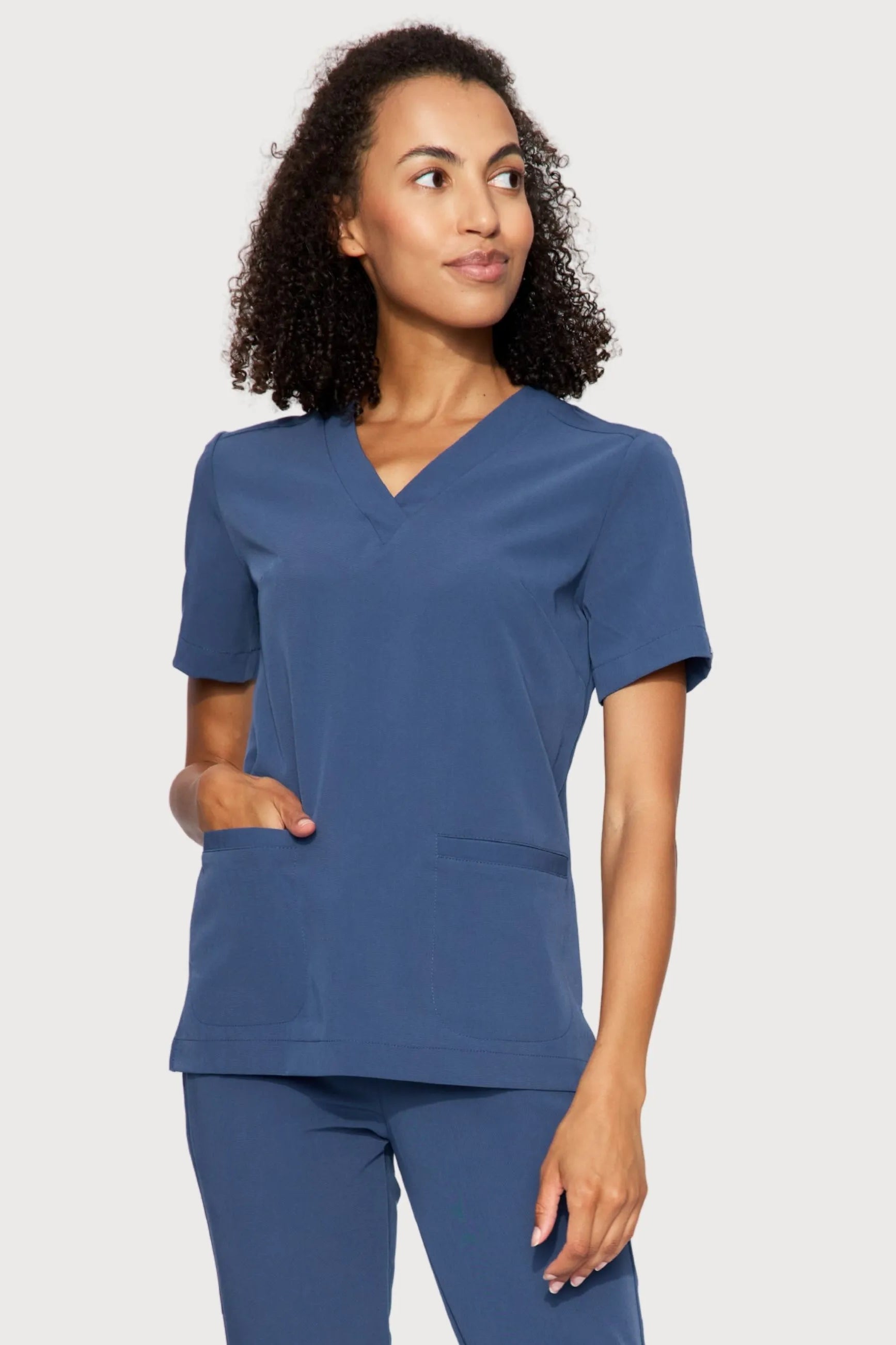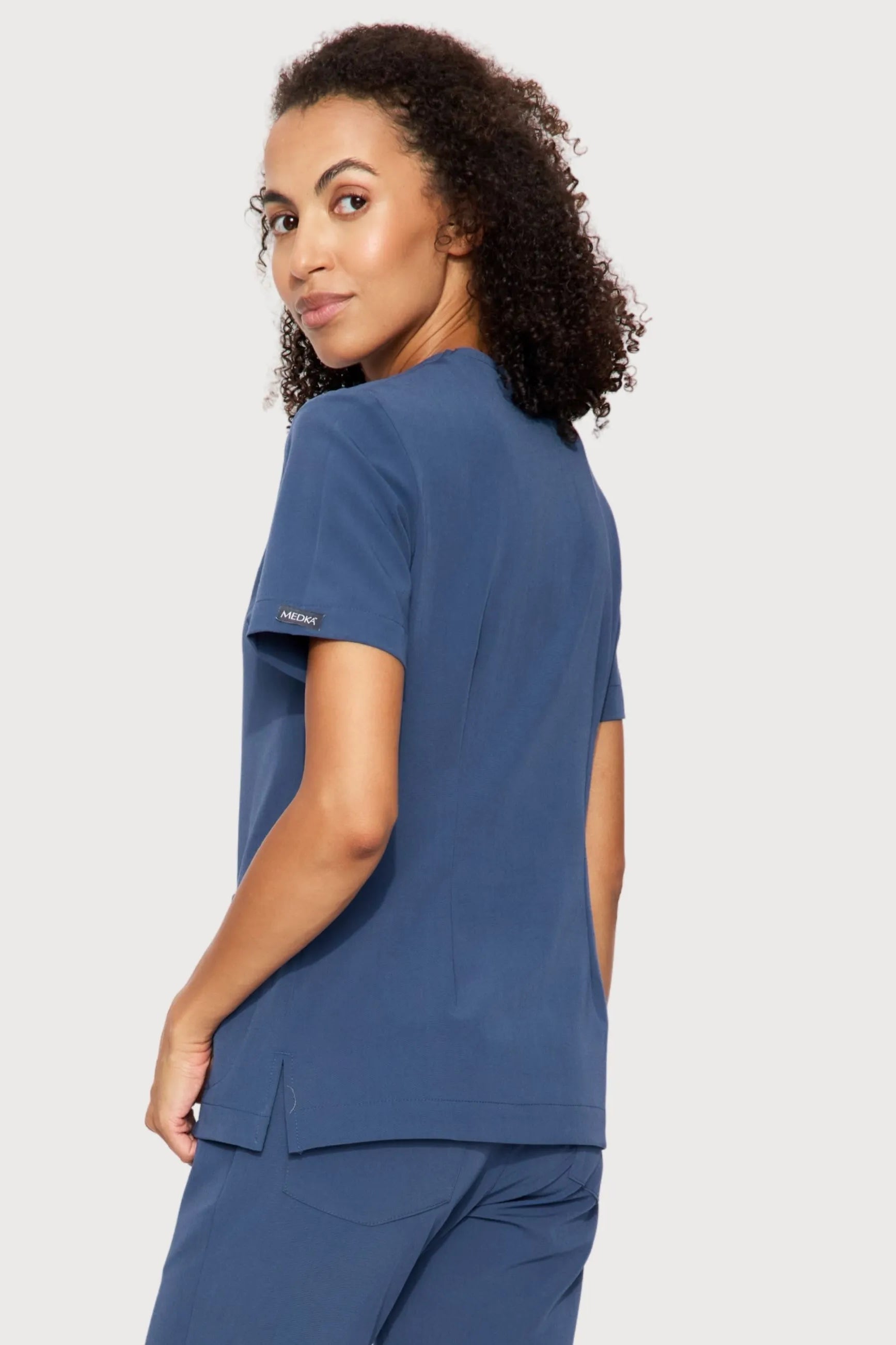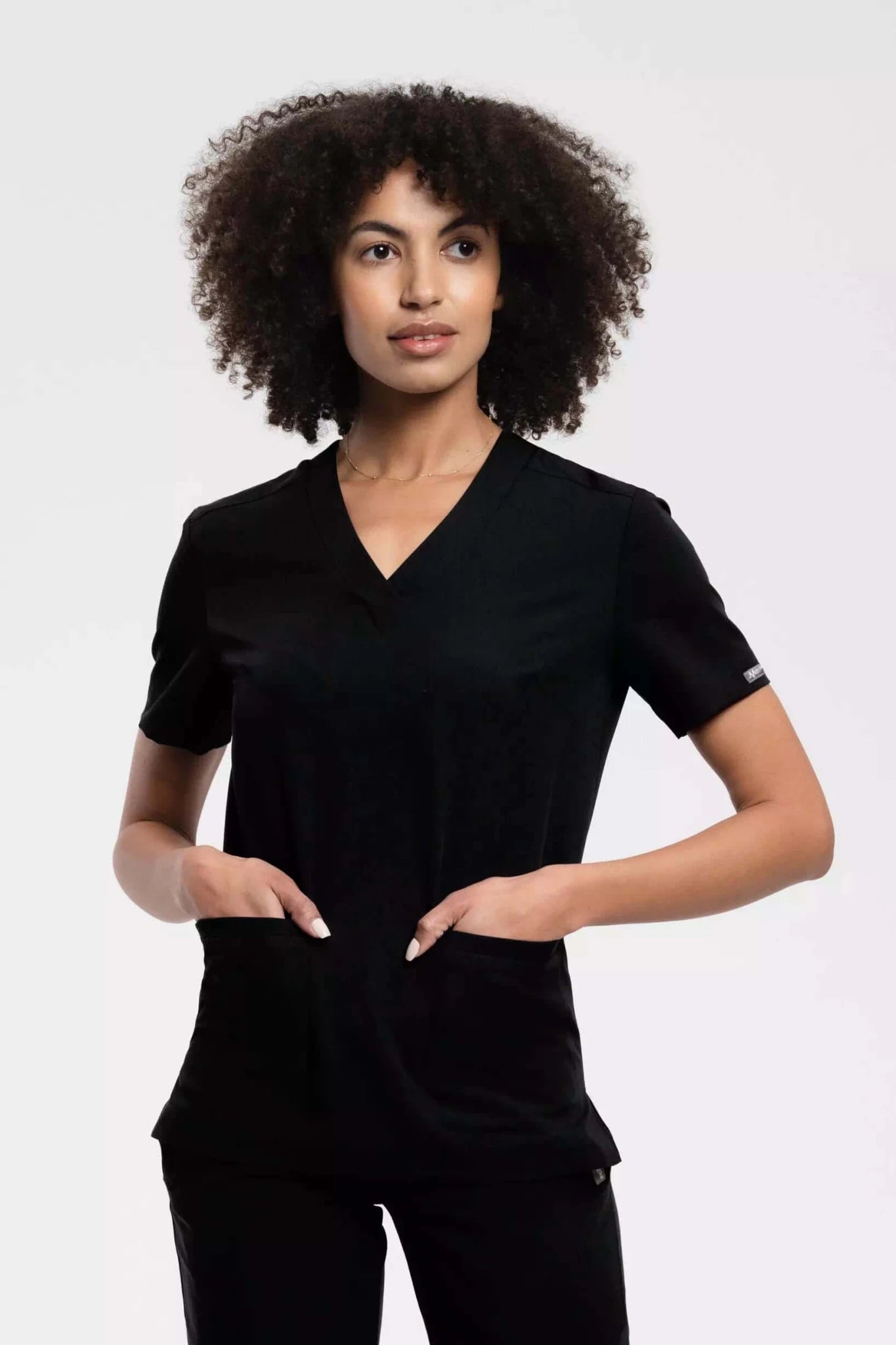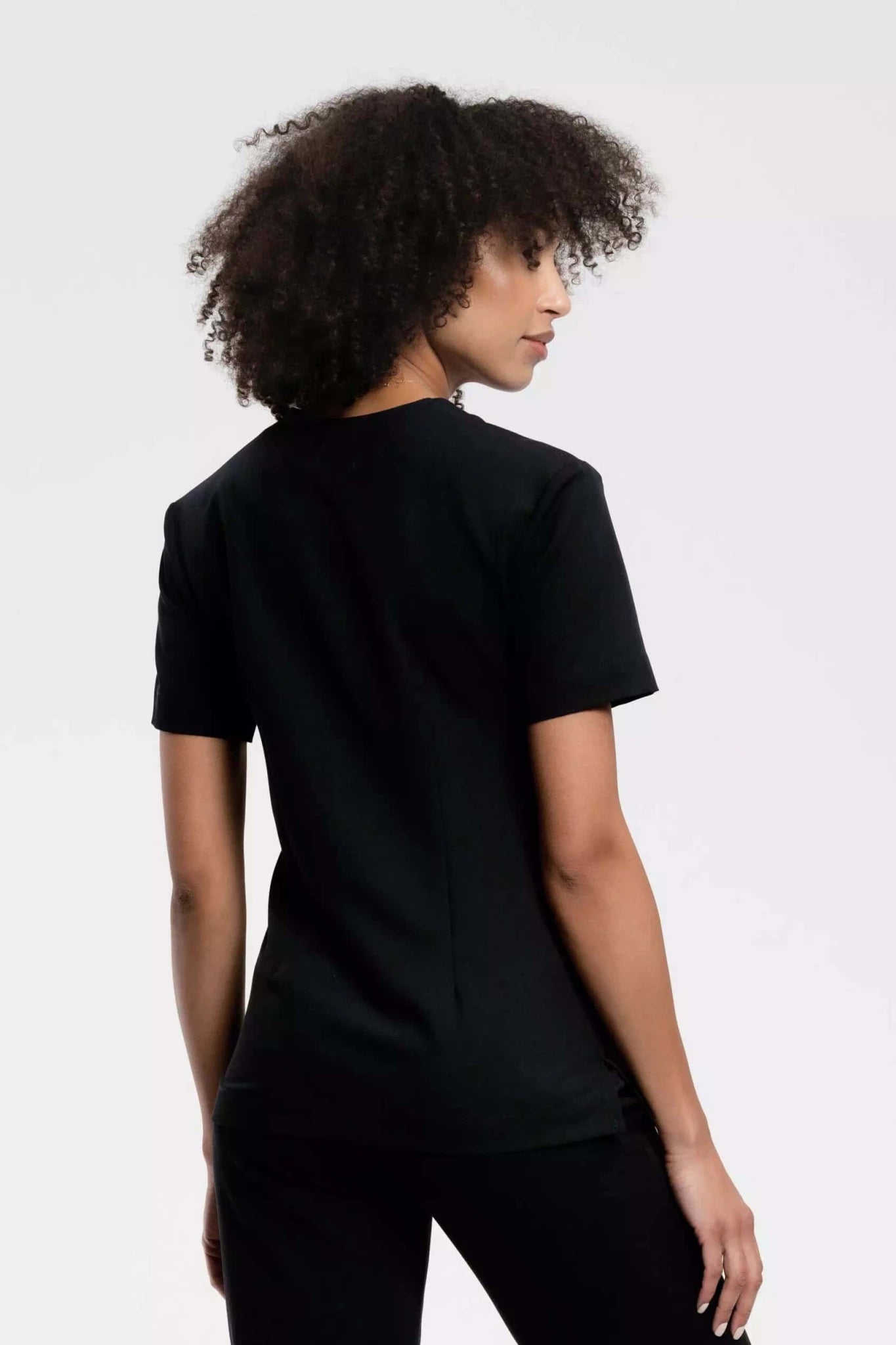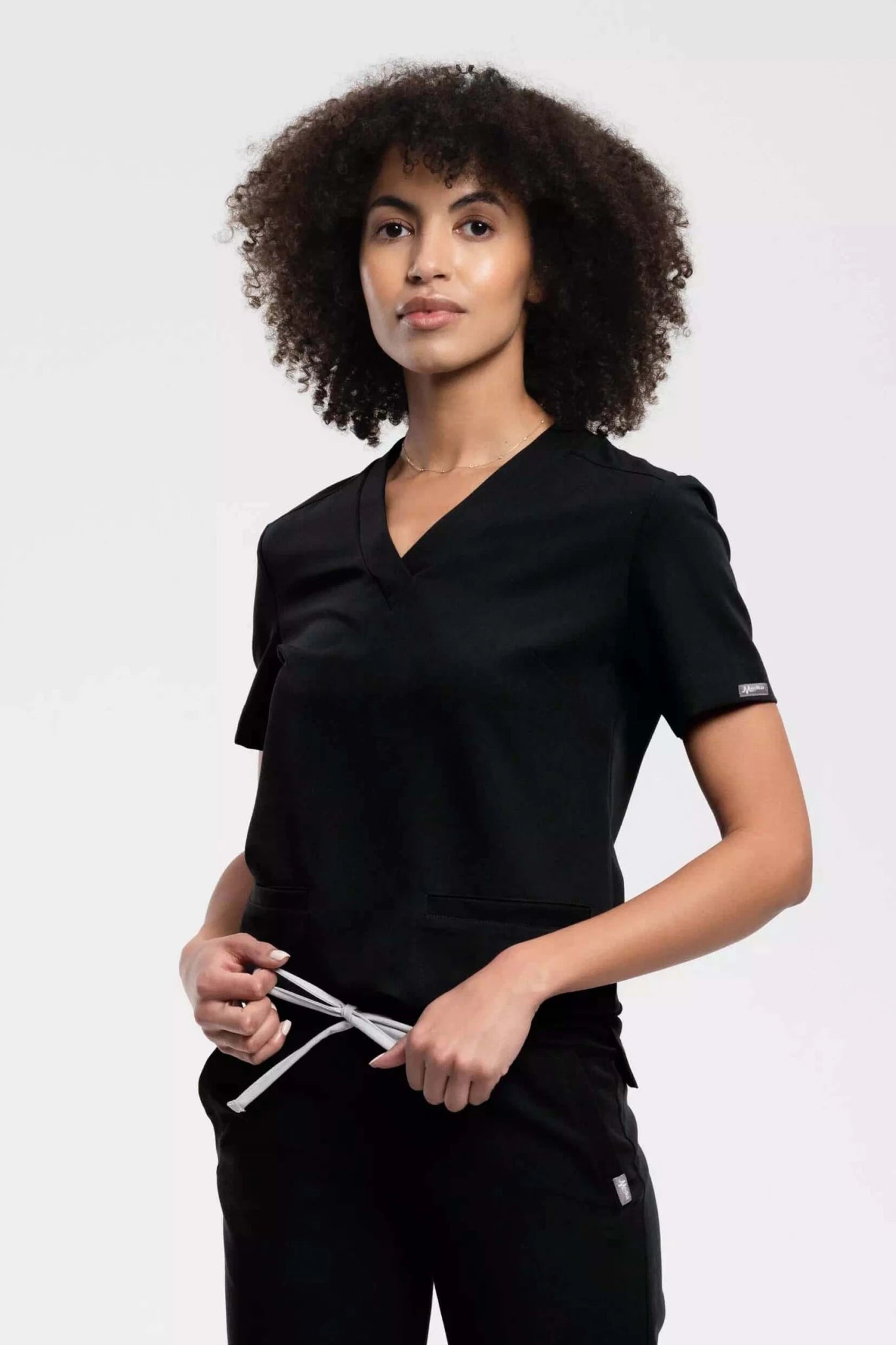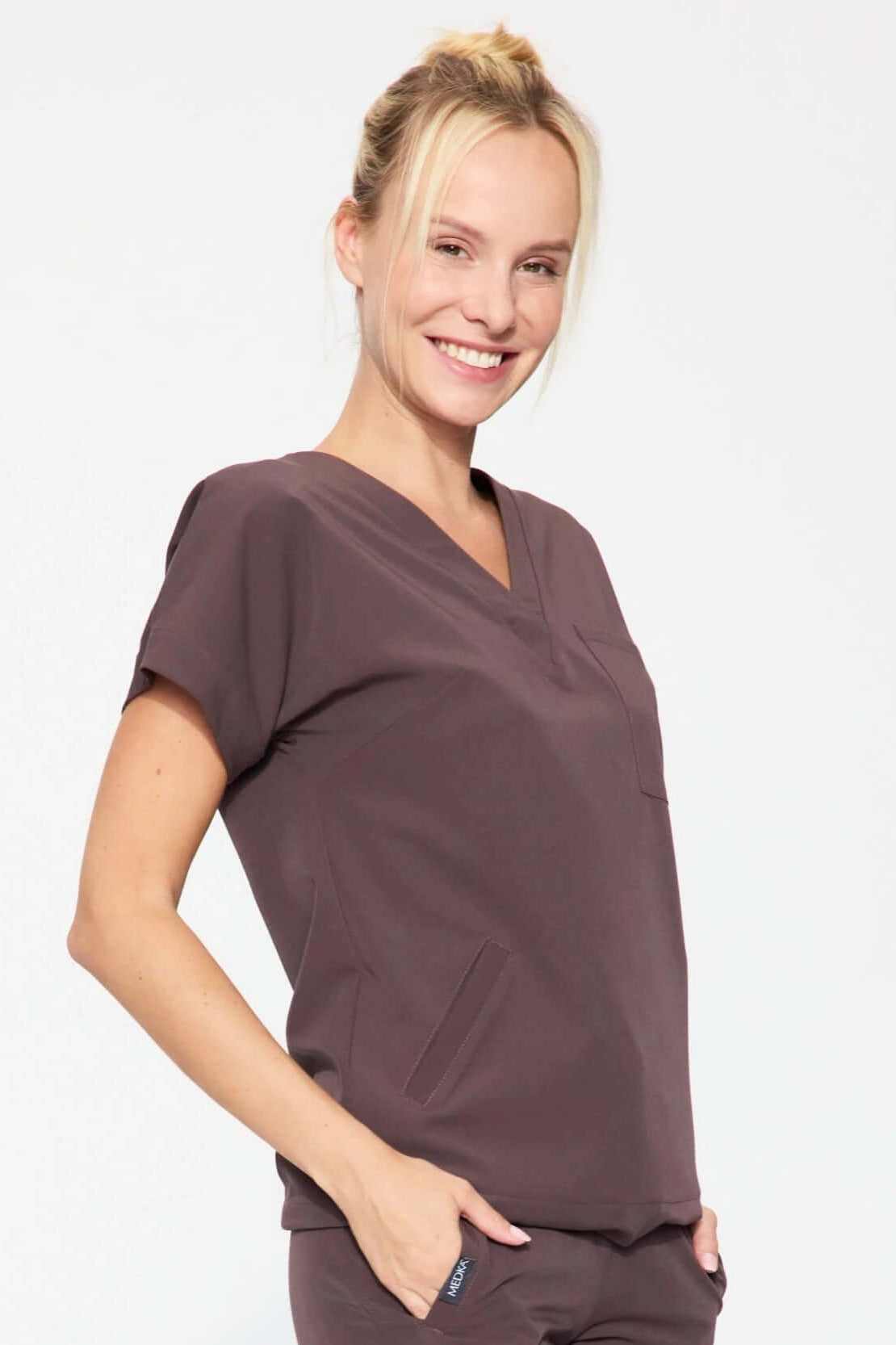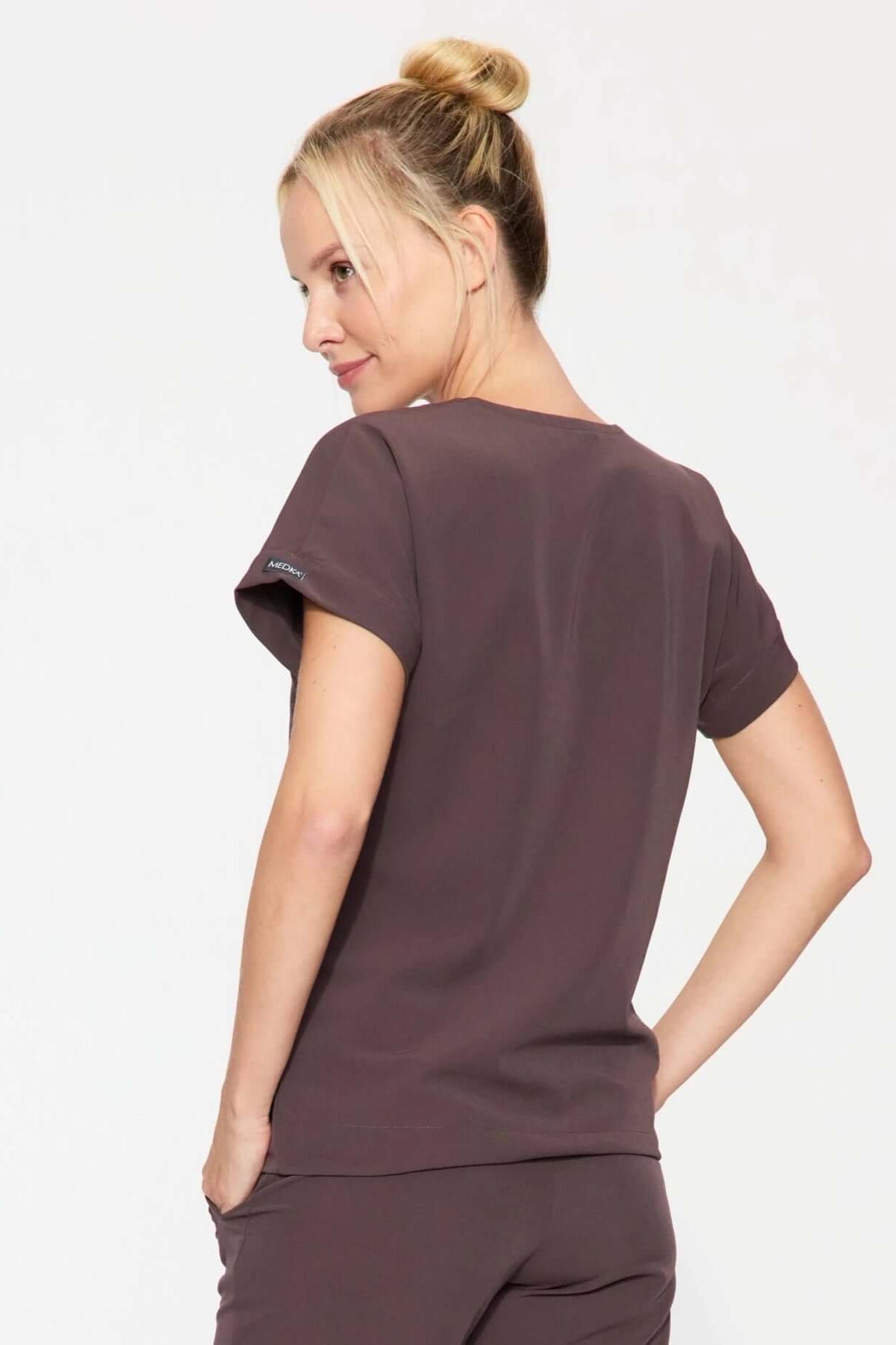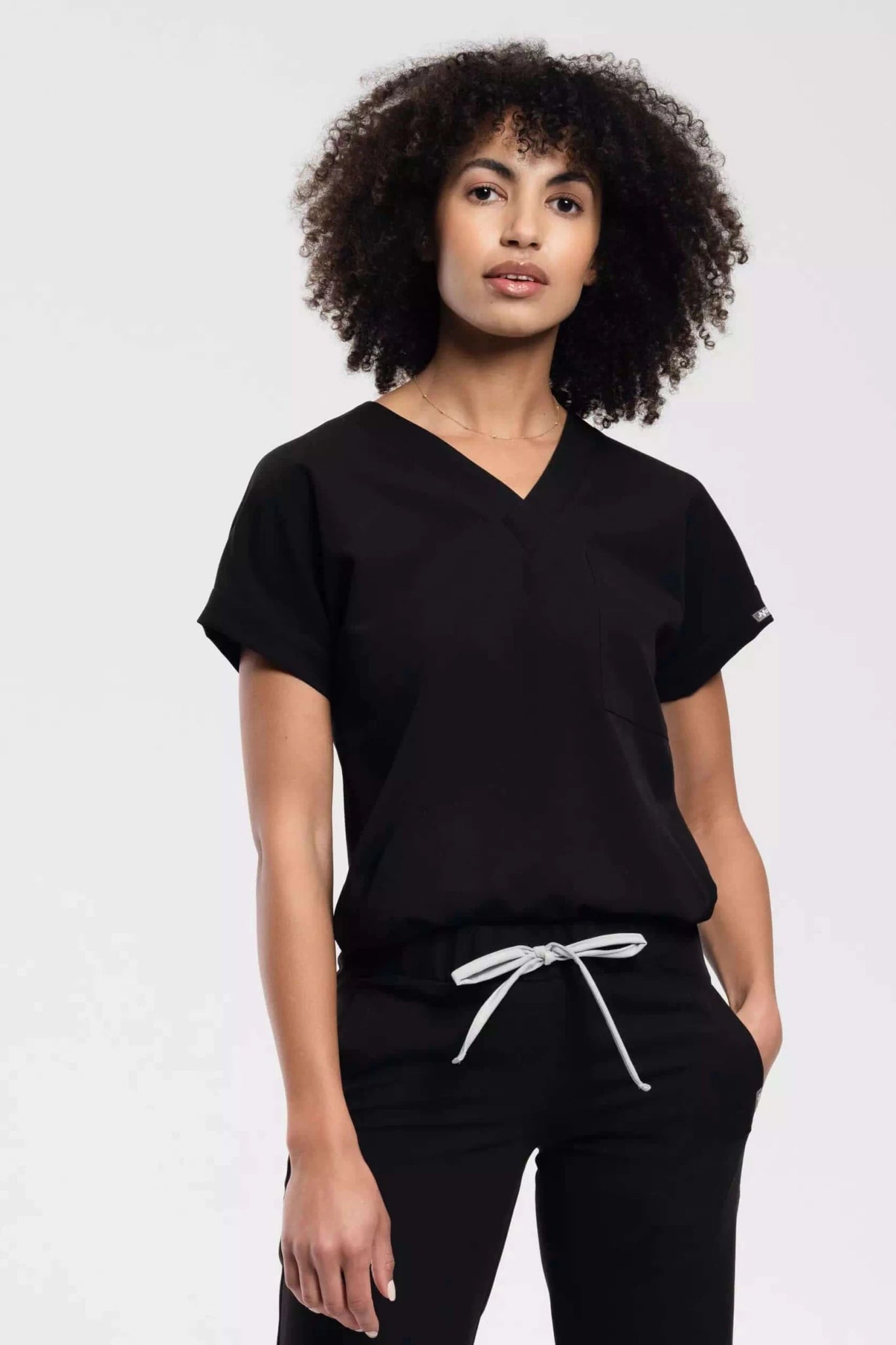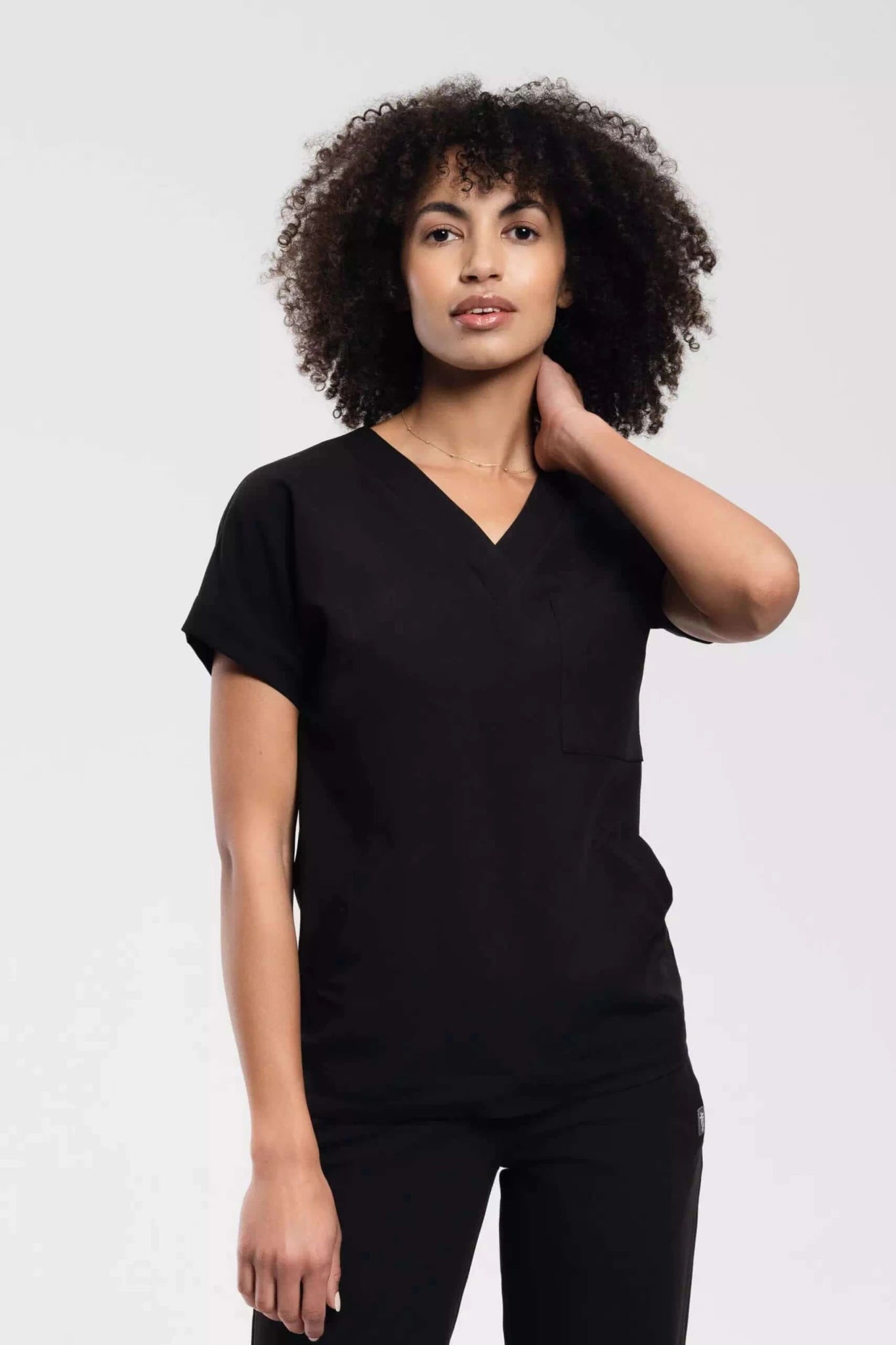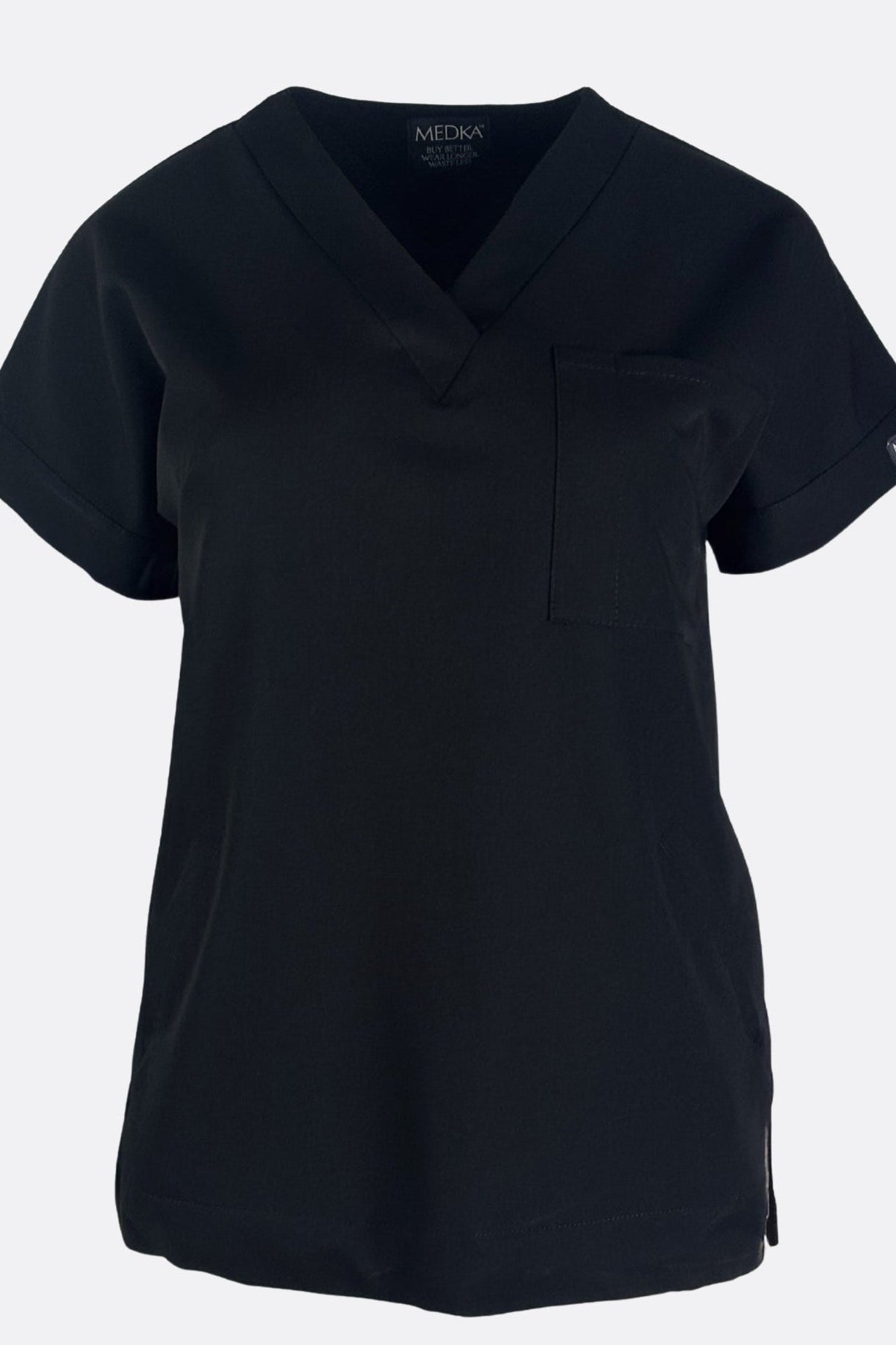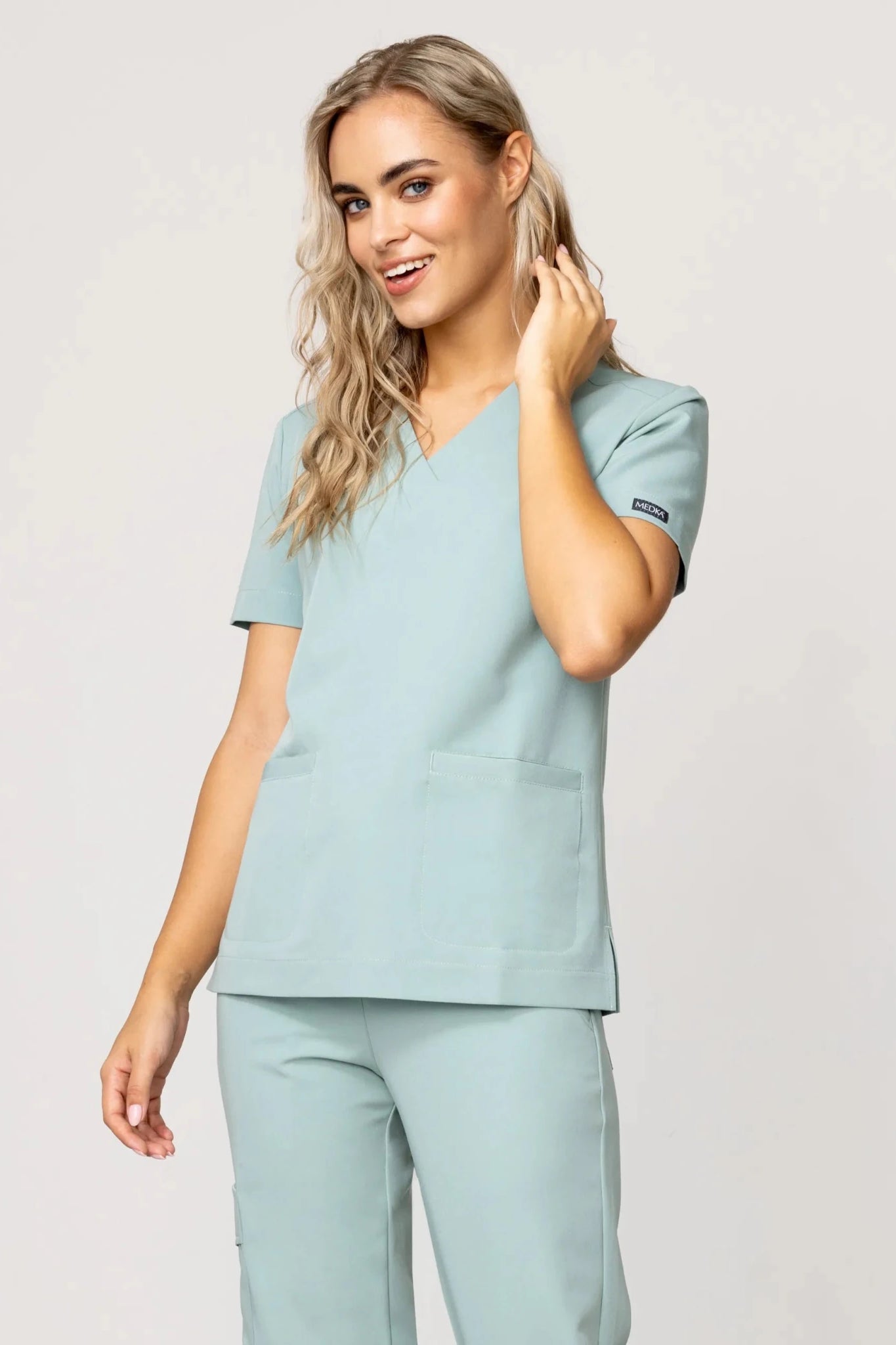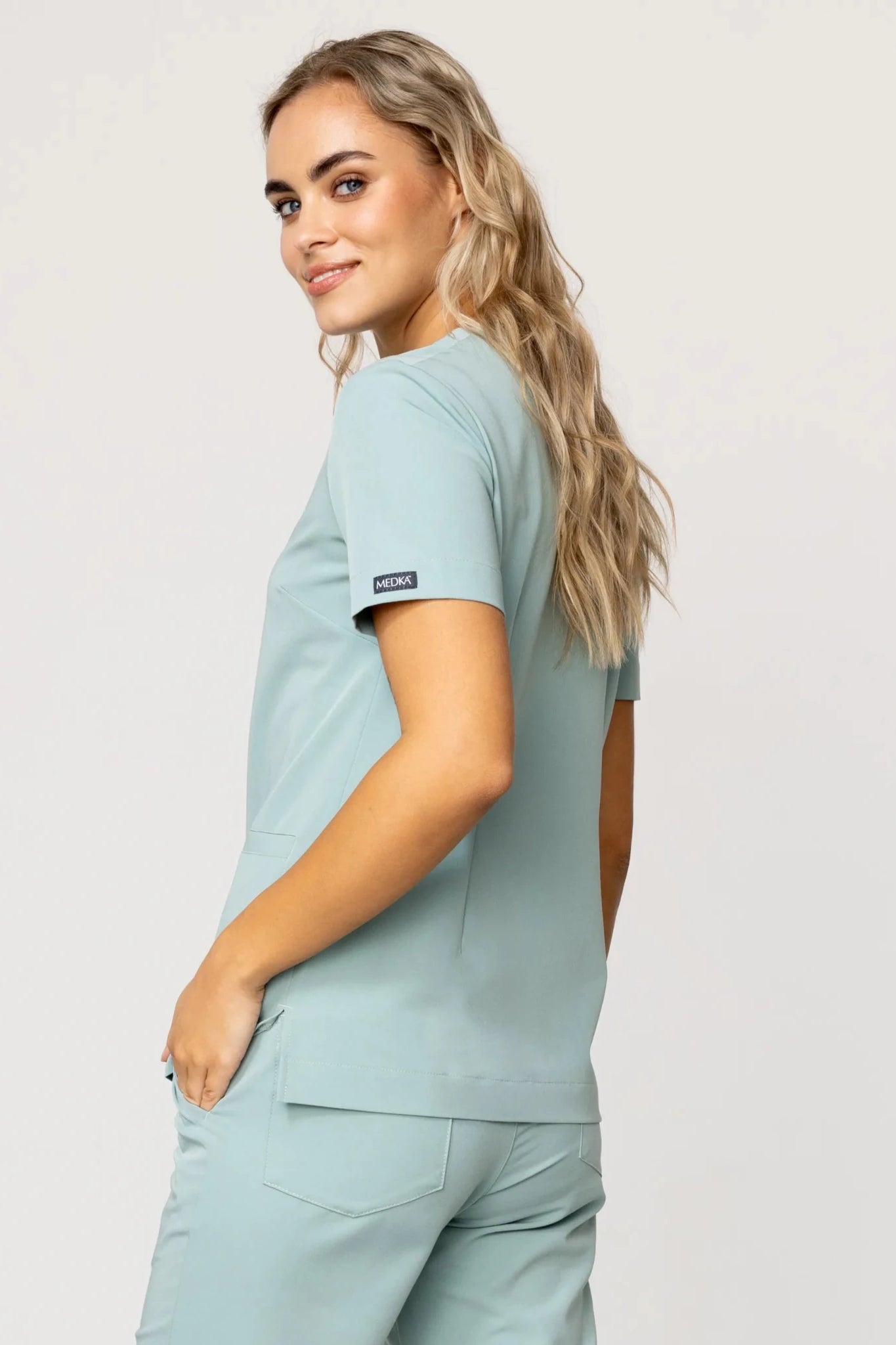





The starting point is not color or style, but what you actually do during eight or twelve hours of your shift. A physiotherapist, who bends over the couch most of the time and works with his hands, has different needs than an instrument holder in the operating theater, and the latter, in turn, completely different needs than a laboratory technician who comes into contact with reagents. These differences are not cosmetic. A poorly selected set can restrict movement when every second counts, or leak the fluid it was supposed to protect against. Therefore, the selection begins with an analysis of the threats and range of movement at a specific position, and only then moves on to the material, cut and aesthetics. In this text, I break down this process into factors that are usually missing in store descriptions.
What does the choice of medical clothing really depend on?
The choice of good medical clothing depends on three things: the level of biological and chemical risk at the position, the nature of movement during the day and the formal requirements of the facility. Everything else, including the color and fashionable cut, is secondary to these three.
Risk determines what material and what class of protection are involved. Where contact with blood, body fluids or aerosol is real, barrier fabric and clothing that meet appropriate standards are needed. Where there is practically no contact with infectious material, for example in a primary care office during routine visits, a comfortable scrubs set made of good quality cotton with an admixture of polyester will suffice.
The nature of the movement determines the cut and flexibility. A person who spends most of their shift standing, walking and bending needs something different than someone who works primarily at a desk and with sitting patients. It sounds trivial until you spend the day in pants that constrict you every time you squat at the bedside.
The third element is regulations and regulations. Some establishments impose colors assigned to roles, some require certified clothing for specific positions, and according to the Labor Code, the employer is obliged to provide and maintain work and protective clothing where it results from the occupational risk assessment. Before you buy anything on your own, it is worth checking what the facility provides and what it requires.
What standards must medical clothing meet?
This is the question that, in practice, separates ordinary workwear from clothing that actually protects. Two standards appear most often and it is worth understanding how they differ, because they can be confused.
The PN-EN 13795 standard applies to surgical drapes, surgical gowns and clothing for operating theaters. It determines, among other things, the material's resistance to dry and wet penetration of microorganisms, microbiological cleanliness and dusting of the material, i.e. the release of particles that may be a carrier of infectious agents in the operating room. This is the norm for a high-risk zone, where not only the barrier is important, but also that the material itself does not contaminate the surgical field.
The PN-EN 14126 standard applies to clothing protecting against infectious agents. It focuses on the barrier properties of the material towards the medium containing microorganisms, i.e. liquids, aerosols or solid particles. Importantly, the method of testing depends on whether the clothing is disposable or reusable. In the case of reusable clothing, tests are carried out after the maximum number of washes specified on the label, usually no less than five cycles, plus dimensional changes in the fabric are additionally examined. This is a practical difference: the declaration of conformity for a reusable apron refers to the material after washing, not just straight from the label.
In addition to these two standards, it is worth knowing the OEKO-TEX Standard 100 certificate, which confirms the lack of harmful substances in the fabric. This is not a protective standard in the sense of barrier properties, but concerns skin safety, which is important for people prone to irritation in case of daily contact with the material. It is also important to remember the legal distinction: the same apron may be a medical device or a personal protective equipment, depending on its purpose. If it's meant to protect staff, there's PPE; if it is intended to prevent patient cross-contamination, it is a medical device. This is not a bureaucratic nuance because it determines what compliance documentation the product should have.
As of June 2026: the above standards are valid, and the current edition for a given product is best verified in the manufacturer's declaration of conformity, because the numbers with annual notes are sometimes updated.
| Standard/certificate | What does it concern? | Where it matters |
|---|---|---|
| PN-EN 13795 | Surgical drapes and gowns, clothing for the operating theater, dusting, microbiological cleanliness | Operating rooms, treatment area |
| PN-EN 14126 | Barrier against infectious agents (liquid, aerosol, particles) | Locations with risk of contact with pathogens |
| OEKO-TEX Standard 100 | No harmful substances in the fabric | Comfort and safety of the skin, every position |
Which fabric is best for a given position?
The material is the easiest element to make a mistake, because the label does not always tell the whole truth about how the set will behave after the thirtieth wash. The starting point is three parameters: composition, weight and finish.
A classic everyday set is usually a mixture of cotton and polyester, sometimes with the addition of elastane. Cotton provides breathability and pleasant contact with the skin, polyester is responsible for durability and crease resistance, elastane, even a few percent, makes a huge difference when squatting and reaching. The more movement there is, the more elastane pays off. Pure cotton breathes nicely, but it creases, takes longer to dry and loses its shape faster, so it is rarely the best choice for intensive changes.
The grammage, given in grams per square meter, determines durability and coverage. Fabric with a higher grammage is more resistant to tears and better tolerates frequent washing at high temperatures, but it is heavier and warmer, which can be tiring when on duty in the summer. Lighter fabrics are more comfortable in the heat, but they wear out faster and can be see-through.
Finishes are a separate category. Hydrophobic coatings make it easier for liquids to run off and keep clean, antibacterial impregnations, often with the addition of silver, zinc or copper, limit the multiplication of microorganisms, and antistatic finishes are important where electrostatic sparks pose a risk, for example in some laboratories. However, it is worth knowing that many impregnations weaken with each wash, so the declared antibacterial function of the new set may be just a memory after two seasons of intensive use. This is an argument for checking whether the manufacturer specifies the durability of the finish in washing cycles.
| Material | Strengths | Weaknesses | For whom |
|---|---|---|---|
| Cotton + polyester (+ spandex) | Comfort, durability, freedom of movement | Lower barrier without coatings | Everyday work, a lot of movement, primary care, wards |
| Pure cotton | Airiness, softness | It creases, takes longer to dry, and loses its shape faster | Work in warmth, less intensity |
| Barrier fabrics with membrane/coating | Protection against liquids and pathogens | Heavier, less breathable, more expensive | Treatment zone, high risk of infection |
| Antistatic technical fabrics | Safety, easy disinfection | Less thermal comfort | Laboratories, studios |
How does the selection of clothing for particular professions differ?
This is where most mistakes are resolved, because one outfit rarely fits all roles. The differences come from range of motion, level of risk, and how long a single activity takes.
A doctor conducting visits and consultations, but also performing tests, most often needs a comfortable set of scrubs and, if necessary, a white coat worn over it. What counts here is a neat appearance and comfort at a variable pace of work. The situation is different for a surgical doctor, where the requirements of the operating zone come into play.
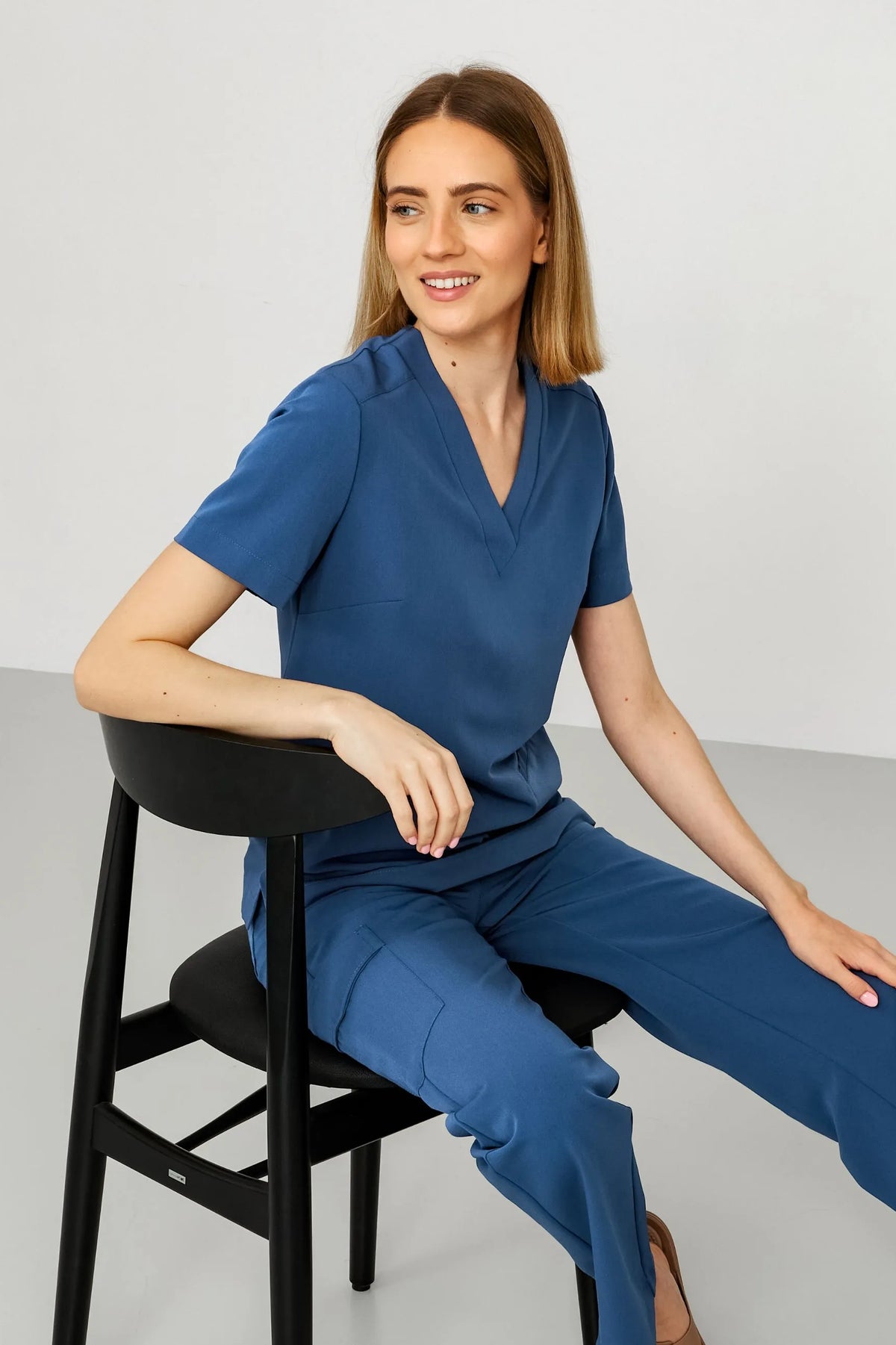
The nurse and midwife are constantly on the move and have direct and frequent contact with the patient, so freedom of movement is a priority. A set with an admixture of elastane, with well-thought-out pockets for small equipment, works well. The choice of form is individual: some people prefer a classic two-piece scrubs set, others a tunic or a medical dress, and these are the variants you will find in the Medek offer next to each other. Traditionally, some nursing and midwifery stations tend to prefer calm colors, but this is a matter of the facility's regulations, not technical necessity.
The physiotherapist works manually, in movement, in direct physical contact with the patient on the couch. The apron usually gets in the way here. A soft, light sweatshirt, often with short sleeves, and elastic trousers similar to a sports cut work better. Full mobility of the shoulders and hips is key. That is why in the Medka store, clothing for physiotherapists is separated into a separate category, just like dental clothing, because both groups have completely different movement needs than the treatment staff.
A paramedic works in the field, with variable temperatures, a large range of motion and real contact with blood. Hence, clothing with greater resistance, often a set with many pockets and reinforcements on the knees and elbows, in intense, clearly visible colors. Red is practically the standard here and results not from fashion, but from the need for quick identification.
Operating theater staff and instrument assistants are subject to the strictest requirements. Clothing must meet the standards for operating theaters, have low dust and adequate barrier properties, and the colors usually gravitate towards green and blue, which is also justified by the visual acuity of a surgeon tired of looking at the red of the operating field.
Laboratory technicians and diagnosticians need protection against reagents and biological material: a long-sleeved, fastened apron with an appropriate certificate, with breathable, antistatic and easy-to-disinfect clothing underneath. Here, aesthetics are completely secondary to the protective function.
How do size and cut affect comfort and safety?
The best fabric won't help if the set doesn't fit well. And ill-fitting means both too tight and too loose, because both extreme cases are disturbing, but in a different way.
Clothing that is too tight restricts movement exactly where it is needed: when bending to the patient, reaching for equipment, or crouching next to the bed. It presses, prevents deeper inhalation during exercise, and in extreme cases slows down the reaction. If it is too loose, it catches on the equipment and gets into the work area, and long, roomy sleeves can be a real threat at a position where sterility is important or where you work with equipment.
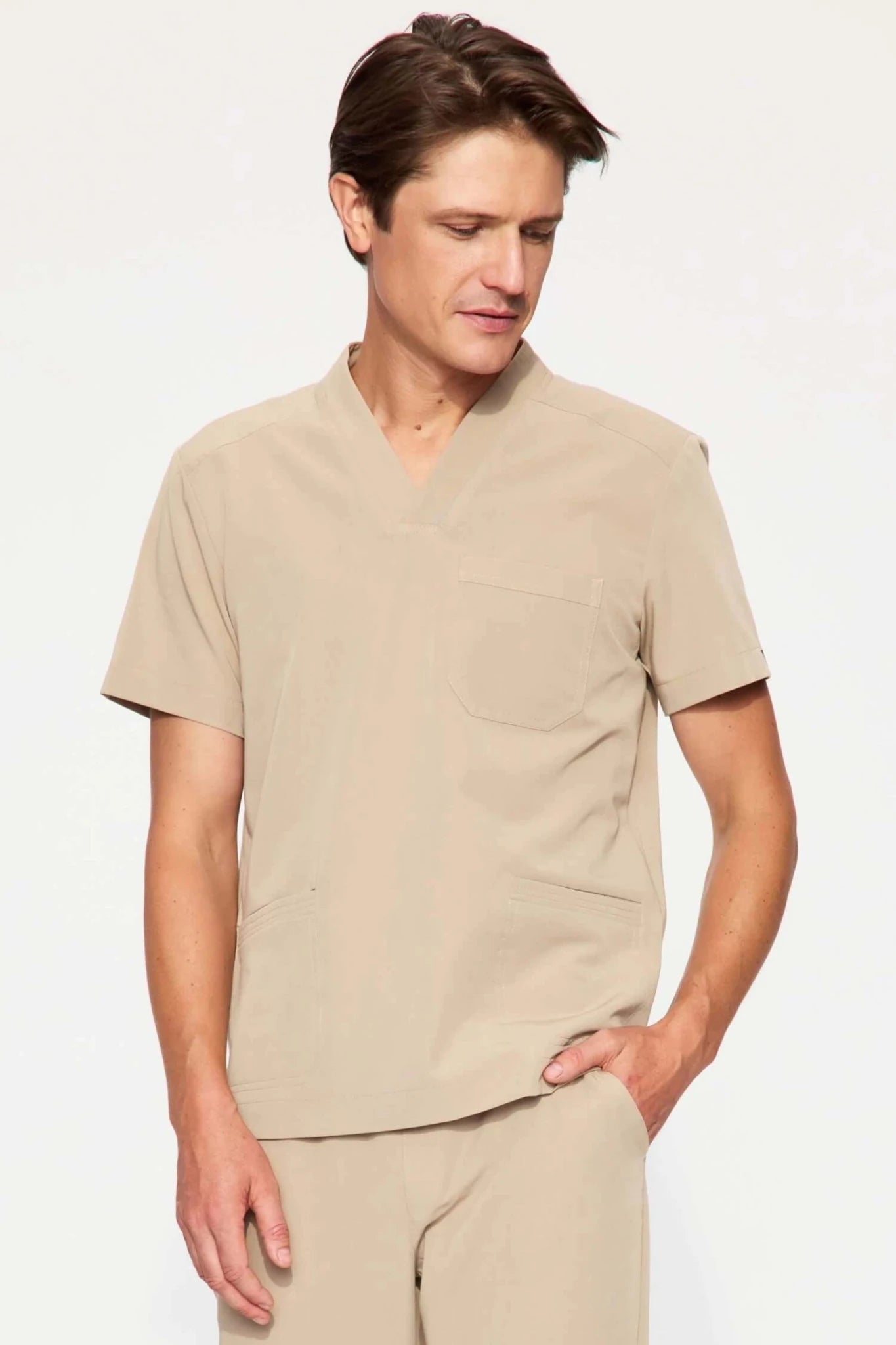
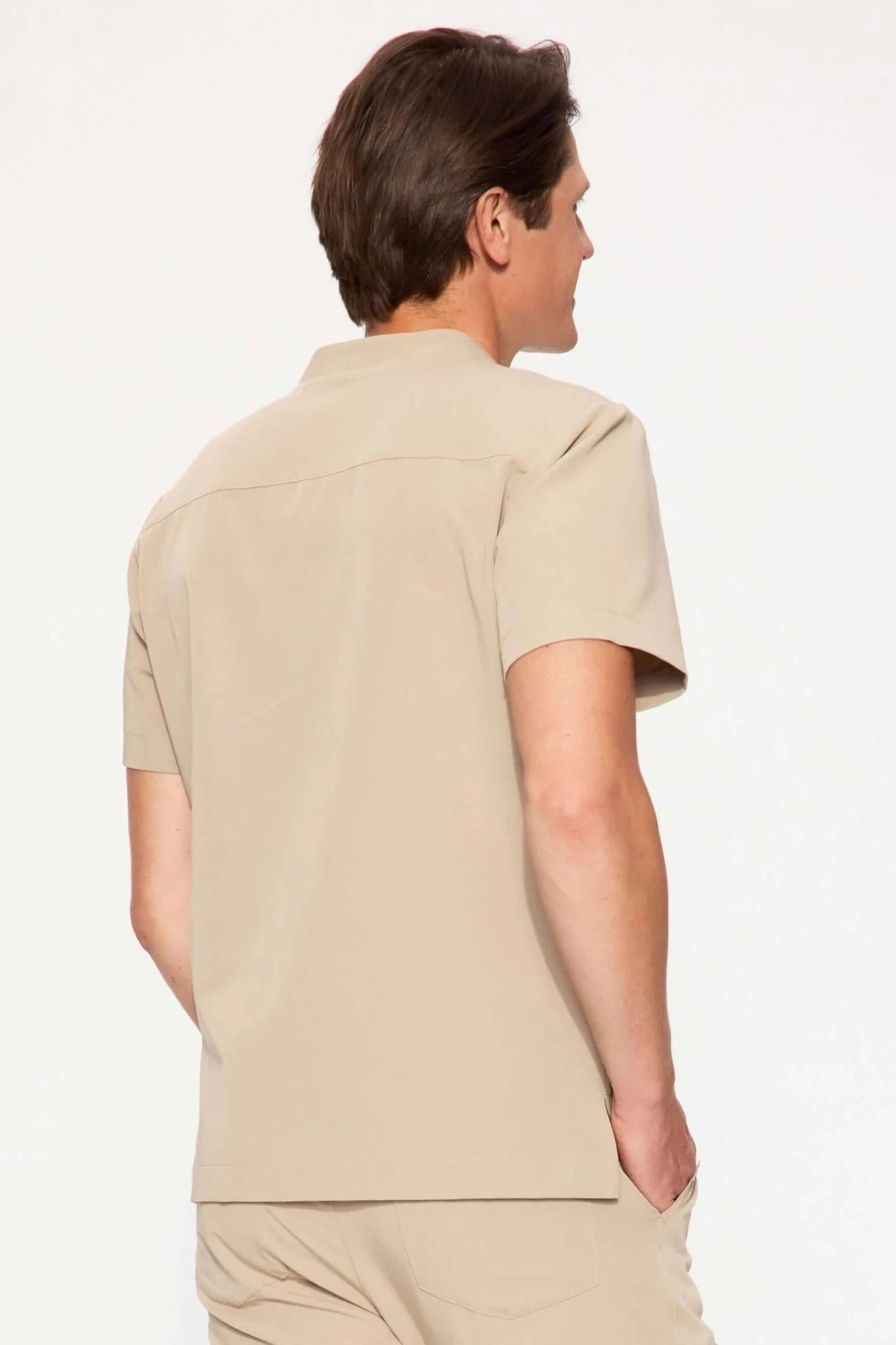
When choosing the size, follow the table of a specific manufacturer, and not the general sense of your size from everyday clothing, because medical cuts are measured differently. Pay attention to the length of the sleeve and leg, the ease of the shoulders when you raise your arms and whether the pants do not slip when you bend down. Details such as a drawstring at the waist, an adjustable string or cuffs are sometimes more important than the size number itself. Some of the solutions simplify this problem at its source: in Medka clothing, the pants come in two leg lengths, which allows you to adjust them to your height without visiting a seamstress, and the additional adjustment at the waist means that the set does not fall down or become tight even with periodic weight changes. Sweatshirts with an adjustable cuff, on the other hand, allow you to adjust the cut to your figure instead of having to accept what the label says.
The cut is also a matter of pockets. Their number and arrangement seem like a small thing until it turns out that there is no place to hide scissors, a phone or an ID badge at a given station. Well-placed pockets reduce the number of unnecessary movements during the day, which adds up when you work for many hours. Here you can also see the difference between clothes designed for the realities of work and an ordinary set: spacious pockets, in some Medek models with a magnetic clasp for a phone, and a sewn-in ID holder are details that eliminate carrying the equipment in your hand or around your neck.
Does the color of medical clothing matter?
It does, although today it is less often imposed from above than it used to be. In the past, the color clearly indicated the role and was included in the facility's regulations. Nowadays, standardization has decreased in many places, but some of the functions of color remain valid and it is worth understanding them before choosing a color.
The most important practical function of color is role identification. In large facilities, color coding systems, where a specific color is assigned to a specific position, make it easier for patients and staff to quickly recognize who is who, which can be crucial in emergency situations. For this reason, red remains strongly associated with rescue services and bright colors with personnel who need to be immediately visible.
The second function is psychological. Cool colors, blue and green, have a calming effect, which is why they often appear in nurses and in wards where we want to reduce the patient's tension. Green is also justified in the operating room, where it relieves the eyes that are accustomed to red. Navy blue and darker shades are associated with experience and professionalism, which is why they are chosen by senior staff or those in managerial positions. Warmer, gentle colors work best in children's wards, as they relieve the anxiety of young patients.
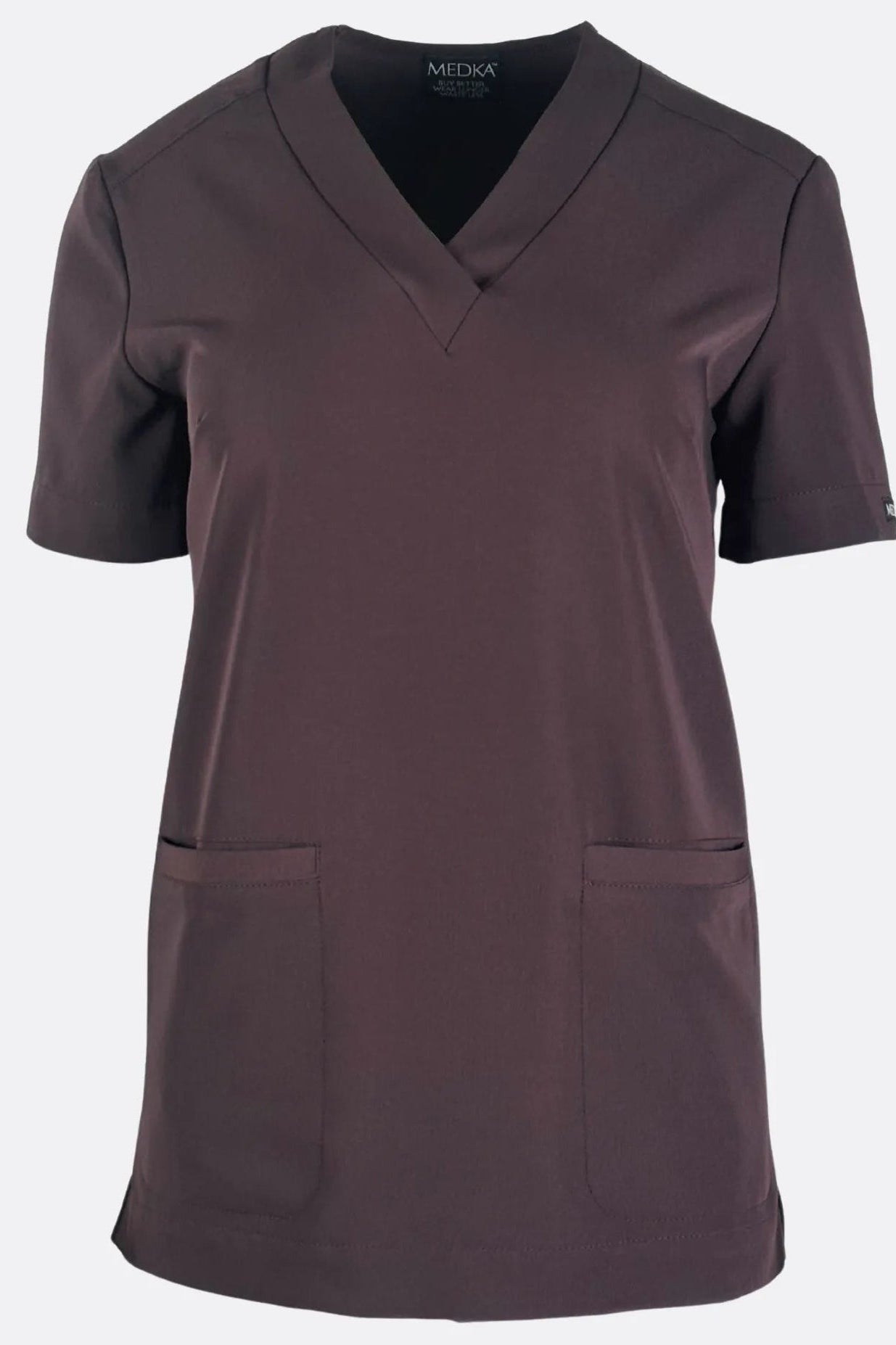
There is also a purely practical dimension: darker fabrics are less likely to show temporary dirt, but lighter fabrics are easier to control for cleanliness. However, before you decide on the color of your preference, check the regulations of the institution, because there are still places where specific colors are reserved for specific roles and your own choice is simply not an option. If the regulations do not impose anything, the choice field can be wide: at Medka, clothes can be browsed immediately by color, from calm blues and sage to warmer shades of rose or espresso, which makes it easier to stick to one palette within the team or match the color to your own beauty type.
You can read more in our article: https://www.medka.eu/blogs/blog/jakie-znaczenie-maja-kolory-w-odziezy-medycznej
How does the maintenance of medical clothing affect its durability and protection?
This is a question that is usually omitted when purchasing, and which actually determines how long the set will serve its purpose. Medical clothing is washed frequently and at high temperatures, and some stations require disinfection, so the material must withstand it without losing its properties.
The most important rule is simple: follow the manufacturer's recommendations on the label. This is not a formality. Washing at too high a temperature or with aggressive bleach can destroy the hydrophobic or antibacterial finish, which is exactly what you paid for. On the other hand, washing at too low a temperature in a station requiring disinfection will not ensure proper hygiene. Each fabric has its optimum and deviations are to your detriment.
In the case of barrier and certified clothing, there is also the issue of the number of cycles. Manufacturers often declare a warranty for a certain number of maintenance cycles, and the declaration of conformity of a reusable apron refers to the material after washing. This means that after exceeding the declared number of washes, the protection may no longer be reliable, even if the set looks good. Therefore, in high-risk positions, it is worth keeping a simple register or at least being aware of how long a given set has been used.
Frequent washing also affects the size. Fabrics may shrink, so in the case of reusable barrier clothing, dimensional changes after washing are even examined separately. In practice, this means that a perfectly fitting set straight from the store may fit differently after several washes, which is worth taking into account when choosing the size.
For whom does a particular type of clothing make no sense?
It is also worth saying directly what not to buy, because too many functions can be as expensive as their lack. A high-weight barrier fabric, certified for the treatment area, is unnecessary and uncomfortable in a position where there is no contact with infectious material. It will be heavier, warmer and more expensive without any benefit, and it will become burdensome during an all-day shift in a warm office.
On the other hand, a light, fashionable set made of thin cotton does not make sense where splashes of body fluid or contact with a reagent are likely, because it will not provide the protection required by the workstation. A long-sleeved apron disturbs a physiotherapist who works manually. Bright red, associated with rescue, causes unnecessary anxiety in the children's ward.
In other words, there is no universal best medical clothing. There is clothing tailored to a specific job, and the choice comes down to recognizing what the job actually requires and not paying for features that will never be used.
The most important conclusions when choosing medical clothing
The selection of medical clothing begins with the position, not with the catalogue. First, you assess the biological and chemical risk and the range of movement during the day, then you adjust the material and its standards to this risk, and only at the end you come down to the cut, size and color. It's hard to go wrong in this order.
Practically, it comes down to a few decisions. In high-risk positions, the decisive factor is the standards and barrier properties of the material, confirmed by the manufacturer's declaration of conformity, taking into account the number of washing cycles. In high-mobility and low-risk positions, comfort is decisive, i.e. a mixture with elastane, the right size according to the manufacturer's table and well-thought-out pockets. It is worth choosing the color after checking the facility's regulations, because your own liking sometimes has nothing to do with it. And durability depends largely on maintenance in accordance with the label, which protects not only the appearance, but also the declared protective properties.
If the clothing is provided by your employer, it is worth making sure what exactly it covers before you buy anything yourself. And if you buy it yourself, the few minutes spent checking the ingredients, size chart and regulations will pay off faster than you think. When purchasing your own clothes, it helps when the store responds directly to these needs: the Polish brand Medka designs and sews clothing locally, offers separate categories for different professions, selection by color, personalization with embroidery and group orders for entire teams, and a long return period allows you to check the fit in practice before the set goes on duty.
Frequently asked questions:
Below are short, specific answers to the questions that most often arise when selecting medical clothing for the workplace.
According to the regulations, who is supposed to buy work clothes for medical staff?
Pursuant to the Labor Code, the obligation to provide and maintain work and protective clothing rests with the employer where it results from the occupational risk assessment and occupational health and safety regulations. In practice, the scope varies depending on the facility and position, so before purchasing it yourself, it is worth checking the internal regulations and what the facility provides.
Can medical clothing be washed with other clothes at home?
In low-risk positions, usually yes, according to the instructions on the label. However, at positions with contact with infectious material, the facility's procedures apply, often requiring washing and disinfection in a designated manner, and not at home. The regulations and the nature of the position are decisive here.
How many pairs of medical kits should you have during shift work?
When working shifts, the practical minimum is three sets: one to wear, one to wash, one spare. This allows you to maintain rotation without the risk of running out of clean clothes and spreads wear across several items, extending the life of each item. When completing several pieces at once for a team, it is worth checking the group order option, which is offered by, for example, Medka, because it simplifies the unification of colors and sizes.
How do scrubs differ from a doctor's coat?
Scrubs is a two-piece set, a sweatshirt and trousers, with a looser, comfortable cut, intended for everyday work. Doctor's coat it is usually worn on top and serves as an additional layer or image element, and in the barrier version, also as a protective layer. Many jobs use both, depending on the activity.
Does elastane in medical clothing reduce its durability?
A small addition of elastane, usually a few percent, significantly improves freedom of movement and, if properly maintained, does not significantly shorten the life of the set. Problems arise when washing at too high a temperature or aggressive drying, which destroys the elastic fibers. Sticking to the recommendations on the label solves most of the concerns.
How to recognize whether clothing actually meets the declared standard?
Certainty is provided by a declaration of conformity or a product card from the manufacturer, which indicates a specific standard and, for reusable clothing, the number of maintenance cycles. A marketing slogan alone on the store description is not enough. In the case of barrier and certified clothing, it is worth asking the seller for documentation before making a decision.