




Apparently it's the same white coat. In practice, a medical coat and a laboratory coat have several things in common, which are only visible when something splashes on the sleeve or when a health and safety inspector asks about the CE marking. To put it simply: a medical coat is primarily professional clothing that is intended to protect the clothes underneath and organize the image of the staff, while a laboratory coat in many cases serves as a protective barrier against a specific threat, which entails completely different requirements for the fabric, cut and certification. The problem is that both words are used interchangeably in stores, which makes it easy to buy something that looks right but doesn't do what you really need.
What do we actually call a medical gown?
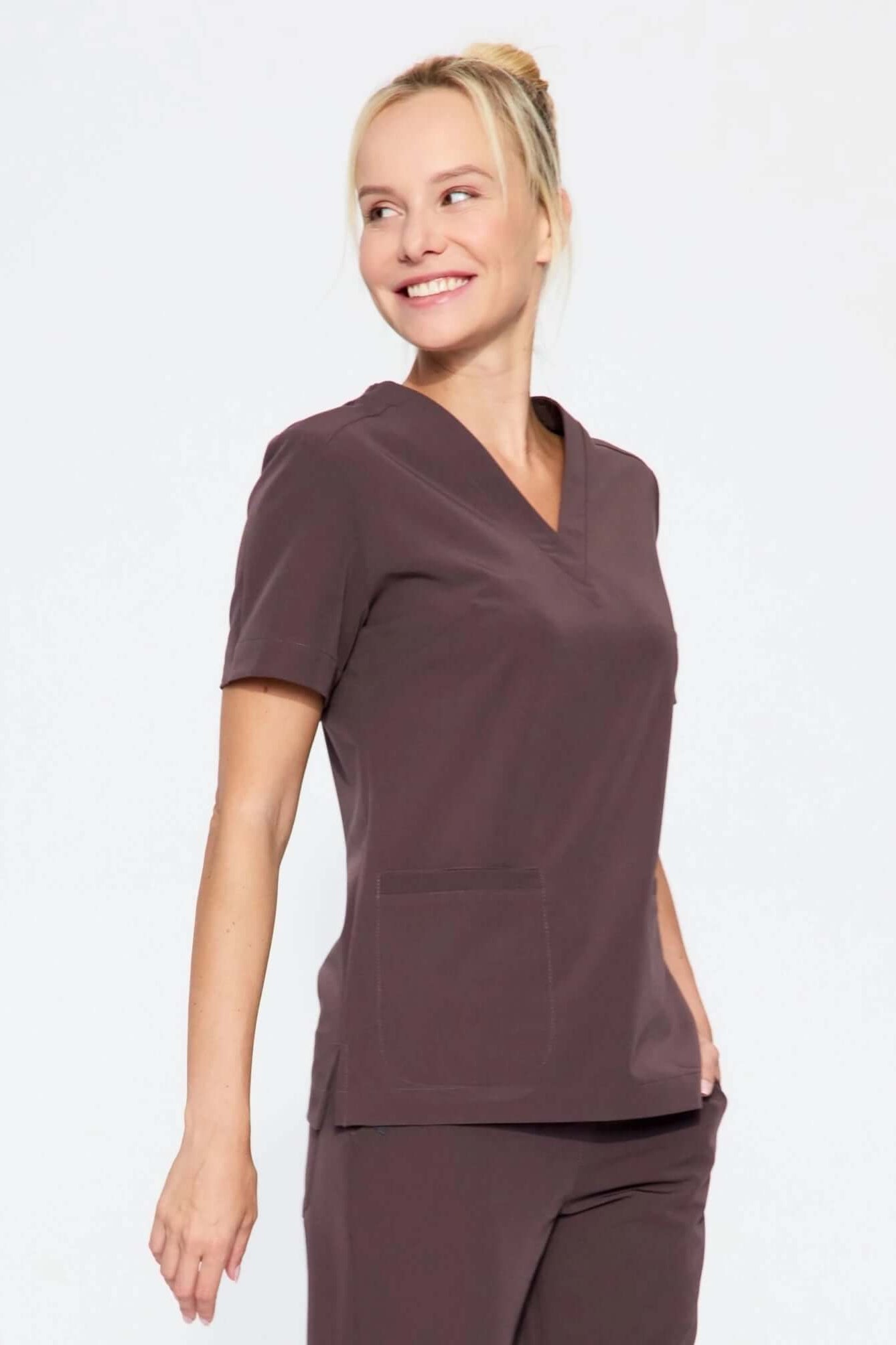
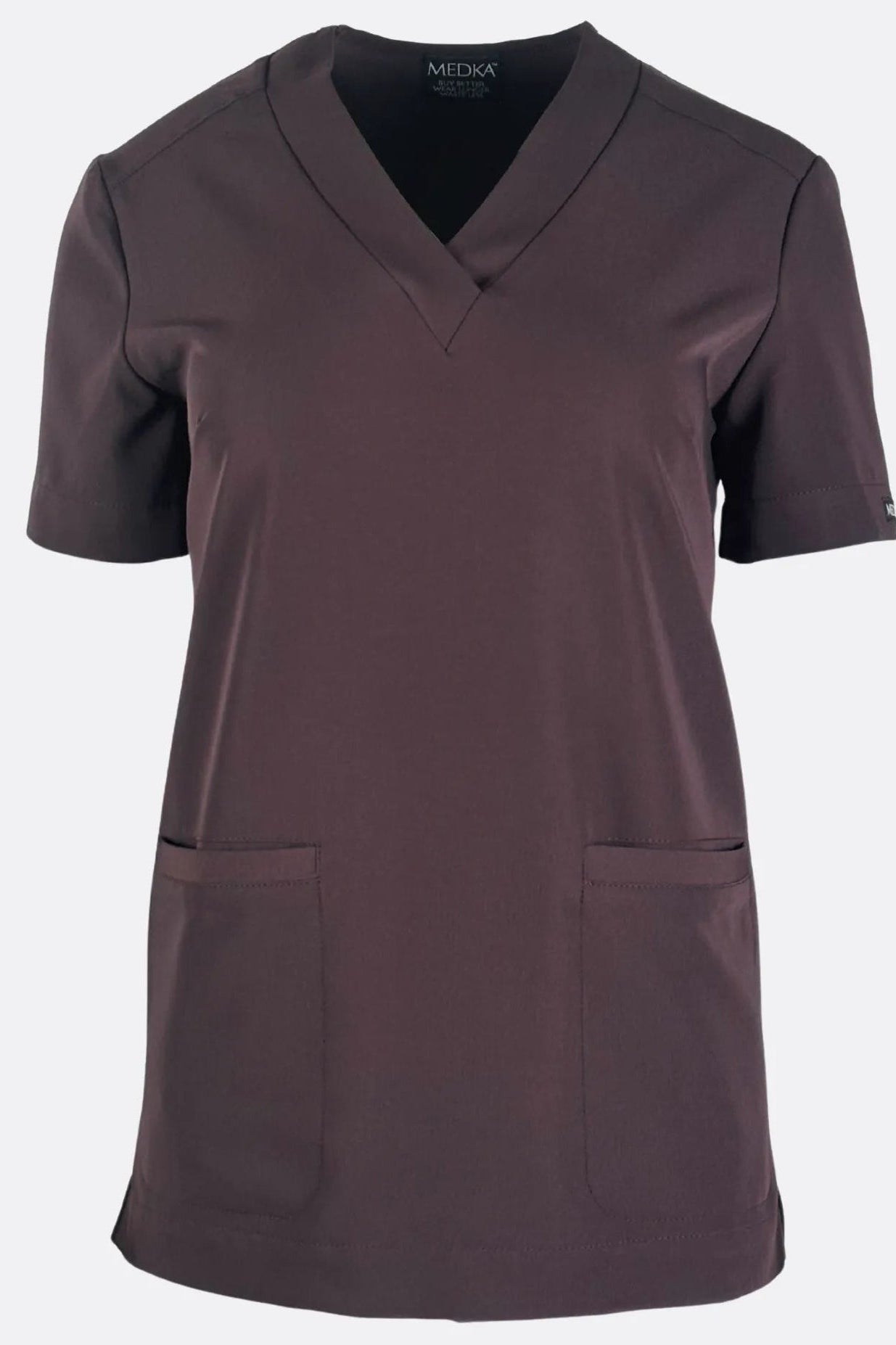
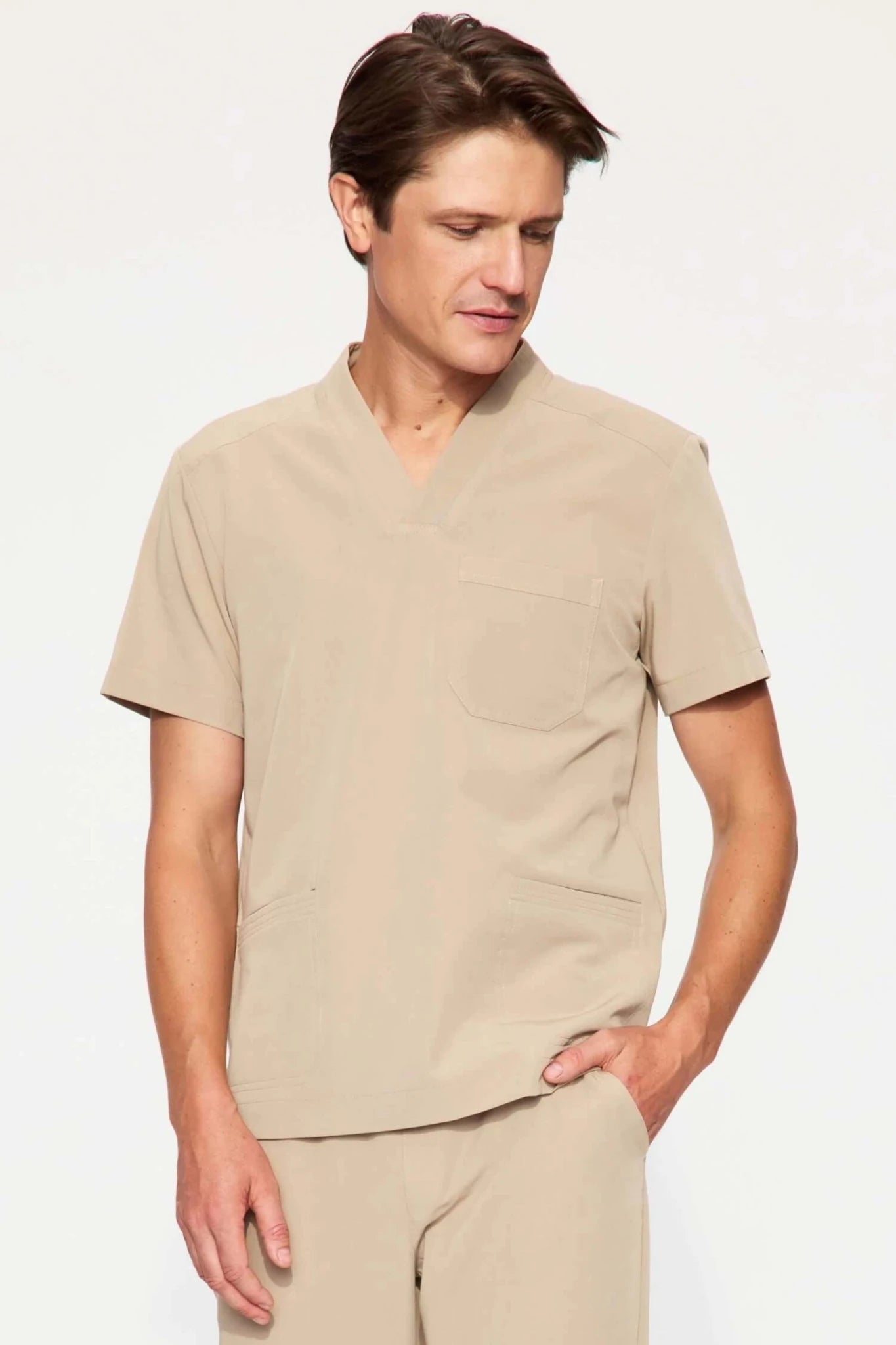
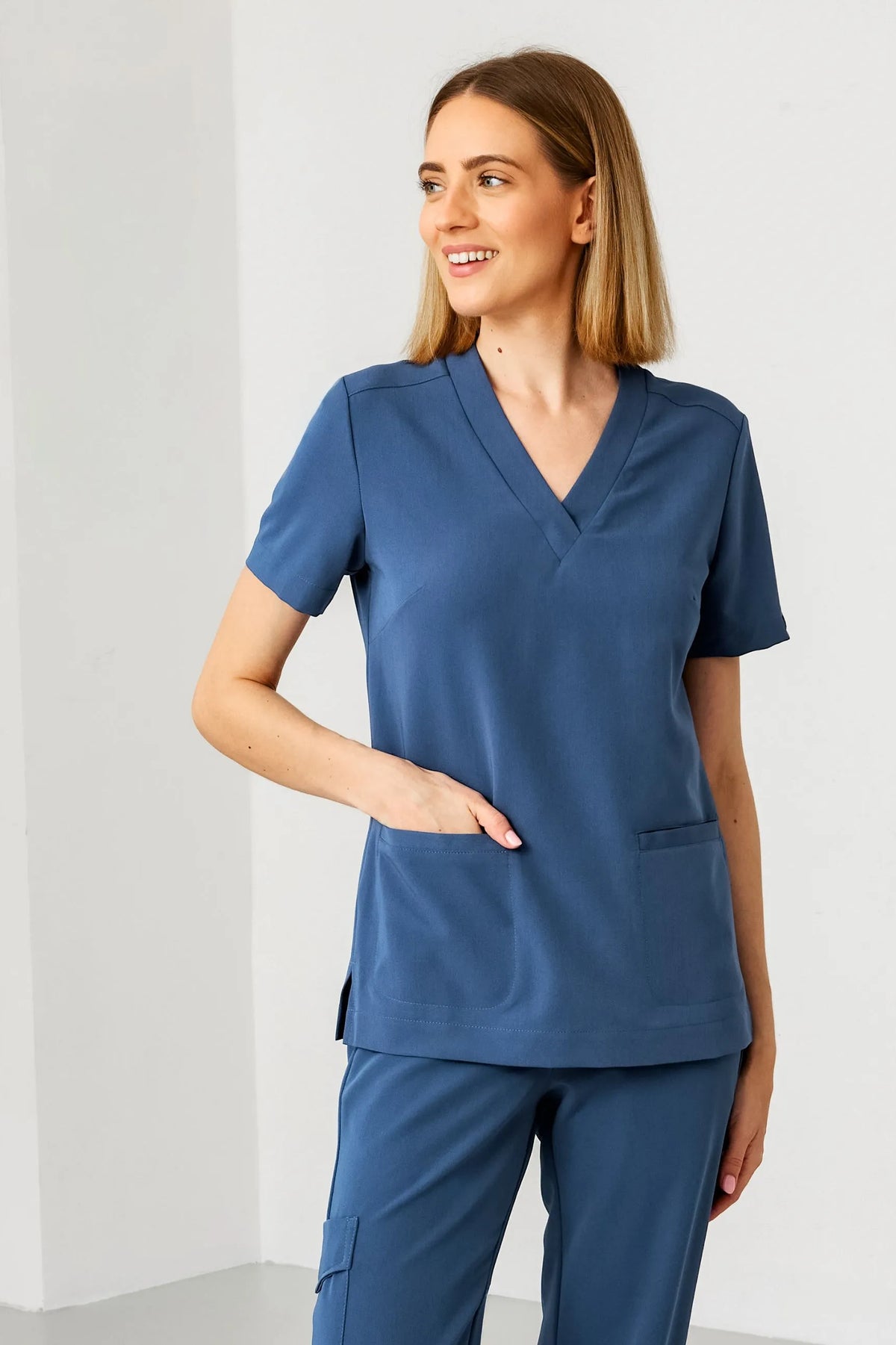
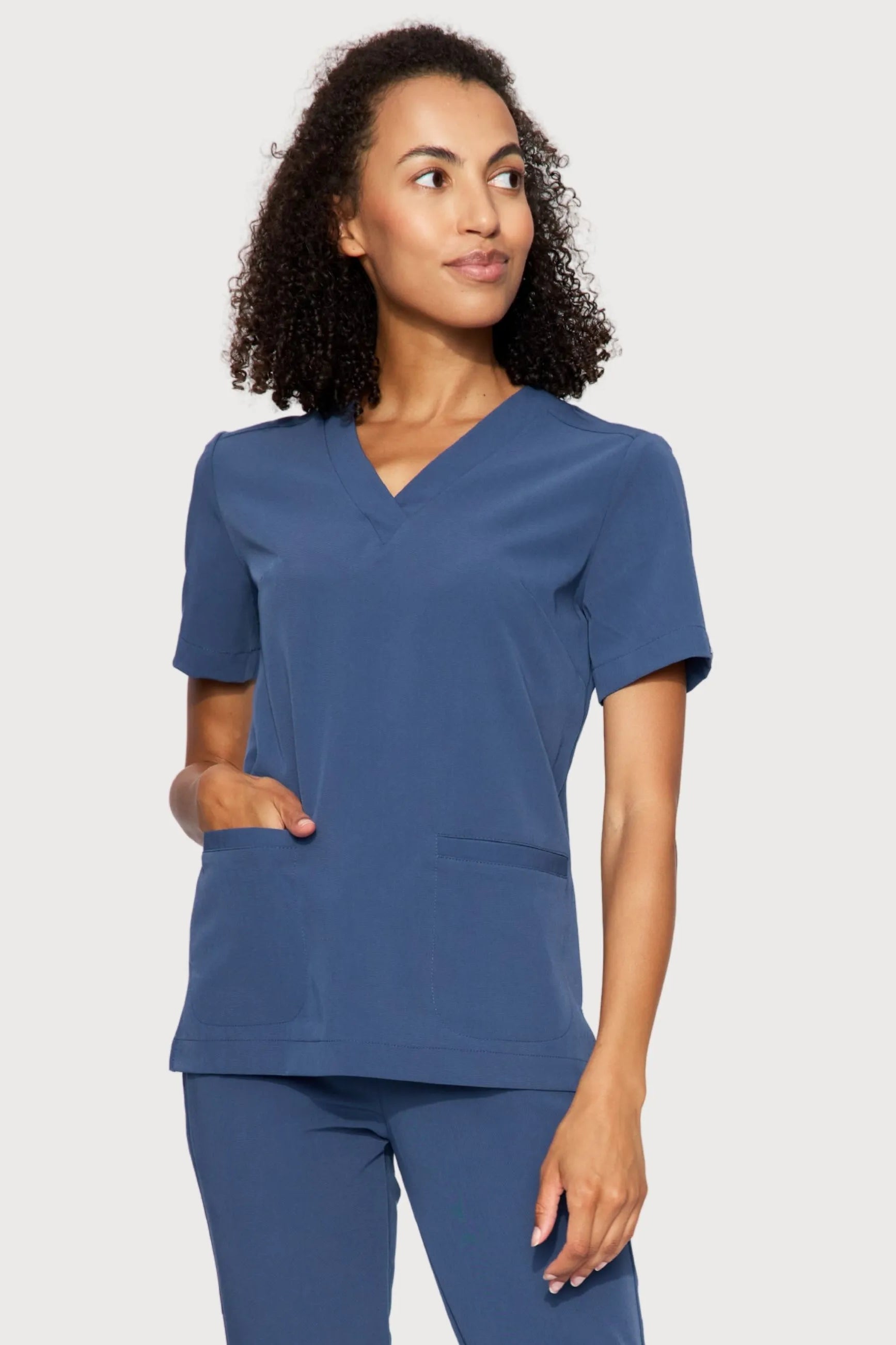
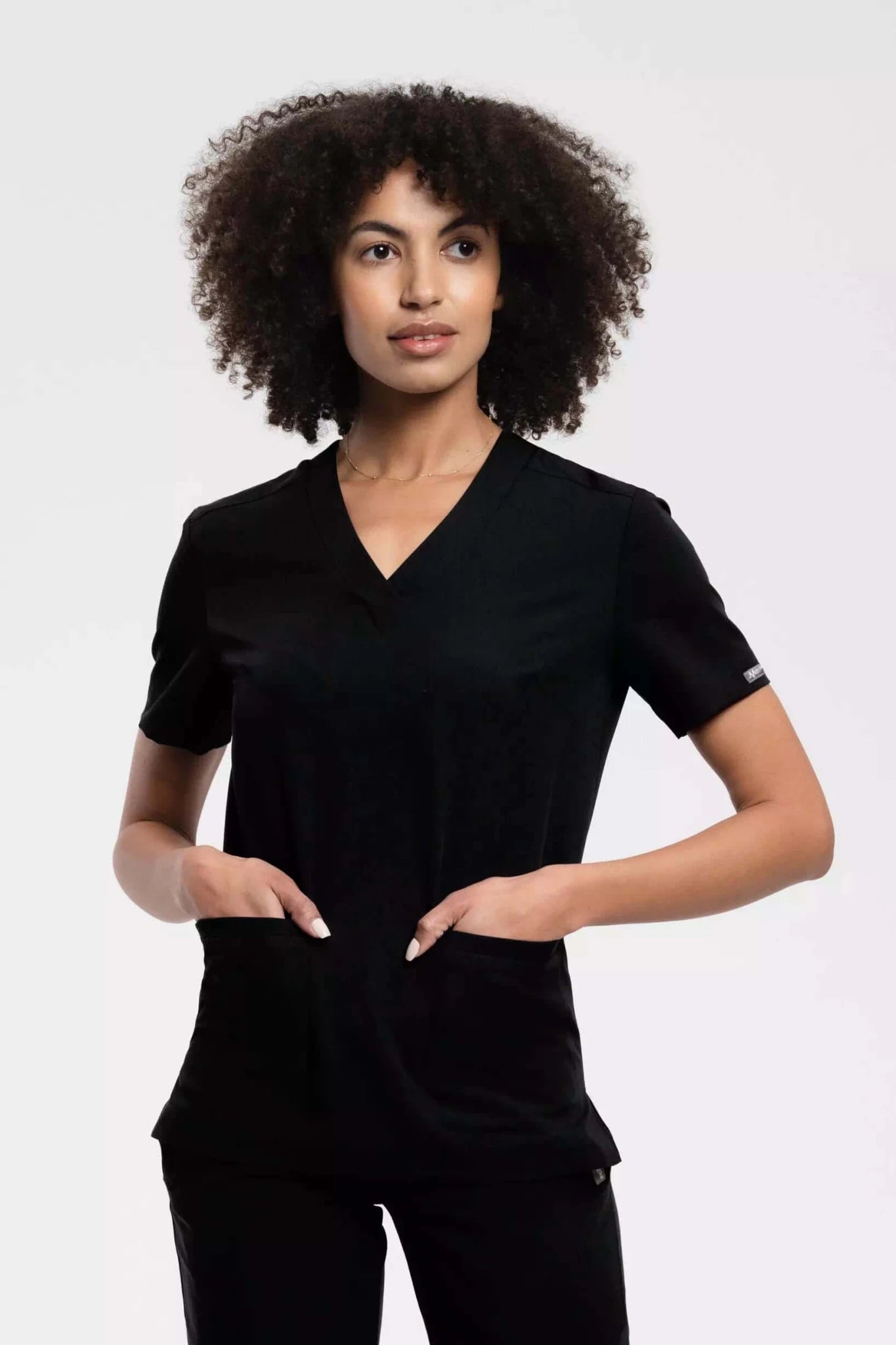
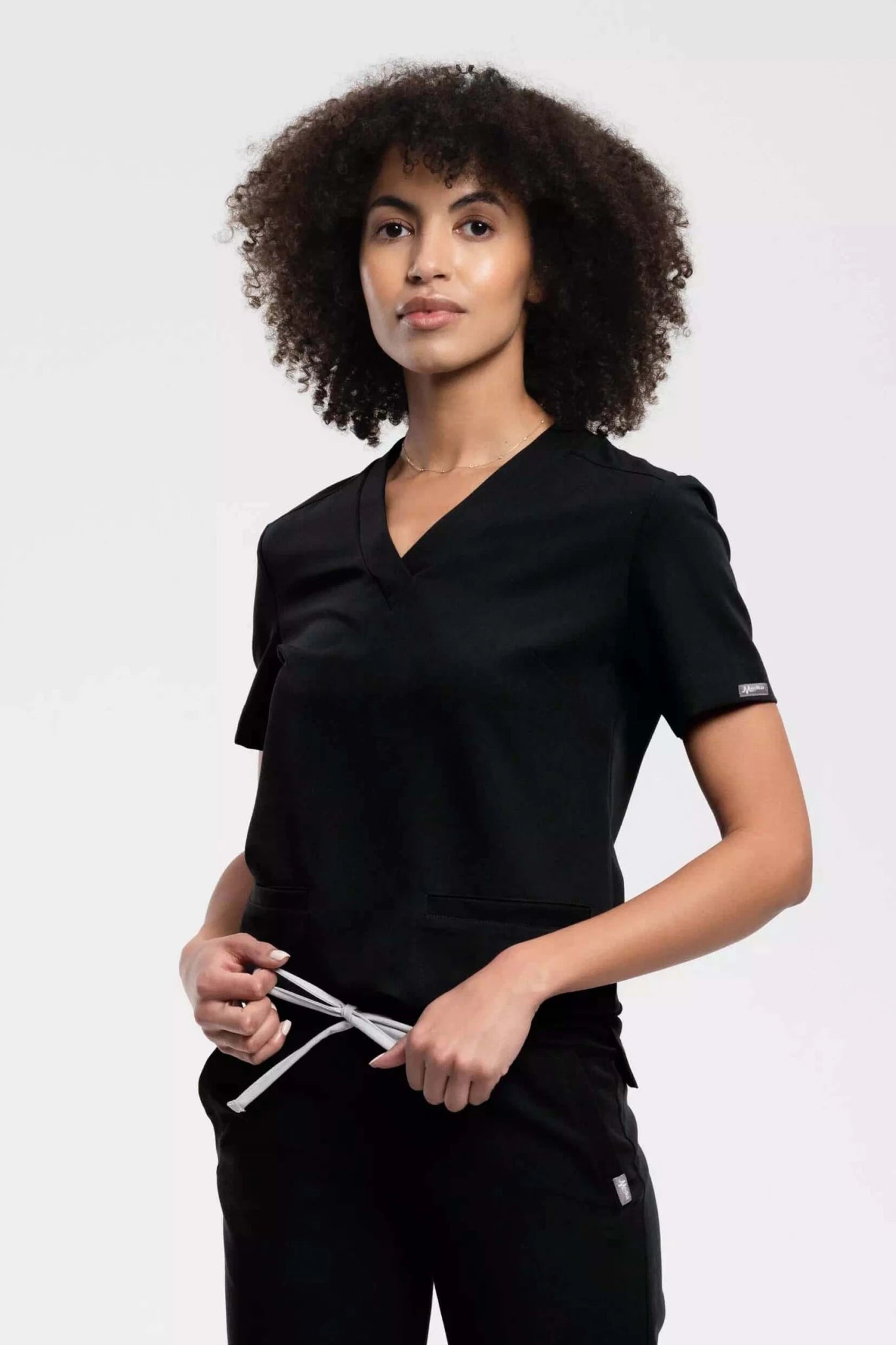
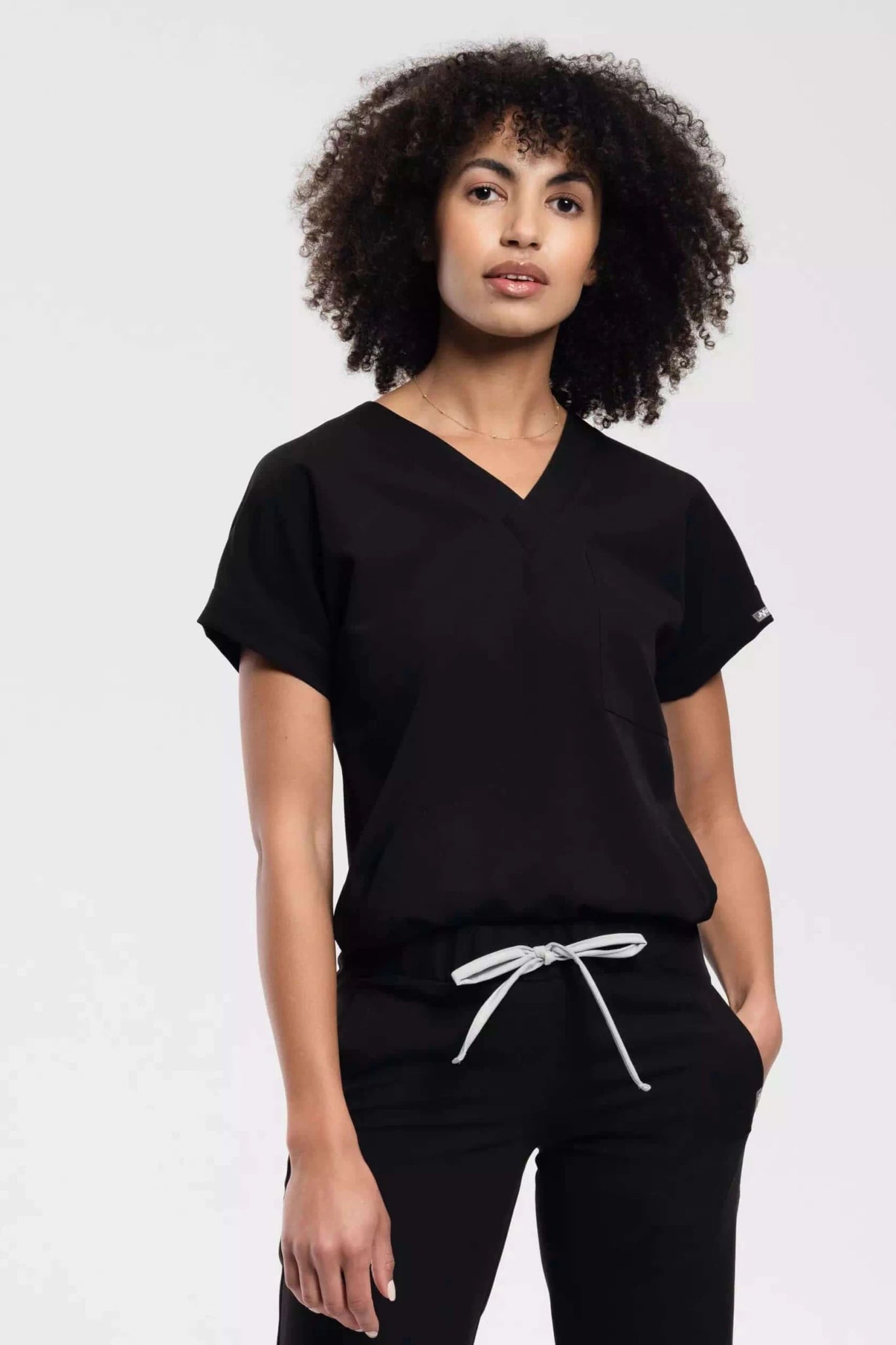
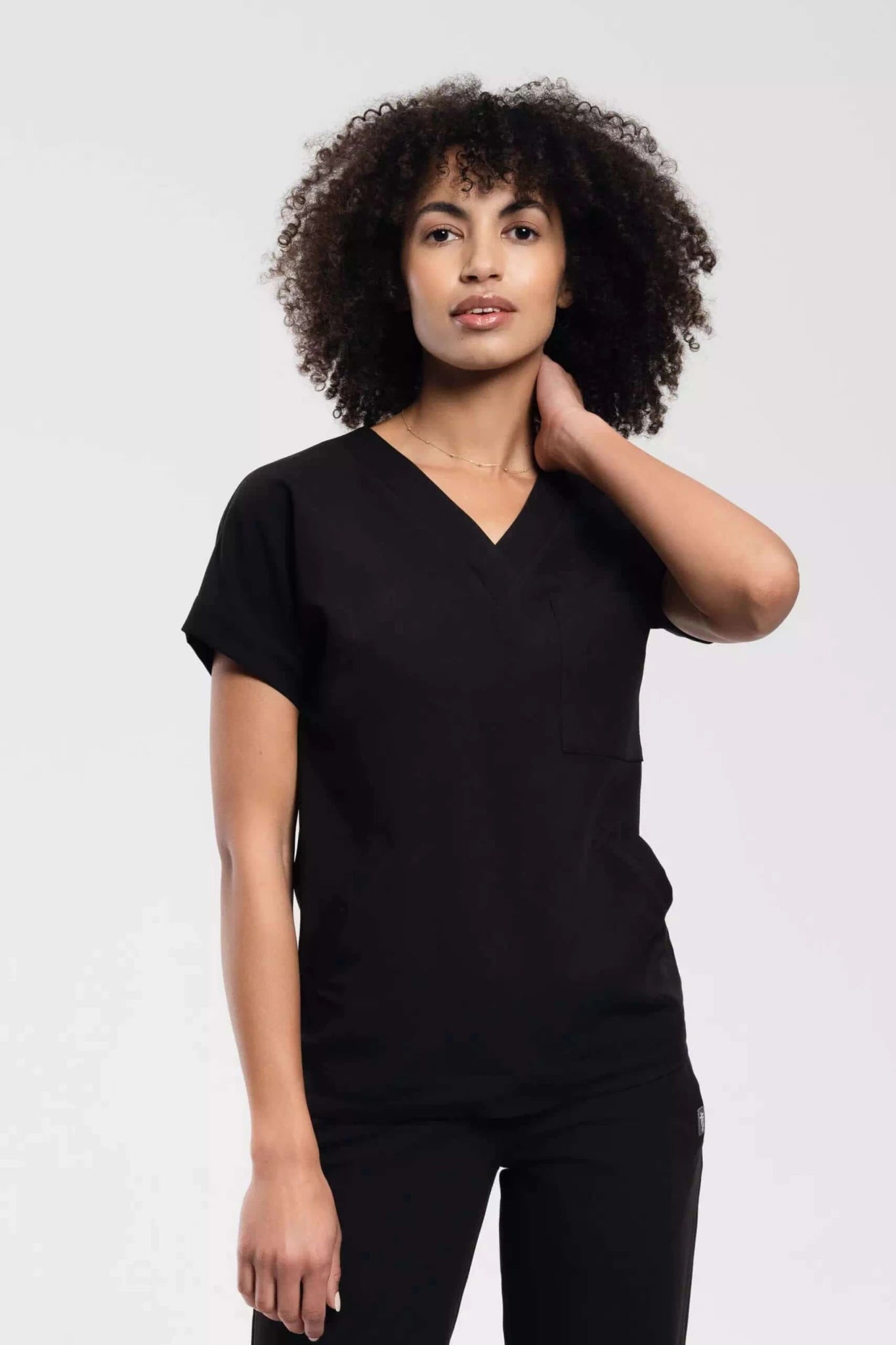
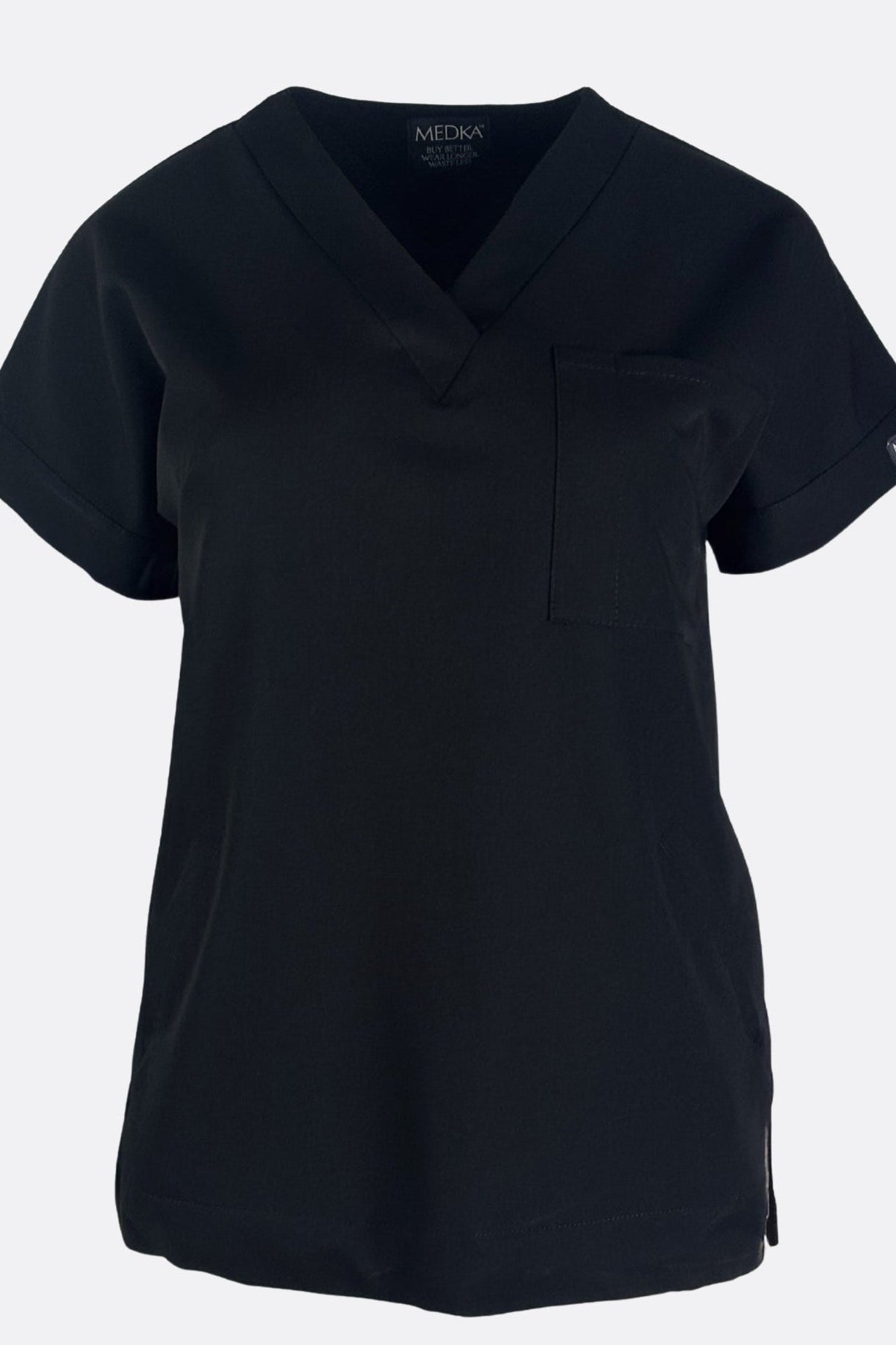
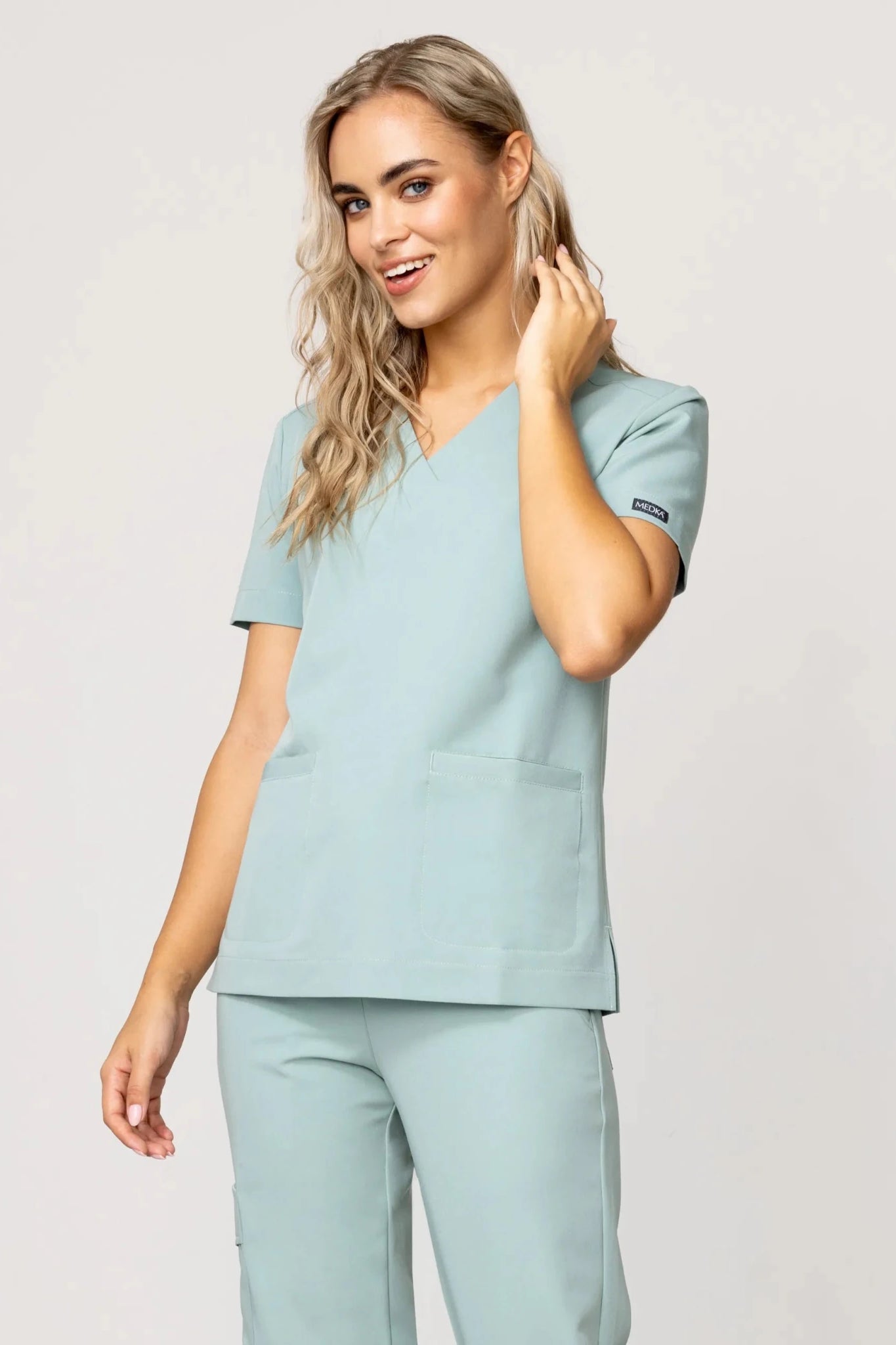
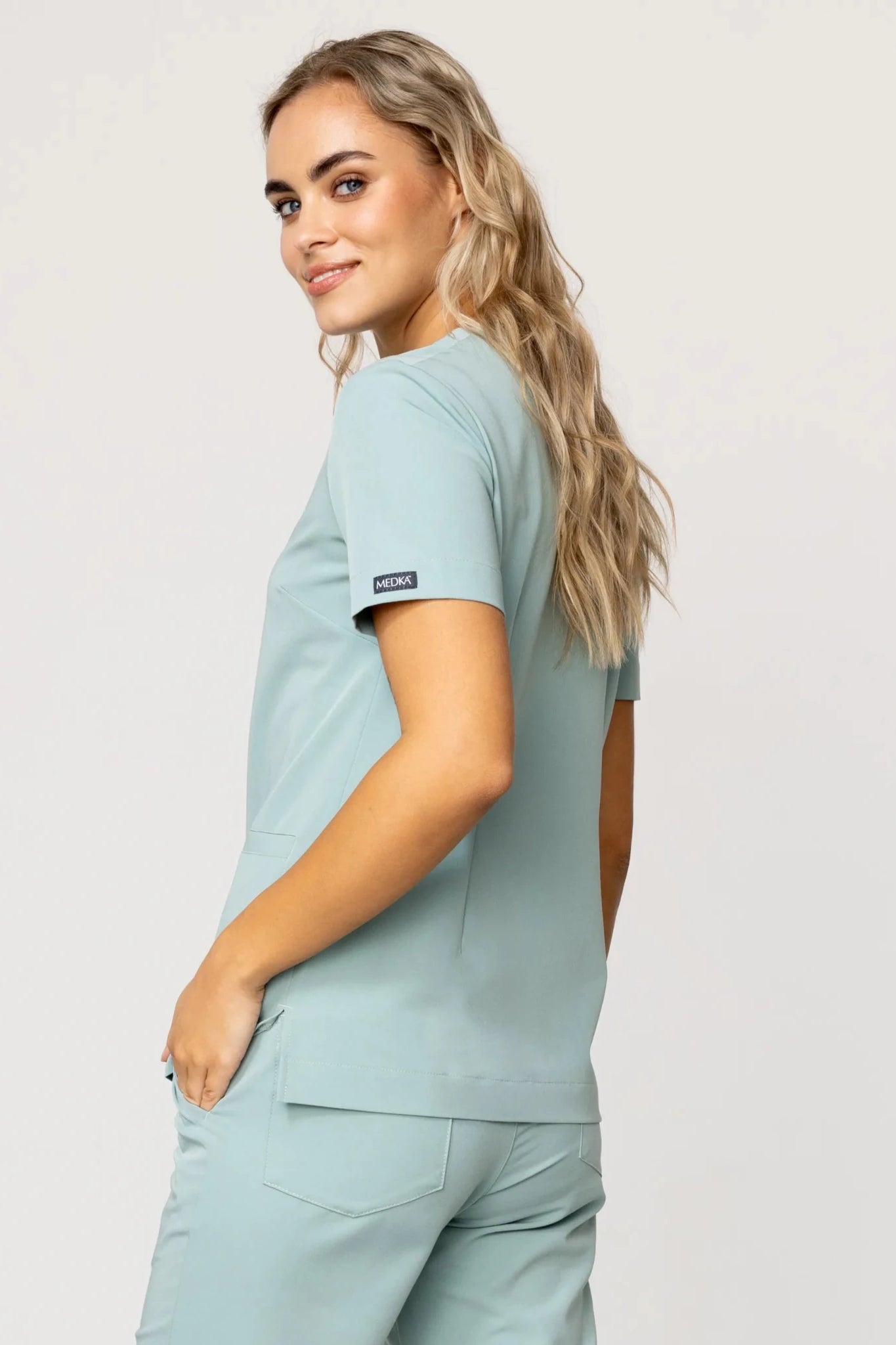
A medical coat in everyday use is that classic white (or colorful) gown with a front closure and pockets, worn by doctors, pharmacists, beauticians, veterinarians and clinic staff. His main tasks are quite mundane. It is supposed to protect the clothes underneath from getting dirty, provide space for a pen, phone and small equipment, and at the same time build a recognizable, orderly image of the profession. In an internist's office, a pharmacy or a beauty salon, this is enough, because the risk here is most often splashes, not contact with something dangerous.
The material of a typical medical gown is a mixture of cotton and polyester, sometimes with elastane added for a better fit. What matters is breathability, resistance to frequent washing at high temperatures and a decent appearance even after dozens of cycles in the washing machine. The cut is becoming more and more fitted, with a cinched waist in women's versions and significantly shorter than the classic lab coat. This medical clothing, which is supposed to be comfortable for many hours because you simply wear it the entire time you are on duty.
Importantly, the "office" version of the medical gown itself is usually not declared as a means of protection against a specific, measurable threat. It has a hygienic and professional function. The situation changes only when the same type of clothing goes to the operating theater or comes into contact with infectious material, because then it becomes subject to separate requirements, which I describe below.
What is a lab coat really for?
A laboratory coat in the strict sense is clothing worn in a chemical, biological, diagnostic or industrial laboratory, where there is a real risk of contact with a substance. And this is where the difference begins, which cannot be seen with the naked eye. In the laboratory, the apron has two directions of protection at once. On the one hand, it protects the laboratory technician against splashes of reagent, acid, solvent or biological material. On the other hand, it protects the samples and the experiment against external contamination, for example the operator's skin or hair.
That's why a good lab coat is sometimes longer, with a full fastening, sometimes with snaps instead of buttons (it's easier to tear it off in the event of a spill), and, in specialized variants, with additional sleeve covers. The material is selected according to the type of threat. In a "dry" workshop, where the risk is mainly dust and minor dirt, densely woven cotton or a blend is sufficient. Where corrosive substances are involved, impregnated fabrics or chemically resistant aprons are used. In areas with an explosive atmosphere or sensitive electronics, antistatic fabrics are used, and when there is a risk of contact with open flames, flame-retardant materials are used.
In other words, a "lab coat" is not one product, but an entire family of clothing, in which the white cotton coat of a biology student and the chemical-resistant coat of a pharmaceutical production worker lie at the opposite ends of the scale. What they have in common is the name and general style. It shares everything about protection.
Material and construction - where do the similarities end?
From a distance, both aprons look similar, so it's worth going down to the level of fabric and seams, because that's where the functional difference lies. Masculine or women's medical apron optimized for comfort and hygiene of wearing for many hours. Hence, thinner, breathable materials, soft grip, fitted cut and care to ensure that the fabric withstands washing well at 60 degrees or higher temperature, because disinfection by washing is standard in facilities.
The protective version of the lab coat goes in the opposite direction. What matters here is the barrier, not the airiness. The fabric is denser, sometimes with a coating to limit the absorption of liquids, the cut is looser and longer to cover more of the body, and details such as closed cuffs or a stand-up collar have a specific protective purpose, not an aesthetic one. The same element, for example a long sleeve, in a medical coat may be an image issue, while in a laboratory coat it is part of the safety function.
The table below organizes these differences into categories that actually influence the purchase.
| Feature | Medical apron (office) | Lab coat (protective) |
|---|---|---|
| Main function | Hygiene, protection of clothes, image | A barrier against a chemical or biological substance |
| Typical material | Cotton with polyester, sometimes elastane | Dense cotton, blends, impregnated or specialized fabrics |
| Length and cut | Shorter, fitted, comfortable | Longer, looser, covers more of the body |
| Clasp | Buttons, snaps, aesthetics | Snaps or buttons, quick removal when dousing |
| Protection direction | Mainly to protect the wearer of the clothes | Employee protection and sample protection |
| Certification requirement | Usually no protection declaration | Standard and marking often required if it is PPE |
The table is a conscious simplification, because there are borderline products on the market. But as a starting point for the decision, it reflects the essence of the matter: you buy one for comfort and order, the other for danger.
Standards and legal status, i.e. the difference that cannot be seen on the label
This is where it gets serious, because we are entering a field where a mistake does not end with discomfort. The legal status of these two aprons can be completely different and this is the aspect that is easiest to miss when purchasing online. An ordinary medical gown worn in the office often functions simply as professional clothing, without any declaration of protection against a specific hazard. A laboratory coat, if it is to actually protect against chemicals or an infectious agent, falls into the category of personal protective equipment and is subject to EU Regulation 2016/425 (PPE). Then it must have the CE marking, a declaration of conformity and an assigned risk category.
The basic standard for protective clothing is EN ISO 13688, which specifies general requirements for ergonomics, harmlessness of the material, labeling and information from the manufacturer. This is the framework on which detailed standards are built. For protection against liquid chemicals with a limited risk of splashing, EN 13034 is used, i.e. type 6 clothing, and in the variant of partial body protection (which includes laboratory coats and aprons) the type PB marking is used[6]. Where infectious agents are a threat, the EN 14126 standard for resistance to the penetration of microorganisms comes into play. In electrostatic hazardous areas, the requirements of the EN 1149 series appear, and in the case of fire risk, flame-retardant clothing with separate certificates.
A separate case is the apron used for medical procedures, for example surgical procedures. Here, instead of the logic of protection against chemicals, the logic of a medical device appears and the EN 13795 standard for surgical drapes and gowns appears, and the product itself may be subject to the regulations on medical devices (Regulation 2017/745). This shows how paths diverge: the same seemingly white coat can sometimes be ordinary clothing, sometimes personal protective equipment, and sometimes a medical device, depending on where and against what it is intended to protect. The legal status described above is current as of June 2026.
The practical conclusion is that if you work with hazardous substances or infectious material, the name "lab coat" on the product card does not guarantee you anything. What matters is whether the manufacturer declares compliance with the appropriate standard and what PPE category it assigns to the product. The white color and style of the smock itself do not indicate anything other than appearance.
When is a medical coat enough and when do you need a lab coat?
Most purchasing mistakes come from confusing the work environment with the level of risk. White walls and diagnostic equipment don't automatically mean you need protective gear, and the lack of a lab doesn't mean you'll never need it. What determines is the specific risk at the position, not the sign on the door.
In a family doctor's office, in a pharmacy, at the reception desk of a clinic, in a beauty salon or during most nursing activities where there is no contact with aggressive chemicals, a good men's medical coat. Here, the priority is comfort, hygiene and appearance, and excess "protection" in the form of heavy, stuffy fabric only worsens working conditions. On the other hand, in a chemical laboratory, in laboratory diagnostics with contact with blood and secretions, in pharmaceutical production or when working with corrosive reagents, a light cotton smock gives a false sense of security. It looks professional and won't stop acid splashes.
There is also a third, most often overlooked situation: mixed environments. A laboratory diagnostician spends part of the day at a desk and computer, and part of the day at the station with biological material. At one moment the nurse writes a referral, at another moment she draws blood. In such cases, it may be wise to separate the wardrobe: a comfortable apron or medical suit for administrative activities and contact with patients, and a separate protective apron with an appropriate certificate for work where there is a real risk. This costs more, but eliminates the temptation of "one apron fits all," which doesn't work well for any role.
So for whom does a protective lab coat make NO sense? For most office, beauty and administrative staff. Paying for chemical resistance and carrying heavier fabric for eight hours when the only risk is a coffee stain is style over substance. Conversely, for whom is a regular medical gown NOT enough? For anyone who actually comes into contact with a substance that may damage their skin or health.
Example from practice: two purchases, two effects
This is best seen in a specific situation. Let's imagine two people starting work at approximately the same time. The first is a cosmetologist who opens her own office, the second is a graduate of natural sciences who goes to an analytical laboratory working with reagents.
The beautician buys a classic medical apron made of a mixture of cotton and elastane, fitted, in a calm color that matches the interior of the office. It's a good choice. The risk is splashing with the preparation, contact with the cosmetic or soiling the clothes, not contact with a corrosive substance. The light, breathable material works well all day long, withstands washing well, and the appearance builds a professional image towards clients. If she bought a heavy chemical-resistant apron, she would overpay and suffer in stuffy fabric with no real safety gain.
The graduate student in the lab initially thinks the same way. She's tempted by a nice, light white coat from the same store because "it's a lab coat," is how the product is described. The problem is that solvents and acids appear in low concentrations at her workplace, and the described gown does not have any declaration of compliance with the chemical standard. With the first major splash, it turns out that the cotton absorbs the liquid instead of draining it away, and the buttoned apron is difficult to take off quickly. The right choice was an apron with type declaration PB[6] according to EN 13034, longer, with snaps, made of material that limits seepage. The difference in price was small, but the difference in impact could be significant.
The moral is simple and inconvenient at the same time: the name of the product in the store is not enough. The first person did well to follow comfort because their risk was low. The second one made the classic mistake of mistaking aesthetics for protection. The same word "laboratory" meant something different in both minds than it actually meant as a workplace.
Care and replacement, because this is also what differentiates both aprons
The way of caring for an apron results directly from its function, so it is worth treating it separately for each type. Medical aprons are washed frequently, at high temperatures, treating washing as an element of hygiene. Fabrics are selected so that they can withstand many cycles without losing their shape and color, although after a long period of intensive use it is still worth replacing it with a new one, because the material wears out and the image of a worn smock is detrimental.
A protective lab coat has a different logic. Here, washing and maintenance must take into account the preservation of protective properties. Some chemical-resistant or impregnated aprons lose their effectiveness after a certain number of washes or after washing in inappropriate conditions, and the manufacturer usually provides acceptable maintenance methods in the instructions attached to the PPE product. Ignoring this instruction means that the apron looks protective when it actually is not. Clothing contaminated with a hazardous substance also involves safe washing or disposal procedures, which are not available in the case of an ordinary smock.
This is another reason why it is not worth treating both aprons interchangeably. They differ not only in how they protect, but also in how long they retain their properties and what should be done with them after contact with a threat.
It's time to close the topic. The difference between a medical coat and a lab coat isn't down to the length of the sleeve or the shade of white. It's a difference in function: one is supposed to protect clothes and organize the image, the other is supposed to be a barrier against a specific threat. Everything else results from this function, i.e. material, cut, standards and legal status. If you work where the risk is at best a stain, choose a medical gown based on comfort and appearance. If you come into contact with chemicals or infectious materials, do not rely on the name on the product card, but check the declared standard and category of PPE. And if your day is split between a desk and a high-risk work station, the fairest solution to your safety is to simply have two different aprons.
Frequently asked questions:
Below I have collected short, specific answers to the most frequently asked questions when choosing between a medical and laboratory coat. They are intended to help quickly resolve doubts that do not always fit into one rule.
Is a white coat the same as a lab coat? Not always. A white coat is a colloquial term for style, not function. It can be ordinary professional clothing without protective properties or a protective apron with a certificate. What a given smock really is is determined by the manufacturer's declaration and standard, not the color and cut alone.
How do you know if an apron has real protective properties? After CE marking as personal protective equipment, a declaration of conformity and a given standard, for example EN 13034 for protection against liquid chemicals or EN 14126 for infectious agents. If none of this information is included on the product card, it should be assumed that it is professional clothing without declared protection.
Is a disposable non-woven apron a laboratory coat? This is a separate category. Disposable non-woven aprons are convenient for procedures and where quick replacement and minimizing contact are important, but their level of protection depends on the specific product and approval. They do not automatically replace a reusable chemical-resistant apron when working with aggressive substances.
What kind of apron is suitable for a medical or science student? For clinical activities and contact with patients, a classic medical coat made of good cotton or a cotton blend is usually sufficient. For laboratory classes involving reagents, it is worth checking the university's requirements, because some laboratories require an apron with specific properties. If in doubt, it is better to ask the instructor than to rely solely on the name of the product.
Can I wear one coat in both the office and the laboratory? If you don't encounter a real chemical or biological threat in any of these places, one good medical gown may be enough. When contact with a dangerous substance occurs in at least one role, separating the wardrobe is safer, because one apron rarely performs two different tasks well at the same time.
What color should a lab coat be? White is often chosen in studios because dirt or splashes of substances are immediately visible on light-colored material, which allows you to react quickly. However, the color does not affect the protective properties, so it is not a criterion of safety, but of practicality and readability of contamination.