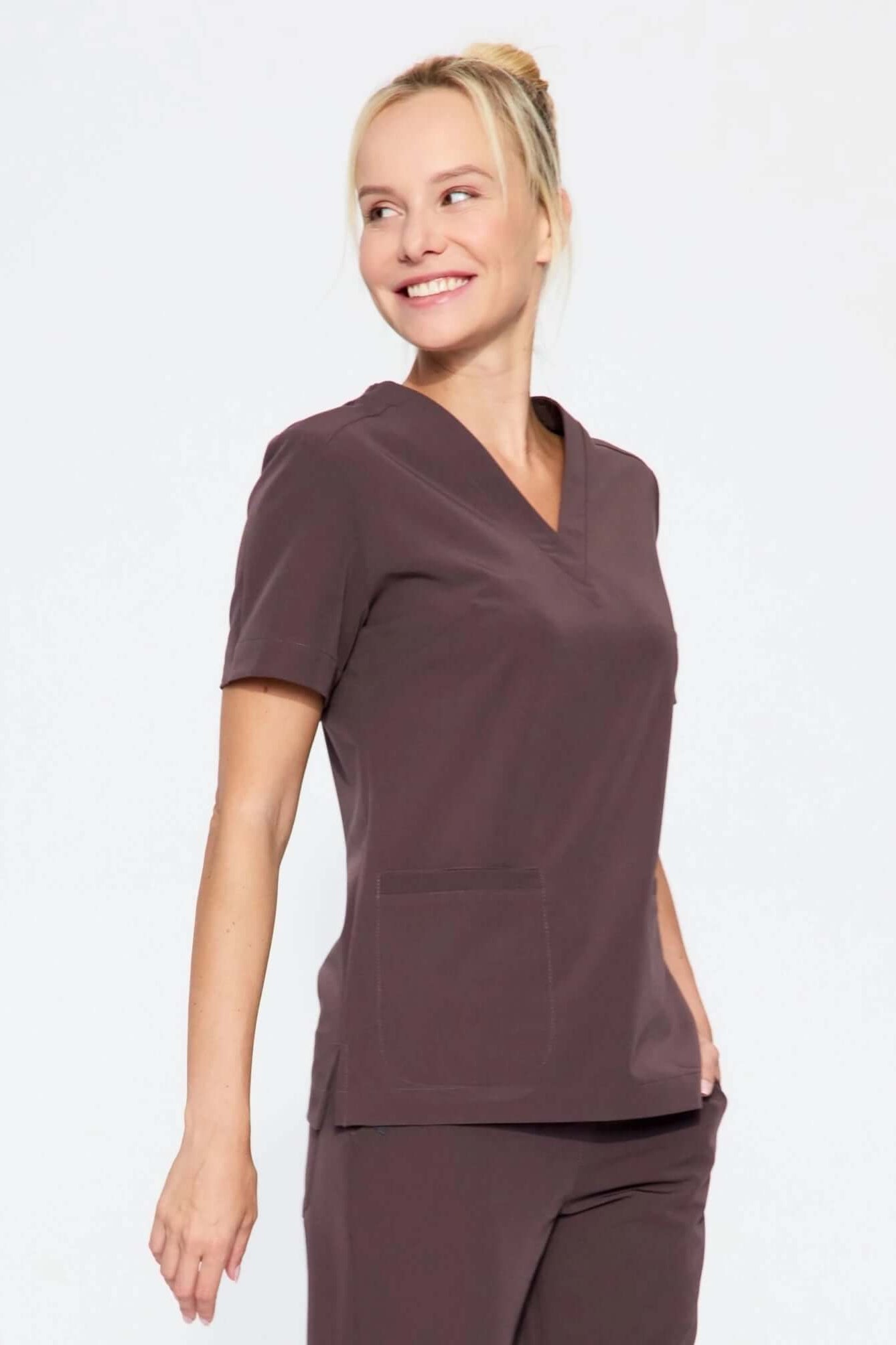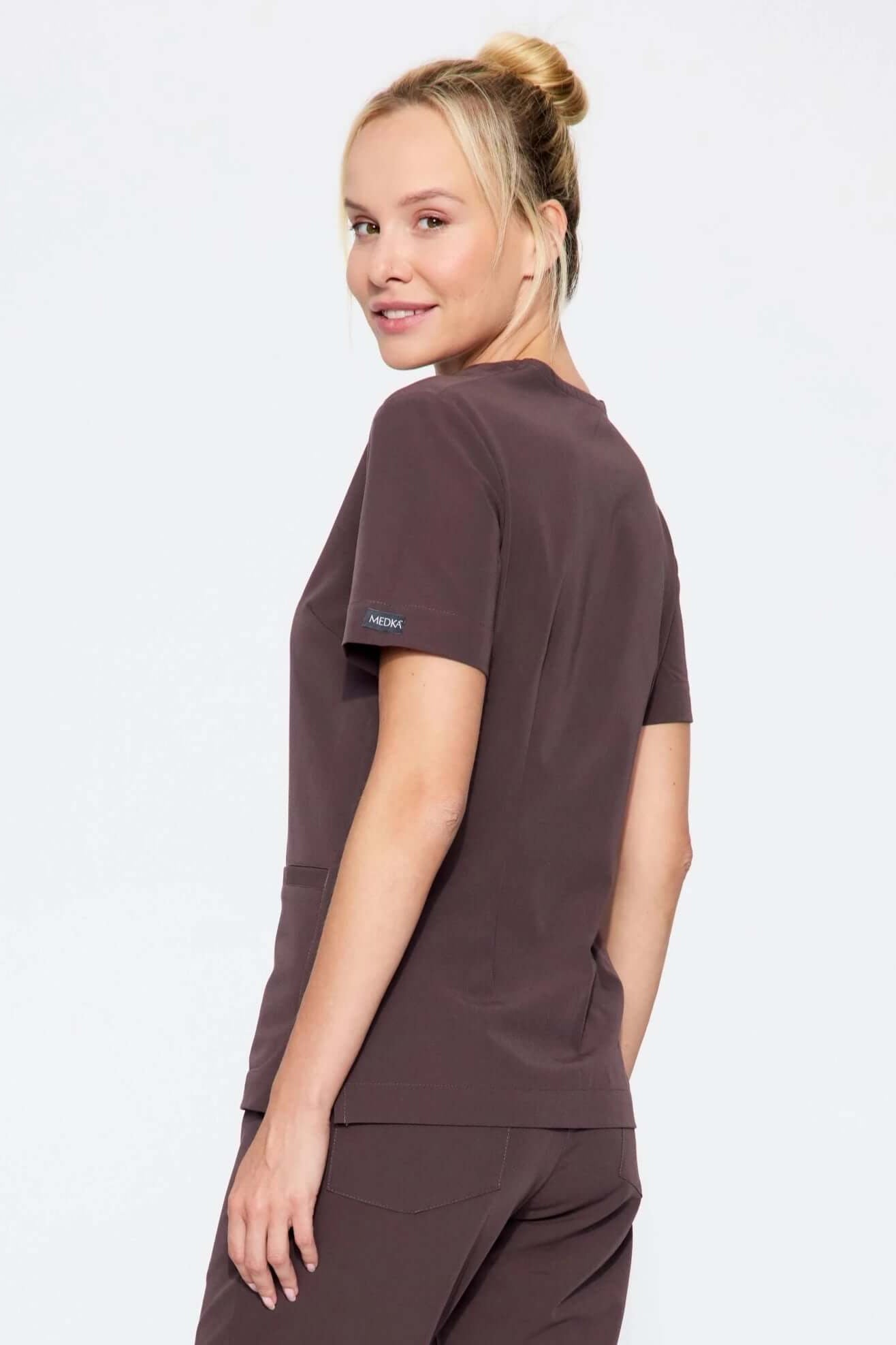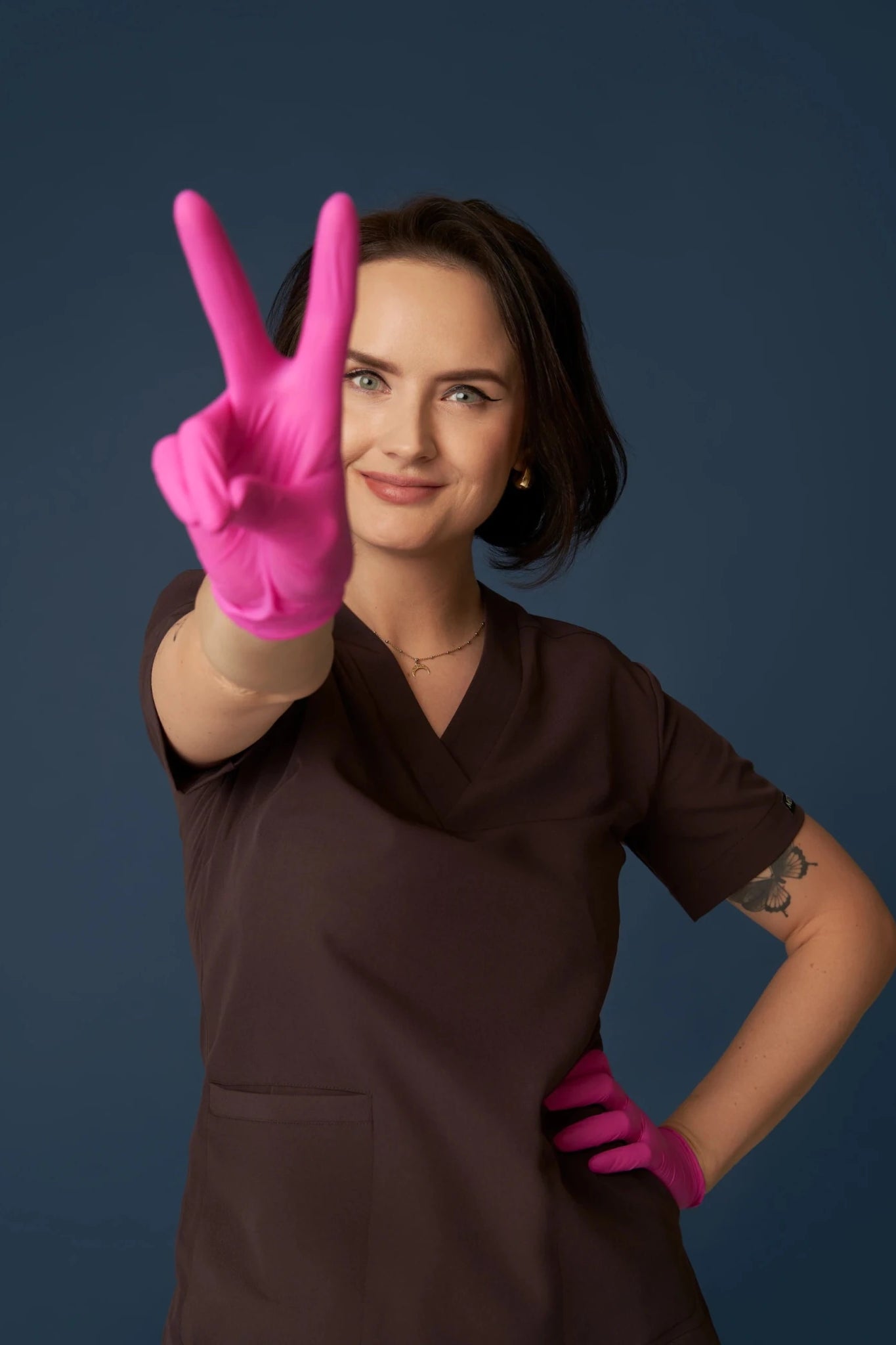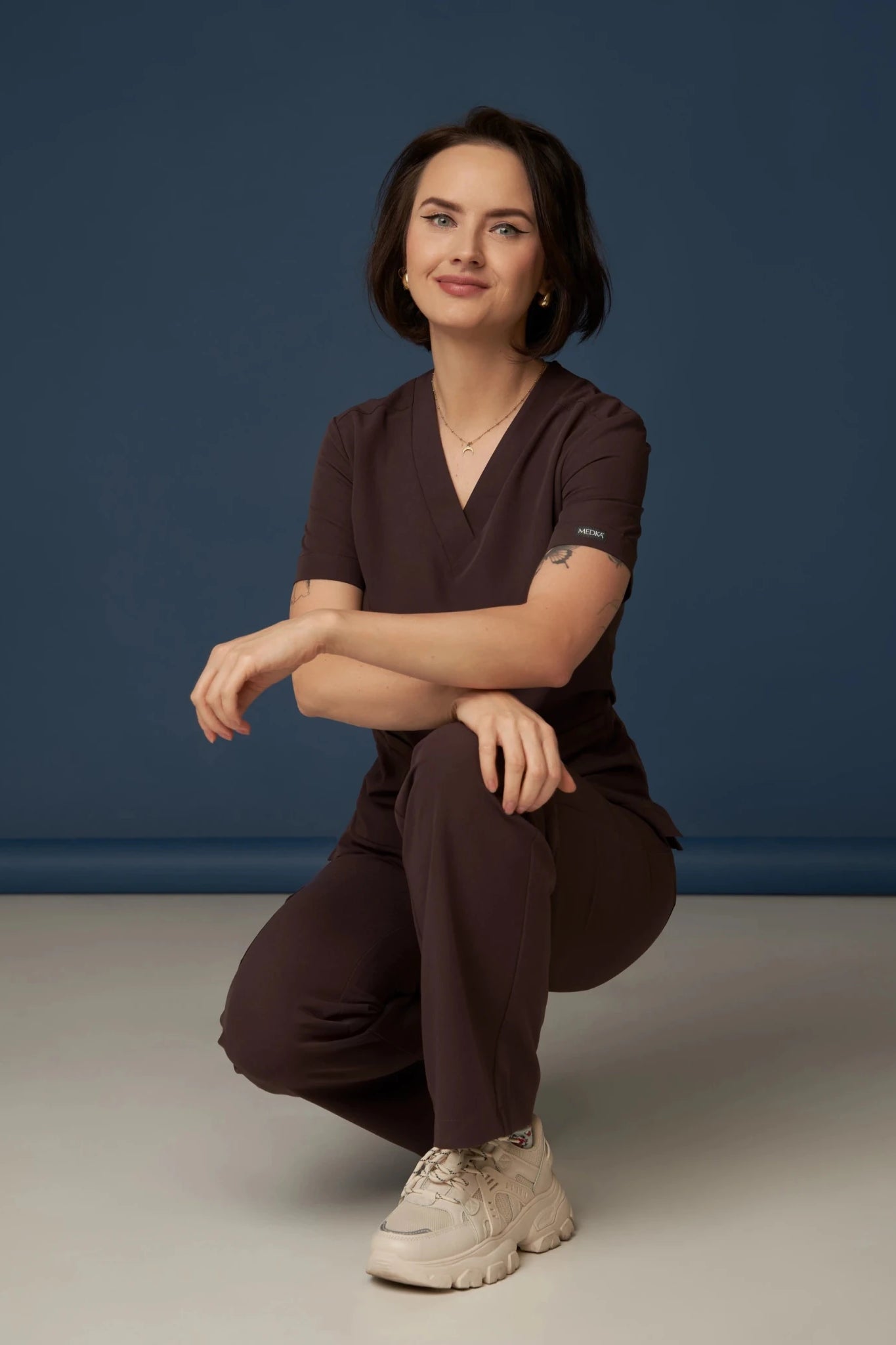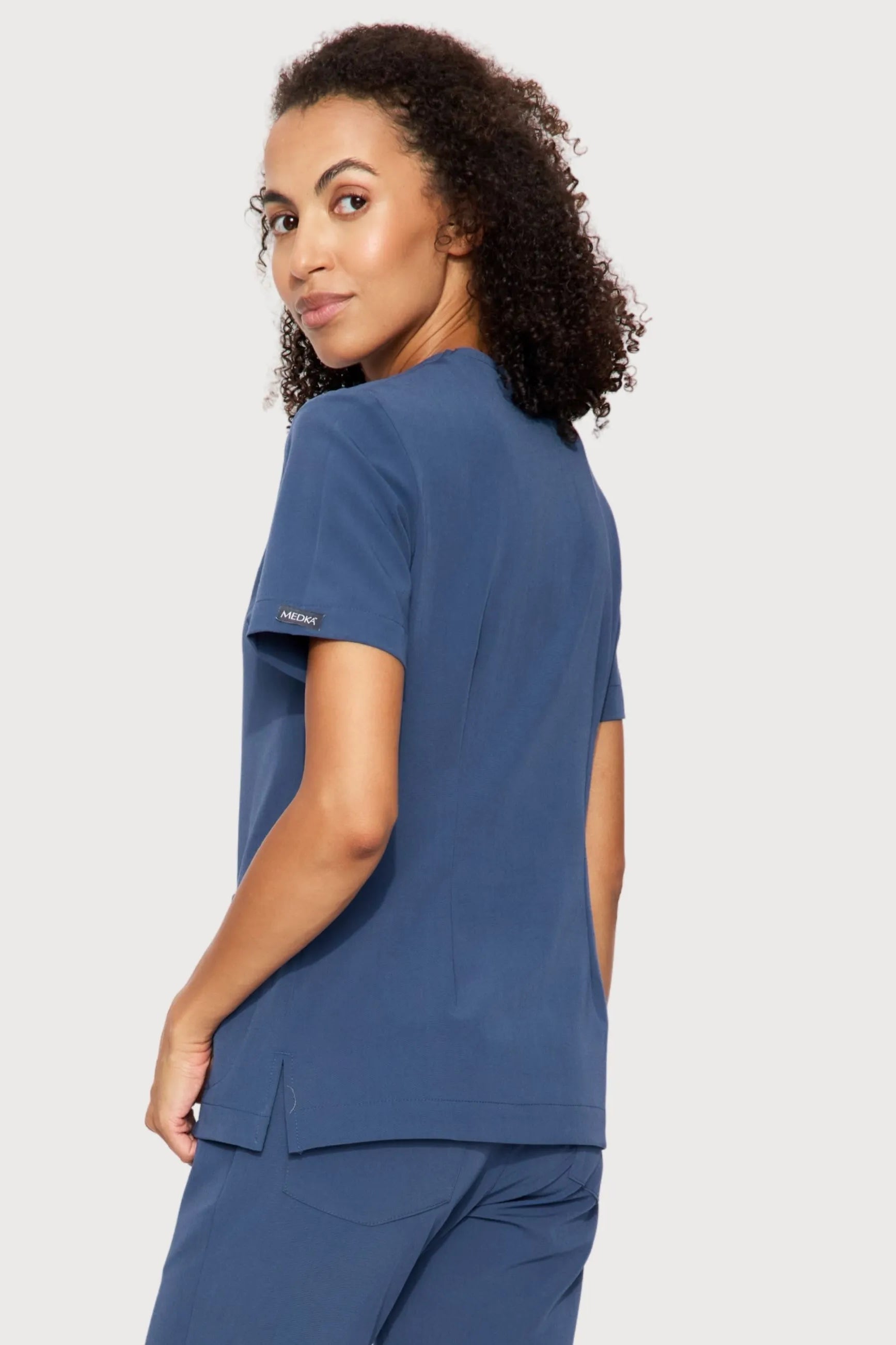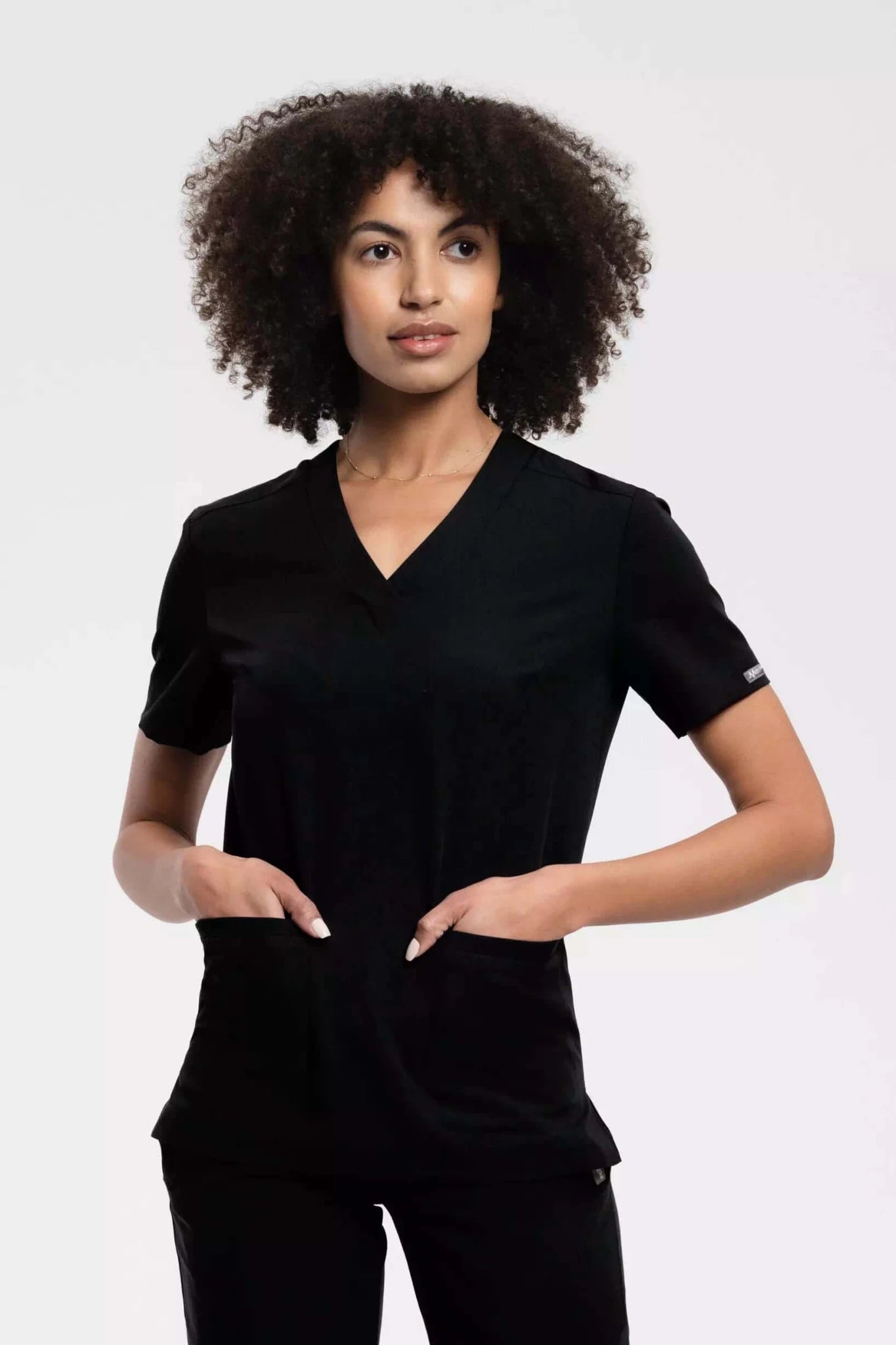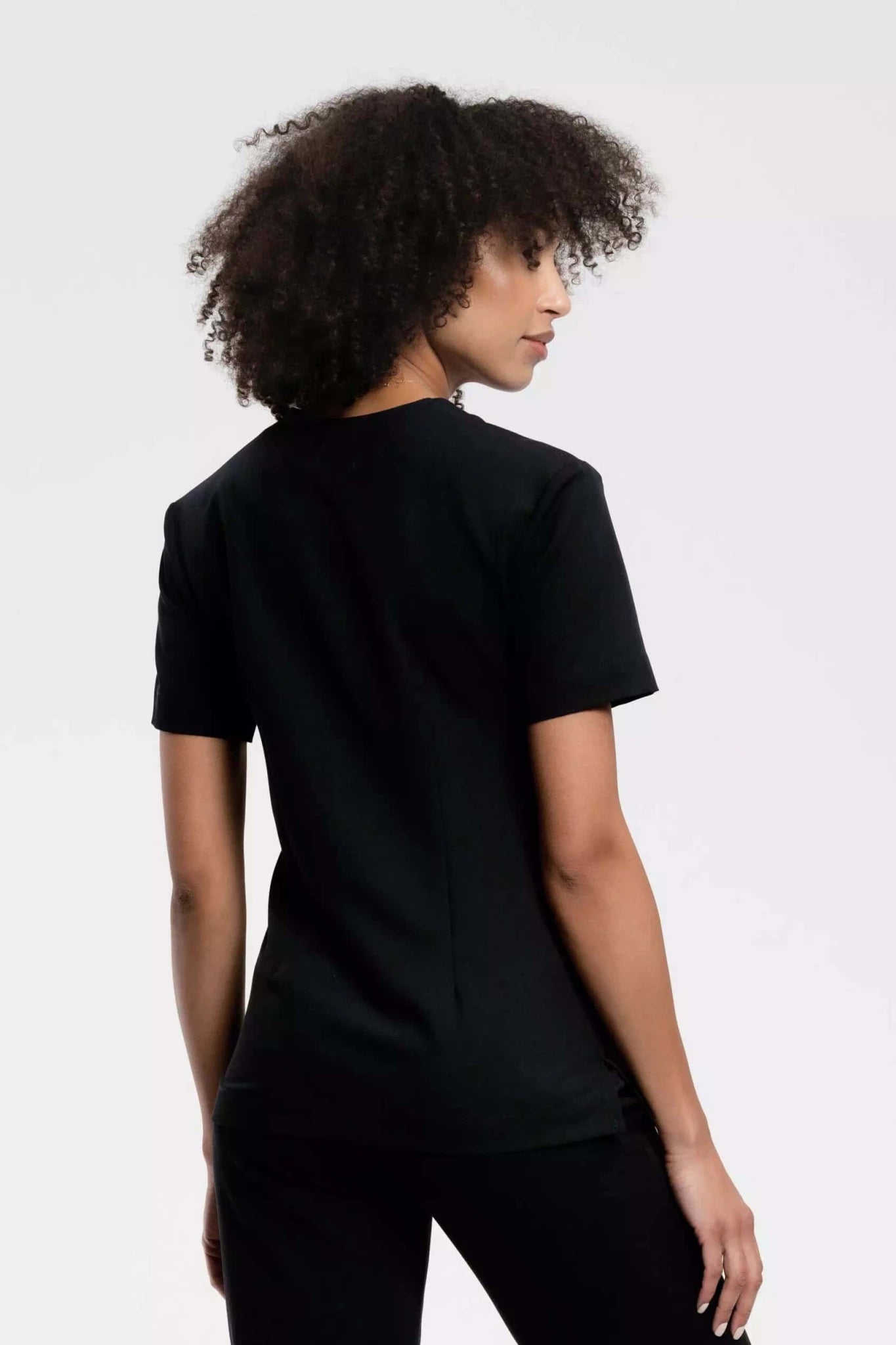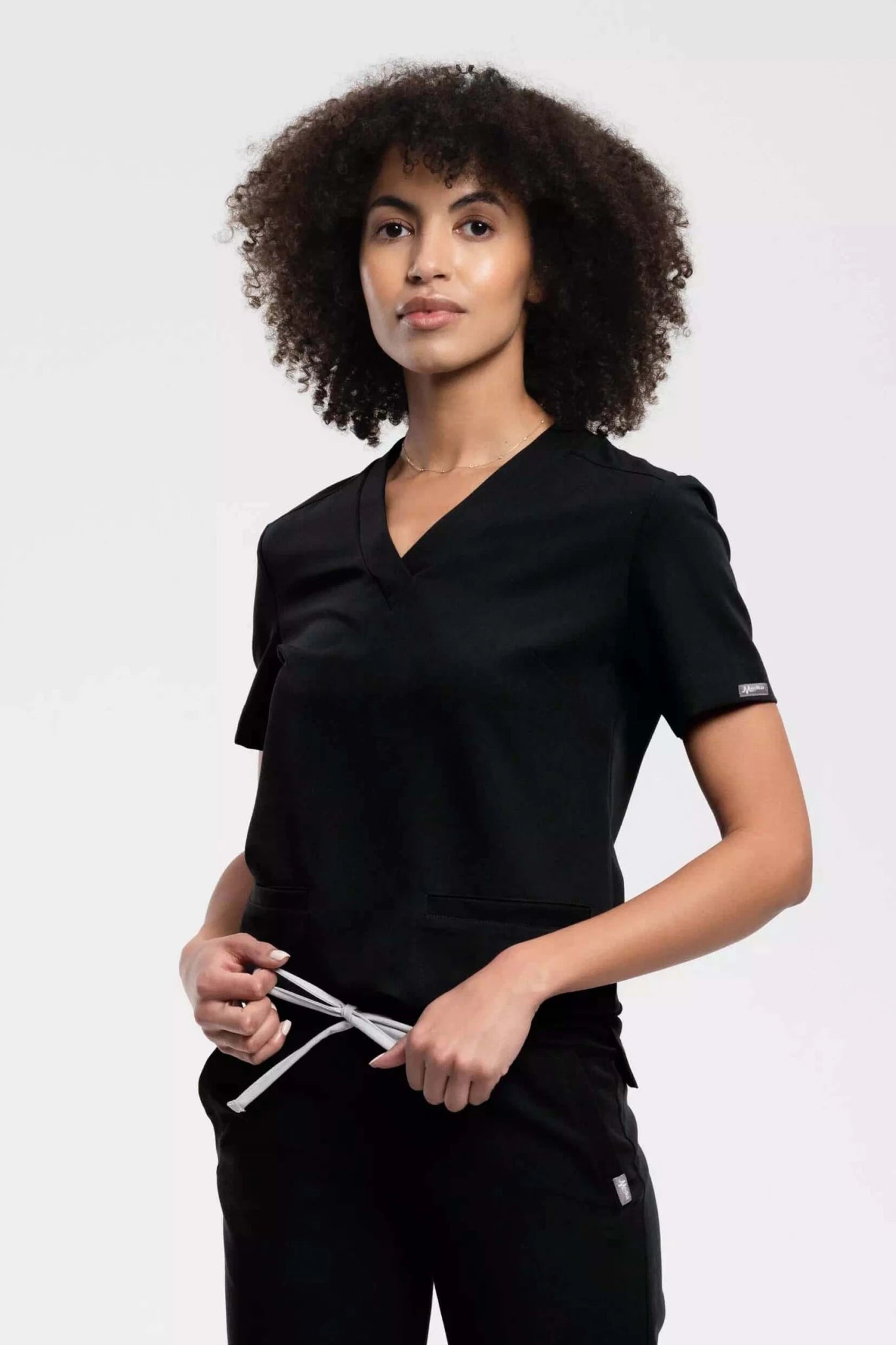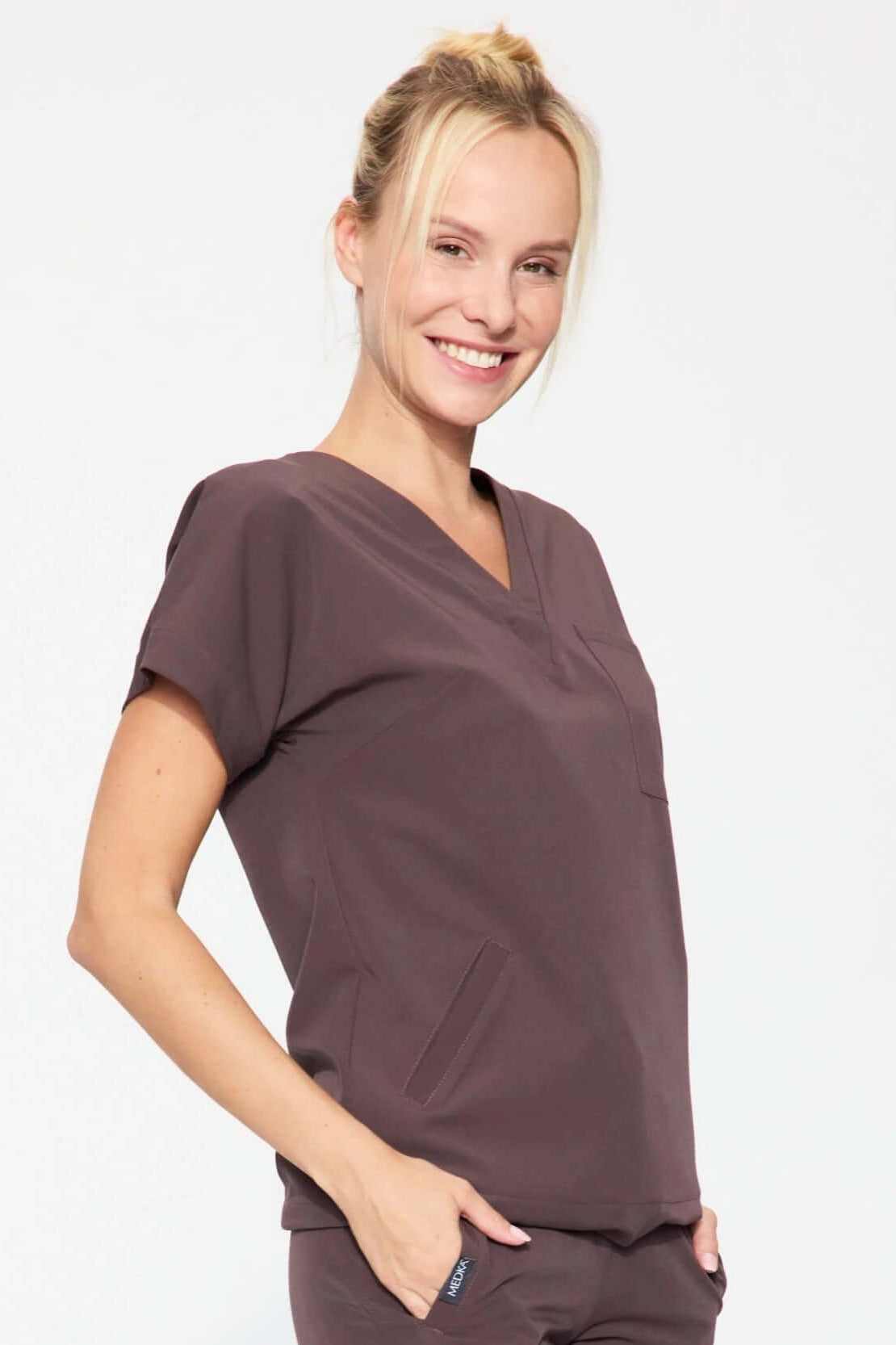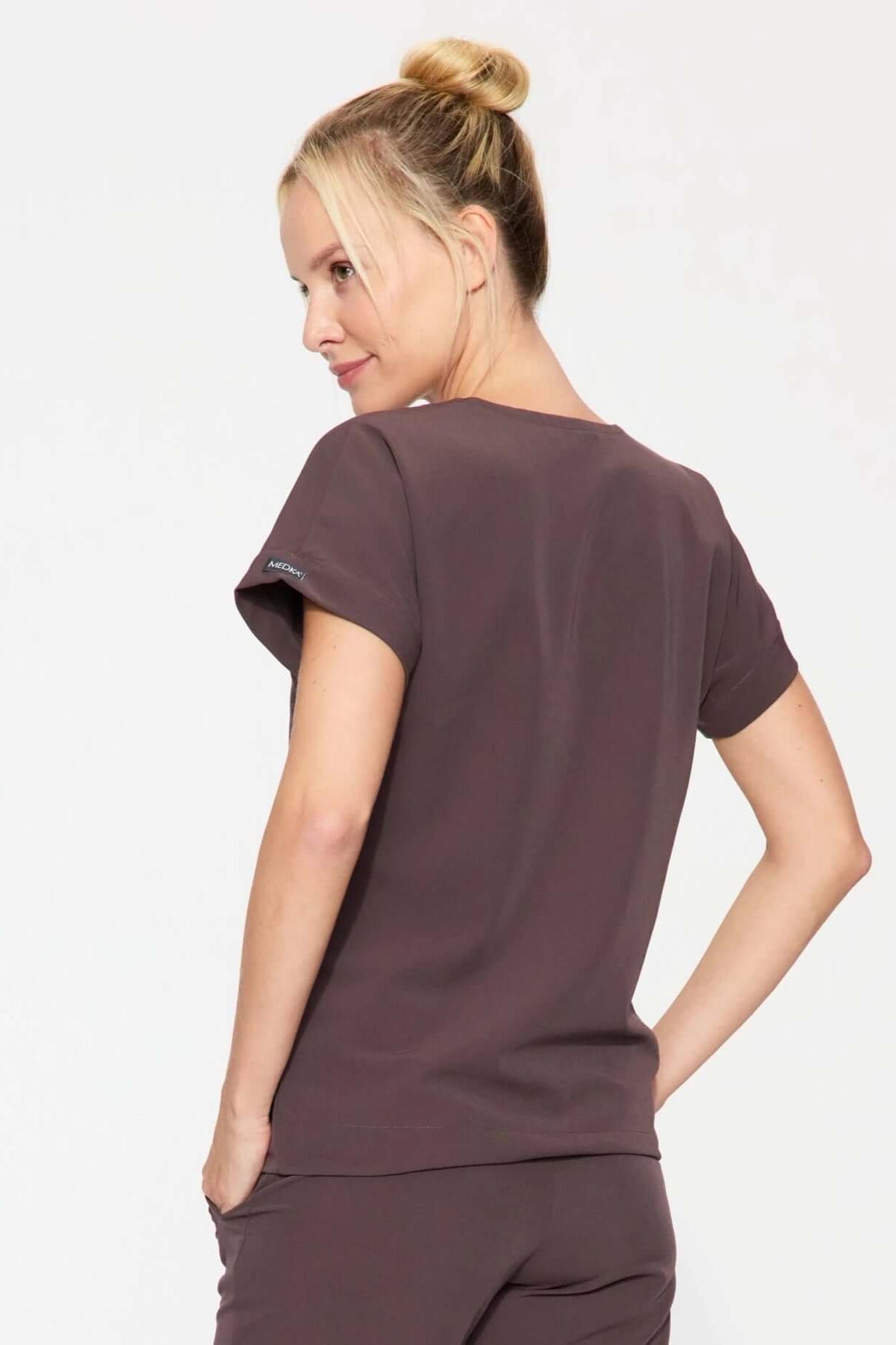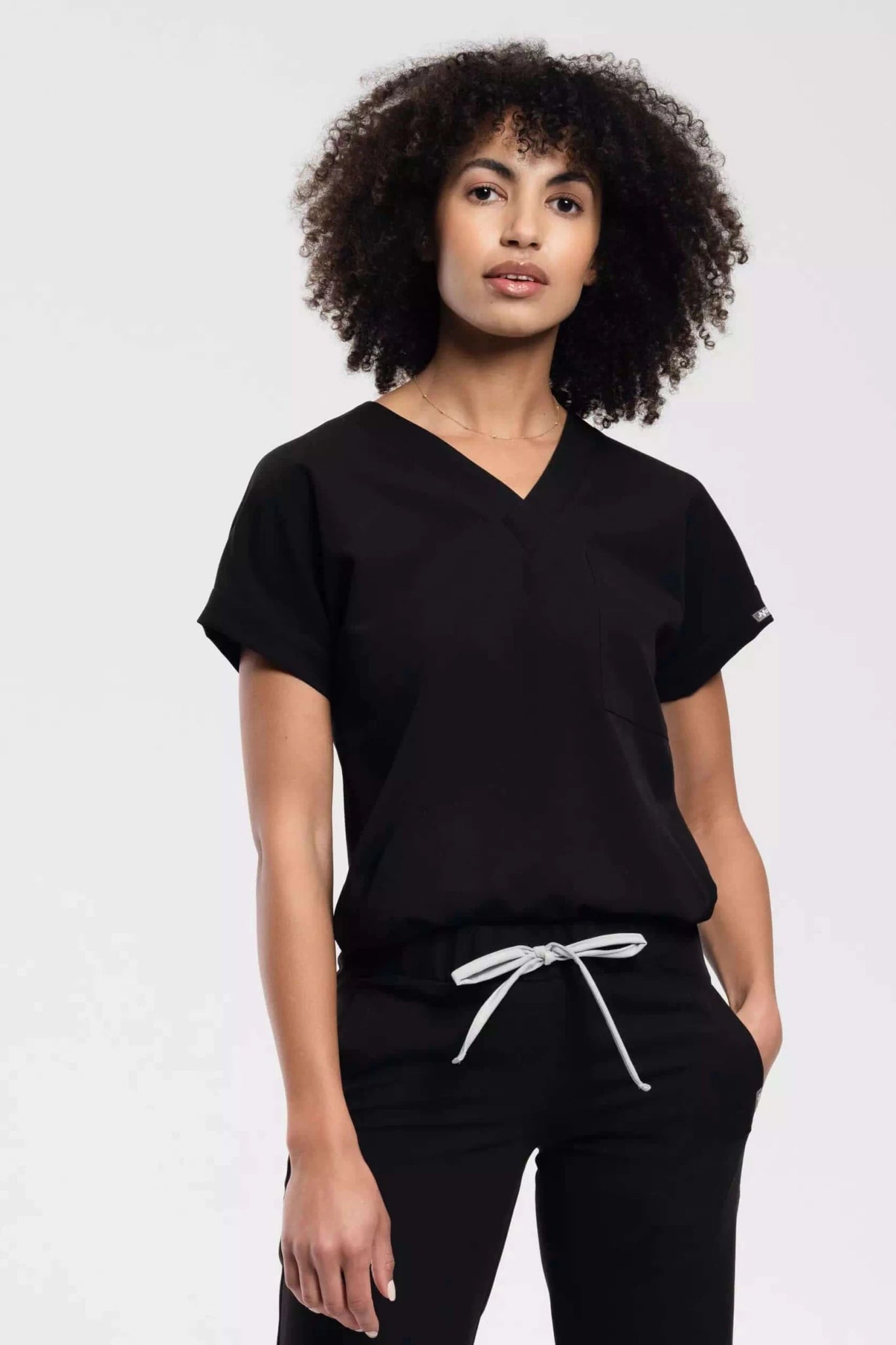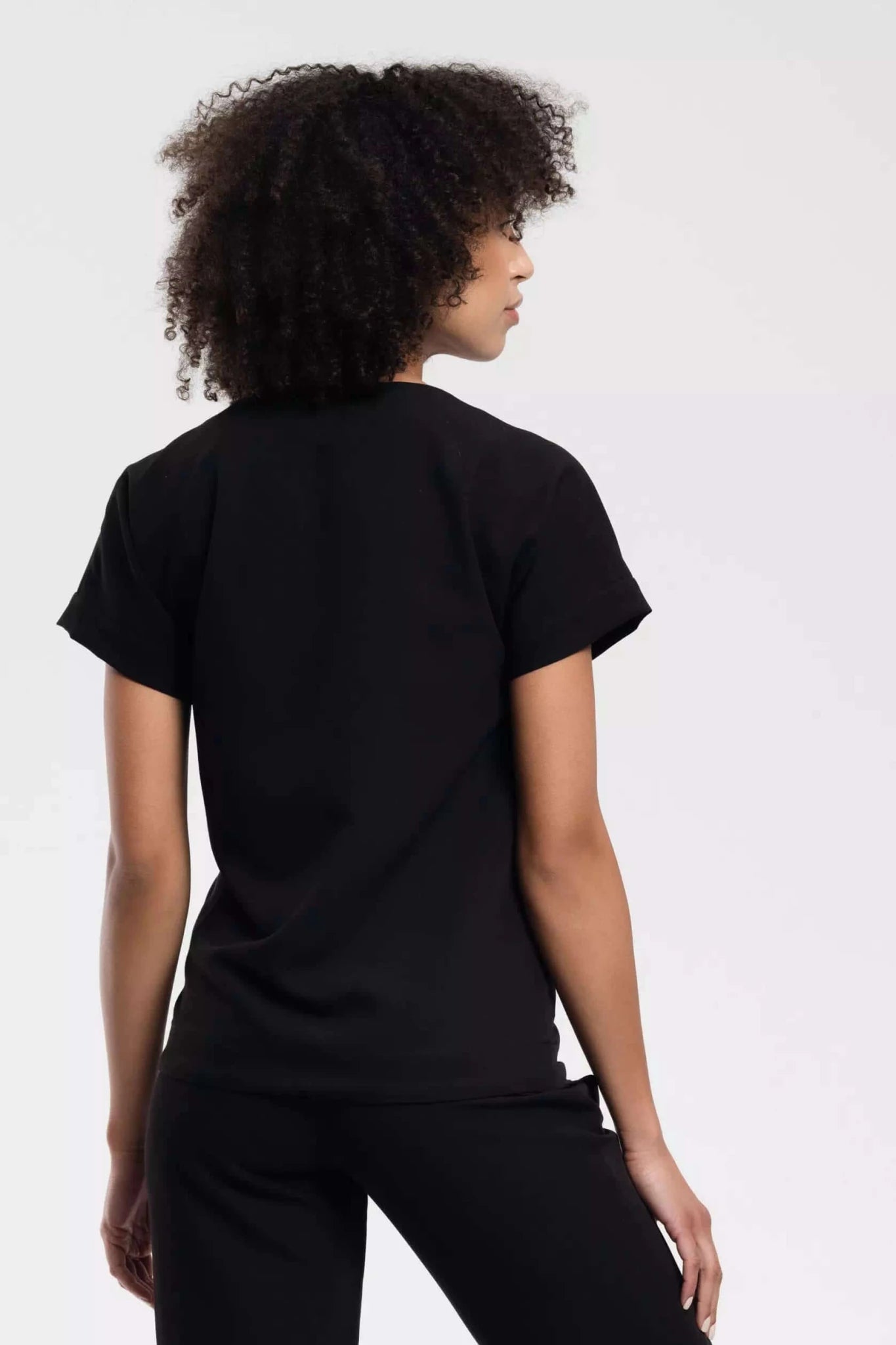





In summer, even a well-known uniform can start to interfere with work. High temperature, intense movement, contact with a patient or client, and long hours of duty mean that medical clothing should work differently than in the colder months. What matters is not only aesthetics, but primarily whether the material allows the skin to breathe, whether the cut does not restrict movement and whether the clothes maintain a neat appearance despite the pace of work. This applies to both medical staff and people working in cosmetology, veterinary and physiotherapy offices. Summer medical clothing should support everyday work, not add another level of discomfort.
Why is the choice of medical clothing even more important in summer?
In the summer, the body heats up faster, and long hours spent on the move show more clearly whether the uniform has been chosen well. What seems neutral in winter may turn out to be too heavy, too stiff or too airy on hot days. In practice, this means not only less comfort, but also greater irritability, difficulty in keeping the outfit looking fresh and a feeling of fatigue that appears more quickly.
In the medical, beauty and veterinary professions, it is simply impossible to dress lighter in the colloquial sense of the word. The outfit must still look professional, allow you to work freely and be adapted to the realities of the position. Therefore, in the summer, features such as the lightness of the material, air flow, fabric elasticity and a cut that does not hug the body with every movement become more important.
The way clothing fits the body when bending, reaching, raising hands or repeatedly moving between stations is also important. High temperature increases the feeling of stiffness and pressure. Even minor inconveniences that are barely noticeable in the off-season quickly become tiring in the summer. A well-chosen uniform helps you not only survive the shift in greater comfort, but also maintain a professional, orderly appearance throughout the day.
What features should summer medical clothing have?
The most important criterion is breathable material. It's not just about the fabric being thin, but also about it working well in contact with the skin and not retaining excessive heat. In practice, materials that work best are light, pleasant to wear and allow air to flow freely. It is also important how the clothes behave after many hours of work: whether they do not stick to the body, whether they do not become heavy and whether they still look neat.
The second important element is crease resistance. In summer, clothes lose their fresh look more quickly because we move more often, sit, bend and work at higher temperatures. Fabric that looks wrinkled after a short time takes away the professional character of the garment. In the workplace, it is important not only aesthetically, but also image-wise, especially where contact with the patient or client is very close.
Equally important is the flexibility of the material. The addition of fibers that allow the fabric to work gently with the body significantly improves comfort. When repeatedly bending, twisting the torso, raising arms or moving quickly, the clothes should not pose any resistance. However, flexibility does not mean that the uniform has to be tight. A well-chosen fabric allows for movement and helps maintain the aesthetic shape of the outfit even after many hours of use.
Another issue is the cut itself. In summer, it's easier to appreciate models designed not to fit too tightly to the body in places that heat up quickly. A properly placed shoulder line, comfortable sleeves, a well-arranged waist and a slightly looser cut influence the overall comfort more than the appearance of the product in the photo would suggest.
It is also worth paying attention to practical pockets. Summer medical clothing is all about functionality without excess weight. Pockets should be where they are actually needed and have enough capacity to facilitate everyday work and not deform the clothes. Well-placed pockets help you organize small accessories and shorten the time of reaching for the things you need.
The following list neatly organizes the most important features of the summer uniform:
|
Feature |
Why it matters in summer |
What to pay attention to |
|
Breathability of the material |
Reduces overheating and improves work comfort |
Light fabric, pleasant contact with the skin |
|
Flexibility |
Makes movement easier during a long shift |
A material that does not stiffen when bending or lifting your arms |
|
Crease resistant |
Helps maintain a neat appearance |
A fabric that maintains its aesthetics despite intensive use |
|
Cut |
It affects the freedom and circulation of air |
The style is tailored to the type of work, but not restrictive |
|
Pockets |
They increase everyday functionality |
The arrangement and number of pockets tailored to your needs |
Is it better to choose loose medical scrubs in summer?
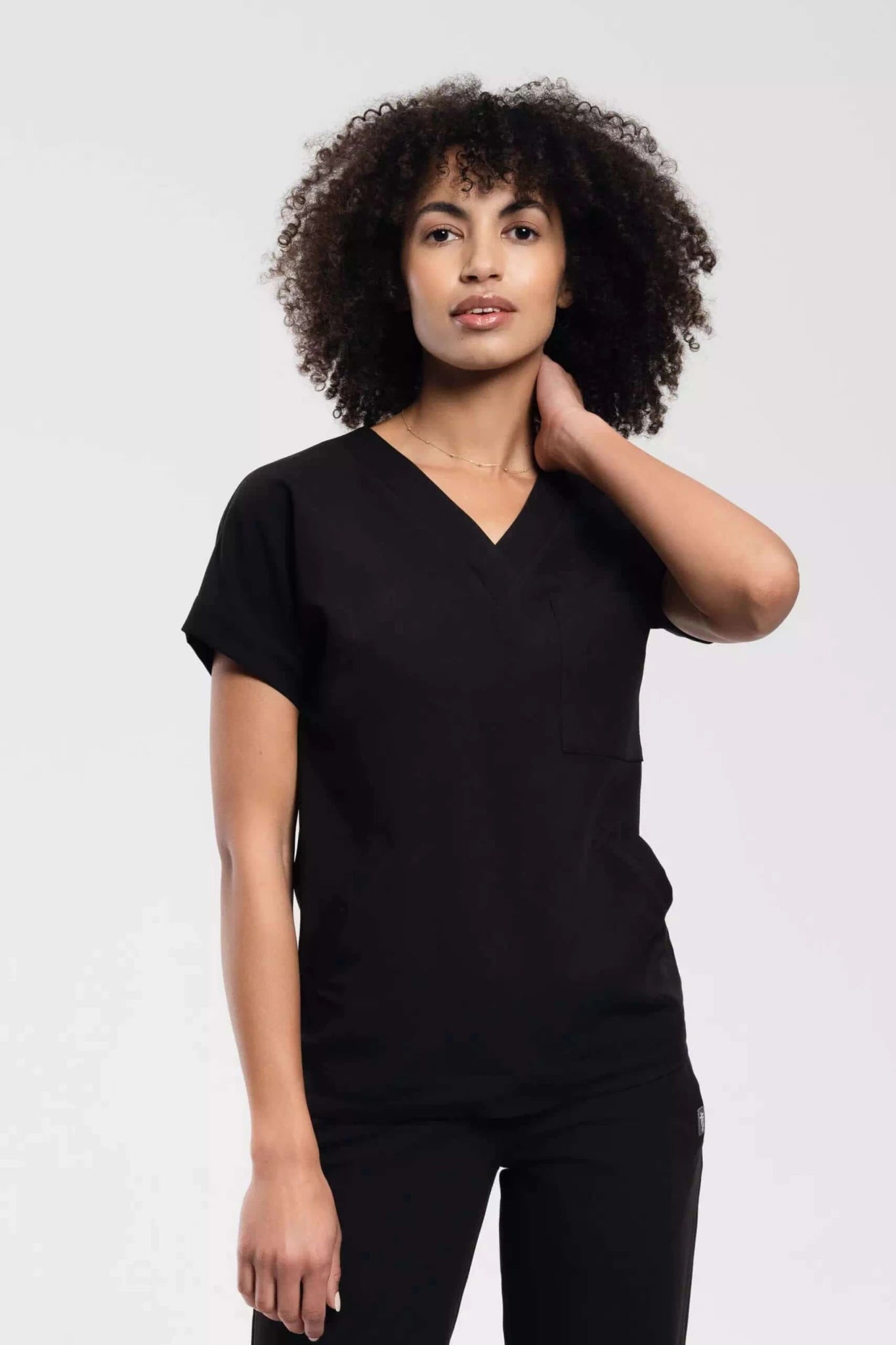
High temperatures mean that many people naturally gravitate towards looser styles. And indeed, medical scrubs with a looser cut are often better on hot days than tighter-fitting models. They provide more space between the body and the material, thanks to which the clothes heat up less and do not stick so tightly to the skin during intense movement.
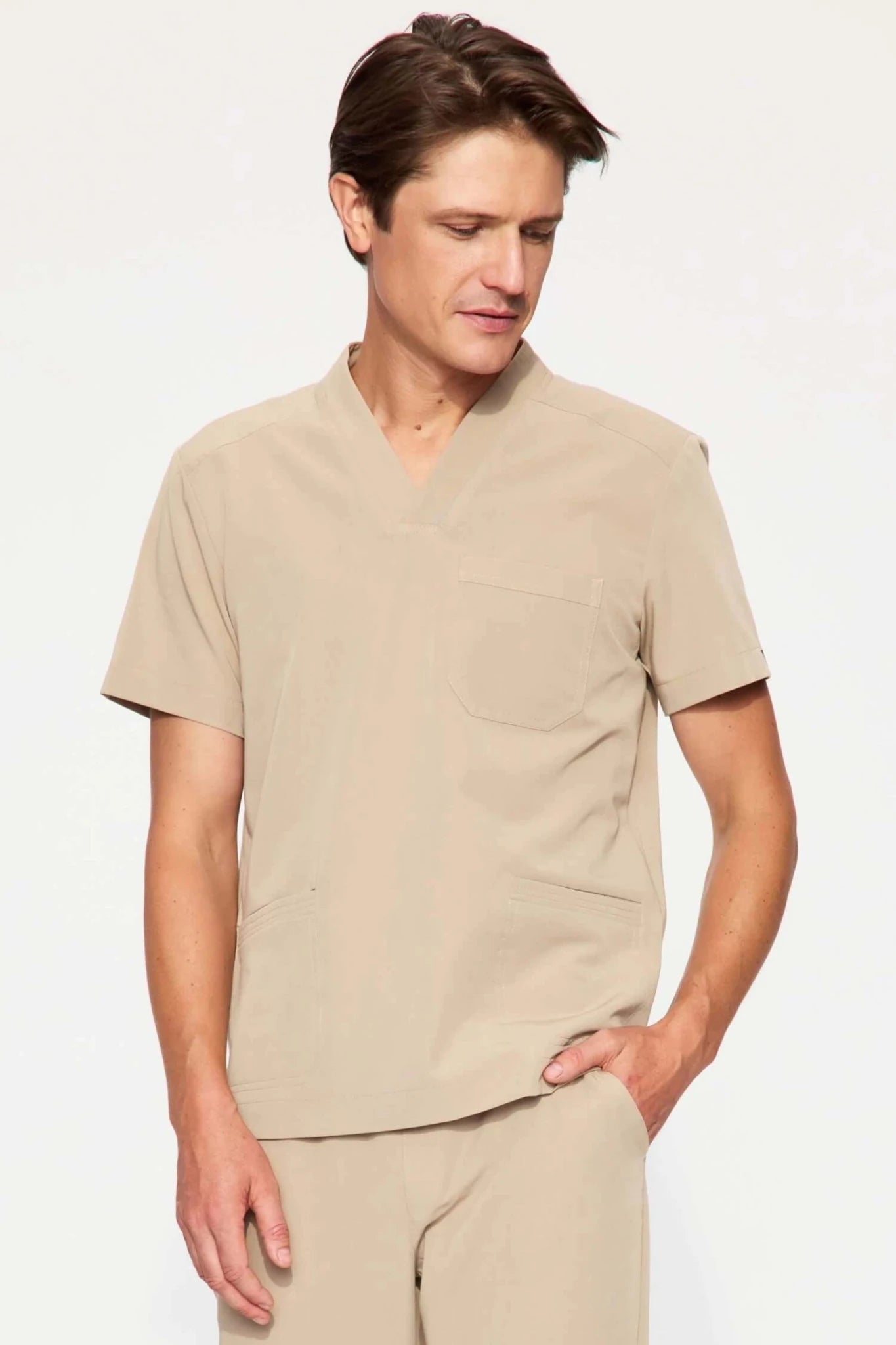
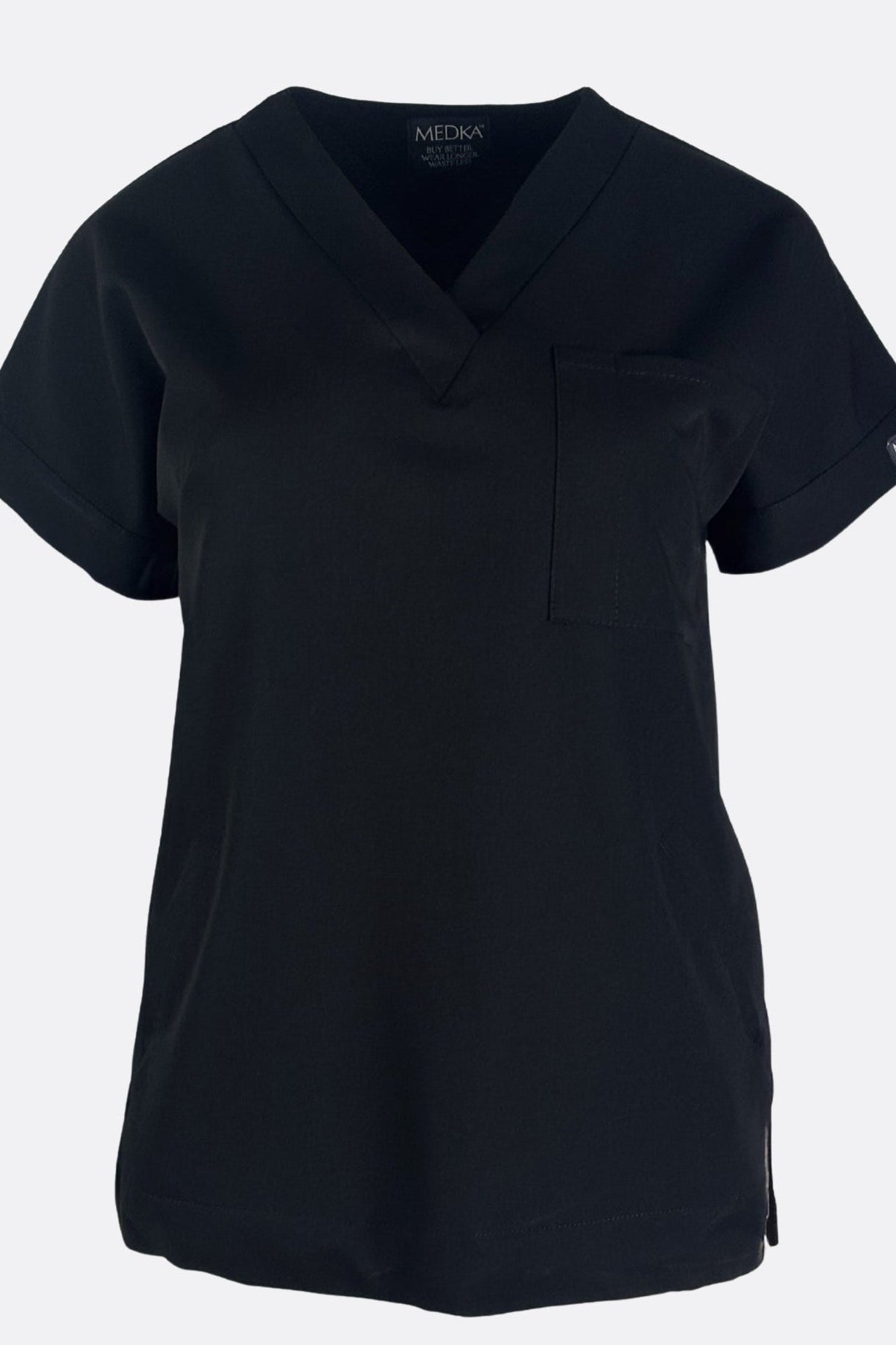
A looser medical top has several practical advantages. Firstly, it improves breathability because it does not fit sensitive areas such as the back, sides or armpits. Secondly, it gives greater freedom of movement when working in a job that requires constant moving, bending and working with one's hands. Thirdly, it can better mask creases that appear during the day because the material does not work so hard under tension.
This does not mean, however, that the looser the better. A cut that is too wide may look heavy, disturb the proportions of the figure and reduce comfort where precision of movement is important. For medical or cosmetology work, a casual but still structured style works well. The difference between loose and ill-fitting is big. The former gives comfort, the latter may seem accidental.
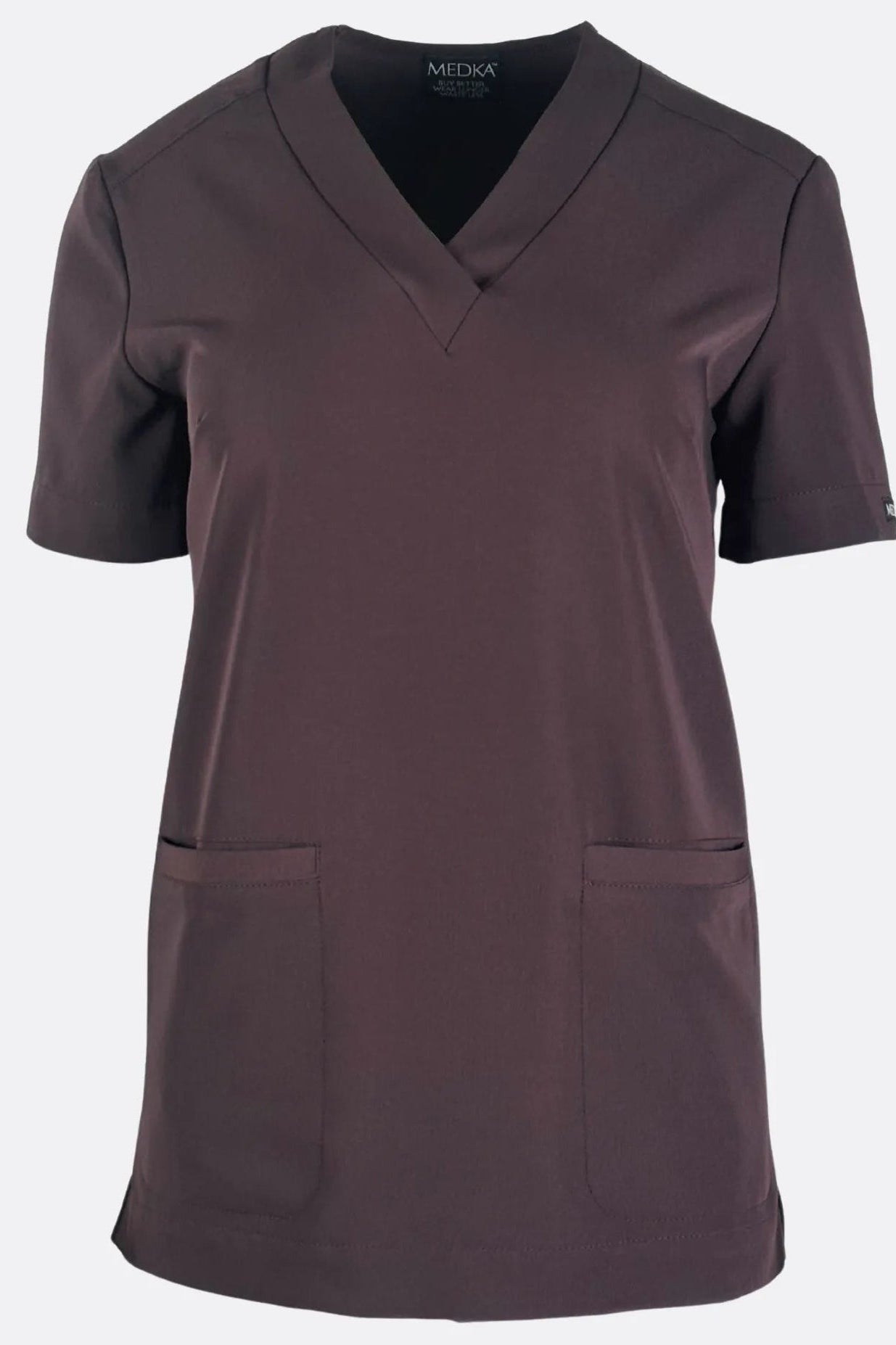
Medek's offer includes models designed with greater freedom in mind, with a looser cut, flexible material, breathability and several functional pockets. This type of sweatshirt is especially comfortable for people who work intensively for many hours and want their clothing to simply "not get in the way". This solution is often chosen where the pace of work is high and comfort is as important as aesthetics.
In comparison, a more fitted style may better accentuate the figure and create a more structured, elegant visual effect. It will be a good choice for people who work in a place with a more clearly marked dress code or who simply like the uniform to be more feminine or modern. In summer, a lot depends not on the product category itself, but on the balance between comfort and fit.
Tailored or loose medical sweatshirt for summer?
The choice between a fitted sweatshirt and a looser one should not be based solely on appearance. Much more important is what a typical working day looks like. If the position requires a lot of movement, frequent bending, working in a hurry and in changing conditions, a more casual style will usually work better. This model provides more movement and is less burdensome for the user on hot days.
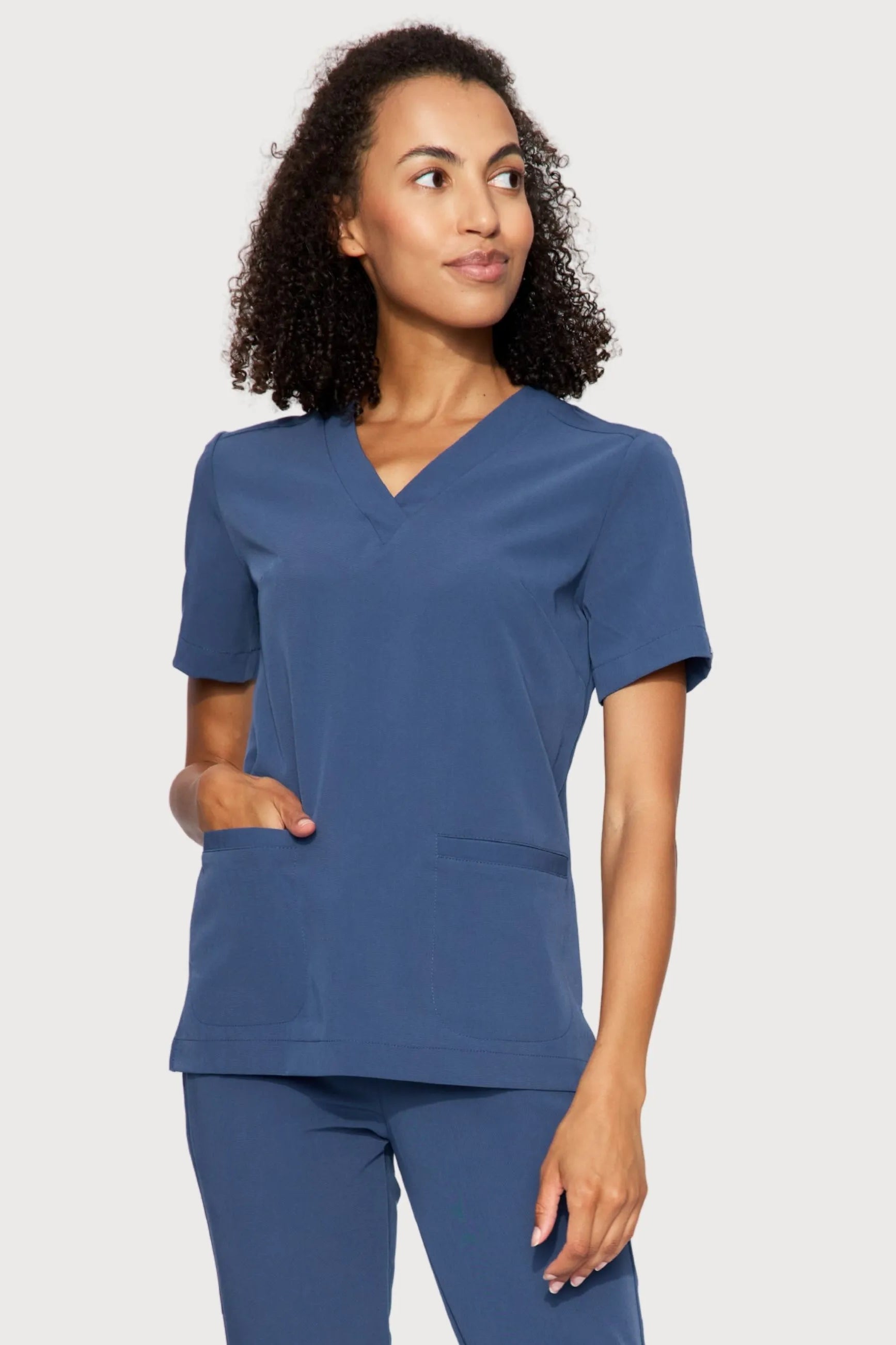
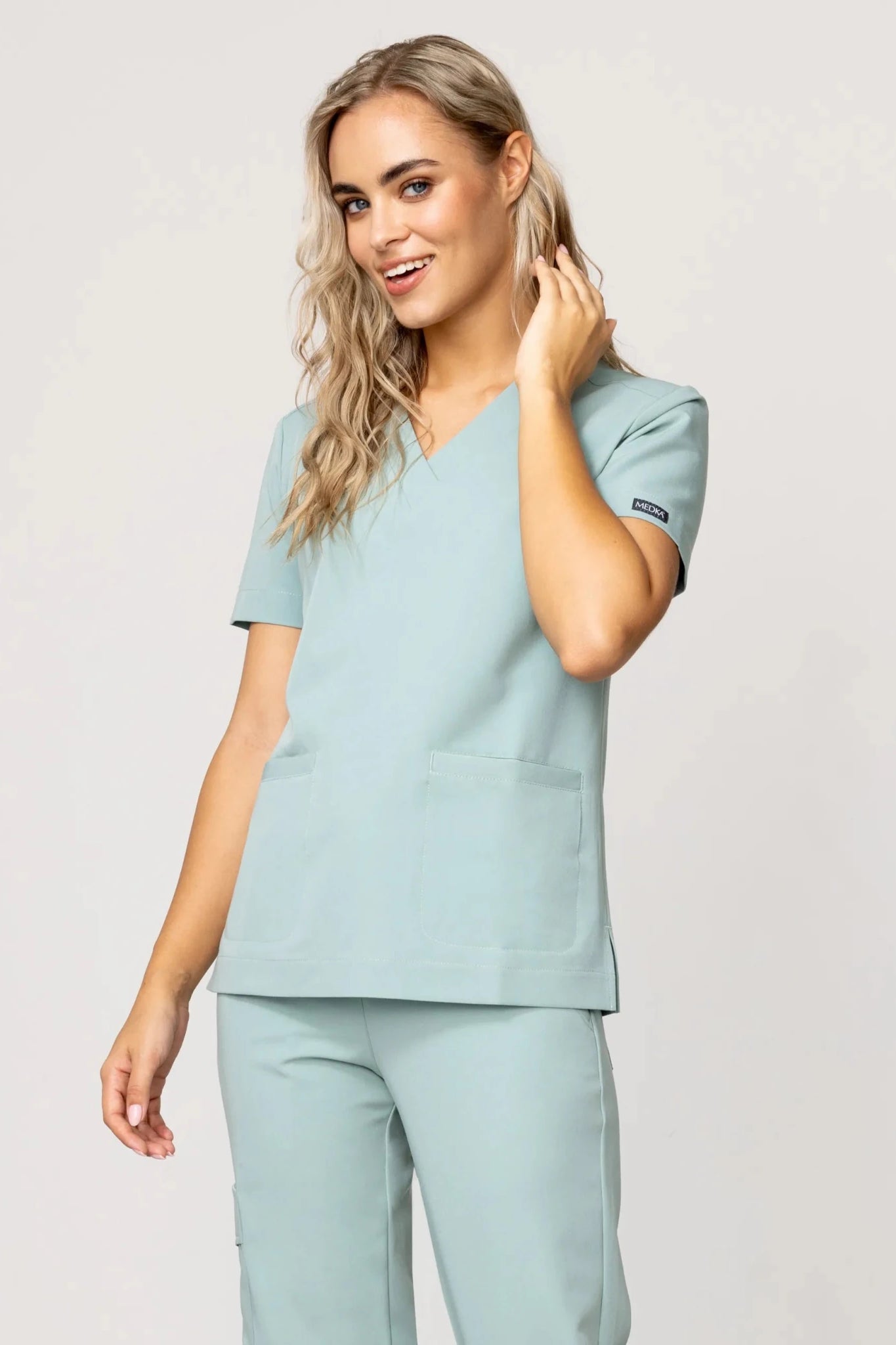
However, a fitted sweatshirt has its strengths. It highlights the figure better, looks more organized and builds a professional, refined image in many workplaces. In offices where the aesthetics of contact with the client are also important, this cut may be a very good choice. However, it is important that the tailoring does not go hand in hand with excessive fitting at the bust, waist or shoulders. In summer, too tight a cut becomes noticeable more quickly.
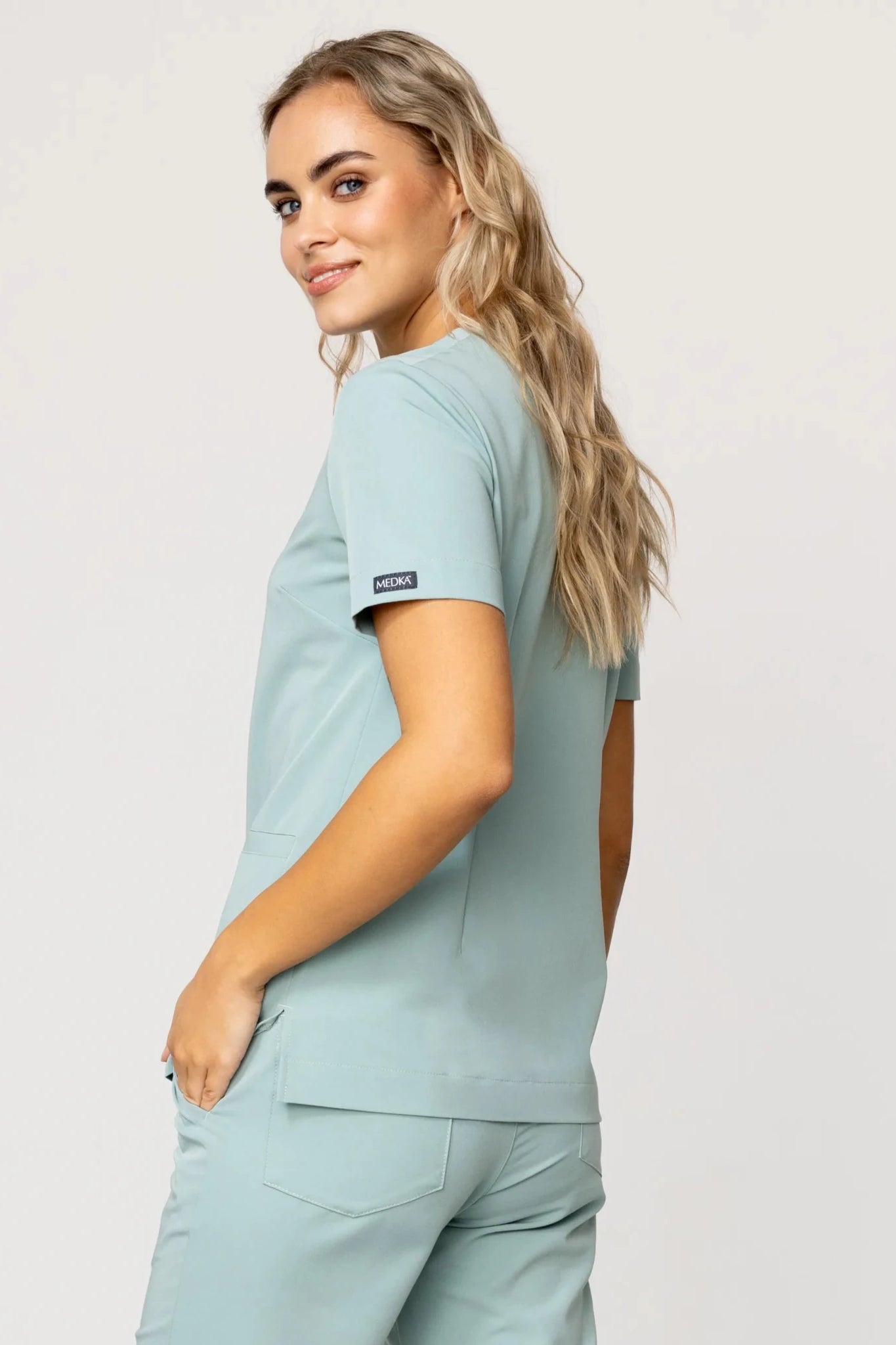
A good solution is to choose models that maintain visual order, but are not cut very close to the body. Yes medical blouse it still looks neat and at the same time gives more air and freedom. In practice, it is this middle variant that often turns out to be the most useful: it does not look too sporty, but it is also not tiring during a long shift.
It is also worth looking at the type of material. A slightly fitted sweatshirt made of elastic fabric may be more comfortable than a seemingly looser model made of a stiff material that is not susceptible to movement. In summer, it is not enough to judge the style alone. Equally important is how the cut works with the fabric, sleeve length, shoulder line and seam placement.
Which medical pants are best for hot weather?
Medical pants for summer, they should, above all, not restrict movement. It sounds simple, but in practice it's worth taking a broader look. It's not only about comfort when walking, but also about how the pants behave when sitting, bending, crouching and moving quickly around the workplace. A well-chosen model does not pull at the waist, does not stretch excessively on the thighs and does not require constant adjustments.
A fabric that does not crease easily is important. In the case of trousers, this is especially important because this is the part of the wardrobe that works the most throughout the day. Crease-resistant material helps maintain an aesthetic appearance, even if the change is long and demanding. In summer conditions, this feature translates into a feeling of neatness without the need to constantly smooth the clothes.
Comfortable medical trousers should also have practical pockets, but their number and arrangement must be consistent with functionality. Side pockets, a thigh pocket or well-designed back pockets can really make work easier. At the same time, it is worth avoiding models in which the pockets are arranged in such a way that when fully loaded they disturb the leg structure or increase the weight of the outfit on hot days.
Styles that combine comfort with a light, modern look are good for summer. Joggers are a good example here because they often offer freedom of movement, practical pockets and a cut that looks more dynamic than classic straight trousers. This solution is often chosen by people who work actively and want their clothes to keep up with the pace of the day.
It is also worth paying attention to the belt. A belt that is too stiff or ill-fitting can be very bothersome at high temperatures. Models that fit better at the waist and do not constrict during movement usually gain an advantage faster than trousers with a more formal but less flexible construction.
A medical coat in the summer – when is it worth wearing and when is it better to use scrubs?
A medical coat is still an important element of attire in many workplaces. For some people it is necessary due to the standard of the facility, the nature of the position or the need to maintain a more formal appearance. In summer, however, the difference between a classic, heavier apron and a model designed for comfort in everyday use is especially visible.
A well-chosen summer apron should not be stiff or excessively built-up. What matters here are the lightness of the material, flexibility and design solutions that improve comfort. The slit at the back facilitates movement when walking and sitting, hidden pockets organize the appearance of the outfit, and the appropriate cut means that the apron does not burden the figure and does not restrict the work of the hands. These are details that quickly cease to be details in the summer, because they really affect your well-being throughout the entire shift.
However, there are situations in which scrubs will be a more convenient choice. If the work is very dynamic, based on frequent movement, long-term effort and fast pace, a lighter set of sweatshirt and trousers often gives you more freedom. Scrubs are better suited where mobility, ease of use and everyday comfort without an additional layer of clothing are important.
It is worth choosing an apron when the workplace requires a more formal uniform or when it serves a practical and organizational function. Medical Scrubs will be more appropriate where the priority is the flexibility of the outfit and maximum freedom of movement. In summer, the choice between these solutions rarely comes down to aesthetics. It is much more often determined by real working conditions, the number of hours spent on the move and the need to remain comfortable at high temperatures.
Is a medical dress or tunic a good choice for summer?
Medical dresses and tunics are an interesting alternative to classic sets in summer. For many users, they combine what is most important in the warm months: lightness, comfort and aesthetic appearance. Well designed medical dress it can provide freedom of movement and at the same time look very neat and professional.
Medical tunic in turn, it provides considerable styling and utility flexibility. You can combine it with comfortable trousers, adapting the set to the nature of your work and your own preferences. This solution is often chosen by people who want to maintain the feminine character of the uniform, but without sacrificing practicality. In the summer, a well-tailored tunic can be less burdensome than a classic sweatshirt, especially if it has a well-thought-out length, comfortable slits and the right material.
A medical dress will not be the best choice for every professional role, but it works very well in many offices. In places where contact with the customer is regular and the image has a similar importance to functionality, this style may be very appropriate. However, it is important that the cut does not restrict movements when bending, sitting or moving quickly.
In summer, styles that are not too visually heavy and fit the figure well without being too tight are particularly appreciated. A feminine cut does not have to mean less comfort. It all depends on the construction of the clothes, the quality of sewing and whether the design takes into account the realities of work and not just the aesthetic effect.
How to choose the color of medical clothing for summer?
Uniform color is more important in summer than is often assumed. It affects not only the visual perception, but also how the user feels wearing the outfit for many hours. Light shades are usually associated with freshness, lightness and cleanliness, which is why in the summer many people naturally turn their attention to them. White, beige, bright green or subtle earth tones can look very aesthetic and fit well into the seasonal character of your wardrobe.
However, this does not mean that only light colors make sense. Navy blue, olive, muted purple or deeper colors may also work well in the summer, especially if they fit the facility's dress code or better suit the user's preferences. Darker shades are more practical in everyday use and often look more formal.
There are three things to consider when choosing a color. Firstly, the workplace and the applicable image rules. Secondly, the nature of everyday duties, because some positions require more practical color solutions. Thirdly, your own mental and aesthetic comfort. A uniform worn for many hours should harmonize with the wearer and not merely meet a formal requirement.
The wide range of colors available at Medka allows you to approach the topic more consciously. In addition to classic white and navy blue, there are beige, green, purple and subdued earth tones. This makes it easier to match the uniform to both the nature of the facility and your own work style. In summer, the color can support the lightness of the entire image, but it should go hand in hand with the practicality and durability of the fabric.
What details should you pay attention to when buying summer medical clothing?
It's the details that often determine whether clothing works for everyday work or just looks good at the beginning. One of the most important elements is the number and arrangement of pockets. Pockets should suit the user's actual needs. Too little makes organization difficult, and too many can weigh down the clothes and disturb their line.
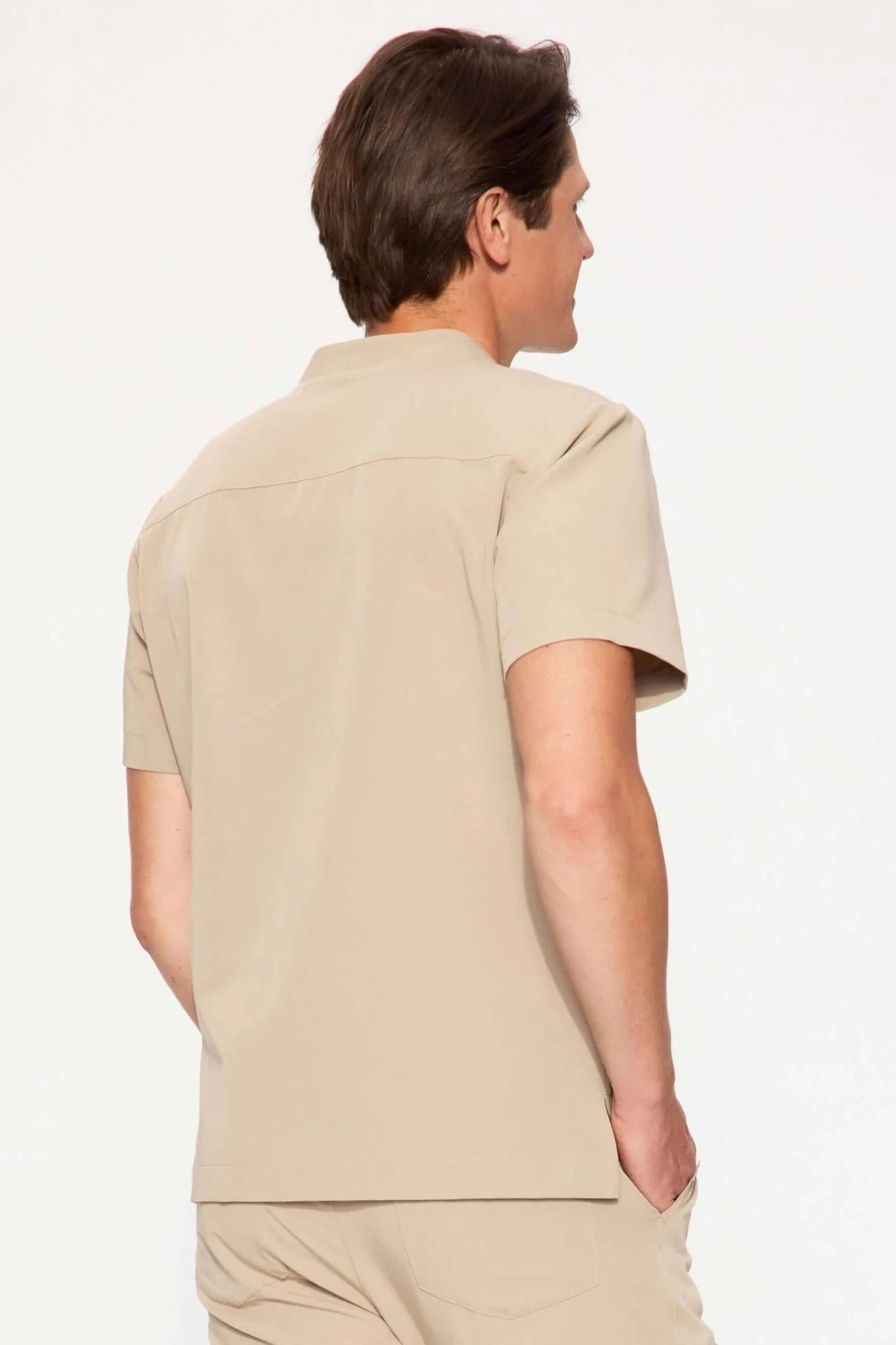
In the summer, slits on the sides or back are very useful because they improve the range of movement and make the material fit better when walking and sitting. In practice, such a detail greatly affects comfort, especially in aprons, tunics and longer sweatshirts. It is also worth checking how the sleeves are finished. Sleeves that are too tight or poorly guided quickly become noticeable at high temperatures.
Reinforcements and sewing quality are also important. Summer medical clothing it is often used intensively and washed regularly. The seams should be even, stable and placed so as not to cause tension in the material in places of greatest work. A good finish affects both durability and whether the clothes will maintain their aesthetics after weeks of use.
Crease resistance is not worth overlooking. This is a feature that seems secondary, but after many hours of work it has a huge impact on the overall impression of the outfit. The same applies to the fit of the sleeves, the waist height of the pants and the quality of zippers and fasteners. Each of these elements can improve or reduce comfort. It is worth assessing a summer uniform not only through the prism of cut and color, but also by the sum of small solutions that really make a difference on a daily basis.
Which medical clothing from Medka's offer is best for summer?
When making a summer choice, it is best to be guided not by the name of the category, but by the actual style of work. For people who value a looser cut, greater air flow and a more casual character of the outfit, WELT sweatshirts are a sensible option. This type of models fits well into the needs of users who are on the move for many hours and want clothing that does not hug the figure with every gesture.
People who prefer a more structured, fitted style can pay attention to MOXI sweatshirts. This is a proposition for those who like to combine aesthetics with everyday functionality and want the uniform to have a more defined line. In summer, this choice works especially well when the material remains flexible and the cut is not too tight.
In the case of trousers, GENUS joggers are a practical solution. This model is attractive to people who value comfort, a modern look and more pockets. In work that requires mobility and a fast pace, this style may be more useful than classic trousers with a stiffer construction.
Medical coats will still be a good choice for people who need a more formal outfit or work in places where such an element of the uniform is standard. In summer, it is worth looking for lighter models, better in movement and equipped with solutions that improve comfort, such as a slit at the back or functional pockets.
For women who particularly value lightness and feminine cut in the summer, medical dresses and tunics are a good choice. These are solutions that allow you to combine a professional look with greater freedom and visual lightness. As a result, it is easier to choose a uniform not only for the temperature, but also for the nature of the workplace and your own preferences.
The best choice for summer is not about finding one universal model. It is much more sensible to match the style to the type of duties, level of activity, expected aesthetics and how long the clothes are to remain fresh and neat during an intense working day.