




The first internship in a hospital can be more stressful than the session. In addition to the uncertainty about how to behave with the patient, there is a very mundane question: what should I wear to come there? Universities usually limit themselves to a laconic provision about "mandatory medical attire", and hospitals rarely provide students with work clothes. Should I buy scrubs or an apron? One set or two? What shoes should you wear if you'll be on your feet for eight hours? This guide answers these questions specifically, taking into account the regulations of the institutions, the hygiene rules applicable in the departments and the real budget available to the student. Before you click "buy now", read it to the end, because some purchases that seem obvious turn out to be unnecessary during internships.
What do hospital laws and regulations really say?
Let's start with what surprises most students: there is no single nationwide regulation that specifies what a student's attire should look like during internships. The issue of dress is regulated by the internal regulations of individual institutions and university requirements, which may vary.
In practice, almost every hospital requires two things. First of all, in the ward you change into medical clothes: a set of scrubs (blouse and pants) or an apron worn over your clothes. Secondly, you change your shoes to those intended exclusively for work in the ward. The shoes you came in from the street stay in the locker room. This is not a matter of aesthetics, but a basic principle of limiting the transmission of microorganisms between the external environment and patient rooms.
Before you buy anything, do two things. Write to the internship supervisor or the branch office to ask about the required attire, because some institutions impose, for example, white color or a mandatory apron. Also check the internship regulations of your university, because some medical universities clearly specify the elements of the uniform, ID, and sometimes even the colors for a given field. Ten minutes of checking saves returns and last-minute re-purchases.
Scrubs, aprons or both?
This is the most common shopping dilemma and at the same time a place where it is easy to overpay. The answer depends on where and how long you practice.
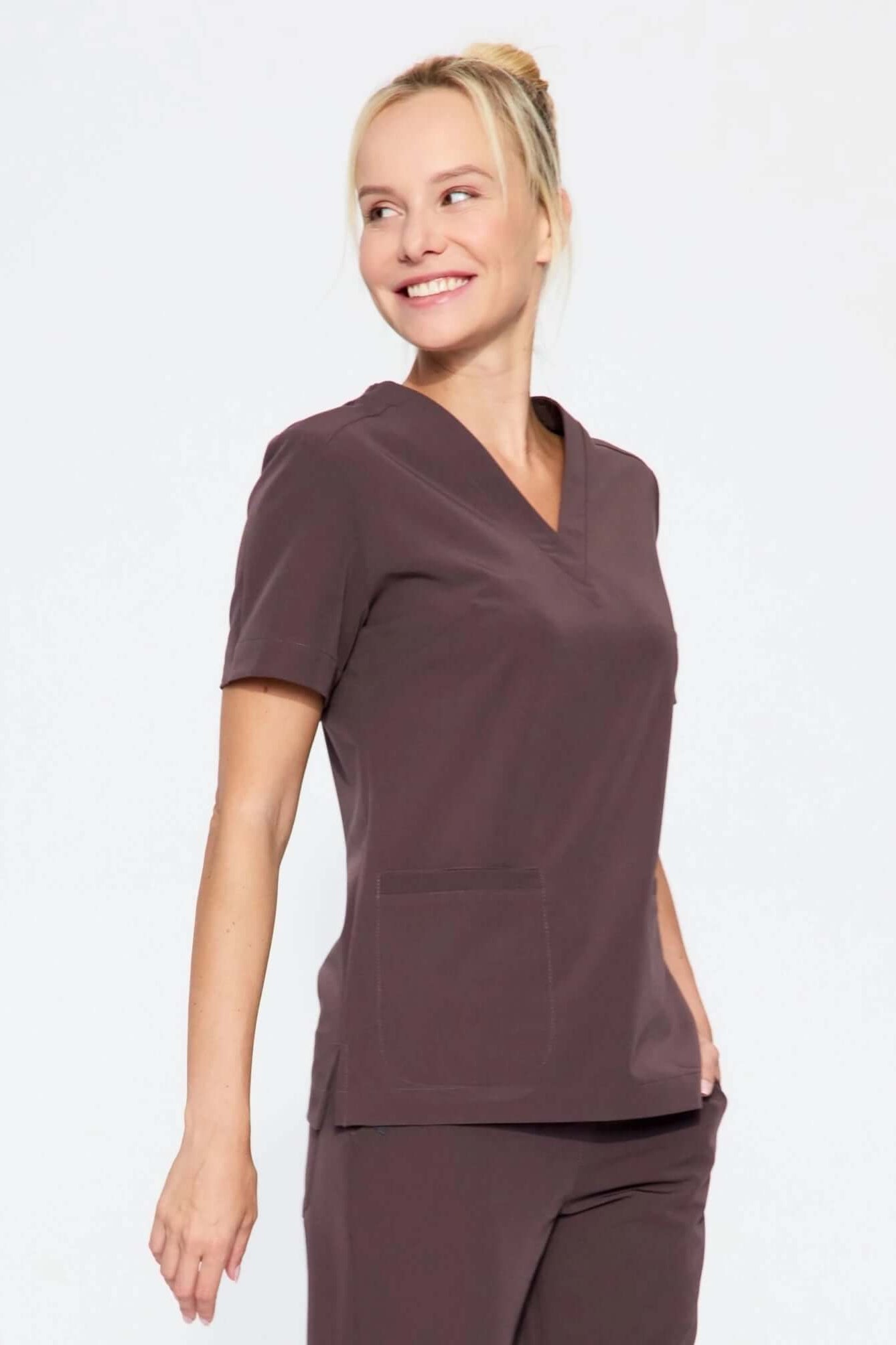
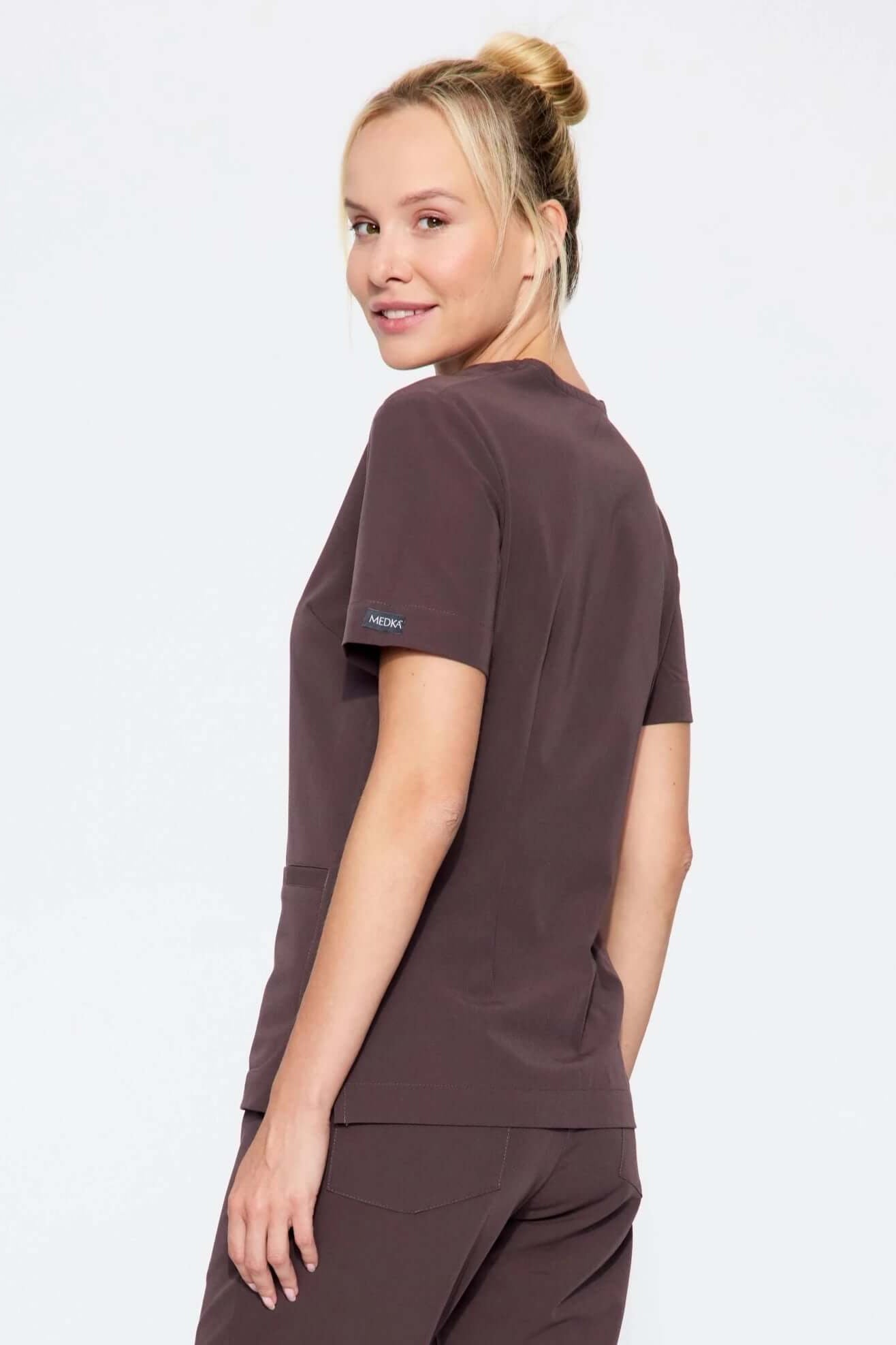
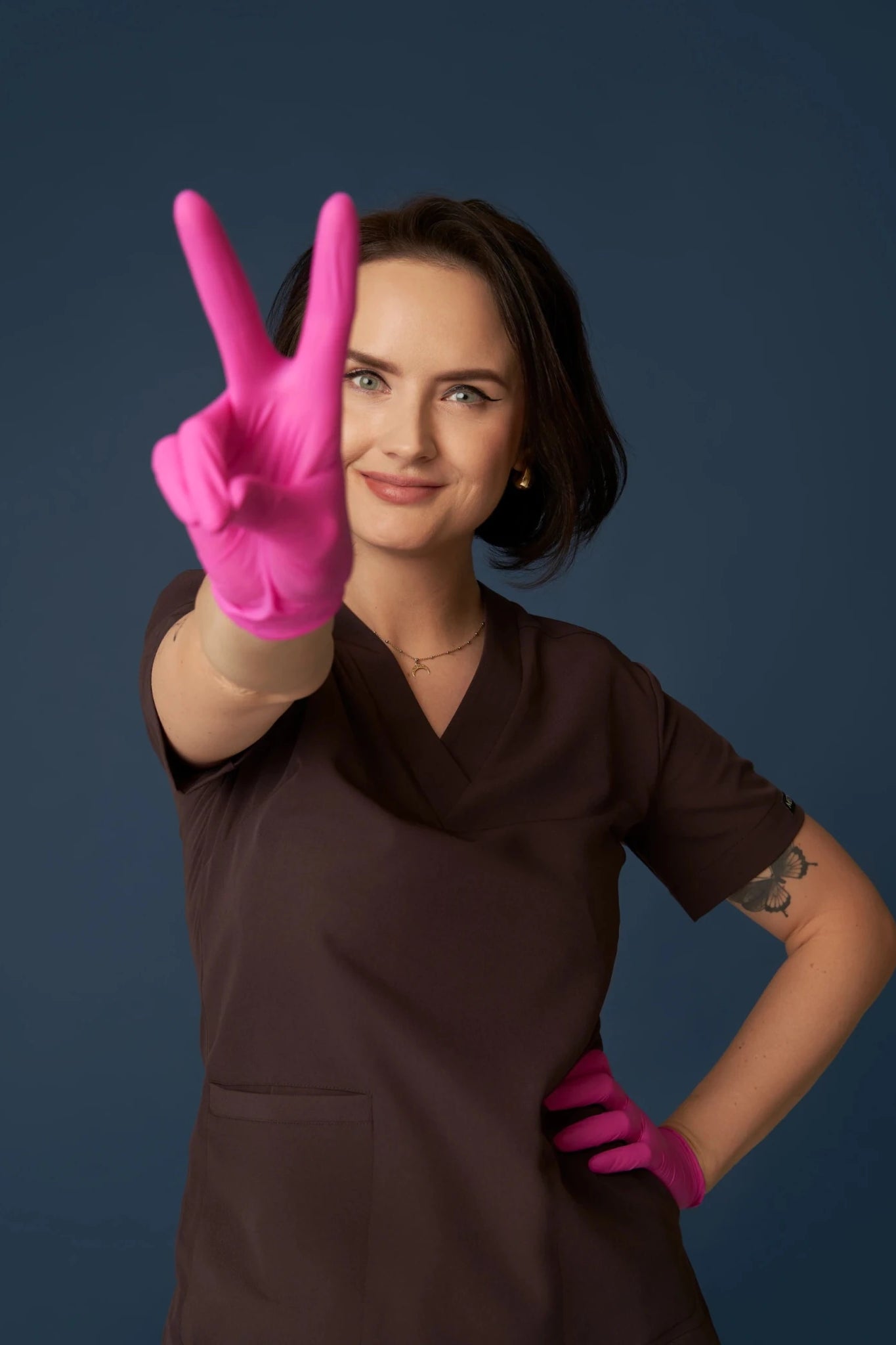
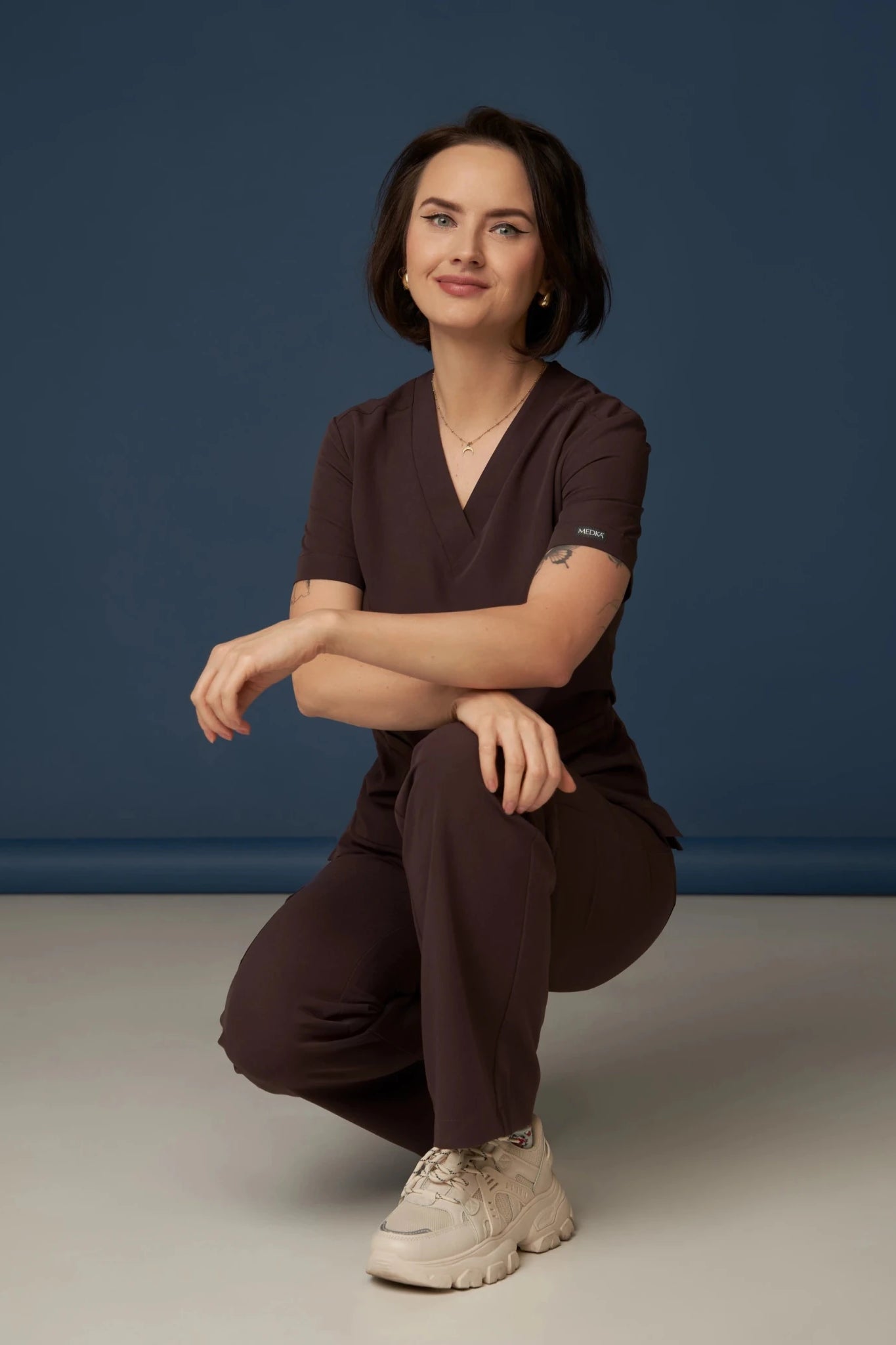
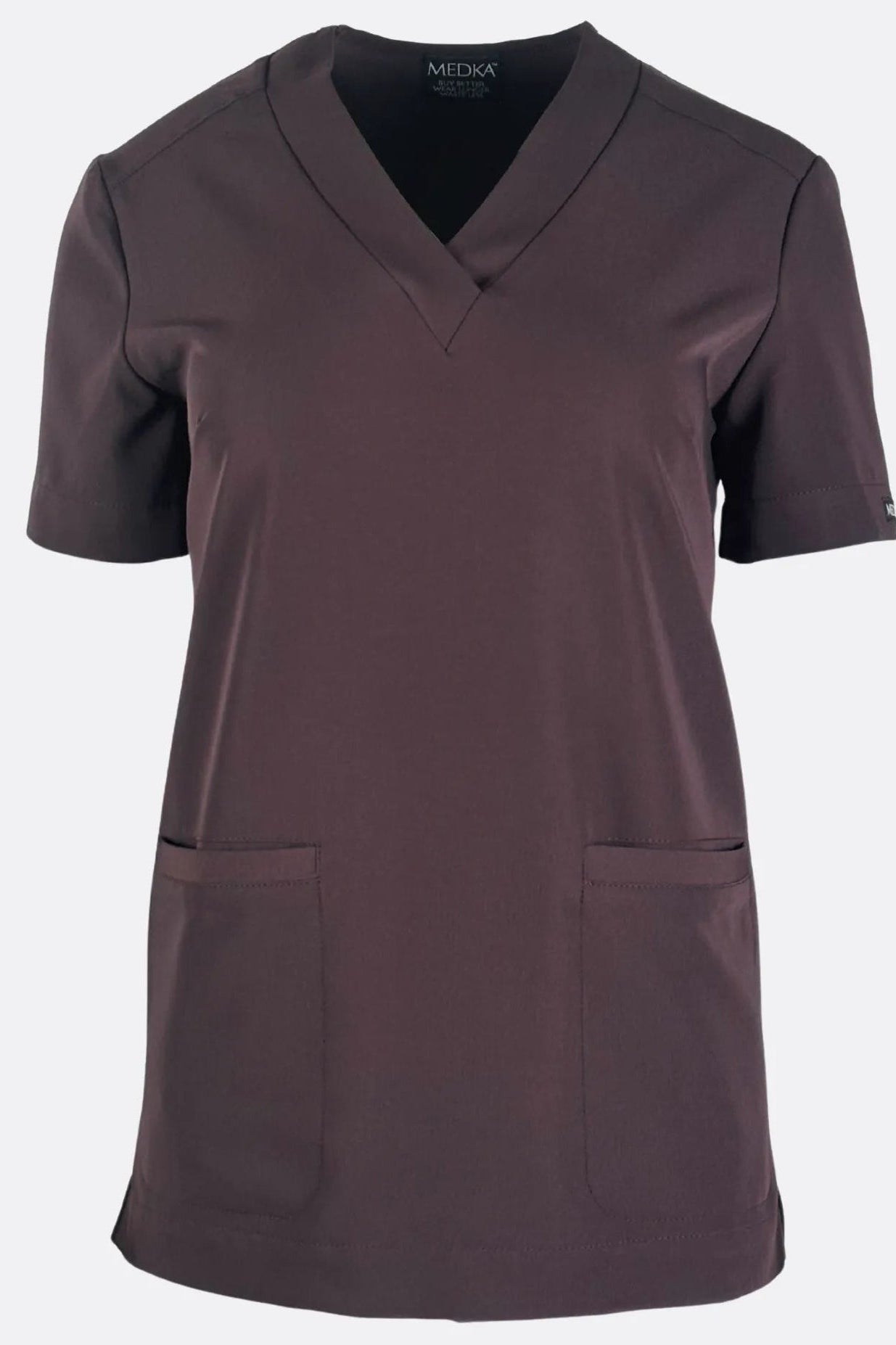
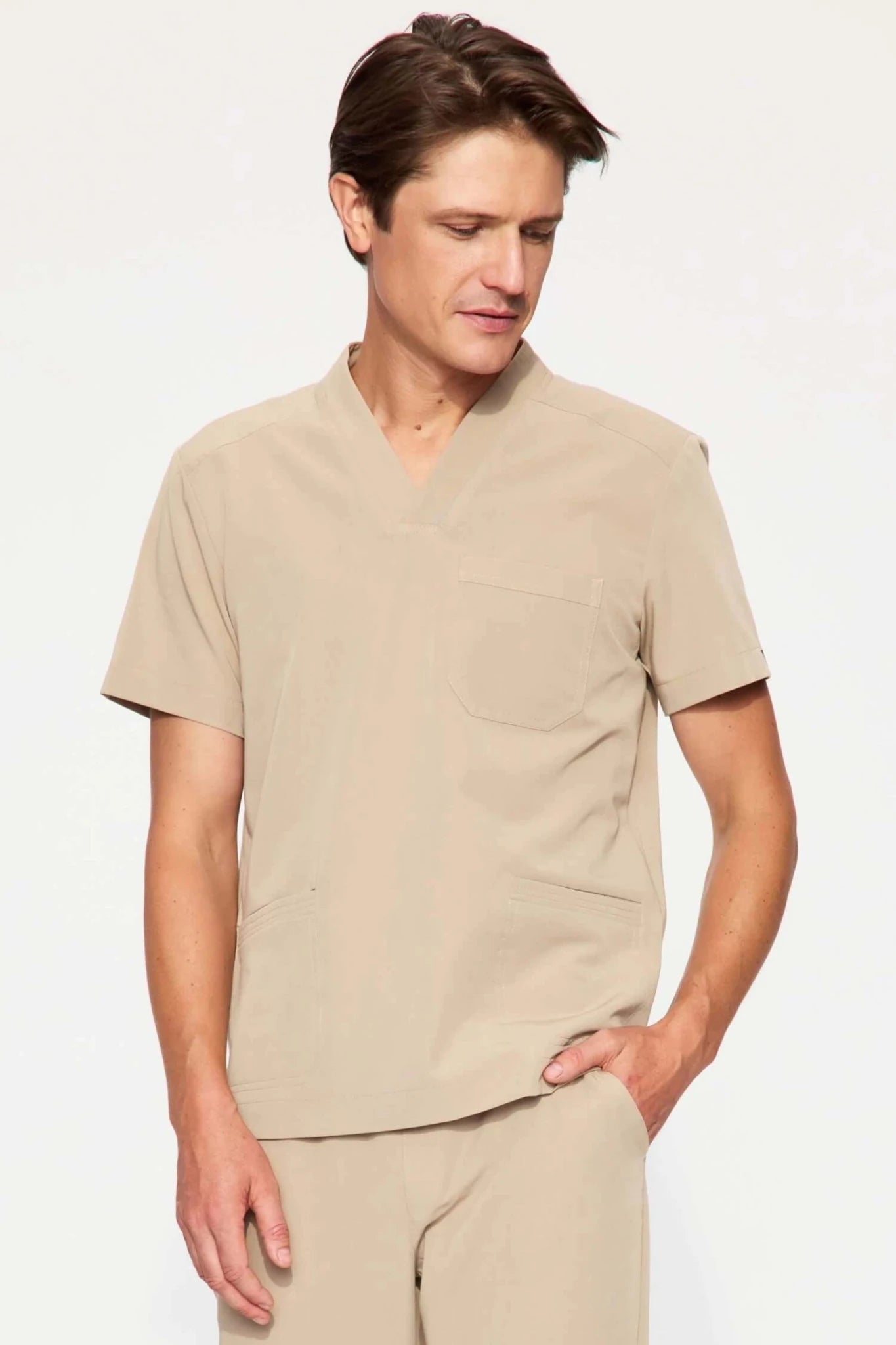
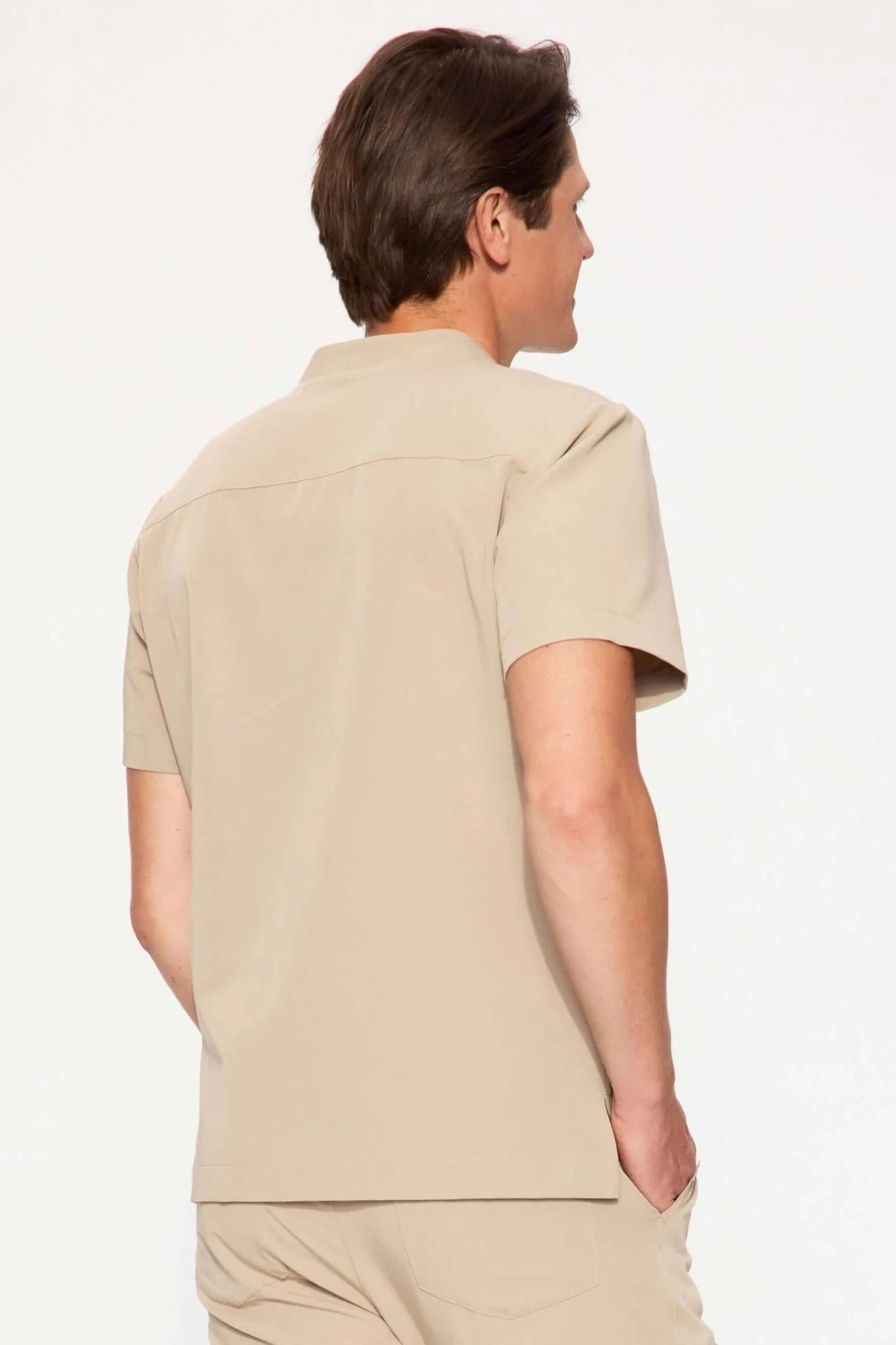
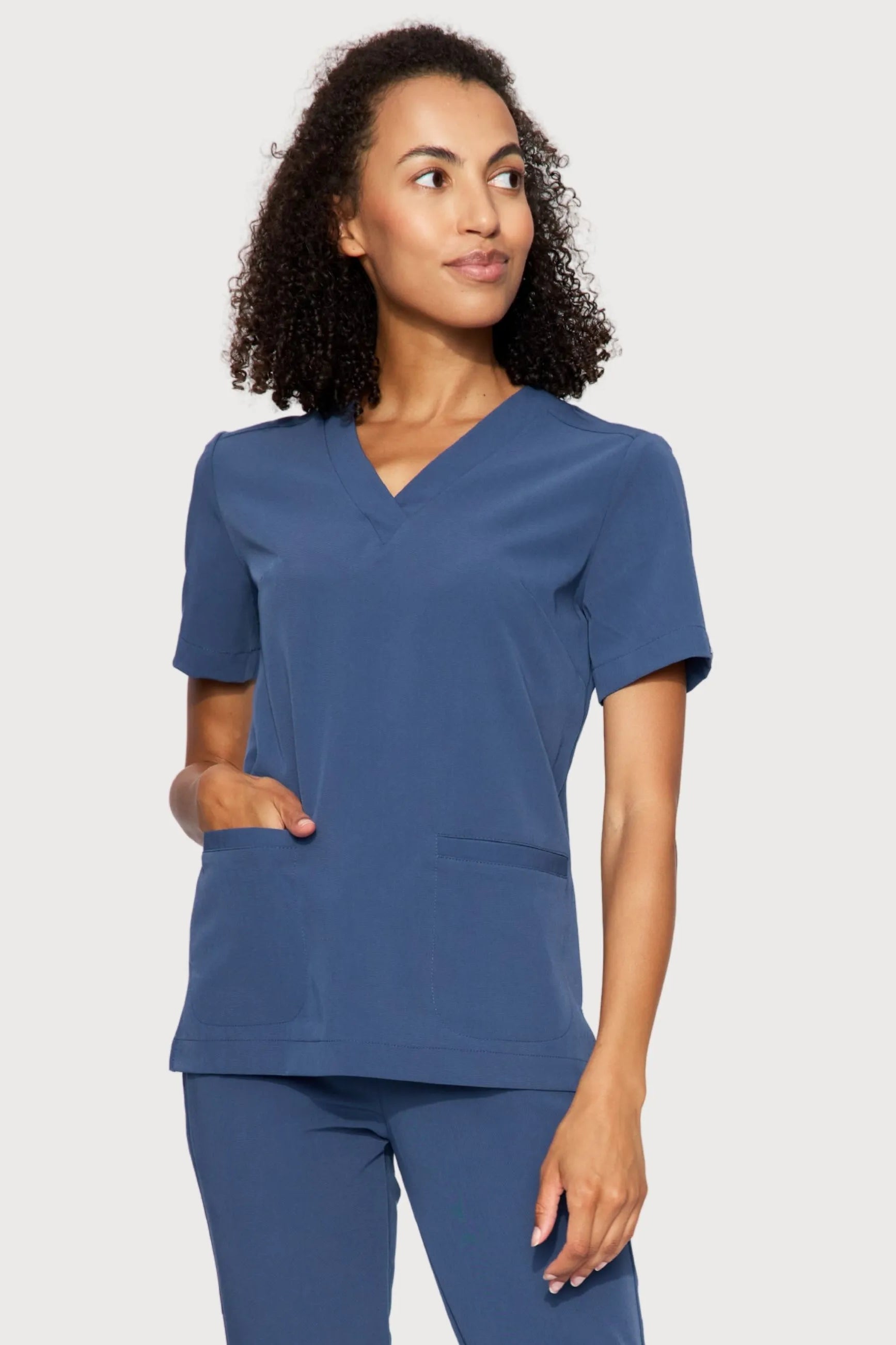
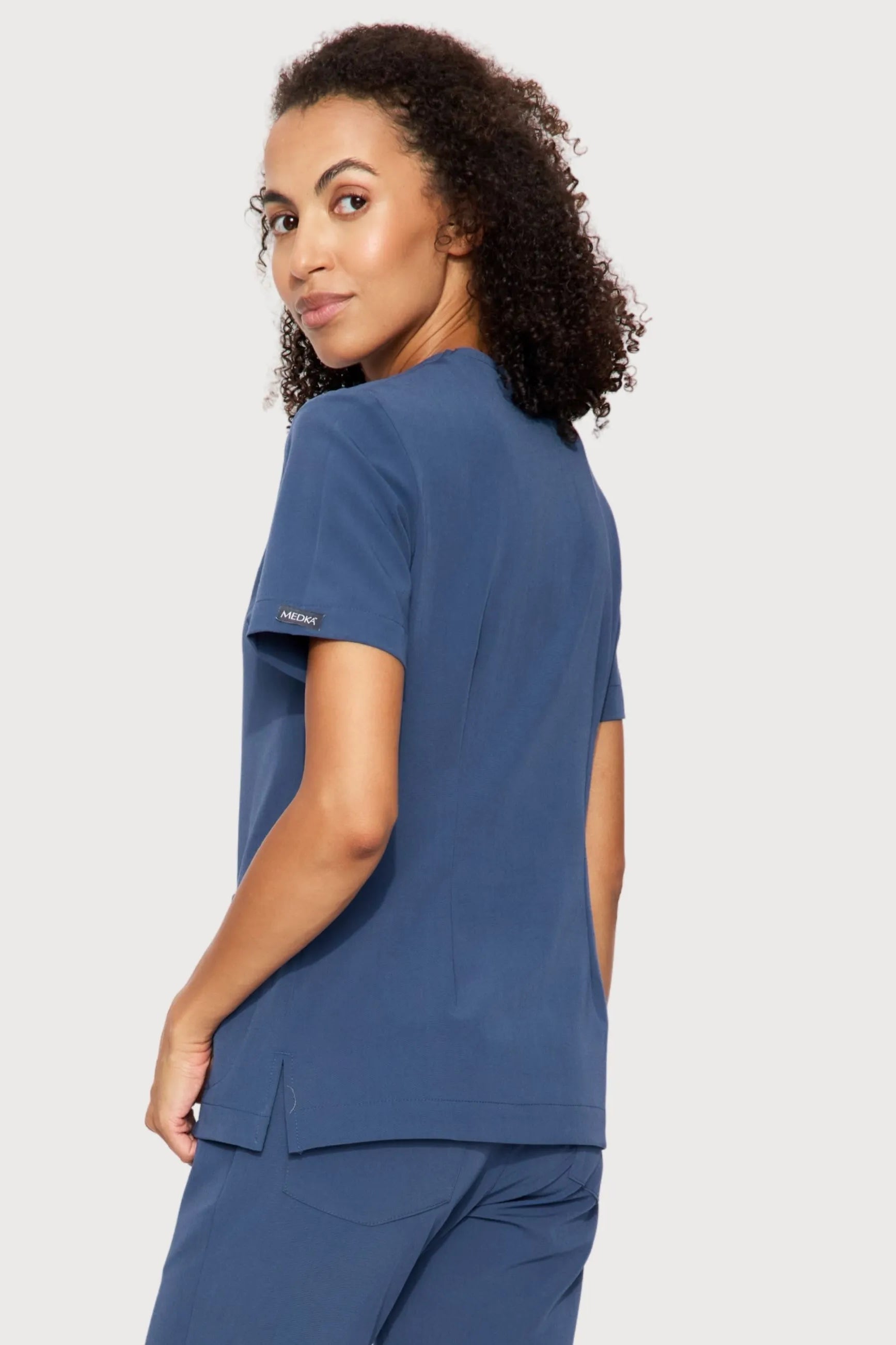
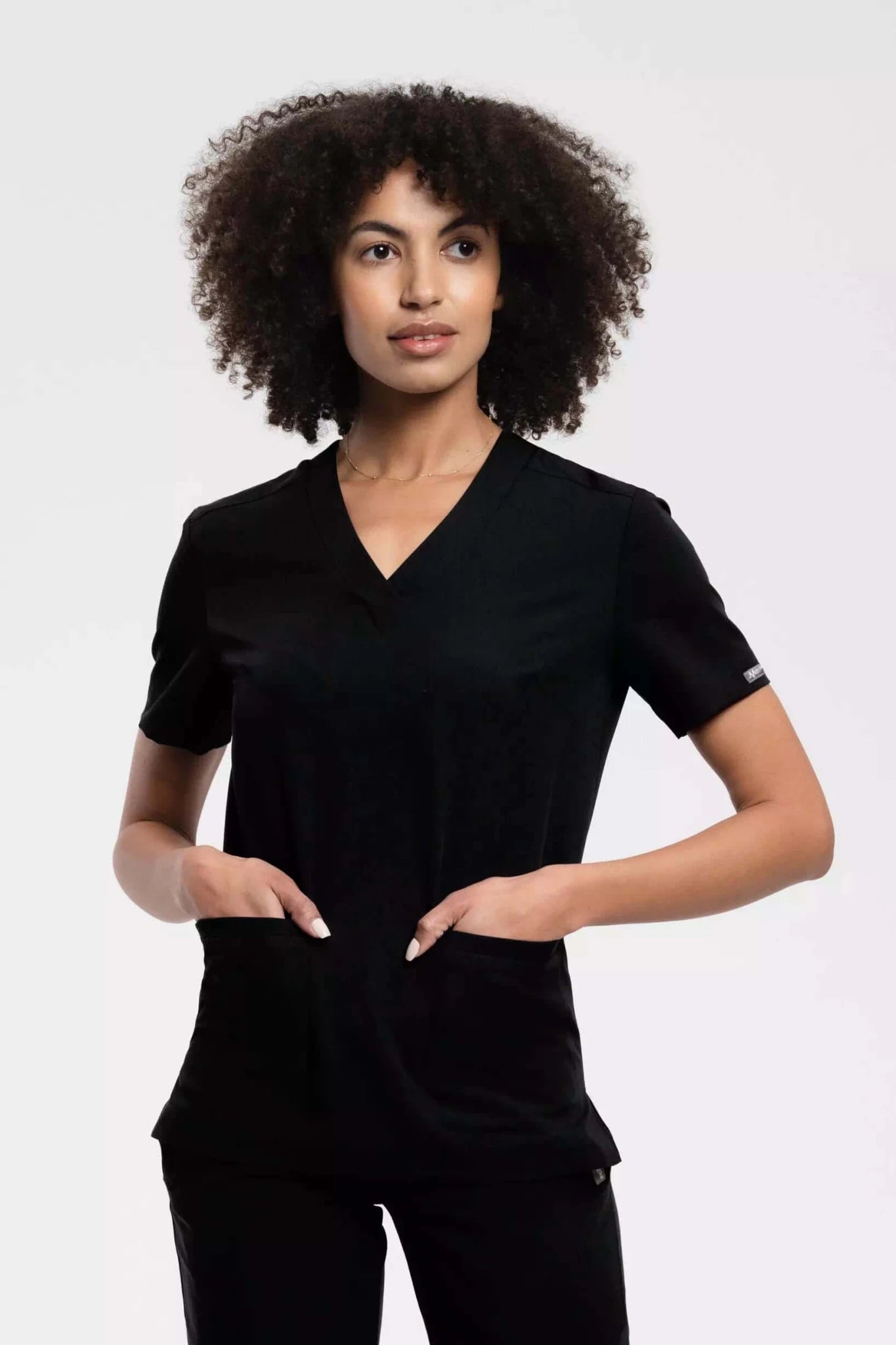
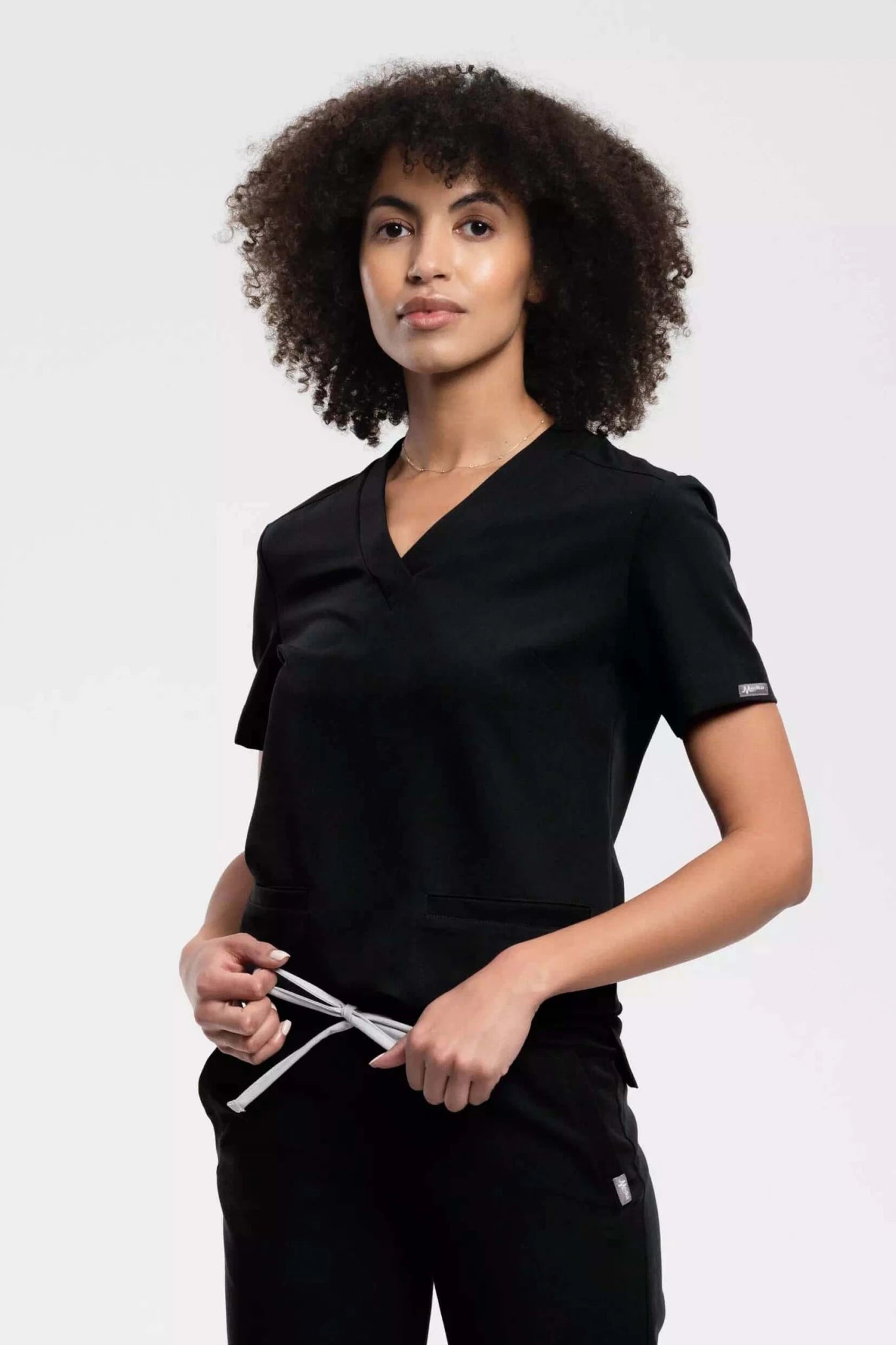
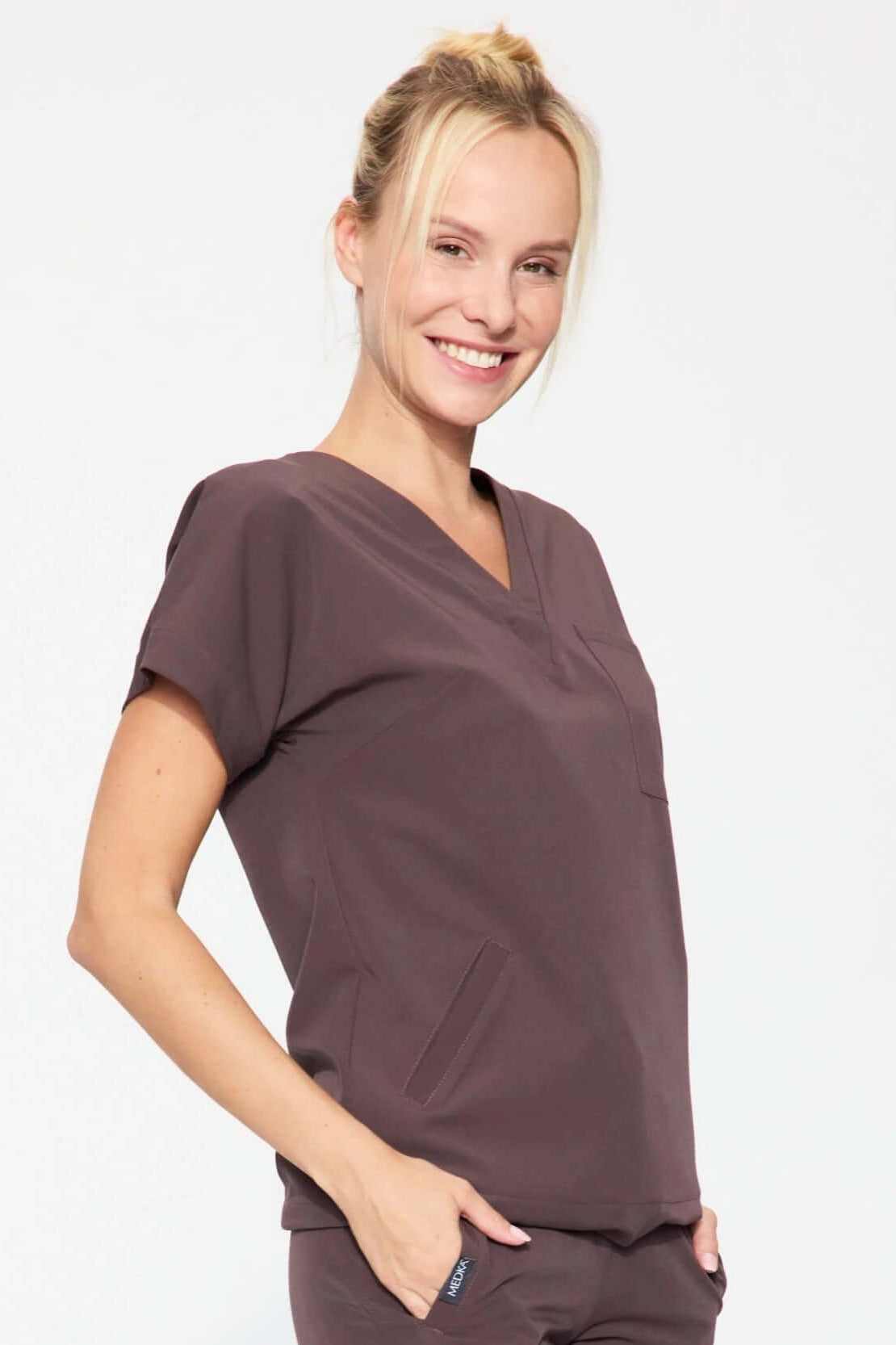
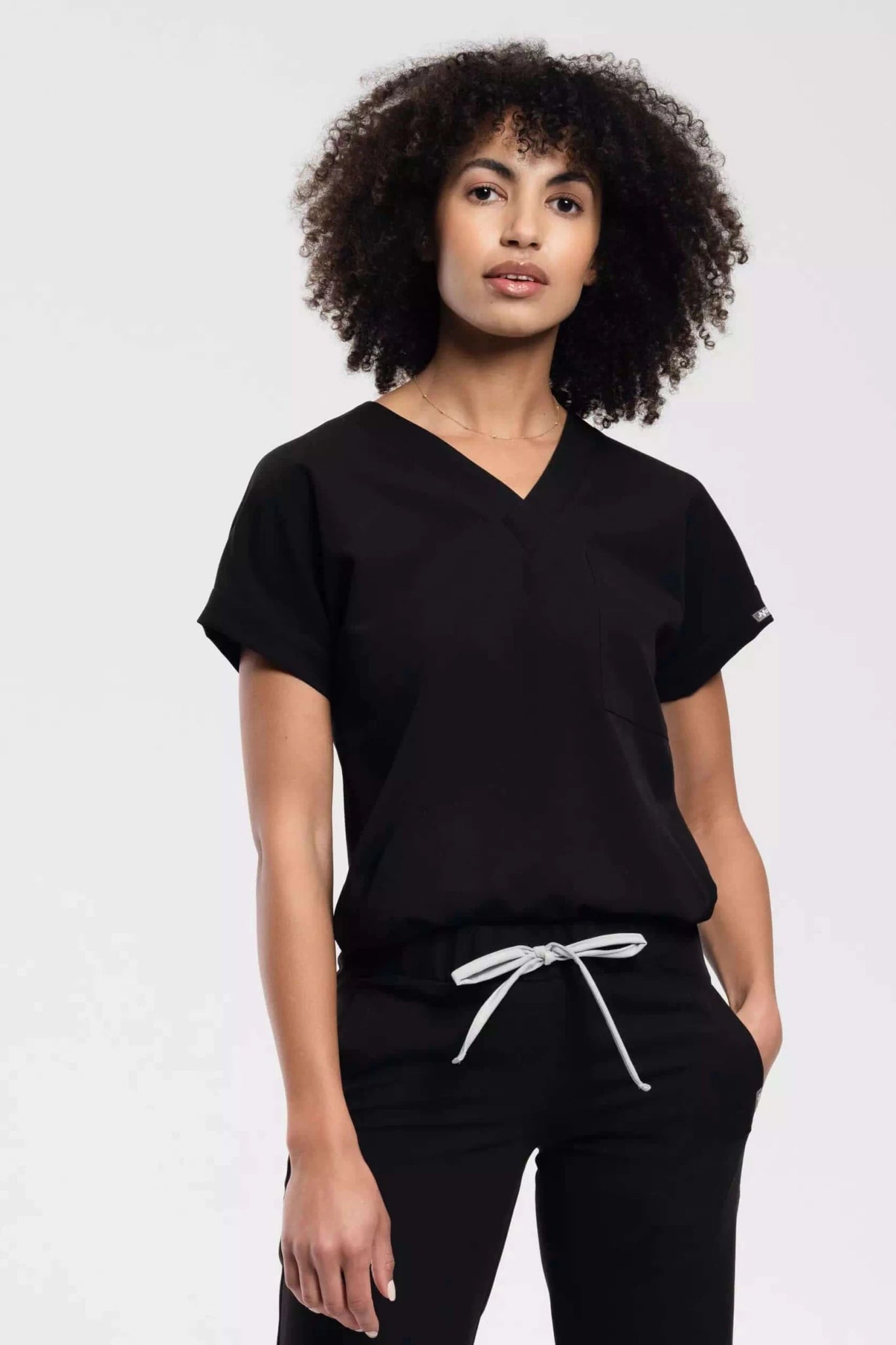
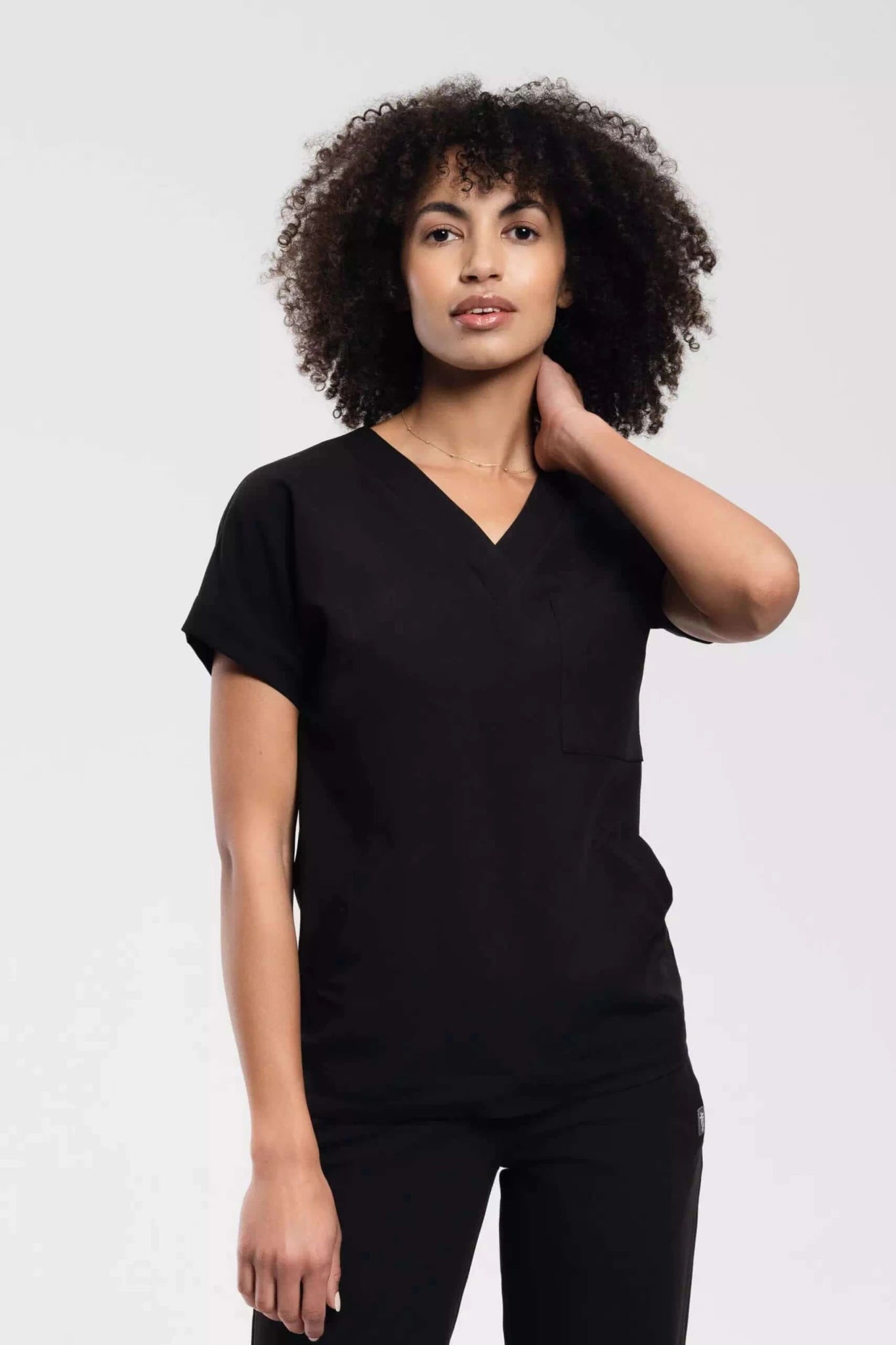
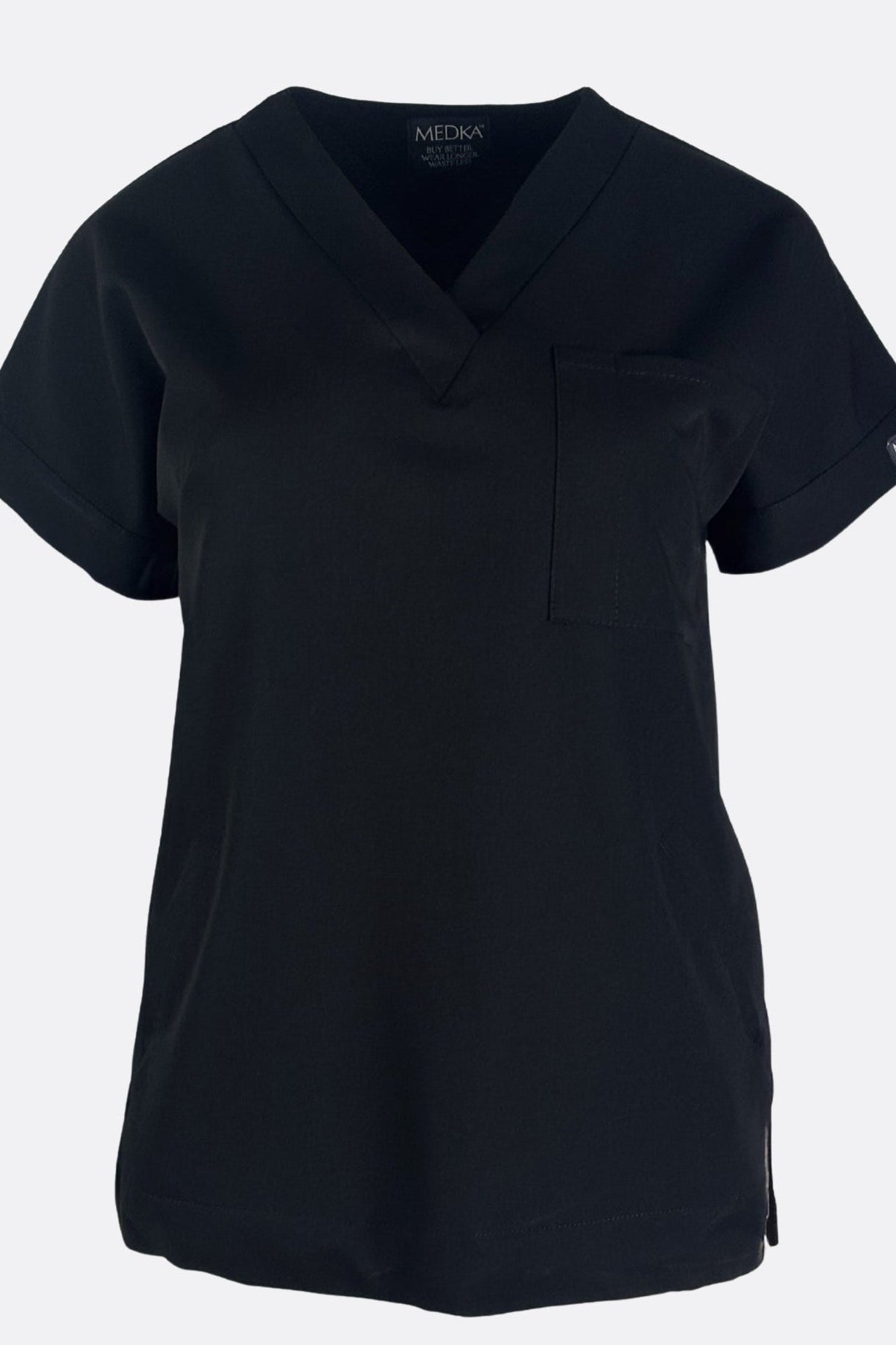
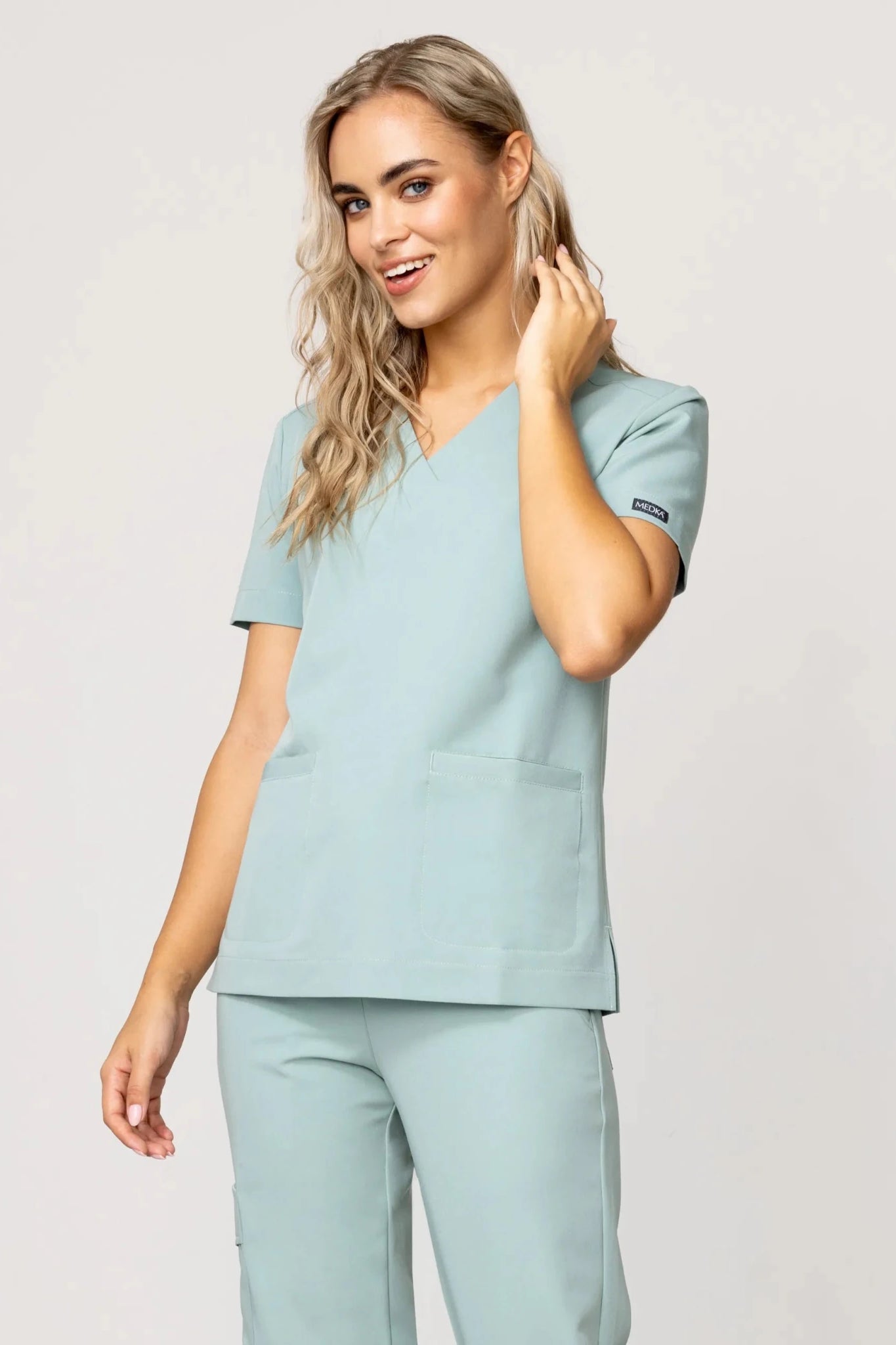
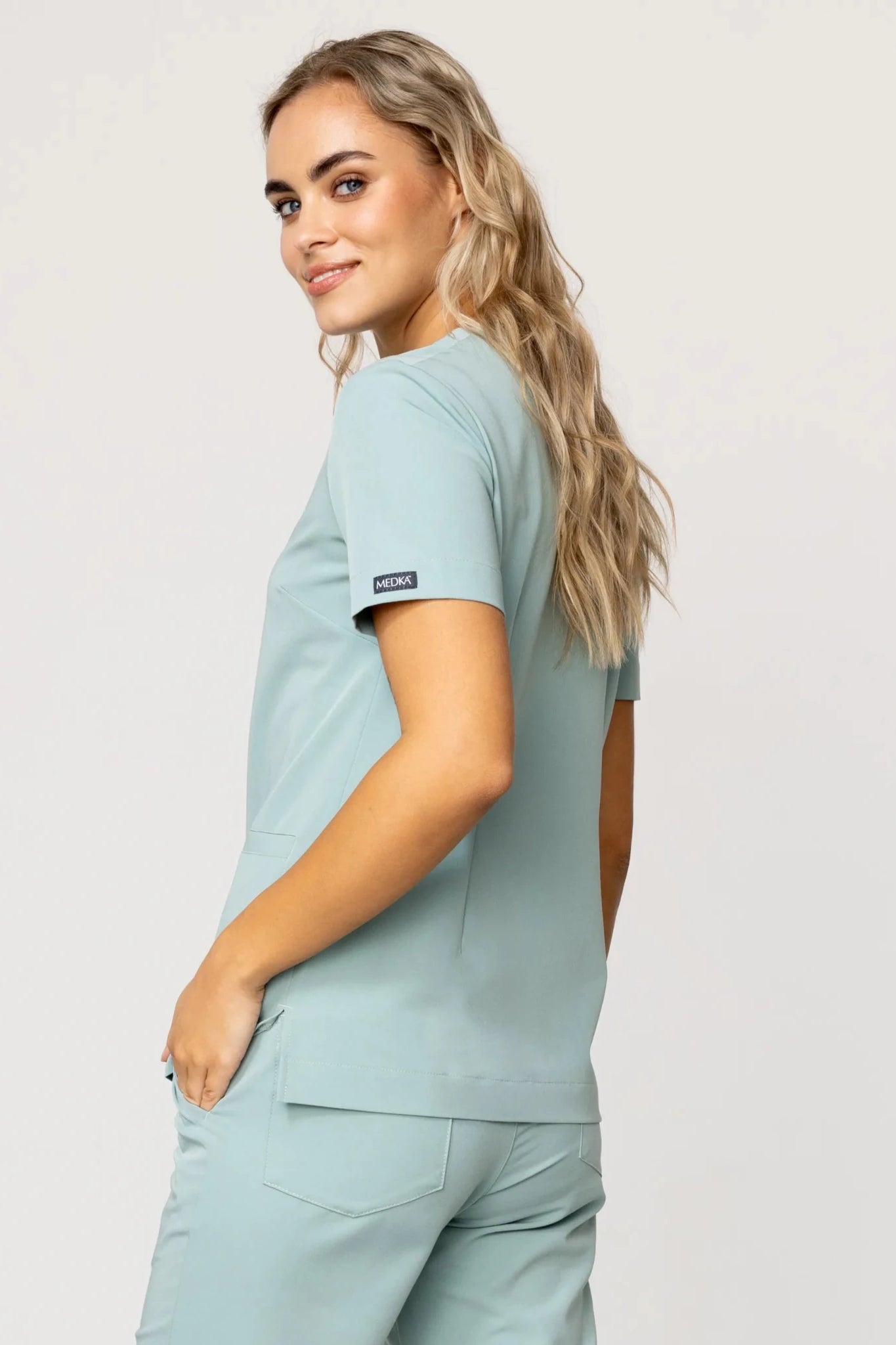
A set of scrubs is now standard in most departments. The two-piece outfit allows full freedom of movement when performing care activities, taking measurements, making beds or assisting with procedures. Good scrubs have roomy pockets (for a notebook, pen, scissors, phone), elastic, moisture-wicking material and can withstand high-temperature washing. The Medka store offers both: women's medical sets, as well as men's medical clothing, sewn in Poland from fabrics resistant to frequent washing. This is important because clothing from unreliable imports may lose its shape after several cycles at 60 degrees.
A medical coat plays a different role. In medical wards, in hospital clinics and during clinical activities, it is sometimes required as an outer garment, sometimes worn over scrubs when leaving the ward or in contact with a patient in the office. If the regulations require it, choose a model that is easy to wash and iron, for example with 3/4 sleeves, which does not conflict with the rule of exposed forearms when disinfecting hands. Well cut medical gowns They differ from "laboratory bags" in that you can work in them all day without any corrections.
What not to buy for starters? A medical gown looks great, but in a surgical ward, where you bend, kneel and lift, it can be less practical than pants. Leave it for later when you get to know the specifics of the place. Don't immediately invest in an expensive stethoscope or embroidery with a title you don't have yet. During the first internships, what counts is the kit, shoes and ID, not gadgets.
How many sets do you need and how to manage the laundry?
Here comes a detail that is omitted when planning purchases, but which turns out to be crucial during internships: laundry logistics. Medical clothing wash after every day of work, separately from regular clothes, preferably at 60 degrees. This means that one set is simply not enough.
The minimum for monthly practice is two sets, and the comfortable optimum is three. With two sets, any delay in washing (washing machine failure, rainy week without drying) puts you against the wall. The third set gives you a buffer and allows you to wash every second or third day instead of every evening. If you end up in a ward where it is easy to get dirty (surgery, emergency room, pediatrics), a spare sweatshirt in the cupboard saves the day after the first "adventure" with a dressing or a patient's meal.
The second logistical rule: you transport medical clothing to the hospital in a bag and change on the spot. Coming by bus in scrubs, in which you will soon approach the patient, contradicts the whole idea of protective clothing. For the same reason, you put on your squad shoes only in the locker room. It is worth buying a breathable bag or a clothing bag in which a sweatshirt that is wet after the day will not get steamy until tomorrow.
When shopping, check your student status: Medka offers permanent 15% discount for students after verification, which makes a noticeable difference in the budget when completing two or three sets. In addition, there is a 60-day free return policy, so if the size turns out to be wrong, an exchange doesn't hurt.
What shoes should you choose for eight hours on your feet?
Shoes are the item on which students save most and regret most often. During internships, you spend most of your shift on your feet: making rounds, transporting patients, running between rooms and the on-call office. After a week in casual sneakers, not only my feet hurt, but my spine hurts as well.
Footwear for the ward must meet several conditions resulting directly from the working conditions. Anti-slip sole, because hospital floors tend to be wet after washing and disinfection. The material is washable and resistant to disinfectants, because sooner or later something will drip on the shoes. A closed front that protects fingers against being hit by the bed wheel or falling equipment. Additionally, there is cushioning, because a hard sole on a concrete floor for eight hours is a direct path to heel pain.
The most popular choice of staff are foam clogs and profiled Crocs-type footwear, which are easy to wash and light. In category medical footwear you will find models designed specifically for long periods of standing and walking. Match your shoes with socks made of airy material; It sounds trivial, but when wearing foam footwear, regular cotton socks get soaked and chafe.
What to avoid? Open-toed shoes (some regulations explicitly prohibit them), mesh shoes that will not absorb spilled liquids, and completely flat flip-flops without heel support. These are not inventions, but conclusions from everyday life in the department.
Hairstyle, nails, jewelry: rules you will learn about on the first day
The outfit is not everything. There are rules of personal hygiene in the ward, and failure to comply with them may result in an unpleasant comment from the ward nurse during the morning round. It's better to know them in advance.
Short nails, without hybrid varnish, gel and tips. This is a sanitary requirement, not an aesthetic one: microorganisms accumulate under extended nails and in micro-cracks in the nail polish, which cannot be removed by standard hand disinfection. Many facilities apply the "nothing below the elbow" rule: no rings, bracelets or watches on the wrist when working with a patient, because they hinder effective hand hygiene and may injure the patient during care. A watch attached to a sweatshirt or in a pocket solves the problem of reading the time during measurements.
Tie long hair so that it does not fall on your face and the work area. Practical tip: a soft scrunchie holds better than a thin silicone one and does not pull the hair when worn for many hours. Additionally, an ID with the student status and name of the university, usually required by regulations; it's convenient to carry it on a holder on your shirt instead of on a lanyard hanging above the patient. Some medical sweatshirts, including Medek models, have sewn-in ID holders, which eliminates the lanyard completely.
Discreet makeup, perfume sparingly. There are patients in the rooms suffering from shortness of breath, nausea after chemotherapy or migraine, for whom the intense smell is a real discomfort.
What will work in which department?
After the first year, internships usually involve nursing care in a conservative ward, but in the following years you will go through surgery, pediatrics, intensive care and gynecology. The requirements for the outfit then change subtly and a well-completed base allows you to purchase individual elements instead of entire sets.
| Place of practice | What works | What to watch out for |
|---|---|---|
| Internal medicine department | Scrubs + comfortable clogs, a spare sweatshirt | Lots of maintenance, easy to get dirty |
| Surgery / block | Scrubs (you will get hospital surgical clothes in the block) | Don't invest in your own clothes, you'll end up changing anyway |
| Pediatrics | Colorful scrubs, pins, cheerful accents | Avoid dangling jewelry and lanyards, kids grab anything |
| Emergency room / emergency room | Darker colors, full protection shoes | The pace of work, white sets quickly lose their freshness |
| Hospital clinic | Apron for clothes or scrubs + apron | A neat "office" appearance is more often required |
The issue of color can be underestimated. If the university or hospital does not impose white, darker and intense colors (navy blue, emerald, espresso) are simply more practical in surgical wards, and pastels work well in pediatrics, where they soften contact with a small patient. The palette of the Medka collection includes several dozen colors, from classic white to deep navy blue, so you can match your outfit to both the regulations and the department. One practical note: if you can go to different places during subsequent internships, buy neutral colors that will go everywhere, and leave the crazy colors as the third set.
How much does all this cost? Real life example
The clash between expectations and reality is best demonstrated by the story of two nursing students from the same year, let's call them Ola and Kasia, who started their summer internships as internal medicine students in July.
A week before the internship, Ola bought one white set from the marketplace for PLN 89 and decided to wear old sneakers. After three days, she had a problem: after washing at 60 degrees, the set shrunk and turned gray, and the only set meant washing every night. In the second week, abrasions occurred from the shoes, which were not designed for eight-hour standing. Finally, halfway through the internship, she hurriedly bought a second set and clogs, paying the full price and waiting for the courier in the middle of the training.
Kasia calculated differently. She verified her student status for a 15% discount, pre-ordered two navy blue sets and one spare sweatshirt, plus foam pads. She spent more at the start, about PLN 550 after the discount, but for the entire month she washed clothes every other day, didn't buy anything extra, and the sets after the stay looked so good that they served her in clinical classes for the entire next academic year. In terms of months of use, her "more expensive" choice turned out to be cheaper than buying Ola twice.
The conclusion from this example is simple: it is better to plan the budget for the first internship as an investment for 2-3 years of practical classes, rather than a one-time expense for one training session. Approximately, it looks like this (as of July 2026):
| Element of layette | Price range | Comments |
|---|---|---|
| Scrub set (sweatshirt + pants) | PLN 300-450 | A good fabric will withstand years of washing at 60°C |
| A second set or a spare sweatshirt | PLN 150-400 | Minimum safety for daily washing |
| Medical footwear | PLN 100-260 | Anti-slip, washable, closed front |
| Apron (if required) | PLN 250-350 | Check the terms and conditions before you buy |
| Little things: socks, elastic band, ID holder | PLN 30-80 | Underrated, but used every day |
Add a student discount where available and check the returns policy. In the case of clothes that you buy without trying them on, the long return period (60 days at Medka) actually eliminates the risk of ordering two sizes for a trial.
How to organize it all before the first day?
Let's gather the threads into one action checklist. First, information: an e-mail to the internship supervisor and reading the university regulations will determine whether you need scrubs, an apron or both, and whether you are required to wear a specific color. Then shopping at least two weeks in advance: two sets (ultimately three), department shoes, a clothing bag, an ID badge. Choose fabrics resistant to high-temperature washing and cuts with pockets, because your hands are busy in the ward and your notebook and pen must always be with you. Finally, personal hygiene: short nails without decorations, tied up hair, jewelry left at home.
A well-chosen outfit will not interview the patient or put on a cannula for you. However, it will do something else: it will allow you to stop thinking about something pushing, rubbing or falling apart, and focus all your attention on what you really came to the ward for. And the certainty that you look like part of the team and not a random guest makes the first conversations with both patients and staff easier. If you are assembling your layette from scratch, check out the offer of the Polish brand Medka: clothing sewn locally, with long hours of work in mind, with a student discount and safe return, which is exactly what you need before your first internship.
Frequently asked questions
Below are short, specific answers to questions most often asked by students preparing for internships in hospitals. If you are looking for a quick solution to a single doubt, you will find it here.
Does the hospital provide clothing for students during internships?
As a rule, no. The facilities provide surgical clothing in the block and disposable protective equipment (gloves, masks, non-woven aprons), but students buy everyday medical attire and footwear on their own. Exceptions do happen, so always confirm before purchasing.
Do you have to wear white clothes for practice?
Only if required by the regulations of the university or institution. More and more hospitals are admitting people of color scrubs, and in pediatrics they are even welcome. When you're not sure, white and navy blue are safe choices that are accepted almost everywhere.
How do I get to the hospital for my internship?
Wear regular clothes and carry your medical uniform in a bag and change in the locker room on site. Walking around the city in department clothing violates hygiene rules and is expressly prohibited by regulations in many facilities.
Can I have my nails painted during internships?
Not if you're working with a patient. Varnish, hybrid and extended nails make effective hand disinfection difficult and are prohibited by the hygiene procedures of most hospitals. Short, natural nails are a standard that is strictly adhered to.
What to pack in your bag for the first day of internship?
Medical uniform, variable footwear, ID badge, notebook and pen, small bottle of water and something to eat. A referral for internships, an identity document and proof of insurance, if the university requires it, will also be useful. Keep your phone on silent in your sweatshirt pocket.
Does a student have to have their own stethoscope for internship?
In care placements after the first year, usually not. The stethoscope becomes necessary in physical examination classes and clinical practices in the following years. If the internship program does not mention it, you can safely postpone this expense.
How often should you wash medical clothing from your practice?
After each day of work in the ward, separately from other clothes, preferably at 60 degrees. Therefore, the minimum is two sets in rotation, and when choosing clothing, check the fabric's resistance to washing at high temperatures.