




The medical shopping list can grow with each page you read. Someone writes that a stethoscope is necessary, someone else says it will stay in a drawer for a year. Someone says to buy three aprons, someone says one is enough. The problem is that the medical admission kit is not one universal set, but a function of which university accepted you, what the regulations of its anatomy department are like and when your first internship is. Three thousand zlotys spent in August before anyone tells you whether the apron should be fastened at the front or tied at the back is the most common financial mistake among first-year students. It can be avoided, but you need to know what determines the choice of each element.
Why is the order of purchases more important than the list itself?
The cheapest layette is not the one in which each item costs little. This is the one where nothing was bought twice. Splitting purchases into three waves, instead of throwing everything into the basket in August, can reduce the total cost by several hundred zlotys and practically eliminates the risk of buying the wrong model.
The first wave includes things that are needed in the first week of classes and whose regulations leave no doubt: dissecting apron, white headgear, variable footwear. The second wave, which comes into play after about a month, includes equipment whose need will only be verified in practice: tweezers of a specific shape, additional gloves, possibly a second apron if it turns out that anatomy classes fall on Monday and Thursday and the formalin does not dissipate from the cotton in one afternoon. The third wave is shopping for summer internships after the first year: scrubs, shoes for the hospital floor, ID badge.
This logic has one source. The regulations of anatomy departments vary between universities and, even worse, between classes of the same university. The teaching guide of the Medical University of Warsaw for the first year of medical studies clearly states that only people wearing a white surgical gown fastened at the back, a white scarf or surgical cap, with sleeves rolled up to the elbows and a mask covering the mouth and nose are allowed to enter the autopsy room, while short shorts and mini-skirts are excluded. Someone who came in wearing a regular lab coat that buttoned in the front was told to wear a proper one for the next class. At another university, the same student would have passed without attention. This is not a stylistic nuance, but a condition for being allowed to exercise.
The conclusion is not very romantic: the first element of the layette is not an apron, but a telephone number to the secretary's office of the anatomy department or an e-mail to the year's supervisor. The question is: what exact apron, what headgear, and whether the university sells the sets on its own. This last option is sometimes the cheapest and is surprisingly rarely known about.
Dissecting coat and laboratory coat: what is the difference?
This distinction is confusing to most people, because in common parlance both are simply called "white coats". The difference is structural and results from what each of them protects against.
The dissecting (anatomical) apron ties at the back, has a full front without a neckline, long sleeves and reaches at least the knees. The fastening at the back is not a whim of tradition. The front of the clothes in the dissecting room is supposed to be a continuous, uninterrupted barrier, because it is in contact with the autopsy table and the specimens. The buttons and zipper at the front create a line that formalin and liquids can seep into the clothes underneath. A separate symbolic dimension comes into play here: full covering of the body in the room where people who donated their bodies for educational purposes lie is a matter of respect, not aesthetics. The presenters take it seriously.
A lab coat fastens at the front, usually with buttons or snaps, and protects against reagents in biochemistry, histology, or molecular biology. Models with snaps have a practical advantage: if you spill something corrosive on yourself, you can take them off with one pull, while undoing six buttons takes those few seconds you don't have.
| Feature | Dissecting apron | Lab coat |
|---|---|---|
| Clasp | at the back (strings or snaps) | in front |
| Collar/neckline | high, no neckline | classic, with a turn-down collar |
| Pockets | little or none | usually 2-3 |
| Length | at least to the knees | any length, often to mid-thigh |
| Key activities | anatomy, dissecting room | biochemistry, histology, molecular biology |
| Is one enough? | depends on the frequency of classes | usually yes |
| Risk of rejection in class | high with the wrong model | negligible |
Practical consequence: if the budget allows only one apron, you buy a dissecting apron, because it is a condition for entering the room. Laboratory work can often be borrowed, and in many departments its role has been gradually decreasing since some universities withdrew general chemistry classes from the first-year curriculum. It won't work the other way around: you can't replace autopsy with laboratory.
As for the number of pieces, one is enough if anatomy exercises take place at the beginning and end of the week. Then you will have time to wash and dry it. If you have them on consecutive days, a second apron is no longer a luxury. The formalin soaks into the fabric and does not air out. Washing at 60 degrees with a separate rinse, separately from the rest of the clothes, is a standard procedure that no one warns about.
When do you really need a stethoscope?
Short answer: not in the first year. Honest answer: probably not in the first year, but there are exceptions that are worth understanding.
The stethoscope comes into use in the introductory part of internal medicine, i.e. most often in the second or third year, when you start taking a history and learning about physical examination. Until then, it lies in a drawer and loses value as the membranes age, the cables stiffen, and the models are refreshed. When you purchase it in August before the first year, you pay full price for the equipment you will start using two years later.
The exception is summer internships. After your first year, you usually do a nursing internship where auscultation is not part of your job, but if you end up on a ward where the team is open and allows you to stand at the patient's bedside under supervision, your own stethoscope opens doors that an empty pocket won't. This is a real situation, not a hypothesis. People who have the equipment are invited to listen. People who don't have it are invited to watch.
So the calculation looks like this: if you are planning an active summer internship and can afford to spend PLN 350-700 for a reasonable initial model, buy it in the summer after the first year, not before it. If the budget is tight, wait until propedeutics and borrow equipment from the student rotation this year. No one refuses to lend a first-year a stethoscope for one shift.
A separate issue concerns models. It is tempting to buy a high-quality cardiac stethoscope right away because "it will last a lifetime." In practice, in the hands of someone who has never listened to the heart, more expensive equipment does not make anything easier. The difference in acoustics between the PLN 400 model and the PLN 1,400 model becomes audible only when you can distinguish a systolic murmur from a diastolic murmur. Previously, it was an expense for appearance.
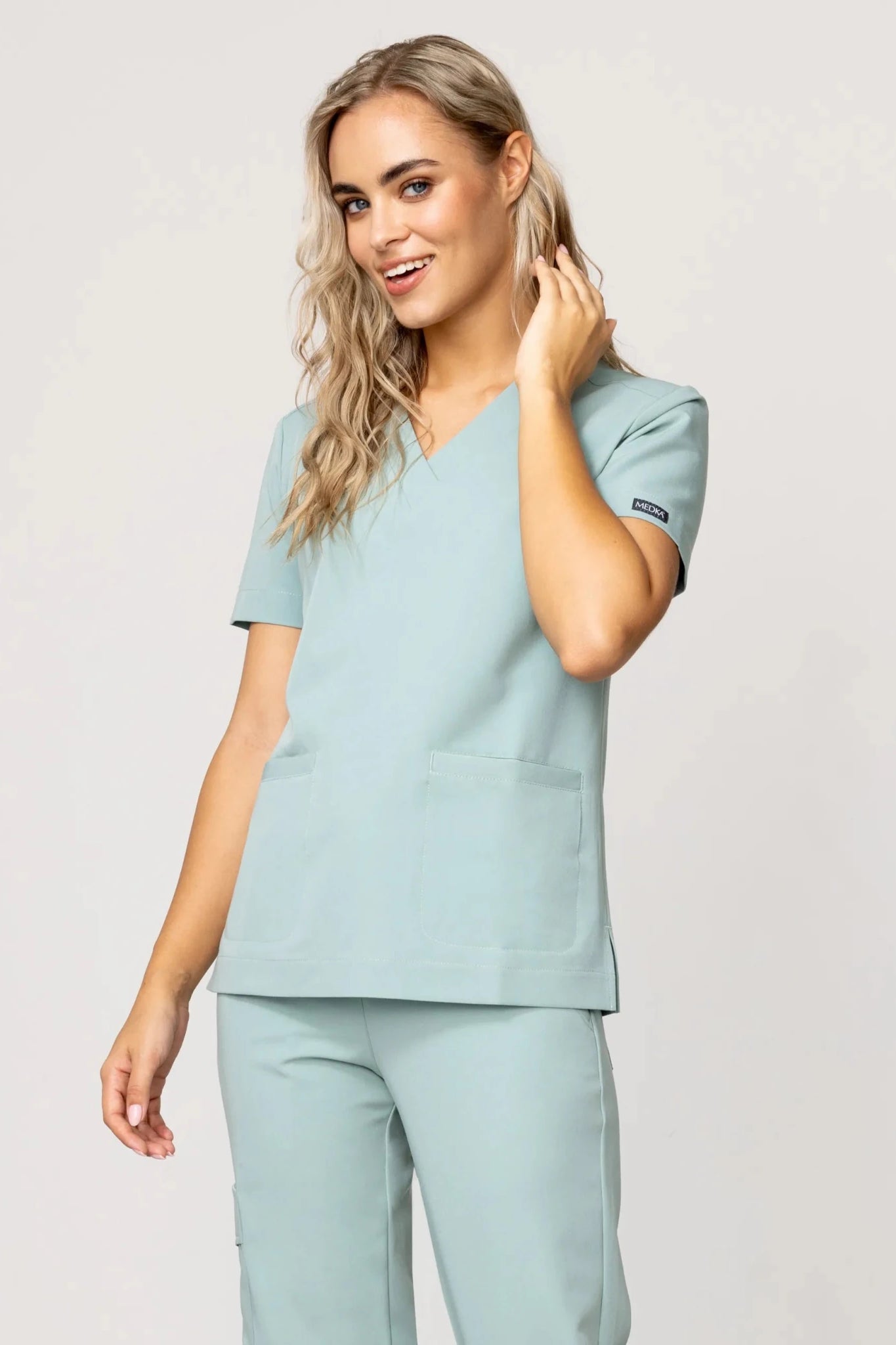
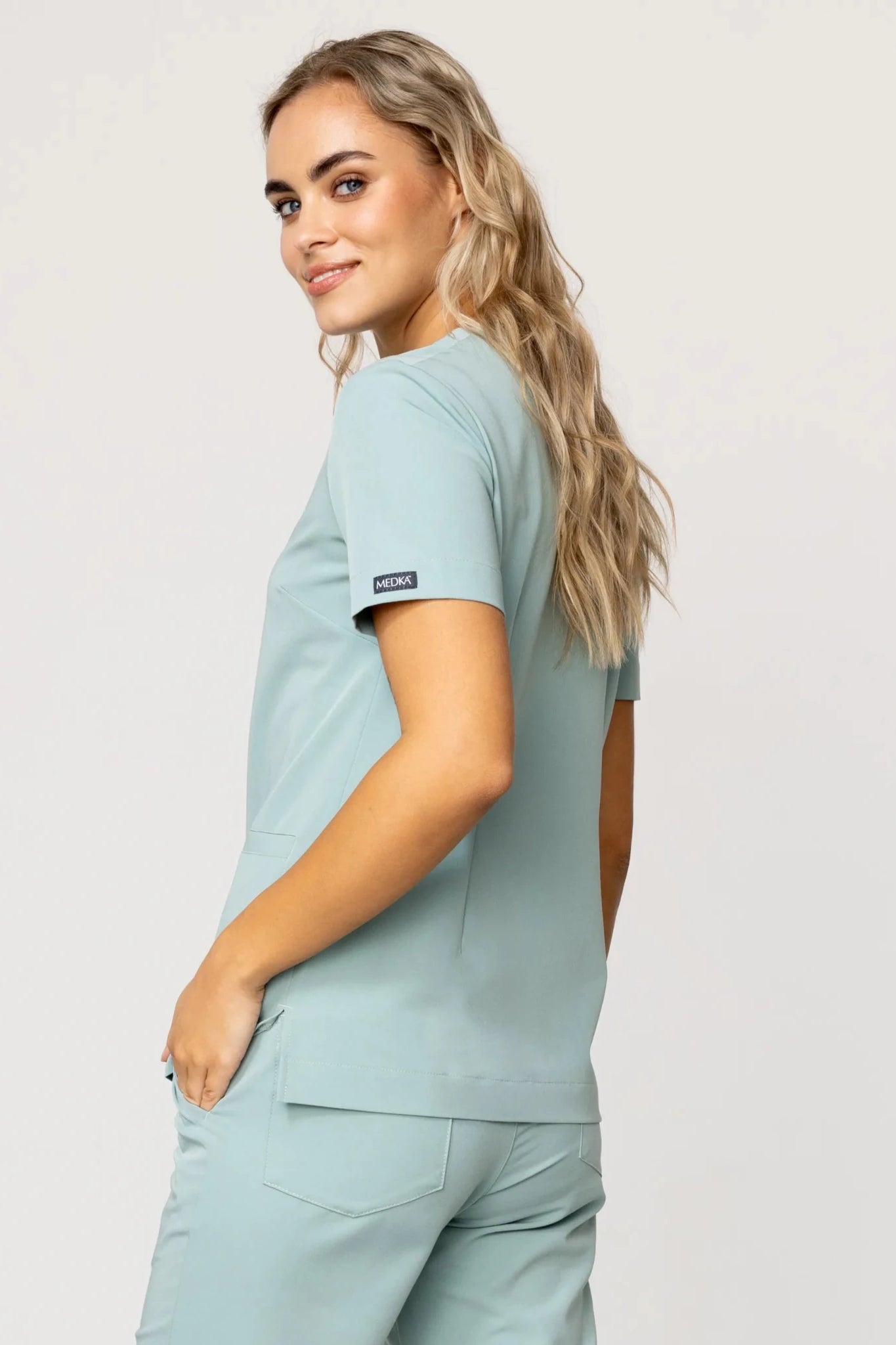
Scrubs, footwear and medical clothing: what can you find in Medka's offer?
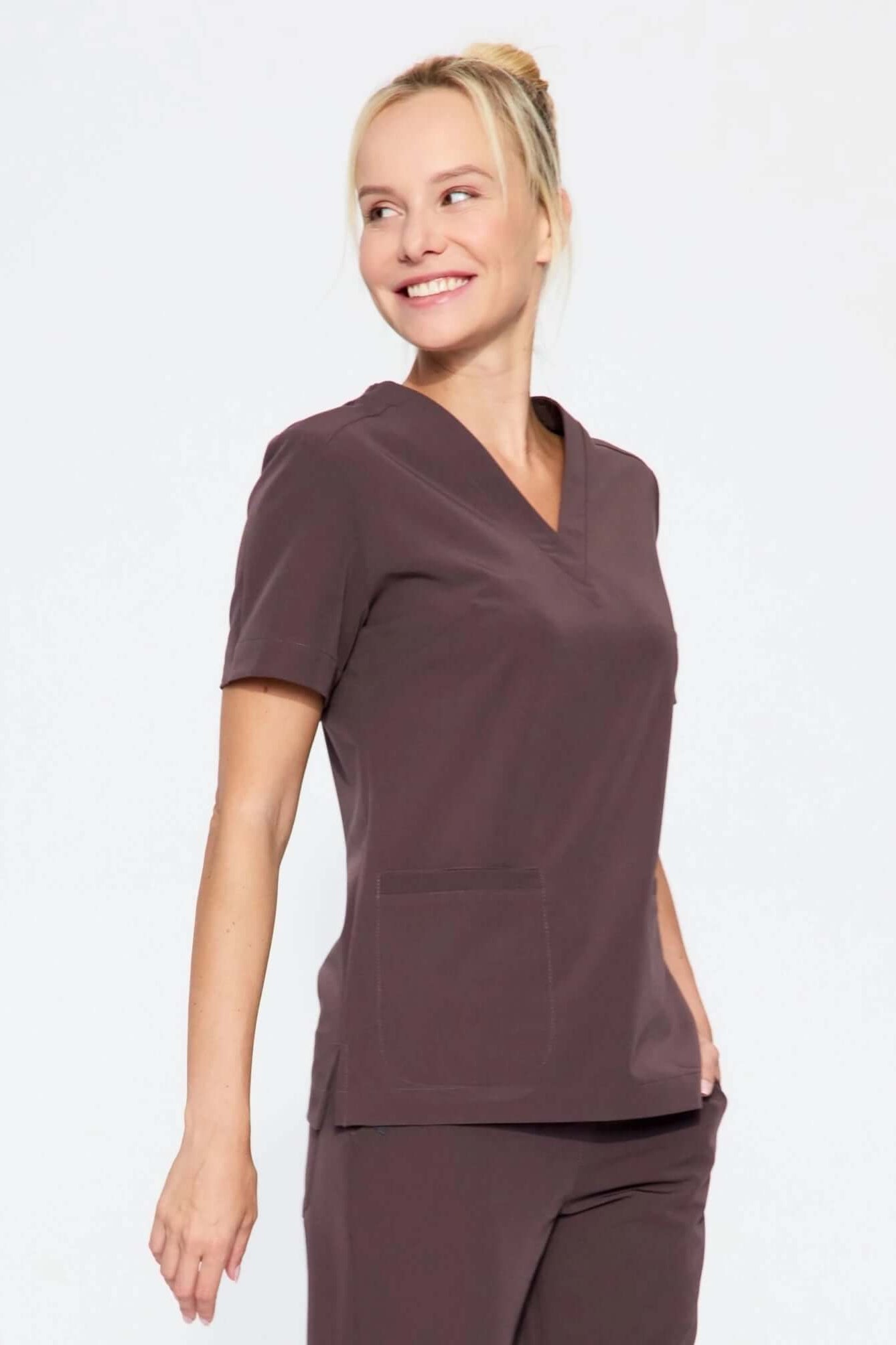
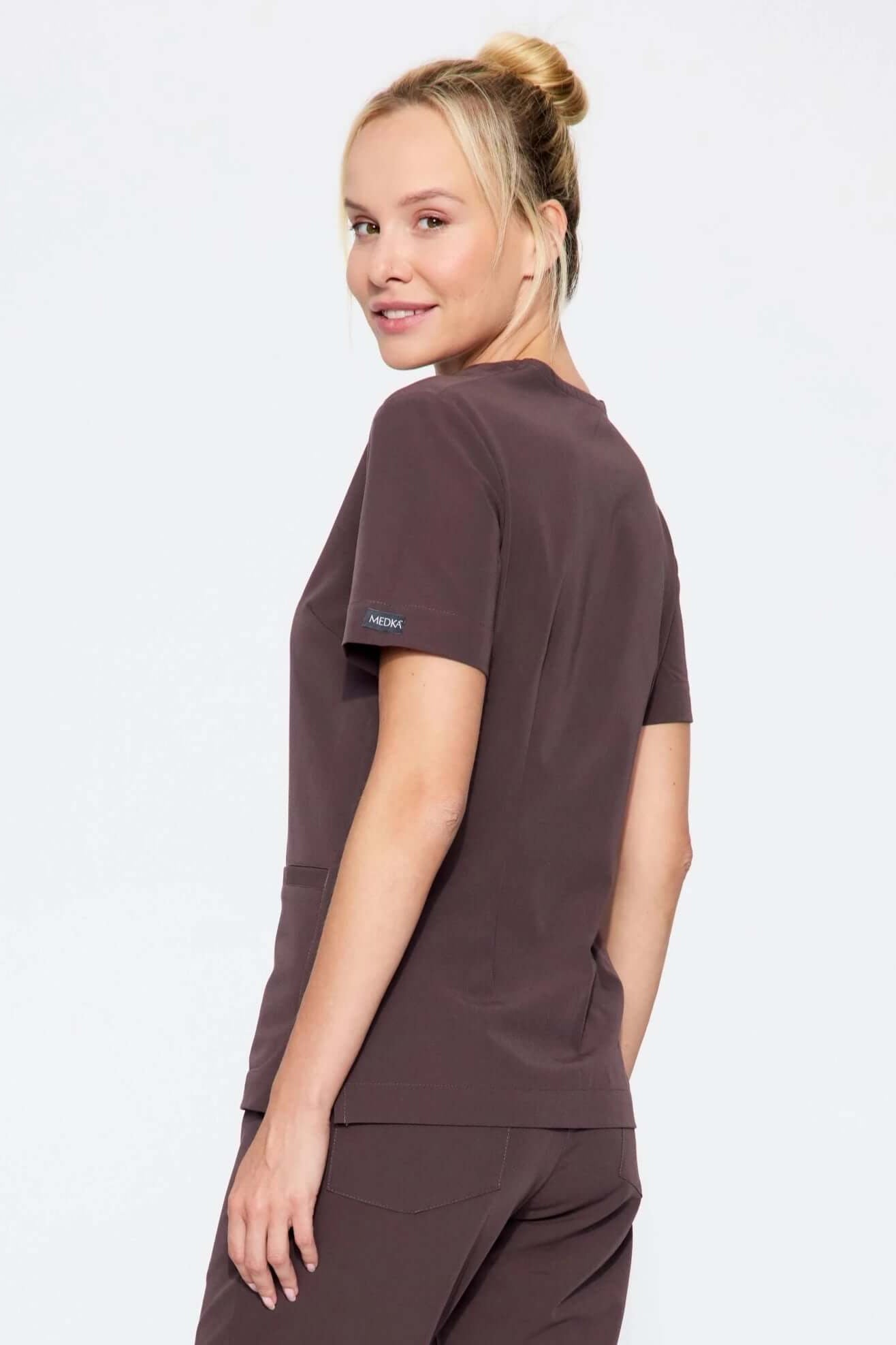
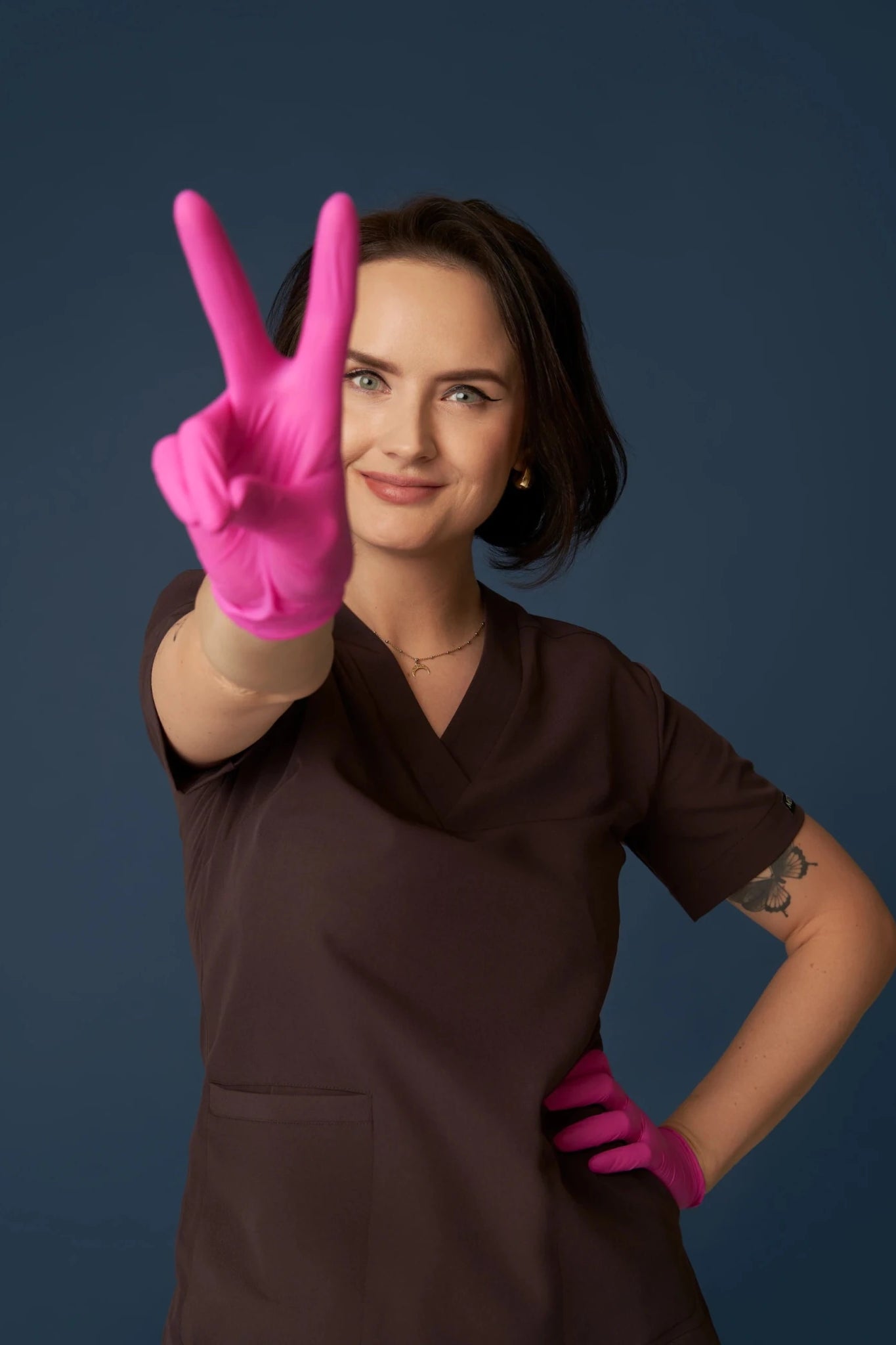
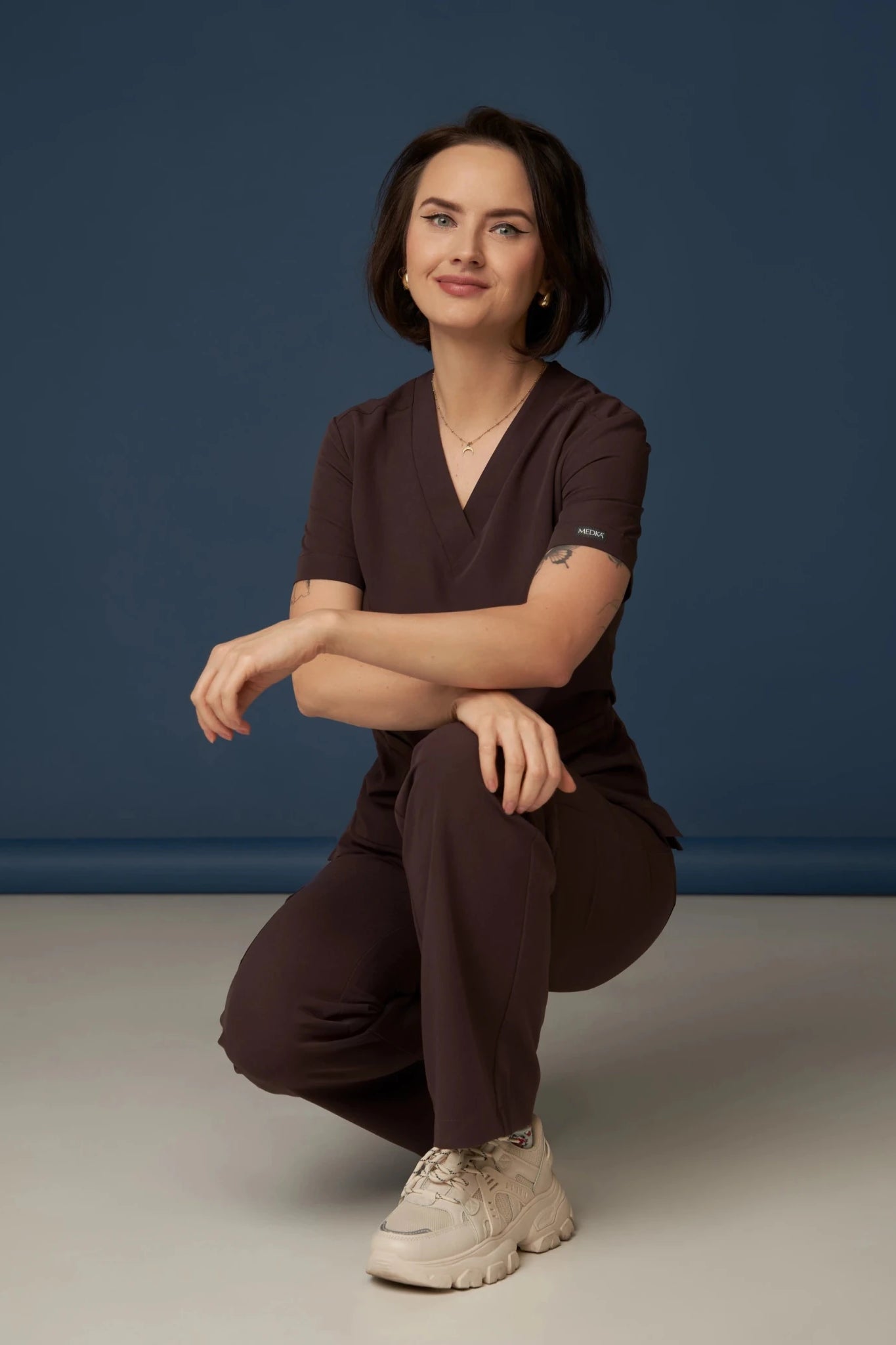
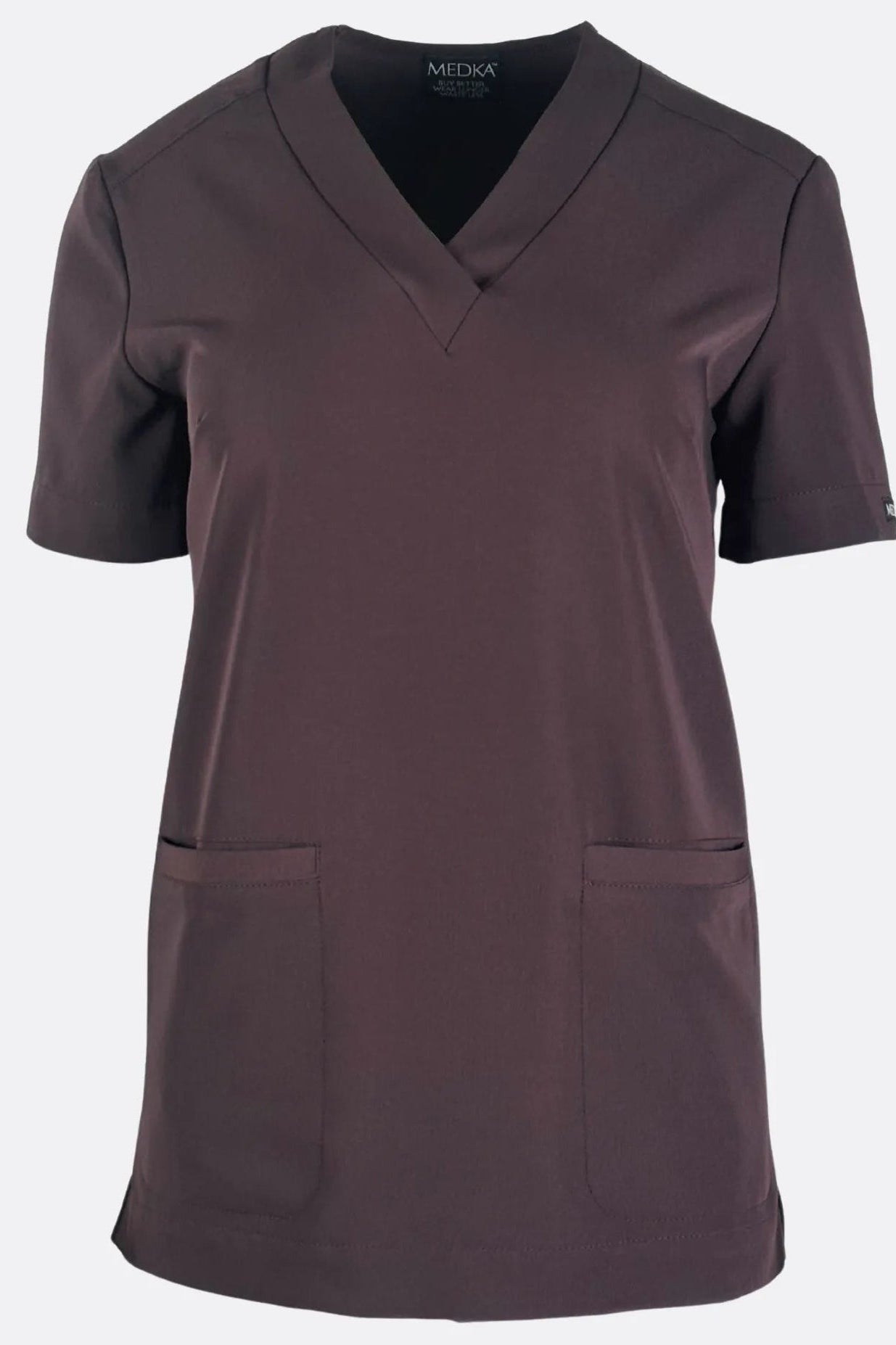
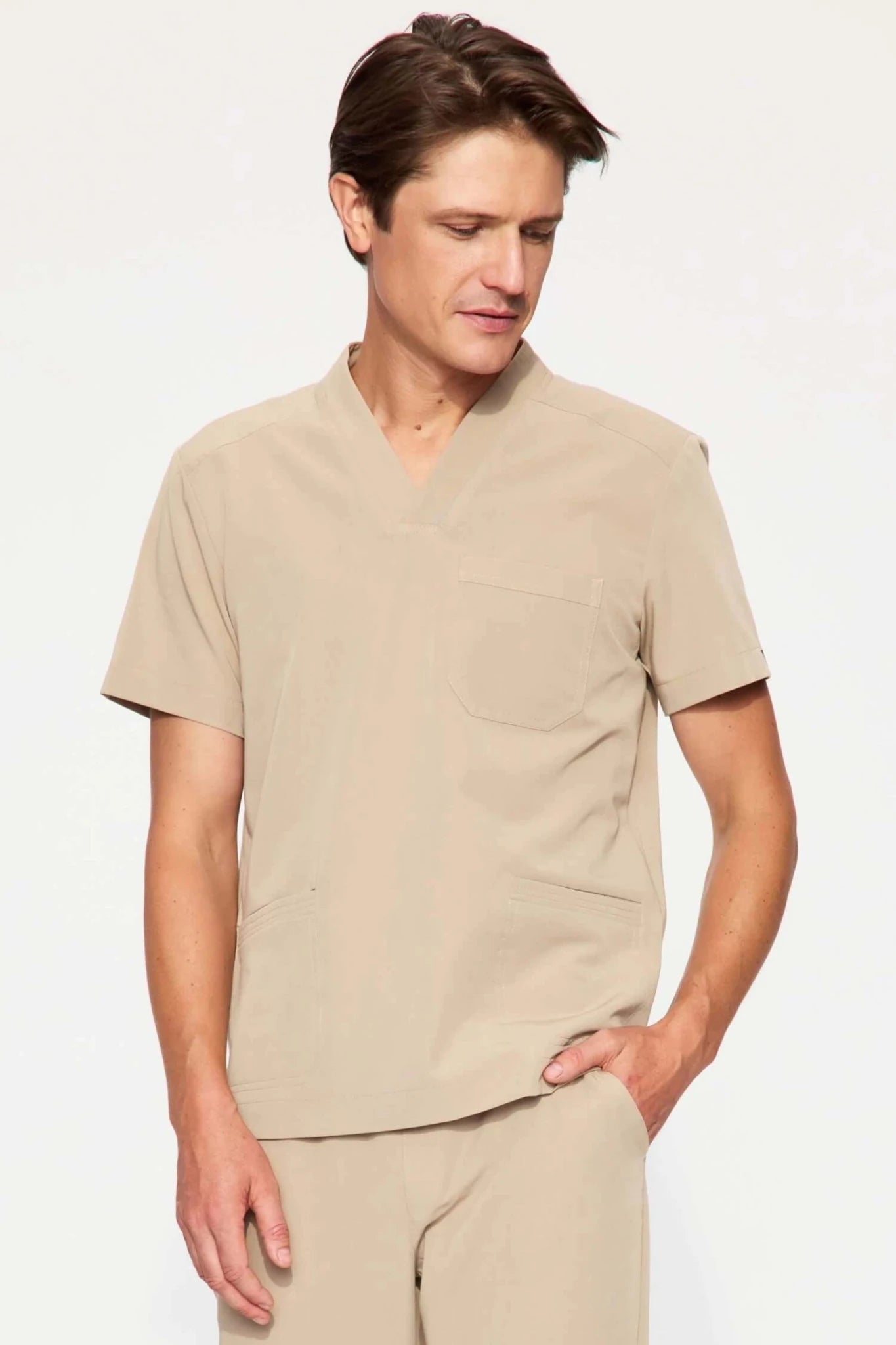
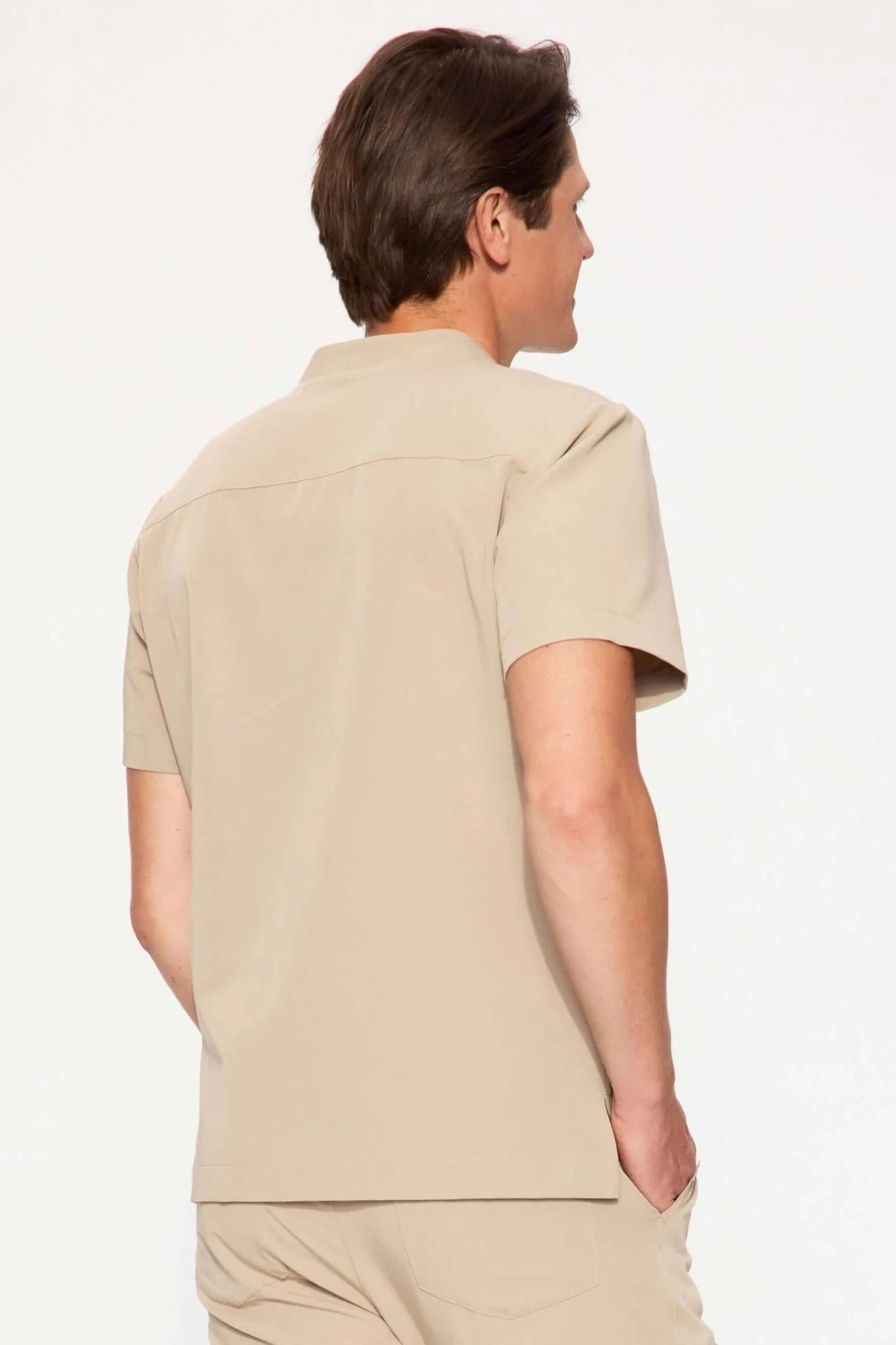
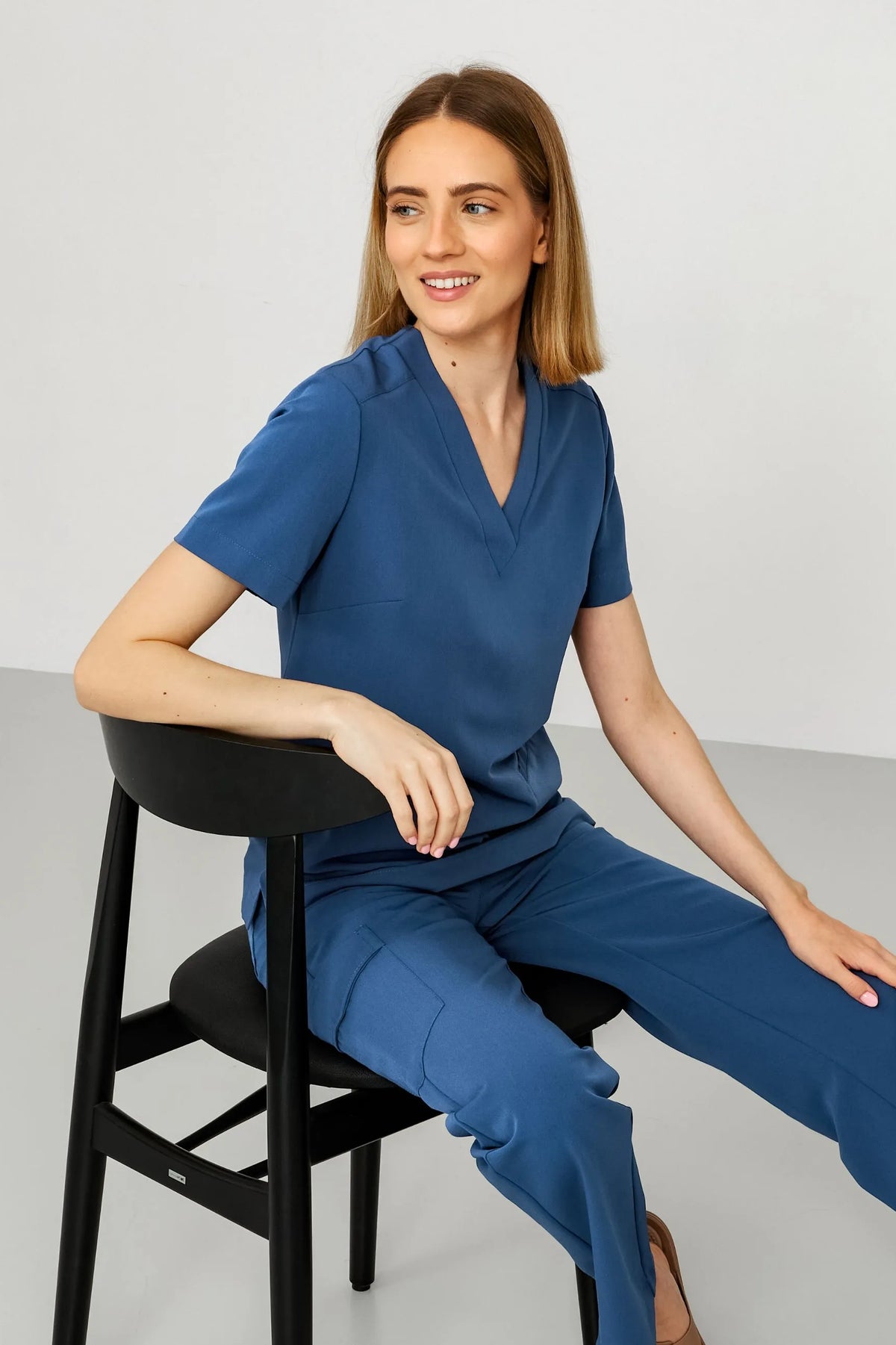
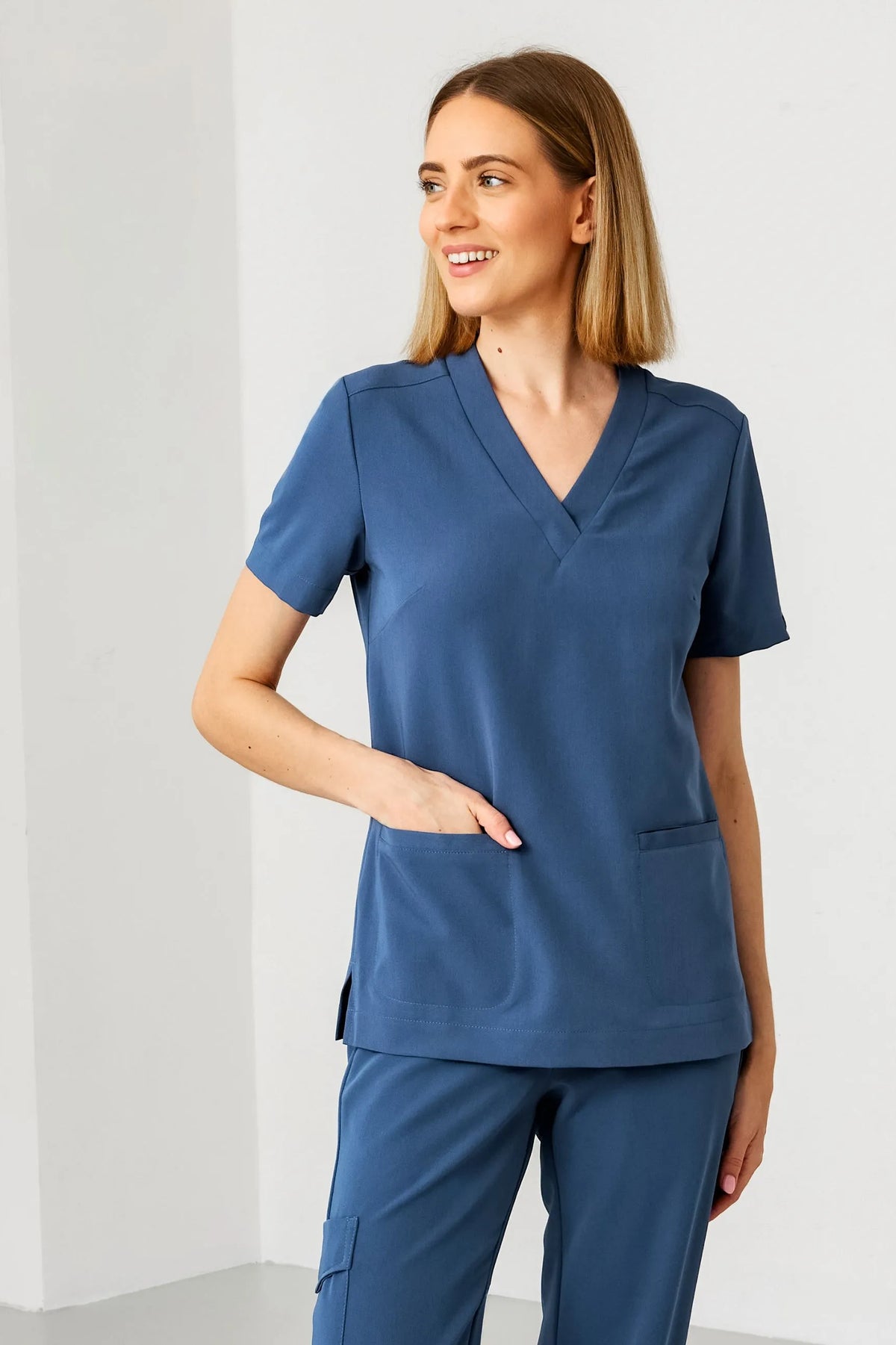
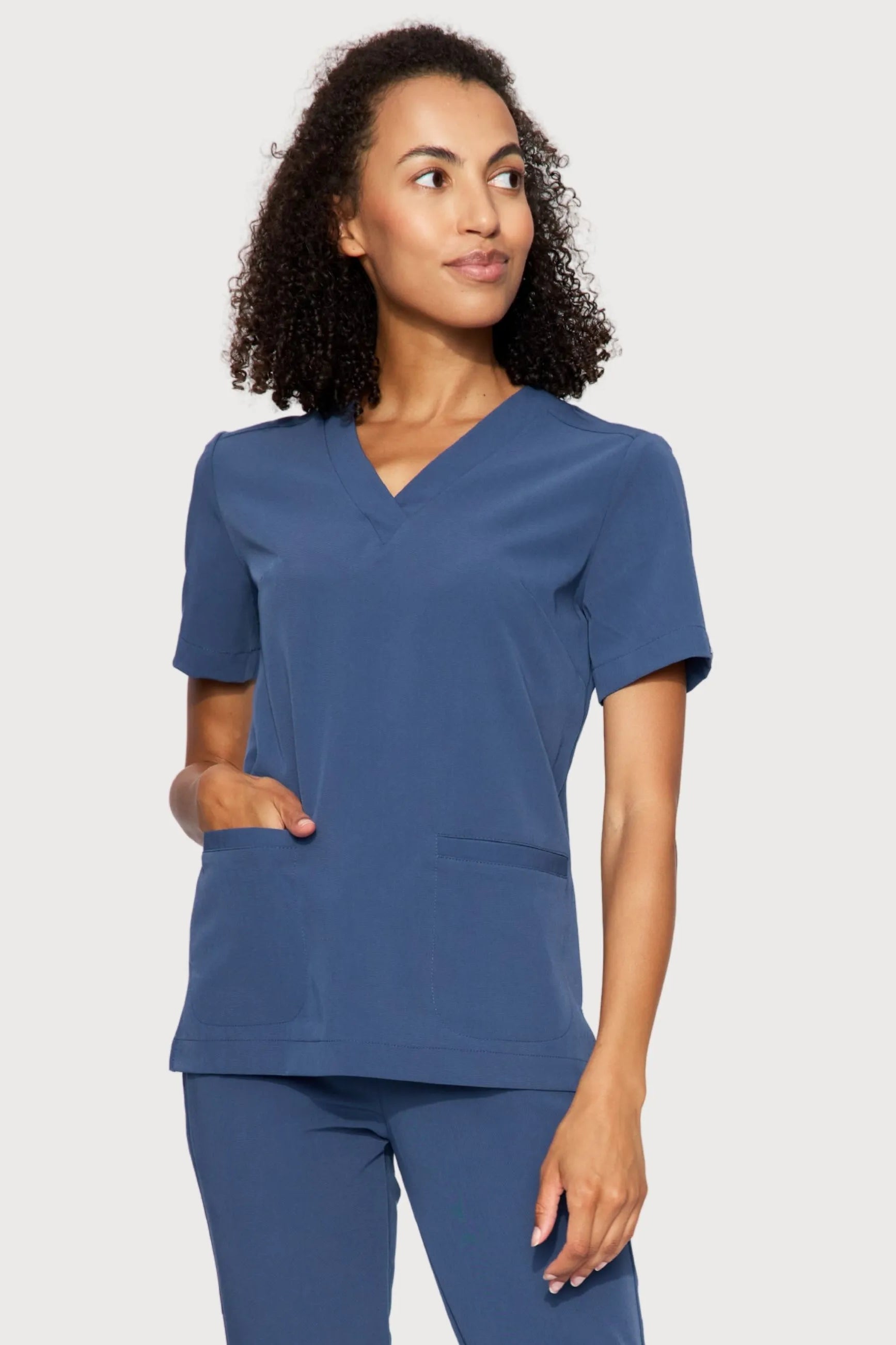
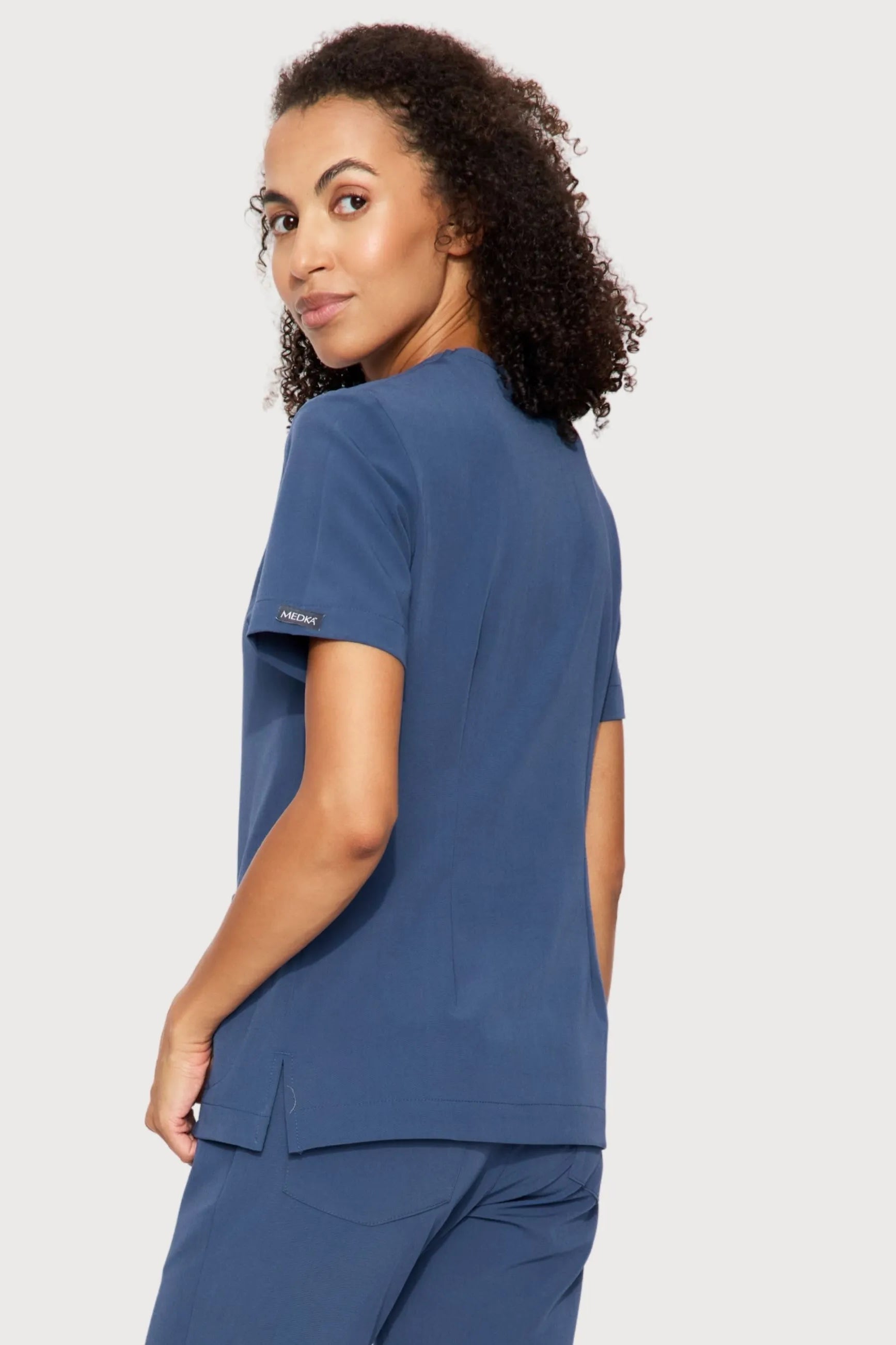
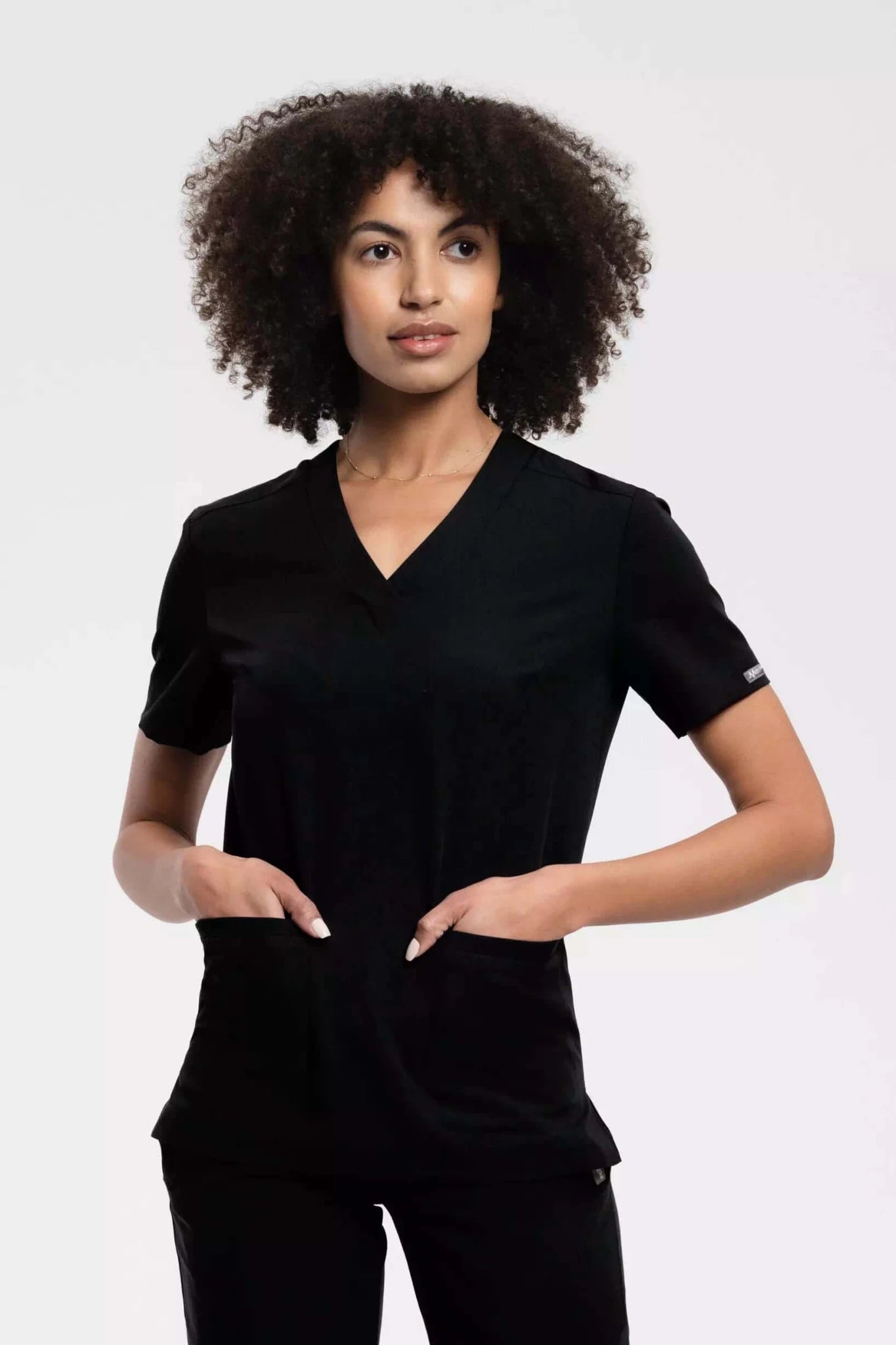
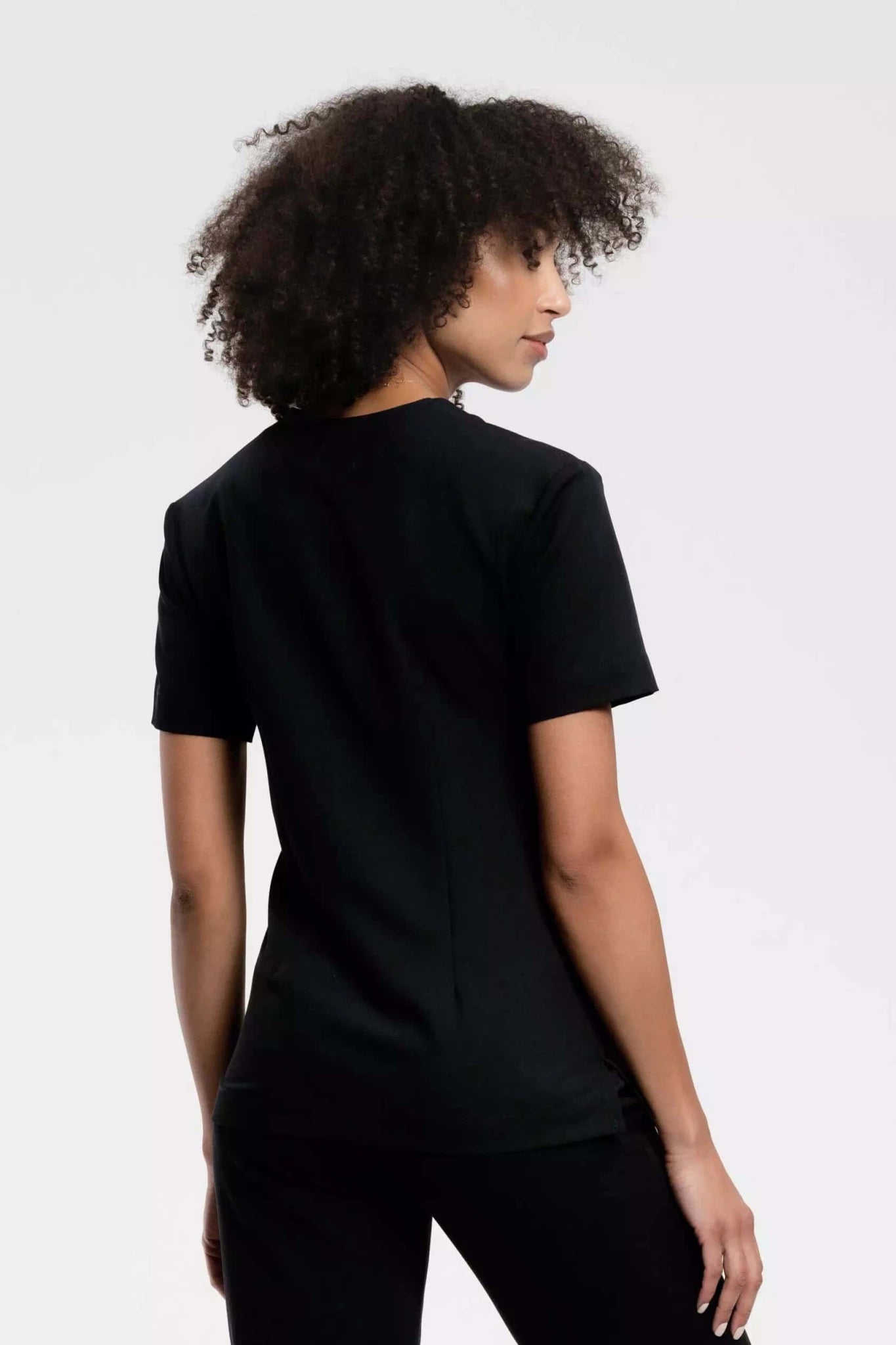
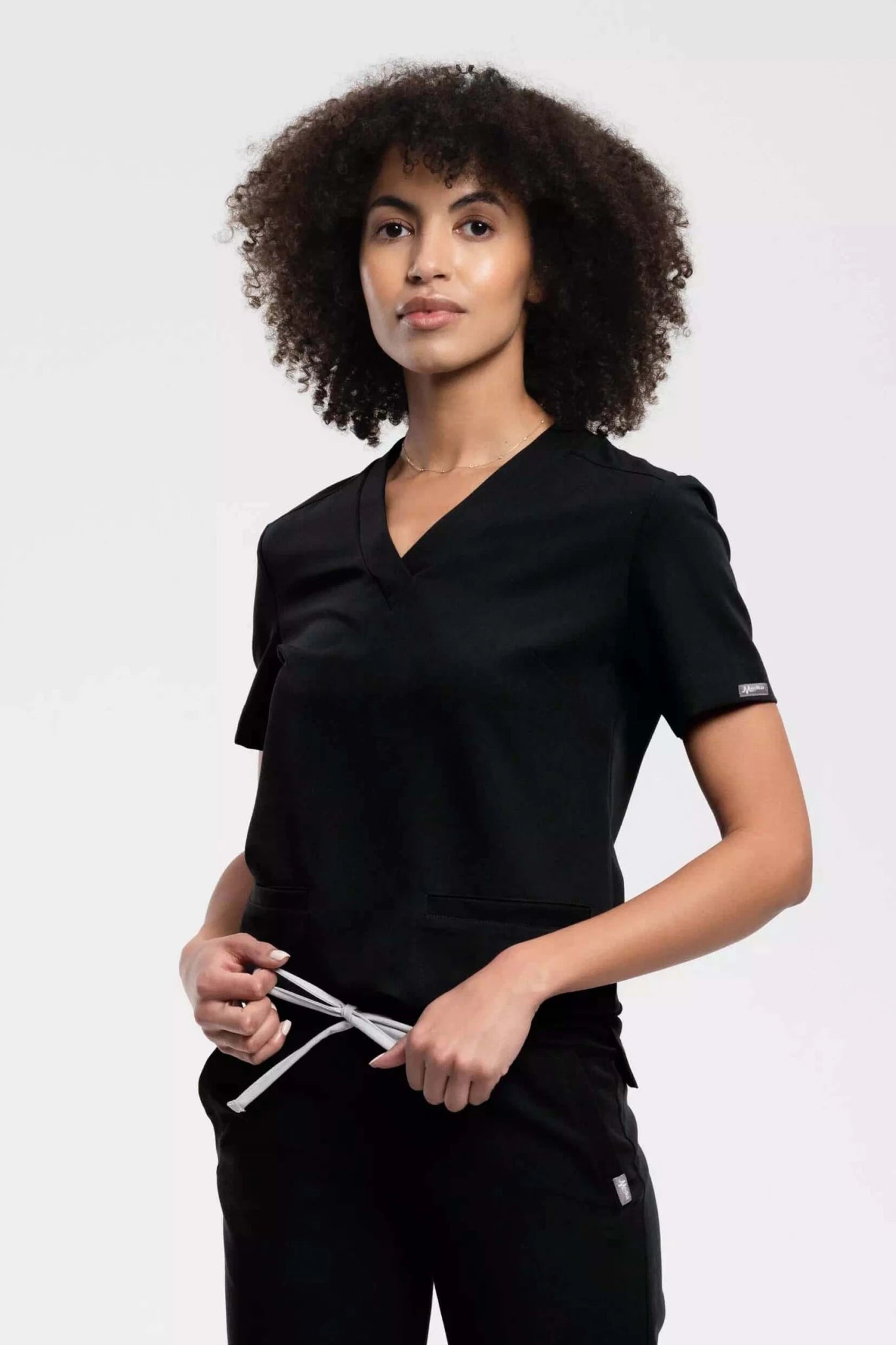
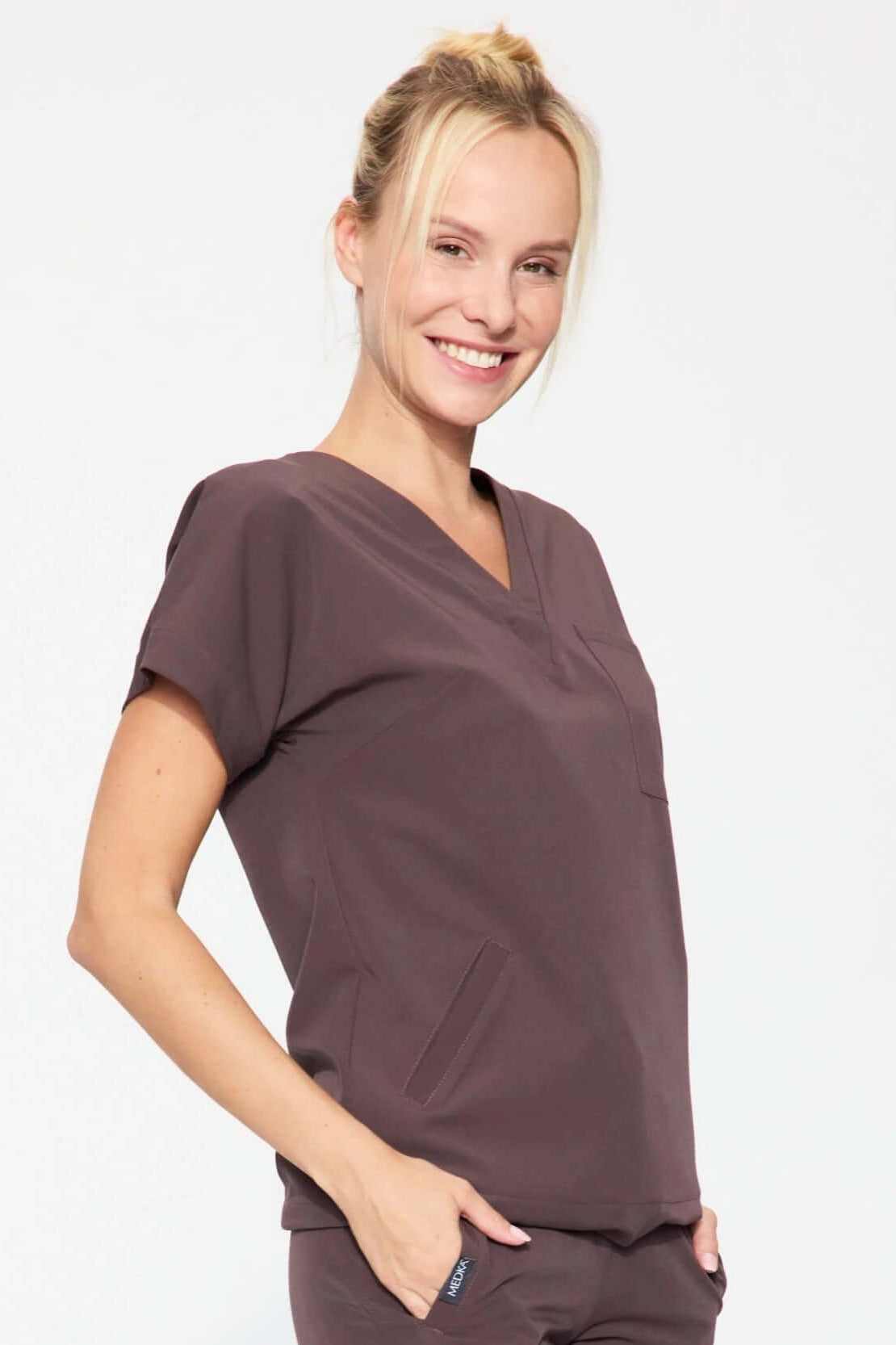
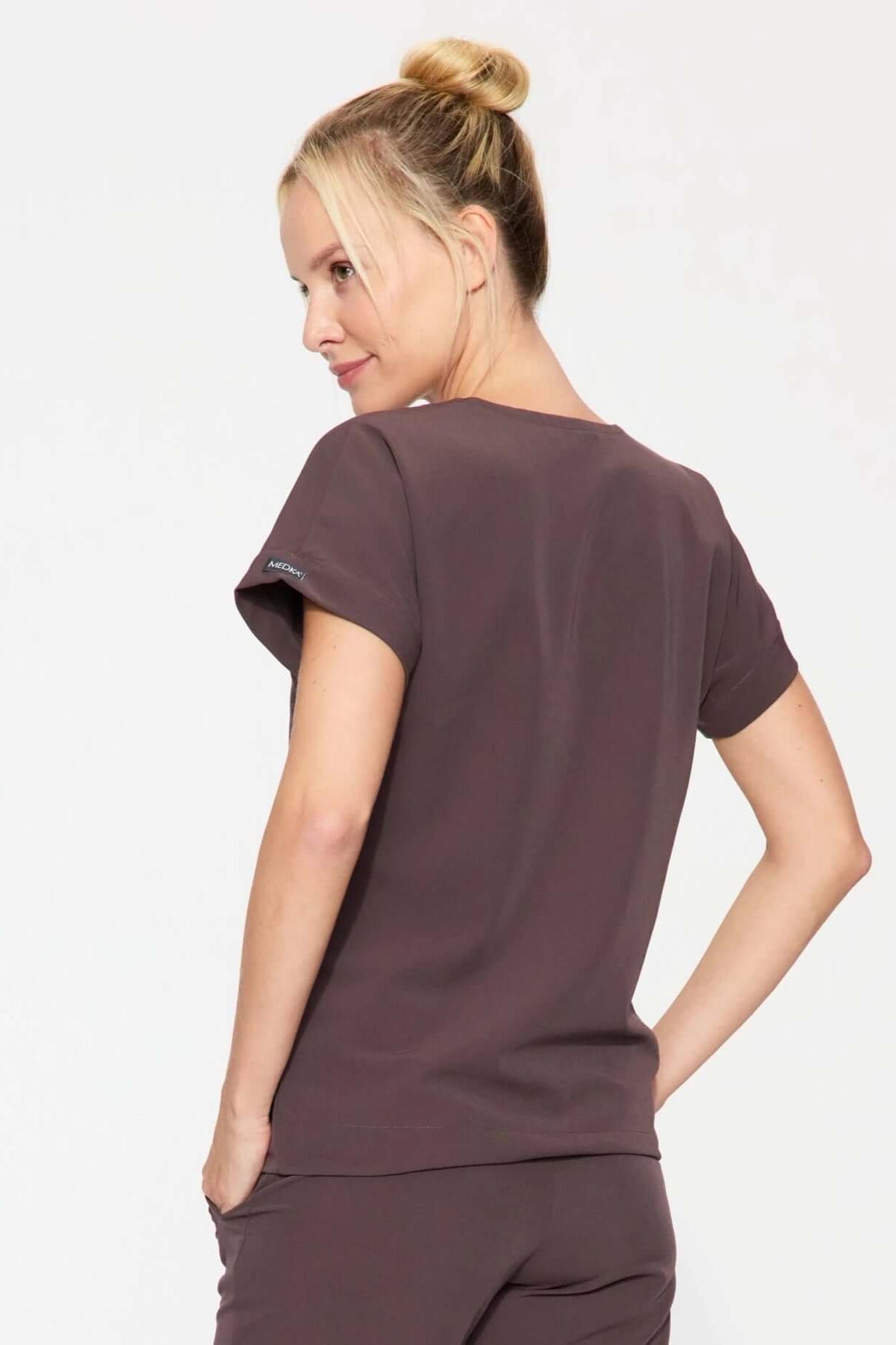
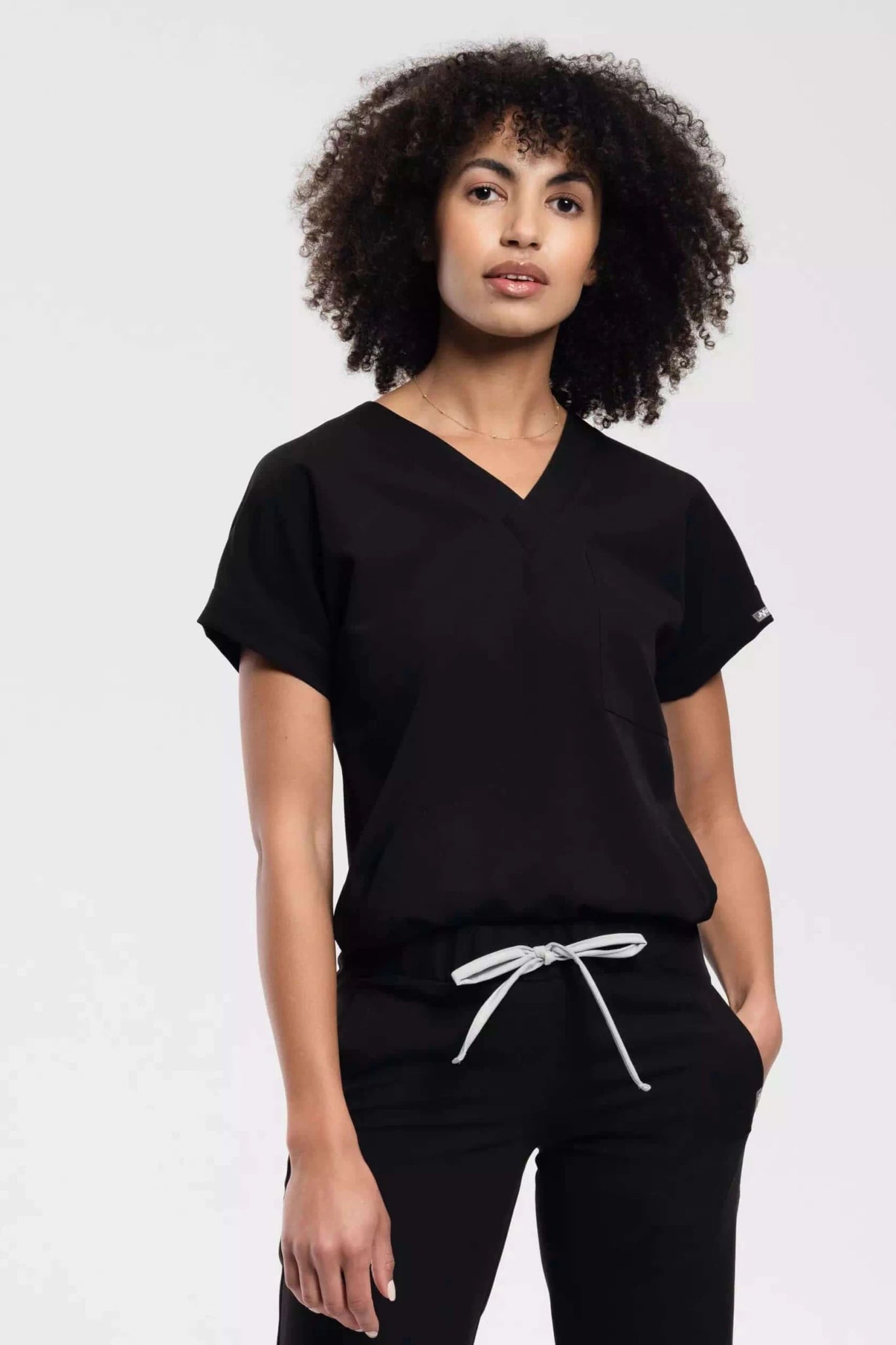
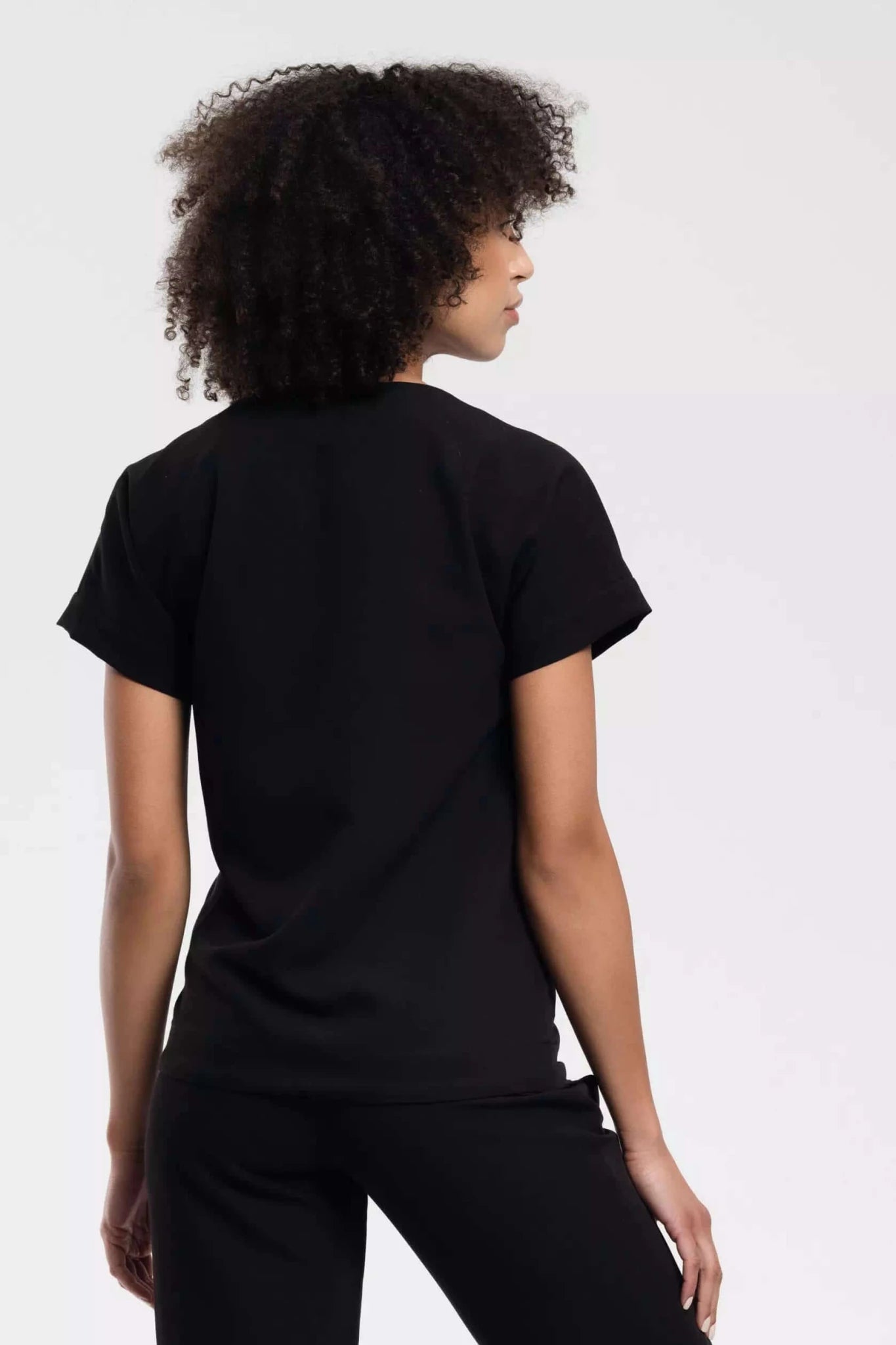
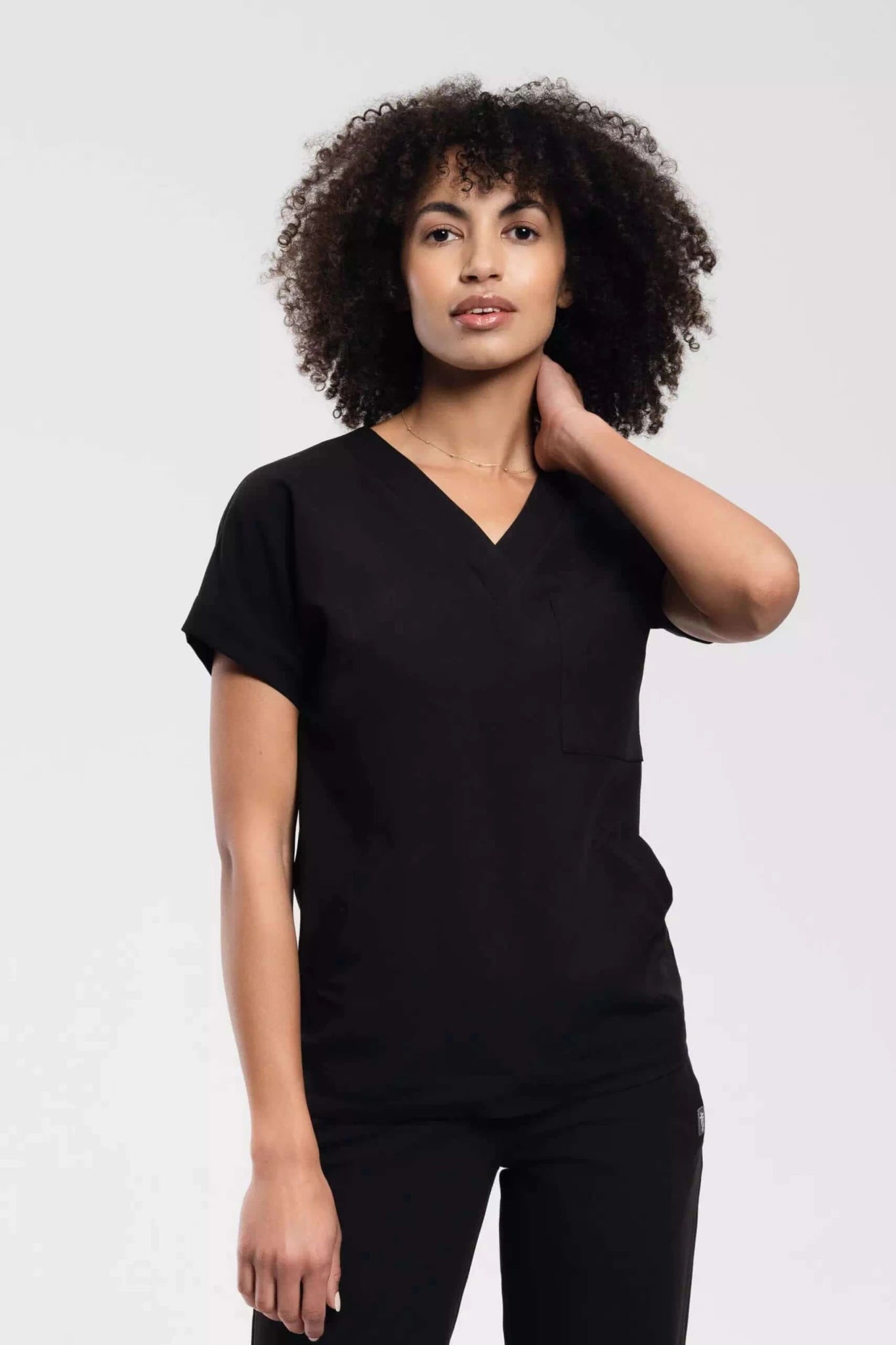
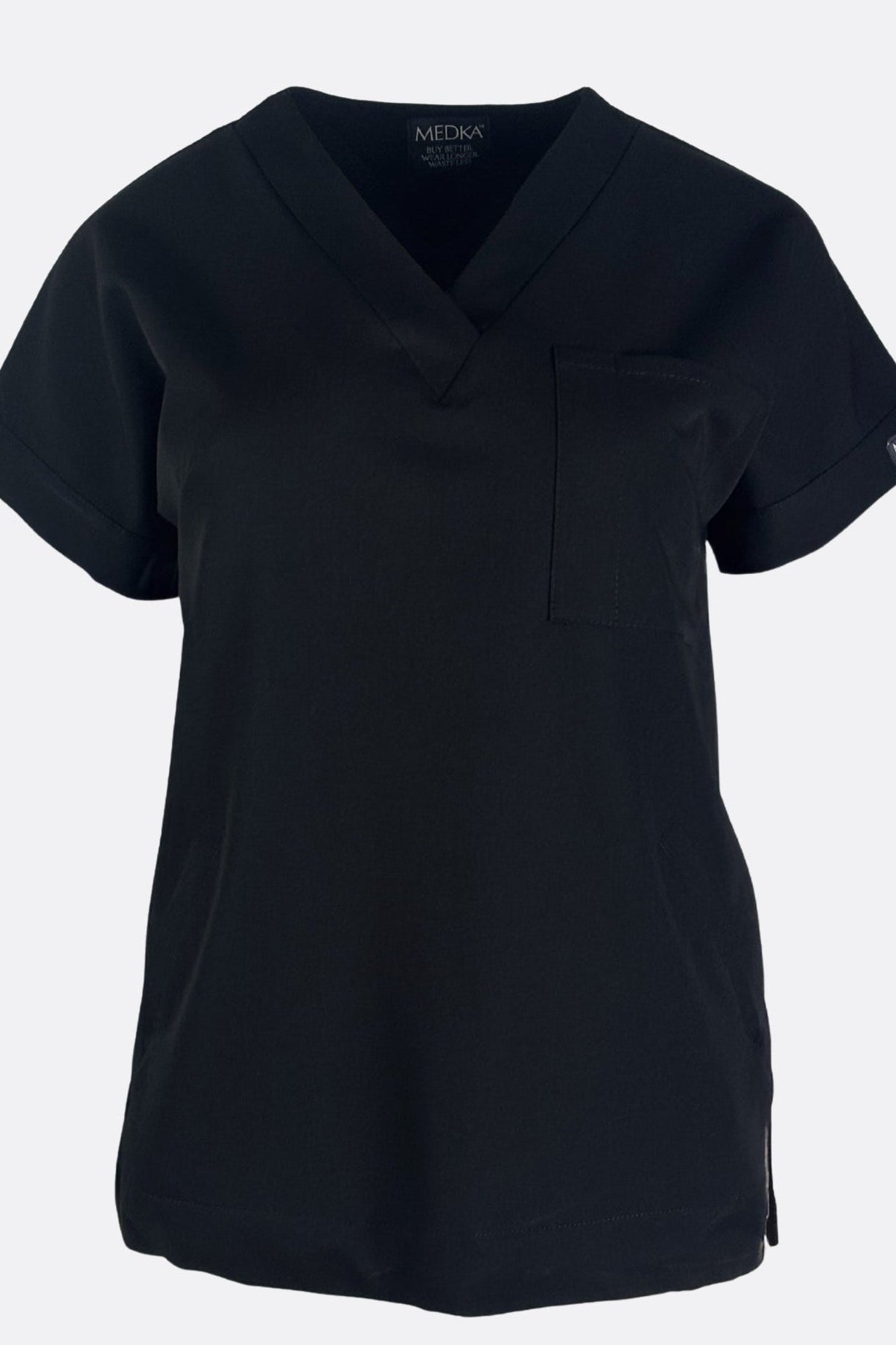
An apron is enough for anatomy. The real change comes with the first clinical classes and summer internships, when it turns out that wearing your own clothes under a scrubs plus an apron is an unbearable combination in a hospital ward in July. Then the medical set, i.e. a sweatshirt and trousers, ceases to be a fashion accessory and becomes a matter of functioning for eight hours.
Our store produces Polish medical clothing and has a separate one section for students with a fixed 15% discount after status verification by Uniperks. For someone who assembles several elements at once, this is a difference of several hundred zlotys in total. You will find in the offer women's medical sets i men's, single medical sweatshirts i pants in two leg lengths, medical gowns, medical footwear and accessories. The MOXI women's medical sweatshirt costs PLN 189.90, FLOW wide-leg trousers PLN 209.90, and Crocs Brooklyn medical shoes PLN 259.90 (as of July 2026).
Four design details that in this offer really change everyday life on duty: adjustment at the waist of the pants, which allows for weight fluctuations during the session; two leg lengths, saving you a visit to the seamstress; ID holder sewn into the sweatshirt, thanks to which the badge does not hang around the neck every time you bend over the patient; and pockets with magnetic closure in some models, from which the phone does not fall out when bending down. The store also offers personalization embroidery i group orders, which makes sense when the entire dean's group orders uniform sets.
A caveat without which this section would be incomplete: the color scheme is not a free choice. Many teaching hospitals impose the color of scrubs depending on the department and role. Before you buy three sets in your favorite shade, buy one and check if the internship supervisor has an opinion on it. The student discount will not disappear, a medical clothing it is not a commodity that can be conveniently returned after use.
Separately about shoes. Anatomy classes require variable footwear with closed toes and, at some universities, a white sole. Fabric sneakers are a bad idea here, because the fluids from the mortuary cannot be washed out of the fabric. Rubber and foam can be washed under running water. On hospital linoleum, something else counts: grip and shock absorption for ten hours of standing. These are two different requirements and, counterintuitively, one pair rarely does both well.
What about textbooks, the biggest budget trap?
Medical textbooks can cost more than all the clothing and equipment combined. An anatomy kit, an atlas, a histology textbook, scripts and that's already a thousand or several hundred zlotys before you start thinking about physiology.
The mechanism that generates unnecessary expenses is simple: in August you buy everything with "anatomy" in the title because that's what the Internet list advises, and in September it turns out that your department examines one specific textbook and you won't even open the other two. The solution is equally simple and requires patience: compulsory literature is published in the course syllabus, and the syllabus appears on the faculty website before the start of the academic year. It's a document, not a rumor.
A reasonable division looks like this. You buy a basic anatomy textbook because you will be reading it every day for two semesters and borrowing it from the library for the whole year is unrealistic. You buy an anatomical atlas, but if you can only afford one, choose an illustrated one, not a photographic one, because the drawing shows the structure more clearly than a photo of the specimen. You borrow multi-volume compendiums that you consult on three topics a year. You buy cathedral scripts in a script shop because they are cheap and often contain the exact scope of tests.
| Material | Buy or rent | Justification |
|---|---|---|
| Basic anatomy textbook | buy | daily use for two semesters |
| Illustrated atlas | buy | basis of learning for practical tests |
| Photographic atlas | optional, second best | useful, but does not replace the illustrated one |
| An extensive multi-volume compendium | rent | several topics per year |
| Histology textbook | buy | exam and preparations throughout the semester |
| Cathedral scripts | buy at the script shop | cheap, consistent with the scope of the tests |
| Textbooks for general subjects | rent | one-time exam, minimal use |
The used book market works exceptionally well here, because college students sell sets wholesale, usually for half the cover price. There are two disadvantages and they need to be named: the previous owner's underlining can be distracting, and the older edition sometimes has different chapter numbers, which is a real problem when working with a list of topics provided by the teacher. In the case of anatomy, this difference is cosmetic, but in the case of genetics or molecular biology it is not, because the content there ages faster.
Formalities that no one writes about in shopping lists
This part of the kit costs nothing in the store, and it can block you from entering practical classes more effectively than not wearing an apron.
Medical universities require first-year students to have a complete set of tests and vaccinations, failure to provide them on time means they will not be allowed to participate in practical classes. Scope and deadlines vary between universities. The Medical University of Warsaw requires documentation of vaccination against hepatitis B in a three-dose series (0, 1, 6 months) with dates for each dose, a test for Salmonella-Shigella carriage and a medical certificate for sanitary and epidemiological purposes, and the cut-off date is May 31 of the first year. The Medical University of Wrocław moves this limit to October 30-31, i.e. practically to the first month of studies. This discrepancy has consequences: a full course of hepatitis B vaccinations takes six months, so if your college requires a complete set by the end of October and you were not vaccinated as a child, the math simply doesn't add up and you must provide proof of each dose separately immediately after receiving it.
The practical implications are this. Before you go shopping, take out your health booklet and check if you have documented hepatitis B vaccination. Those born after 1994 usually have it from the vaccination calendar, but what matters is the document, not the belief. A certificate from the clinic with the dates of doses is what the dean's office will accept, and a photocopy of the booklet will most often not. The sanitary and epidemiological examination is performed once during the entire studies, so take it early and hide the certificate where you will find it in four years, because you will have to show it during internships. Occupational medicine examination based on a referral from the university is sometimes free in designated facilities, but outside of them you pay out of your own pocket and the university does not reimburse the cost.
It is also worth verifying the level of anti-HBs antibodies if you were vaccinated over twenty years ago. This is not a regulatory requirement at most universities, only a recommendation, but it costs several dozen zlotys and answers the question whether your protection is real or just paper. In a profession in which you will be in contact with blood for the next forty years, this answer has value independent of the dean's office. The question of a possible booster dose is decided by a doctor, not an article on the Internet.
What does it look like in practice: two Augusts, two scenarios
Let's take two people admitted to the same medical course in the same year, with a similar starting budget of about PLN 2,500.
The first one buys everything in mid-August, using a list found on the Internet. She orders a lab coat with a front fastening because it was the first one that came out, a cardiology stethoscope for PLN 900, three sets of scrubs in a color she likes, a set of four anatomy textbooks and a photographic atlas. He spends PLN 2,400. In the first week of October, the assistant doesn't let her into the autopsy room because her apron has a front closure. He buys a dissecting machine for PLN 130. In November, it turns out that the department is examining one of the four purchased textbooks, and a photographic atlas without an illustrated one does not help much when studying for practical tests, so he buys an illustrated one for PLN 200. The stethoscope is in the drawer. During the internship after the first year, he learns that the department requires green scrubs. Balance after a year: about PLN 2,900 spent, of which about PLN 1,100 on unused items or things bought twice.
The second person in August spends PLN 60 to travel to the dean's office and telephone the secretary's office of the anatomy department. He learns what kind of apron is required, that the department sells a set of apron and scarf for PLN 110, and that compulsory literature will be included in the syllabus in September. He buys a set from the cathedral, rubber shoes for PLN 90, tweezers for PLN 30 and gloves. He spends PLN 250. In September, after the syllabus is published, he buys a basic textbook and an illustrated atlas, both used from a second-year student, for PLN 380. The compendium is borrowed from the library. In February, when he already knows that the summer internship is in the internal medicine department, he writes to the internship supervisor, learns the required color of scrubs and orders one set with a student discount for about PLN 340. I buy the stethoscope in June, a model for PLN 400, a week before the practice. Balance: approximately PLN 1,370, everything in use, no double purchase.
The difference is over one and a half thousand zlotys and is not due to saving on quality. It results from postponing each decision until the information needed to make it becomes available. The only cost of this strategy is the anxiety that something will be missing in September. There will be plenty, because medical clothing stores ship orders within 24 hours, and script shops operate throughout the semester.
What not to buy even though everyone says it's worth it?
There are a few items that are persistently repeated on shopping lists and are simply not applicable in the first year.
The neurological hammer is useful in neurology, i.e. in the fourth or fifth year. Buying it first is the equivalent of buying tennis rackets before you can walk. The diagnostic flashlight comes into play with propaedeutics when you start looking at the throat and examining the pupillary reflex. Until then, the flashlight on your phone is enough, and in the first year you don't look down anyone's throat anyway.
An expensive laptop purchased specifically for medicine is a separate matter. The first-year program does not generate a computational load that justifies an above-mid-range expense. You will open PDFs, take notes and watch videos. Every piece of equipment from the last five years does this. The exception is when you choose a 3D anatomical atlas that requires a powerful graphics card, but this is a decision about the software, not about the studies.
For whom does this entire extensive layette make no sense? For a person who studies part-time with a limited number of dissecting classes, or who has transferred from another medical field and already has equipment. It's worth naming it because shopping lists always assume the first time and zero ownership. If you have white Crocs at home, don't buy new ones just because the chart says so.
Before you go shopping
The application for medical studies is divided into three levels and only one of them really requires money in August. The first is information: regulations of the anatomy department, syllabus, requirements of the dean's office. The second is the entry minimum, i.e. the appropriate apron, headgear, variable footwear and small equipment, usually less than PLN 300 in total. The third is everything else that you buy when the classes tell you what you need.
People who spend money badly at the start of medicine usually do not buy things of poor quality. They buy good things, just not these things, and not then. The greatest advantage a first-year has is not a complete wardrobe, but the ability to ask three questions: what exactly does my university require, when will I use it for the first time, and can I wait? If the answer to the third question is "yes", postpone the purchase. This habit will be much more useful later than a stethoscope bought for two years.
You will learn the rest in the first semester, usually by trial and, in the case of tweezers, error with the first preparation.
Frequently asked questions:
Below are short answers to the most frequently asked questions when preparing a medical kit. No elaborate explanations, specifically.
How much does the entire kit cost for the first year of medical studies?
A sensibly completed layette for the first year ranges from PLN 1,200 to PLN 1,800, including clothing, footwear, small equipment and textbooks (as of July 2026). By purchasing everything at once in August, without verifying the university's requirements, you can easily reach PLN 3,000. The largest item is usually textbooks, not clothing.
Can an anatomy apron be purchased used?
You can, and many people do, when buying from second-year students. However, check whether the fabric is not worn out at the elbows and whether the strings are intact, as these are the most common points of wear. An apron that has been in contact with formalin requires thorough washing before first use, but this does not disqualify the purchase.
When to buy scrubs for medical studies?
At the earliest, in the spring of your first year, when you know the location of your summer internship and the color it requires. Start with one set and replenish as needed, because different departments and teaching hospitals have different color requirements. Buying three sets in August before the first year is the most common waste of money.
Do students faint during classes in the mortuary?
This happens less frequently than folklore suggests. Classes are conducted gradually, from preparations of single structures to full ones, so getting used to them occurs naturally. If you feel dizzy, sit down and tell the presenter, this is not a situation that anyone will find embarrassing.
Is it worth joining a science club in the first year?
Most student science clubs accept people from the second year anyway. In the first year, the anatomy and histology load is so heavy that the additional activity usually affects the tests. You will satisfy your curiosity a year later, you will not lose anything.
What computer is needed for medical studies?
All you need is hardware capable of smoothly handling PDFs, a browser and video playback, which is virtually any laptop from the last five years. If you plan to use a 3D anatomical atlas, check the requirements of the specific application before purchasing. A tablet with a stylus can be more convenient for histology notes than a laptop.
Do you need to bring your own anatomy gloves?
It depends on the university, some companies provide them to students, some do not. Ask before the first class, because a box of nitrile gloves costs several zlotys, and entering the room without them may be impossible. Nitrile is a better choice than latex, mainly because of the risk of sensitization with frequent contact.
What should I do if I do not have documented hepatitis B vaccination?
See your GP as soon as possible, preferably before the start of the academic year, as the full three-dose course takes six months. Universities usually accept delivery of confirmation of subsequent doses on an ongoing basis. Lack of a document means that you will not be allowed to participate in practical classes, so it is a formality with real consequences.